Materials Science
Structural and mechanical properties of materials, synthesis, characterization methods.
Looking for a broader view? This category is part of:
Structural and mechanical properties of materials, synthesis, characterization methods.
Looking for a broader view? This category is part of:
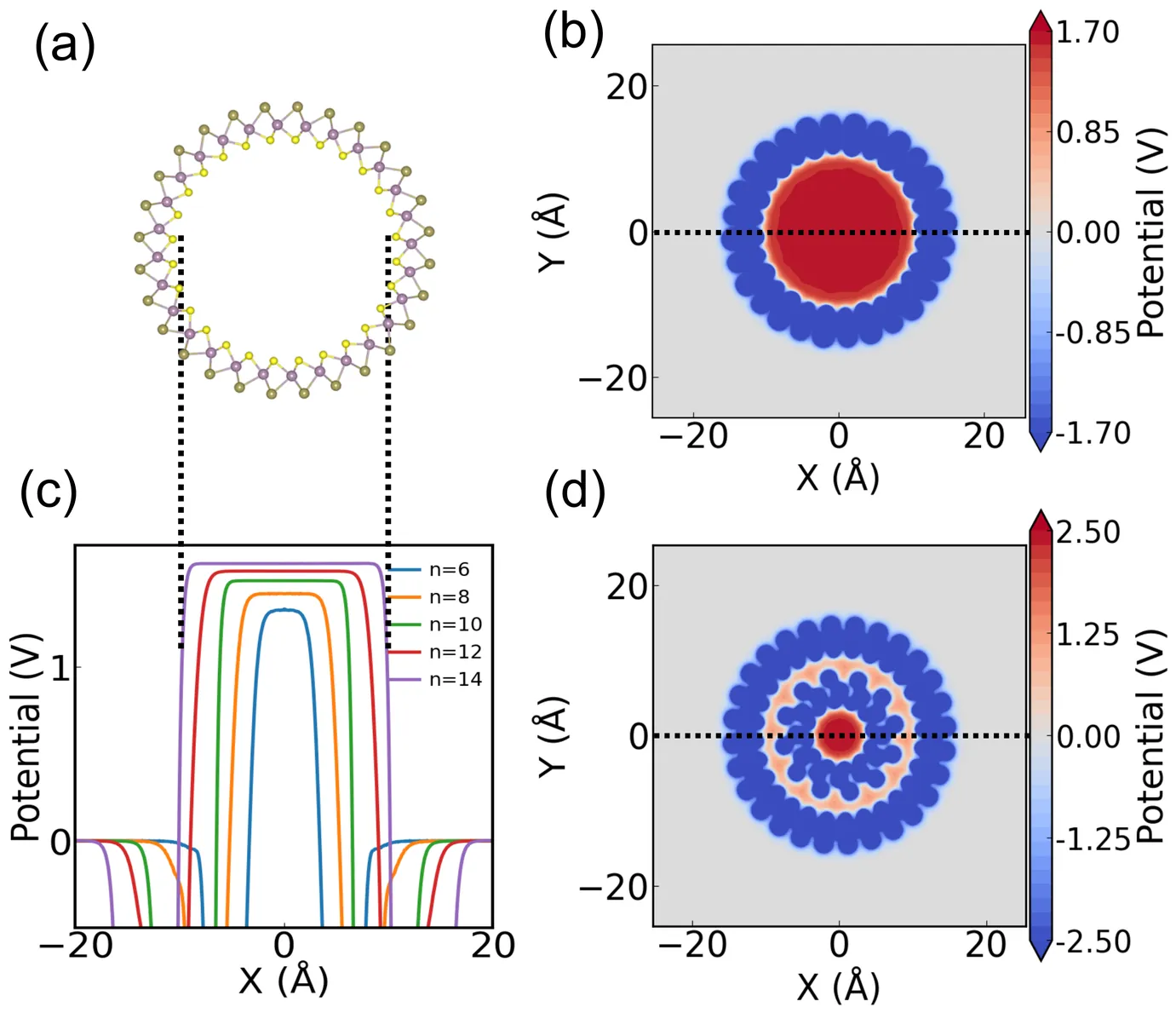
We present an optical study of near-surface Er$^{3+}$ ensembles in waveguide-integrated CaWO$_4$ and YVO$_4$, investigating how nanophotonic coupling modifies rare-earth spectroscopy. In particular, we compare bulk excitation with evanescently coupled TE and TM waveguide modes. In Er$^{3+}$:CaWO$_4$, we observe a pronounced polarization-dependent surface effect. TE-coupled spectra closely reproduce bulk behavior. In contrast, TM coupling induces strong inhomogeneous broadening and an asymmetric low-energy shoulder of the site S1 Y1Z1 transition, with linewidths exceeding those of the bulk by more than a factor of four. Temperature-dependent measurements and surface termination studies indicate that surface charges are the dominant mechanism. Er$^{3+}$:YVO$_4$ remains largely unaffected by mode polarization, and surface termination leads only to minor spectral shifts. These observations suggest that non-charge-neutral rare-earth systems are more susceptible to surface-induced decoherence sources than charge-neutral hosts.
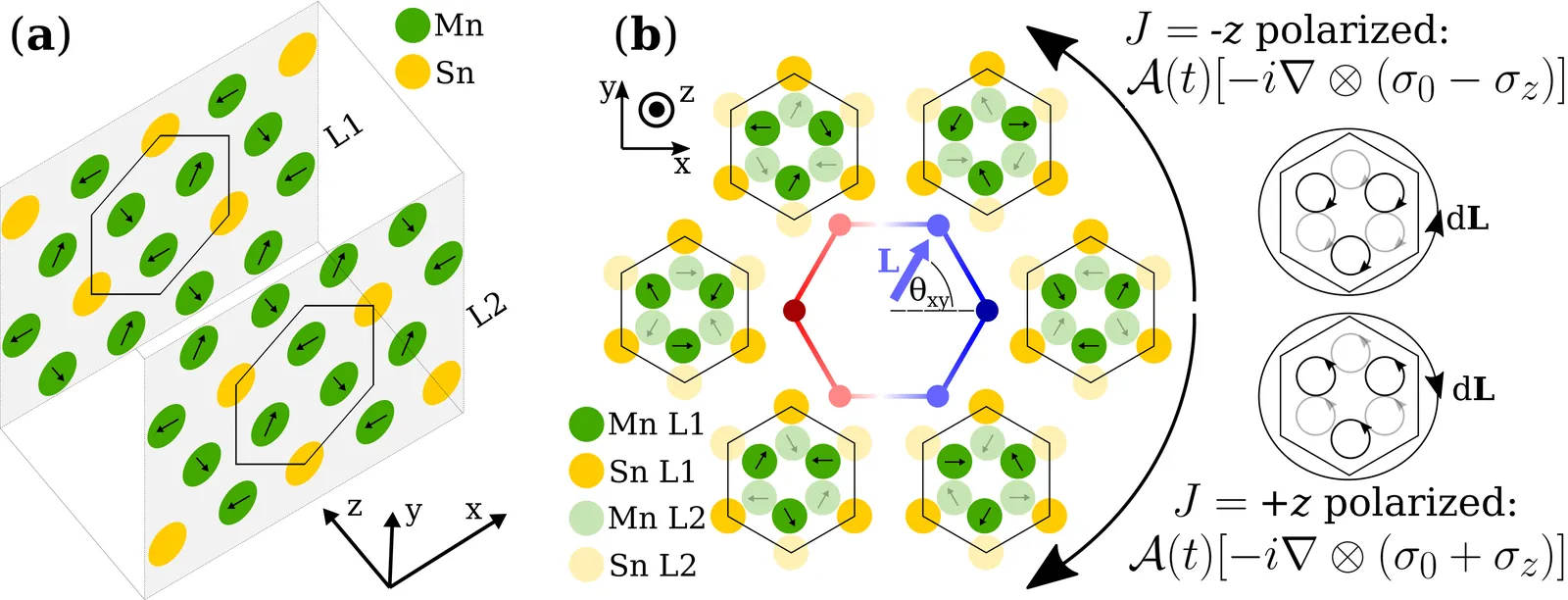
When a coplanar antiferromagnet (AFM) with $xy$-plane magnetic moments exhibits a spin-split band structure and unidirectional spin polarization along $z$, the spin polarization is forced to be an odd function of momentum by the fundamental symmetry $[\bar{C}_{2z}\|\mathcal{T}]$. Coplanar AFMs displaying such odd-parity unidirectional spin splittings are known as odd-parity magnets. In this work, we propose the realization of their missing even-parity counterparts. We begin by deriving the symmetry conditions required for an even-parity, out-of-plane spin splitting. We then show that irradiating a spin-degenerate coplanar AFM with circularly polarized light lifts the $[\bar{C}_{2z}|\mathcal{T}]$ constraint, dynamically generating this even-parity state. Specifically, the light-induced unidirectional spin splitting exhibits a $d$-wave texture in momentum space, akin to that of a $d$-wave altermagnet. We prove this texture's robustness against spin canting and show it yields a unique clover-like angular dependence in the Drude spin conductivity. Our work demonstrates that optical driving can generate novel spin-split phases in coplanar AFMs, thereby diversifying the landscape of materials exhibiting distinct spin splittings.
The synthesis of nanocrystals has been highly dependent on trial-and-error, due to the complex correlation between synthesis parameters and physicochemical properties. Although deep learning offers a potential methodology to achieve generative inverse design, it is still hindered by the scarcity of high-quality datasets that align nanocrystal synthesis routes with their properties. Here, we present the construction of a large-scale, aligned Nanocrystal Synthesis-Property (NSP) database and demonstrate its capability for generative inverse design. To extract structured synthesis routes and their corresponding product properties from literature, we develop NanoExtractor, a large language model (LLM) enhanced by well-designed augmentation strategies. NanoExtractor is validated against human experts, achieving a weighted average score of 88% on the test set, significantly outperforming chemistry-specialized (3%) and general-purpose LLMs (38%). The resulting NSP database contains nearly 160,000 aligned entries and serves as training data for our NanoDesigner, an LLM for inverse synthesis design. The generative capability of NanoDesigner is validated through the successful design of viable synthesis routes for both well-established PbSe nanocrystals and rarely reported MgF2 nanocrystals. Notably, the model recommends a counter-intuitive, non-stoichiometric precursor ratio (1:1) for MgF2 nanocrystals, which is experimentally confirmed as critical for suppressing byproducts. Our work bridges the gap between unstructured literature and data-driven synthesis, and also establishes a powerful human-AI collaborative paradigm for accelerating nanocrystal discovery.
Physical properties and functionalities of materials are dictated by global crystal structures as well as local defects. To establish a structure-property relationship, not only the crystallographic symmetry but also quantitative knowledge about defects are required. Here we present a hybrid Machine Learning framework that integrates a physically-constrained variational-autoencoder (pcVAE) with different Bayesian Optimization (BO) methods to systematically accelerate and improve crystal structure refinement with resolution of defects. We chose the pyrochlore structured Ho2Ti2O7 as a model system and employed the GSAS2 package for benchmarking crystallographic parameters from Rietveld refinement. However, the function space of these material systems is highly nonlinear, which limits optimizers like traditional Rietveld refinement, into trapping at local minima. Also, these naive methods don't provide an extensive learning about the overall function space, which is essential for large space, large time consuming explorations to identify various potential regions of interest. Thus, we present the approach of exploring the high Dimensional structure parameters of defect sensitive systems via pretrained pcVAE assisted BO and Sparse Axis Aligned BO. The pcVAE projects high-Dimensional diffraction data consisting of thousands of independently measured diffraction orders into a lowD latent space while enforcing scaling invariance and physical relevance. Then via BO methods, we aim to minimize the L2 norm based chisq errors in the real and latent spaces separately between experimental and simulated diffraction patterns, thereby steering the refinement towards potential optimum crystal structure parameters. We investigated and compared the results among different pcVAE assisted BO, non pcVAE assisted BO, and Rietveld refinement.
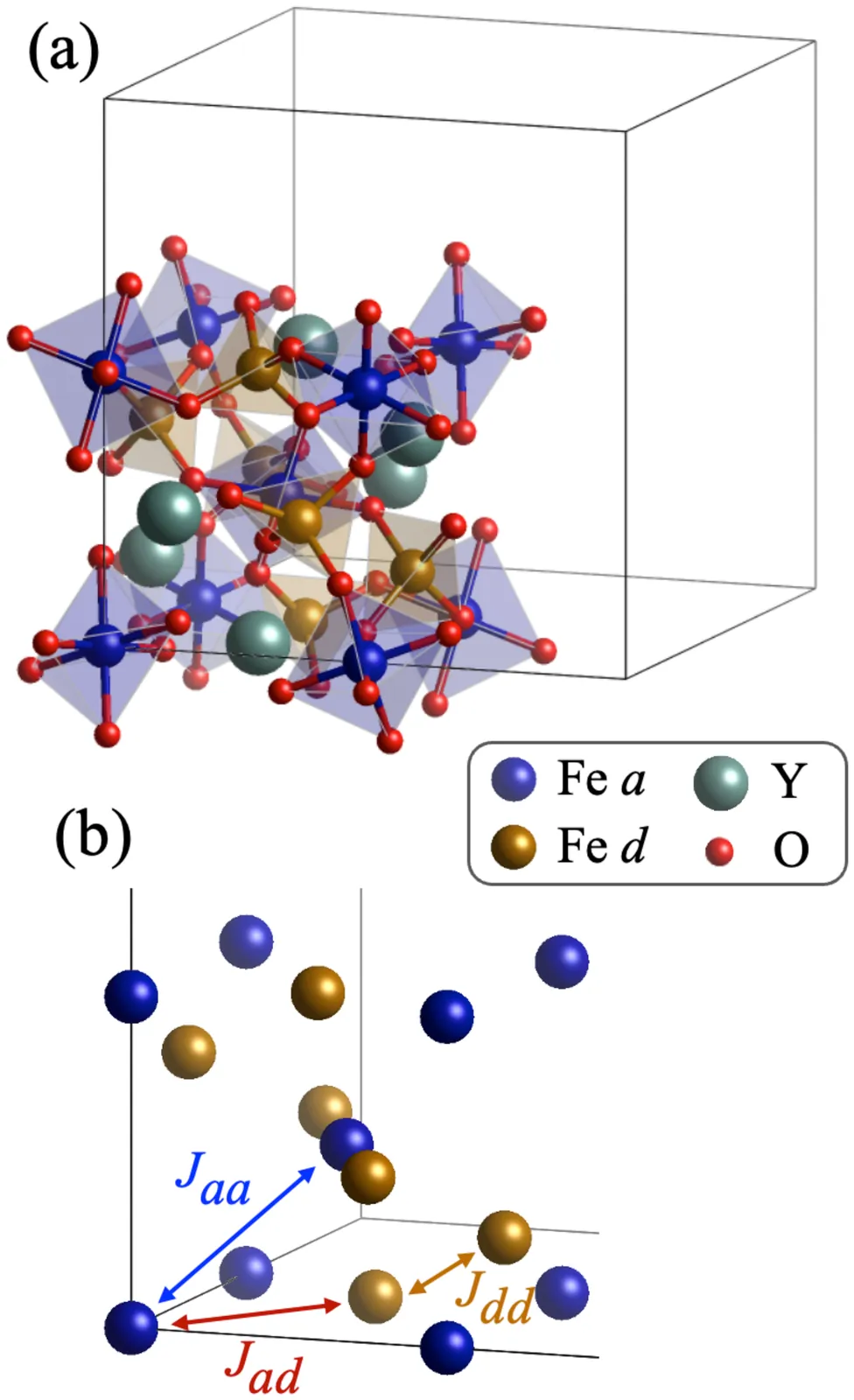
Recent years have seen a proliferation in investigations on Altermagnetism due to its exciting prospects both from an applications perspective and theoretical standpoint. Traditionally, altermagnets are distinguished from collinear antiferromagnets using the central concept of halving subgroups within the spin space group formalism. In this work, we propose the Fundamental Lemma of Altermagnetism (FLAM) deriving the exact conditions required for the existence of altermagnetic phase in a magnetic material on the basis of site-symmetry groups and halving subgroups for a given crystallographic space group. The spin group formalism further clubs ferrimagnetism with ferromagnetism since the same-spin and opposite-spin sublattices lose their meaning in the presence of multiple magnetic species. As a consequence of FLAM, we further propose a class of fully compensated ferrimagnets, termed as Alterferrimagnets (AFiMs), which can show alternating momentum-dependent spin-polarized non-relativistic electronic bands within the first Brillouin zone. We show that alterferrimagnetism is a generalization of traditional collinear altermagnetism where multiple magnetic species are allowed to coexist forming fully compensated magnetic-sublattices, each with individual up-spin and down-spin sublattices.
Increasing the valley splitting in Si-based heterostructures is critical for improving the performance of semiconductor qubits. This paper demonstrates that the two low-energy conduction band valleys are not independent parabolic bands. Instead, they originate from the X-point of the Brillouin zone, where they are interconnected by a degeneracy protected by the non-symmorphic symmetry of the diamond lattice. This semi-Dirac-node degeneracy gives rise to the $Δ_1$ and $Δ_{2'}$ bands, which constitute the valley degrees of freedom. By explicitly computing the two-component Bloch functions $X_1^\pm$, using the wave vector group at the X-point, we determine the transformation properties of the object $(X_1^+,X_1^-)$. We demonstrate that these properties are fundamentally different from those of a spinor. Consequently, we introduce the term "valleyor" to emphasize this fundamental distinction. The transformation properties of valleyors induce corresponding transformations of the Pauli matrices $τ_1,τ_2$ and $τ_3$ in the valley space. Determining these transformations allows us to classify possible external perturbations that couple to each valley Pauli matrix, thereby identifying candidates for valley-magnetic fields, ${\mathsf B}$. These fields are defined by a Zeeman-like coupling ${\mathsf B}\cdot\vecτ$ to the valley degree of freedom. In this way, we identify scenarios where an applied magnetic field $\vec B$ can leverage other background fields, such as strain, to generate a valley-magnetic field ${\mathsf B}$. This analysis suggests that beyond the well-known mechanism of potential scattering from Ge impurities, there exist additional channels (mediated by combinations of magnetic and strain-induced vector potentials) to control the valley degree of freedom
In this work, we introduce PhononBench, the first large-scale benchmark for dynamical stability in AI-generated crystals. Leveraging the recently developed MatterSim interatomic potential, which achieves DFT-level accuracy in phonon predictions across more than 10,000 materials, PhononBench enables efficient large-scale phonon calculations and dynamical-stability analysis for 108,843 crystal structures generated by six leading crystal generation models. PhononBench reveals a widespread limitation of current generative models in ensuring dynamical stability: the average dynamical-stability rate across all generated structures is only 25.83%, with the top-performing model, MatterGen, reaching just 41.0%. Further case studies show that in property-targeted generation-illustrated here by band-gap conditioning with MatterGen--the dynamical-stability rate remains as low as 23.5% even at the optimal band-gap condition of 0.5 eV. In space-group-controlled generation, higher-symmetry crystals exhibit better stability (e.g., cubic systems achieve rates up to 49.2%), yet the average stability across all controlled generations is still only 34.4%. An important additional outcome of this study is the identification of 28,119 crystal structures that are phonon-stable across the entire Brillouin zone, providing a substantial pool of reliable candidates for future materials exploration. By establishing the first large-scale dynamical-stability benchmark, this work systematically highlights the current limitations of crystal generation models and offers essential evaluation criteria and guidance for their future development toward the design and discovery of physically viable materials. All model-generated crystal structures, phonon calculation results, and the high-throughput evaluation workflows developed in PhononBench will be openly released at https://github.com/xqh19970407/PhononBench
Defects in atomically thin van der Waals materials have recently been investigated as sources of spin-photon entanglement with sensitivity to strain tuning. Unlike many two-dimensional materials, quasi-one-dimensional materials such as transition metal trichalcogenides exhibit in-plane anisotropy resulting in axis-dependent responses to compressive and tensile strains. Herein, we characterize the tunable spin and optical properties of intrinsic vacancy defects in titanium trisulfide (TiS3) and niobium trisulfide (NbS3) nanowires. Within our ab initio approach, we show that sulfur vacancies and divacancies (VS and VD , respectively) in TiS3 and NbS3 adopt strain-dependent defect geometries between in-plane strains of -3 % and 3 %. The calculated electronic structures indicate that both VS and VD possess in-gap defect states with optically bright electronic transitions whose position relative to the conduction and valence bands varies with in-plane strain. Further, our calculations predict that VS in TiS3 and VD in NbS3 exhibit transitions in their ground state spins; specifically, a compressive strain of 0.4 % along the direction of nanowire growth causes a shift from a triplet state to a singlet state for the VS defect in TiS3, whereas a tensile strain of 2.9 % along the same direction in NbS3 induces a triplet ground state with a zero-phonon line of 0.83 eV in the VD defect. Our work shows that the anisotropic geometry of TiS3 and NbS3 nanowires offers exceptional tunability of optically active spin defects that can be used in quantum applications.
Crystal structure prediction is a fundamental problem in materials science. We present CrystalFormer-CSP, an efficient framework that unifies data-driven heuristic and physics-driven optimization approaches to predict stable crystal structures for given chemical compositions. The approach combines pretrained generative models for space-group-informed structure generation and a universal machine learning force field for energy minimization. Reinforcement fine-tuning can be employed to further boost the accuracy of the framework. We demonstrate the effectiveness of CrystalFormer-CSP on benchmark problems and showcase its usage via web interface and language model integration.
Understanding atomic structures is crucial, yet amorphous materials remain challenging due to their irregular and non-periodic nature. The wavelet-transform radial distribution function (WT-RDF) offers a physics-based framework for analyzing amorphous structures, reliably predicting the first and second RDF peaks and overall curve trends in both binary Ge 0.25 Se 0.75 and ternary Ag x(Ge 0.25 Se 0.75)100-x (x=5,10,15,20,25) systems. Despite these strengths, WT-RDF shows limitations in amplitude accuracy, which affects quantitative analyses such as coordination numbers. This study addresses the issue by optimizing WT-RDF parameters using a machine learning approach, producing the enhanced WT-RDF+ framework. WT-RDF+ improves the precision of peak predictions and outperforms benchmark ML models, including RBF and LSTM, even when trained on only 25 percent of the binary dataset. These results demonstrate that WT-RDF+ is a robust and reliable model for structural characterization of amorphous materials, particularly Ge-Se systems, and support the efficient design and development of phase-change thin films for next-generation electronic devices and components.
We introduce QMBench, a comprehensive benchmark designed to evaluate the capability of large language model agents in quantum materials research. This specialized benchmark assesses the model's ability to apply condensed matter physics knowledge and computational techniques such as density functional theory to solve research problems in quantum materials science. QMBench encompasses different domains of the quantum material research, including structural properties, electronic properties, thermodynamic and other properties, symmetry principle and computational methodologies. By providing a standardized evaluation framework, QMBench aims to accelerate the development of an AI scientist capable of making creative contributions to quantum materials research. We expect QMBench to be developed and constantly improved by the research community.
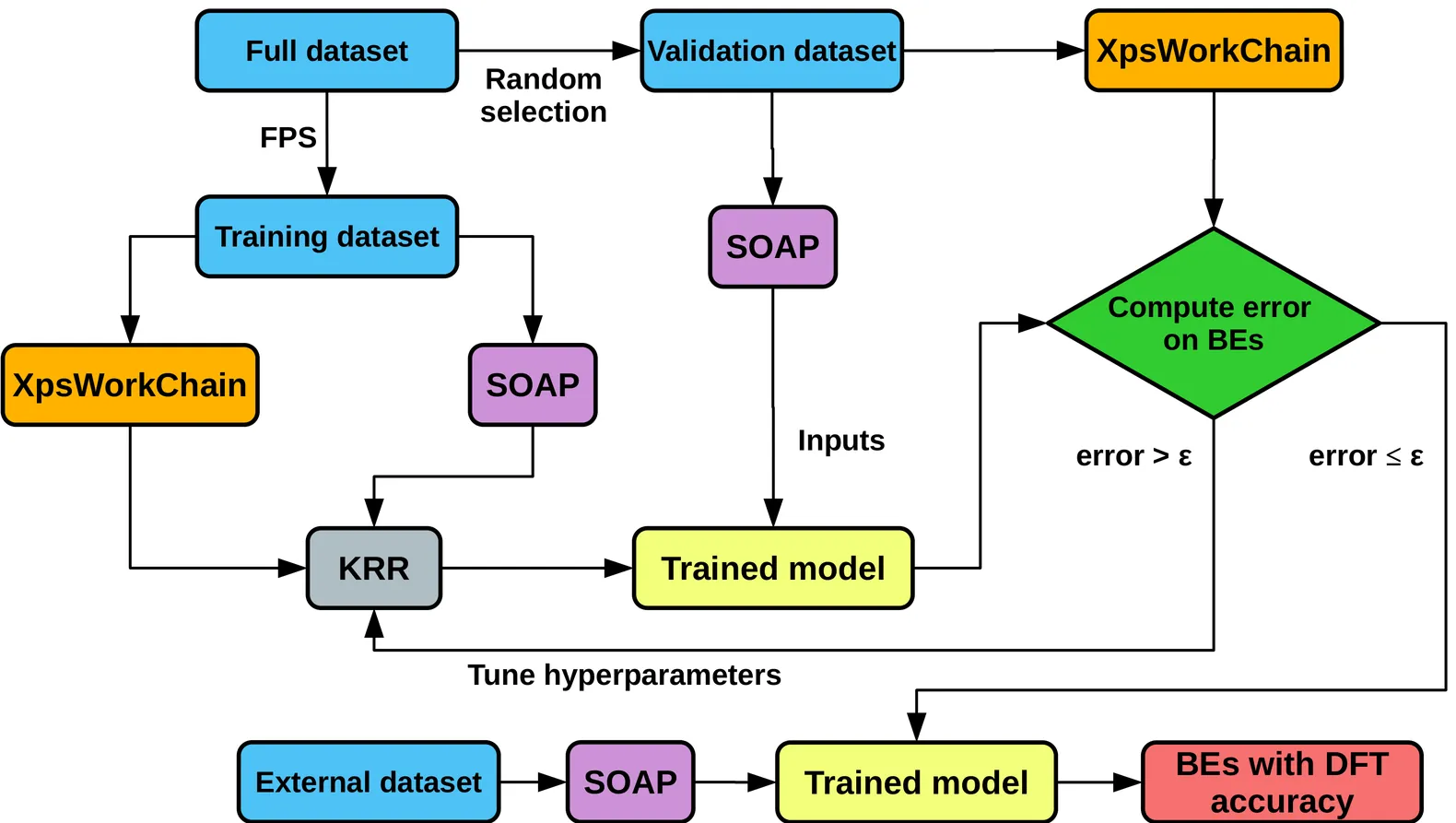
Copper nanoparticles (Cu NPs) have a broad applicability, yet their synthesis is sensitive to subtle changes in reaction parameters. This sensitivity, combined with the time- and resource-intensive nature of experimental optimization, poses a major challenge in achieving reproducible and size-controlled synthesis. While Machine Learning (ML) shows promise in materials research, its application is often limited by scarcity of large high-quality experimental data sets. This study explores ML to predict the size of Cu NPs from microwave-assisted polyol synthesis using a small data set of 25 in-house performed syntheses. Latin Hypercube Sampling is used to efficiently cover the parameter space while creating the experimental data set. Ensemble regression models, built with the AMADEUS framework, successfully predict particle sizes with high accuracy ($R^2 = 0.74$), outperforming classical statistical approaches ($R^2 = 0.60$). Overall, this study highlights that, for lab-scale synthesis optimization, high-quality small datasets combined with classical, interpretable ML models outperform traditional statistical methods and are fully sufficient for quantitative synthesis prediction. This approach provides a sustainable and experimentally realistic pathway toward data-driven inorganic synthesis design.
We develop a general theoretical framework for computing the time-resolved magneto-optical Kerr effect in ultrafast pump-probe setups, formulated within the Dynamical Projective Operatorial Approach (DPOA) and its application to the generalized linear-response theory for pumped systems. Furthermore, we exploit this formalism to express the post-pump optical conductivity and consequently the Kerr rotation in terms of the time-evolved single-particle density matrix (SPDM), providing a transparent and computationally efficient description of photo-excited multi-band systems. This extension, in addition to its lower computational cost, has the advantage of allowing the inclusion of phenomenological damping. We illustrate the formalism using both (i) a two-band tight-binding model, which captures the essential physics of ultrafast spin-charge dynamics and the Kerr rotation, and (ii) weakly spin-polarized germanium, as a realistic playground with a complex band structure. The results demonstrate that, by exploiting DPOA and/or its SPDM extension, one can reliably reproduce both the short-time features under the pump-pulse envelope and the long-time dynamics after excitation, offering a versatile framework for analyzing time-resolved magneto-optical Kerr effect experiments in complex materials. Moreover, this analysis clearly shows that the Kerr rotation can be used to deduce experimentally the relevant n-photon resonances for a given specific material.
The dynamics of disordered nuclear spin ensembles are the subject of nuclear magnetic resonance studies. Due to the through-space long-range dipolar interaction generically many spins are involved in the time evolution, so that exact brute force calculations are impossible. The recently established spin dynamic mean-field theory (spinDMFT) represents an efficient and unbiased alternative to overcome this challenge. The approach only requires the dipolar couplings as input and the only prerequisite for its applicability is that each spin interacts with a large number of other spins. In this article, we show that spinDMFT can be used to describe spectral spin diffusion in static samples and to simulate zero-quantum line shapes which eluded an efficient quantitative simulation so far to the best of our knowledge. We perform benchmarks for two test substances that establish an excellent match with published experimental data. As spinDMFT combines low computational effort with high accuracy, we strongly suggest to use it for large-scale simulations of spin diffusion, which are important in various areas of magnetic resonance.
Designing lithium-ion batteries for long service life remains a challenge, as most cells are optimized for beginning-of-life metrics such as energy density, often overlooking how design and operating conditions shape degradation. This work introduces a degradation-aware design framework built around finite, interacting reservoirs (lithium, porosity, and electrolyte) that are depleted over time by coupled degradation processes. We extend a physics-based Doyle-Fuller-Newman model to include validated mechanisms such as SEI growth, lithium plating, cracking, and solvent dry-out, and simulate how small design changes impact lifetime. Across more than 1,000 cycles, we find that increasing electrolyte volume by just 1% or porosity by 5% can extend service life by over 30% without significantly affecting cell energy density. However, lithium excess, while boosting initial capacity, can accelerate failure if not supported by sufficient structural or ionic buffers. Importantly, we show that interaction between reservoirs is crucial to optimal design: multi-reservoir tuning yields either synergistic benefits or compound failures, depending on operating conditions. We also quantify how C-rate and operating temperature influence degradation pathways, emphasizing the need for co-optimized design and usage profiles. By reframing degradation as a problem of managing finite internal reservoirs, this work offers a predictive and mechanistic foundation for designing lithium-ion batteries that balance energy, durability, and application-specific needs.
The discovery of a minimum energy pathway (MEP) between metastable states is crucial for scientific tasks including catalyst and biomolecular design. However, the standard nudged elastic band (NEB) algorithm requires hundreds to tens of thousands of compute-intensive simulations, making applications to complex systems prohibitively expensive. We introduce Neural Network Bayesian Algorithm Execution (NN-BAX), a framework that jointly learns the energy landscape and the MEP. NN-BAX sequentially fine-tunes a foundation model by actively selecting samples targeted at improving the MEP. Tested on Lennard-Jones and Embedded Atom Method systems, our approach achieves a one to two order of magnitude reduction in energy and force evaluations with negligible loss in MEP accuracy and demonstrates scalability to >100-dimensional systems. This work is therefore a promising step towards removing the computational barrier for MEP discovery in scientifically relevant systems, suggesting that weeks-long calculations may be achieved in hours or days with minimal loss in accuracy.
Multimode Jahn-Teller (JT) effect in a negatively charged nitrogen-vacancy (NV) center in its excited state is studied by first-principles calculations based on density function theory (DFT). The activation pathways of the JT distortions are analyzed to elucidate and quantify the contribution of different vibrational modes. The results show that the dominant vibrational modes in the JT distortions are closely related to the phonon sideband observed in two-dimensional electronic spectroscopy (2DES), consistent with ab initio molecular dynamics (AIMD) simulation results. Our calculations provide a new way to understand the origin and the mechanism of the vibronic coupling of the system. The obtained dominant vibrational modes coupled to the NV centre and their interactions with electronic states provides new insights into dephasing, relaxation and optically driven quantum effects, and are critical for the application to quantum information, magnetometry and sensing.
The efficiency of water electrolysis in a photoelectrochemical cell is largely limited by the oxygen evolution reaction (OER) at its semiconductor photoanode. Reaction rate constants are key to investigating the slow kinetics of the multistep OER, as they indicate the rate-determining step. While these rate constants are usually calculated based on first-principles simulations, this research aims to estimate them from experimental electrochemical impedance spectroscopy (EIS) data. Starting from a microkinetic model for charge transfer at the semiconductor-electrolyte interface, an expression for the impedance as a function of the rate constants is derived. At lower potentials, the order of this impedance model is reduced, thus eliminating the rate constants corresponding to the last reaction steps. Moreover, it is shown that EIS data from at least two potentials needs to be combined in order to uniquely identify the rate constants of a particular reduced order model. Therefore, this work details a sample maximum likelihood estimator that integrates not only multiple frequencies, but also multiple potentials simultaneously. Measuring multiple periods of the current density and potential signals, allows this frequency domain estimator to take measurement uncertainty into account. In addition, due to the large numerical range of the rate constants, various scaling methods are implemented to achieve numerical stability. To find suitable initial values for the highly nonlinear optimization problem, different global estimation methods are compared. The complete estimation procedure of the rate constants is illustrated on simulated EIS data of a hematite photoanode.
Artificial intelligence is reshaping scientific exploration, but most methods automate procedural tasks without engaging in scientific reasoning, limiting autonomy in discovery. We introduce Materials Agents for Simulation and Theory in Electronic-structure Reasoning (MASTER), an active learning framework where large language models autonomously design, execute, and interpret atomistic simulations. In MASTER, a multimodal system translates natural language into density functional theory workflows, while higher-level reasoning agents guide discovery through a hierarchy of strategies, including a single agent baseline and three multi-agent approaches: peer review, triage-ranking, and triage-forms. Across two chemical applications, CO adsorption on Cu-surface transition metal (M) adatoms and on M-N-C catalysts, reasoning-driven exploration reduces required atomistic simulations by up to 90% relative to trial-and-error selection. Reasoning trajectories reveal chemically grounded decisions that cannot be explained by stochastic sampling or semantic bias. Altogether, multi-agent collaboration accelerates materials discovery and marks a new paradigm for autonomous scientific exploration.
Altermagnets represent a newly identified third class of collinear magnets and have recently emerged as a focal point in condensed matter physics. In this work, through first-principles calculations and theoretical analysis, we identify monolayer Fe$_2$MoX$_4$ (X = S, Se, Te) and Fe$_2$WTe$_4$, a class of iron-based transition metal chalcogenides, as promising altermagnetic materials. These systems are found to be semiconductors exhibiting spin splitting in their nonrelativistic band structures, indicative of intrinsic altermagnetic ordering. Remarkably, their valence bands feature a pair of valleys at the time-reversal-invariant momenta X and Y points. Unlike conventional valley systems, these valleys are related by crystal symmetries rather than time-reversal symmetry. We investigate valley-dependent physical phenomena in these materials, including Berry curvature and optical circular dichroism, revealing strong valley-contrasting behavior. Furthermore, we investigate the effect of uniaxial strain and show that it effectively lifts the valley degeneracy, resulting in pronounced valley polarization. Under hole doping, this strain-induced asymmetry gives rise to a piezomagnetic response. We also explore the generation of anisotropic noncollinear spin currents in these systems, expanding the scope of their spin-related functionalities. Our findings unveil rich valley physics in monolayer Fe$_2$MoX$_4$ (X = S, Se, Te) and Fe$_2$WTe$_4$, highlighting their significant potential for applications in valleytronics, spintronics, and multifunctional nanoelectronic devices.