Trending in High Energy Physics - Phenomenology
 2605.03474
Toward a Community Roadmap for High Energy Physics and Artificial Intelligence in China and Beyond
Artificial Intelligence (AI) is rapidly transforming scientific research and has become central to many data-intensive disciplines. High Energy Physics (HEP), with its vast data volumes, complex theoretical structures, and precision-driven methodologies, lies at a particularly fertile intersection with modern AI. In this document, we present a community-informed overview of AI+HEP development in China and beyond, motivated in part by discussions at the 2025 Quantum Computing and Machine Learning Workshop in Qingdao, Shandong Province. We briefly review current AI activities across experimental, phenomenological, and theoretical HEP, along with key aspects of the research ecosystem. This work does not aim to represent the entire community, but rather reflects a partial and evolving snapshot informed by discussions and perspectives gathered from members of the broader AI+HEP community. We hope it serves as an initial roadmap to inform future coordinated efforts and to lay the groundwork for a more comprehensive community white paper.
2605.03474
May 2026High Energy Physics - Phenomenology
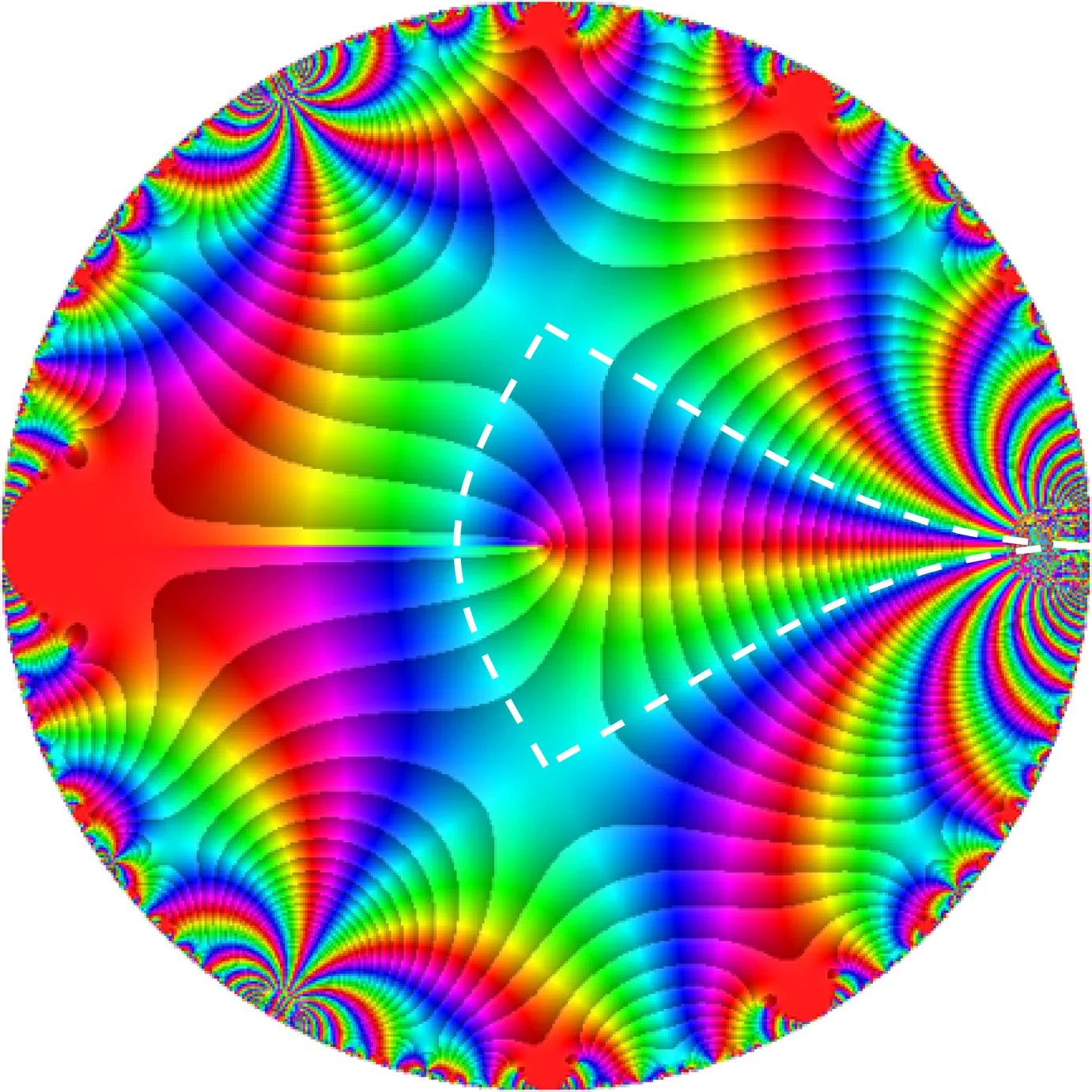
The elliptic three-loop integrals of hadronic vacuum polarization in chiral perturbation theory
This work presents a detailed account of the Feynman integrals required for the three-loop hadronic vacuum polarization calculation performed in arXiv:2510.12885. We explain how to compute each of the three-loop integrals, and outline the mathematical framework underlying their evaluation. This culminates in a practical numerical implementation that enables fast and accurate evaluation of these integrals for arbitrary complex values of the photon virtuality.
2603.15252
Mar 2026High Energy Physics - Phenomenology
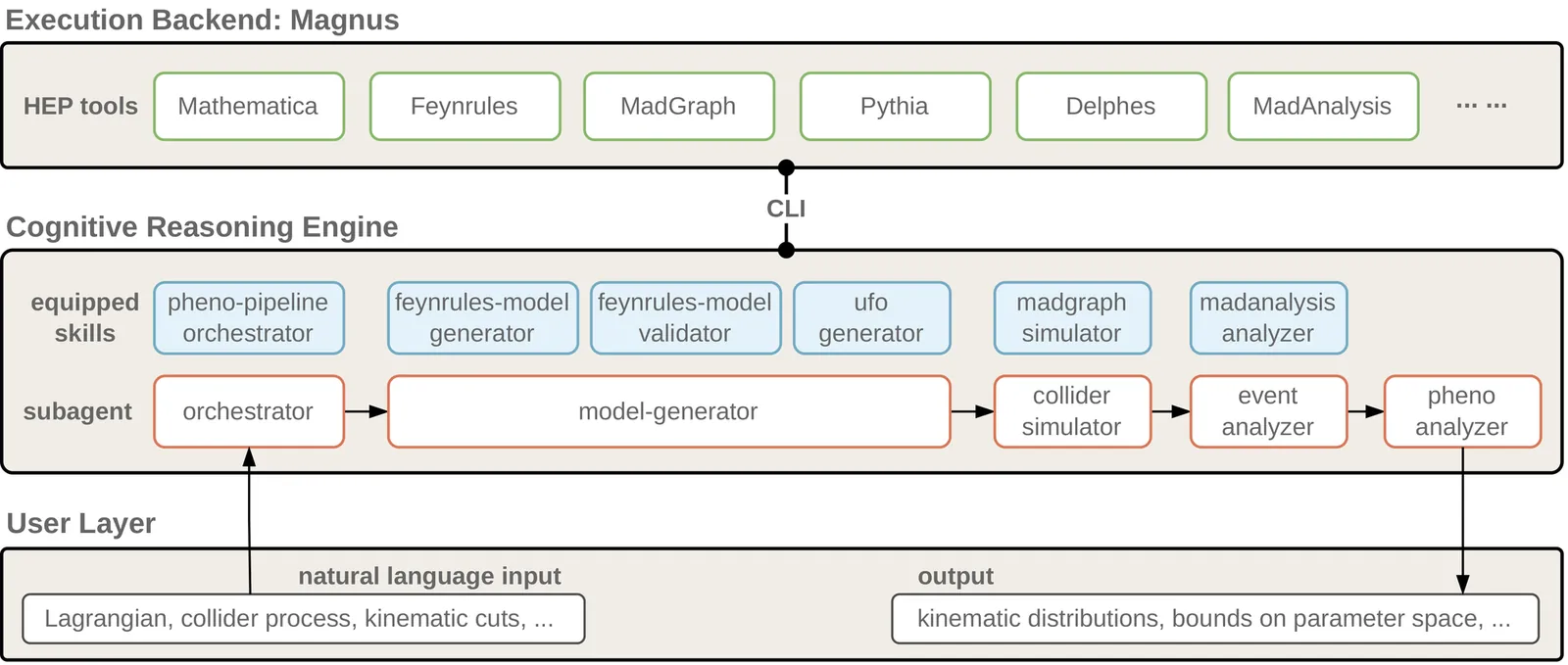
An End-to-end Architecture for Collider Physics and Beyond
We present, to our knowledge, the first language-driven agent system capable of executing end-to-end collider phenomenology tasks, instantiated within a decoupled, domain-agnostic architecture for autonomous High-Energy Physics phenomenology. Guided only by natural-language prompts supplemented with standard physics notation, ColliderAgent carries out workflows from a theoretical Lagrangian to final phenomenological outputs without relying on package-specific code. In this framework, a hierarchical multi-agent reasoning layer is coupled to Magnus, a unified execution backend for phenomenological calculations and simulation toolchains. We validate the system on representative literature reproductions spanning leptoquark and axion-like-particle scenarios, higher-dimensional effective operators, parton-level and detector-level analyses, and large-scale parameter scans leading to exclusion limits. These results point to a route toward more automated, scalable, and reproducible research in collider physics, cosmology, and physics more broadly.
2603.14553
Mar 2026High Energy Physics - Phenomenology
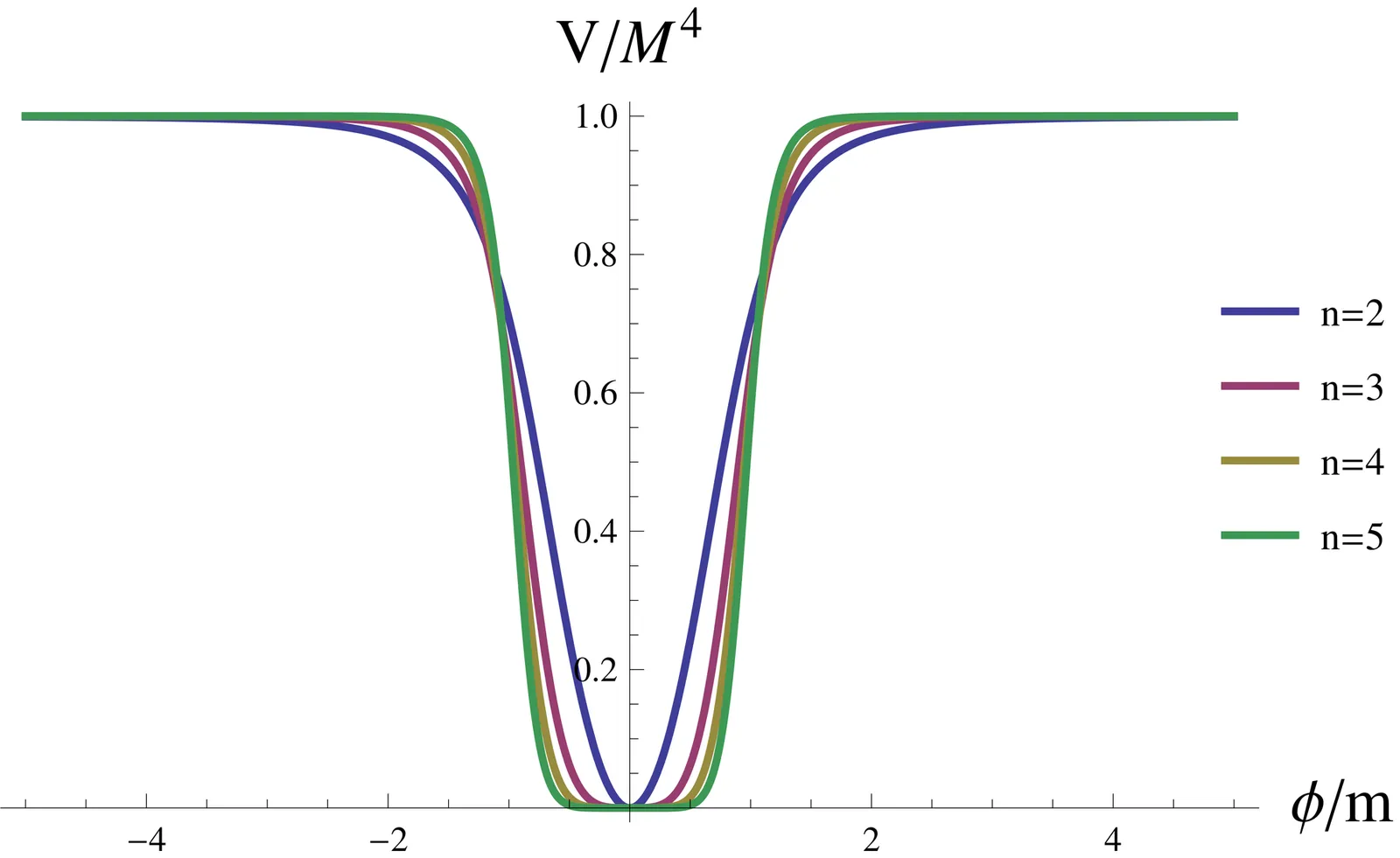
Inflation with the standard and Randall-Sundrum model in the Two-time Physics
We propose a scalar inflationary potential as $V(φ)=M^4φ^{2n-2}(φ^{2n}+m^{2n})^{1/n-1}$. This potetial similar to the shaft inflation one. The potential may come from the Higgs-dilaton potential in the Two-time (2T) physics, especially in the case where $n=3$, this suggests an explanation for the inflationary potential. Therefore, we call it shaft-warm inflation potential for short. The slow-roll scenario is recomputed in the 4-dimension (4D) and Randall-Sundrum II (RSII) frameworks. The tensor-to-scalar ratio in RSII is always higher than in 4D and is in good agreement with the experimental data of BICEP2 and Planck. When compared with Planck data we estimate $M_5$ to be around $[1-2]\times 10^{16}$ GeV. Furthermore, the potential allows much lower scalar field exponents than other potentials, which results in high agreement with experimental data.
2603.15172
Mar 2026High Energy Physics - Phenomenology
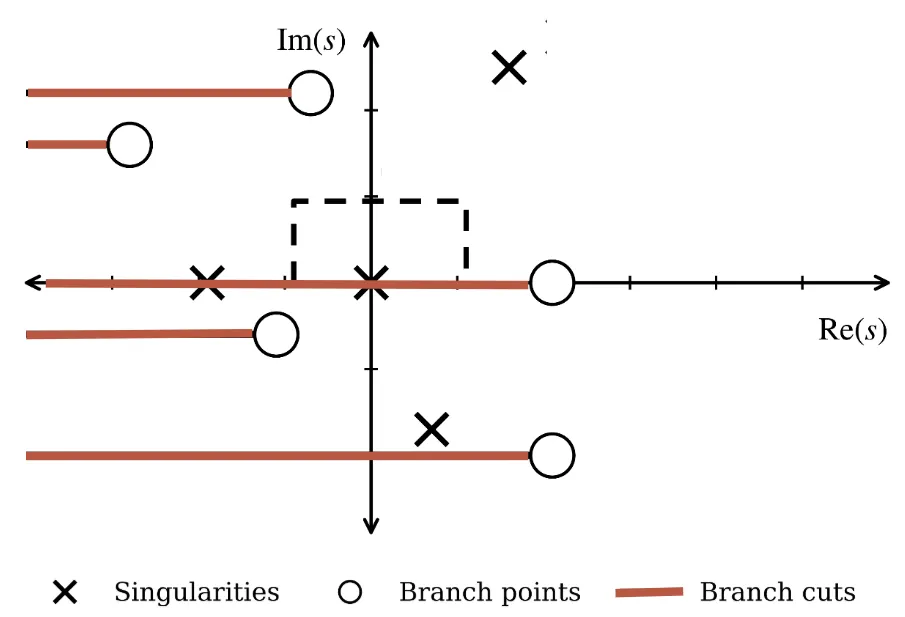
Evaluation of Feynman integrals via numerical integration of differential equations
We revisit the idea of numerically integrating the differential form of Feynman integrals. With a novel approach for the treatment of branch cuts, we develop an integrator capable of evaluating a basis of master integrals in double and quadruple precision, with significantly smaller run times than other tools. This opens the door to evaluating higher complexity Feynman integrals on the fly in Monte Carlo generators, and enables a cheaper and easy to parallelise generation of grids for the topologies with prohibitive computational times. To show its performance, we test one- and two-loop integral families, achieving evaluation times in double precision of milliseconds and hundreds of milliseconds, respectively. We comment on the results and suggest room for improvement.
2603.05336
Mar 2026High Energy Physics - Phenomenology
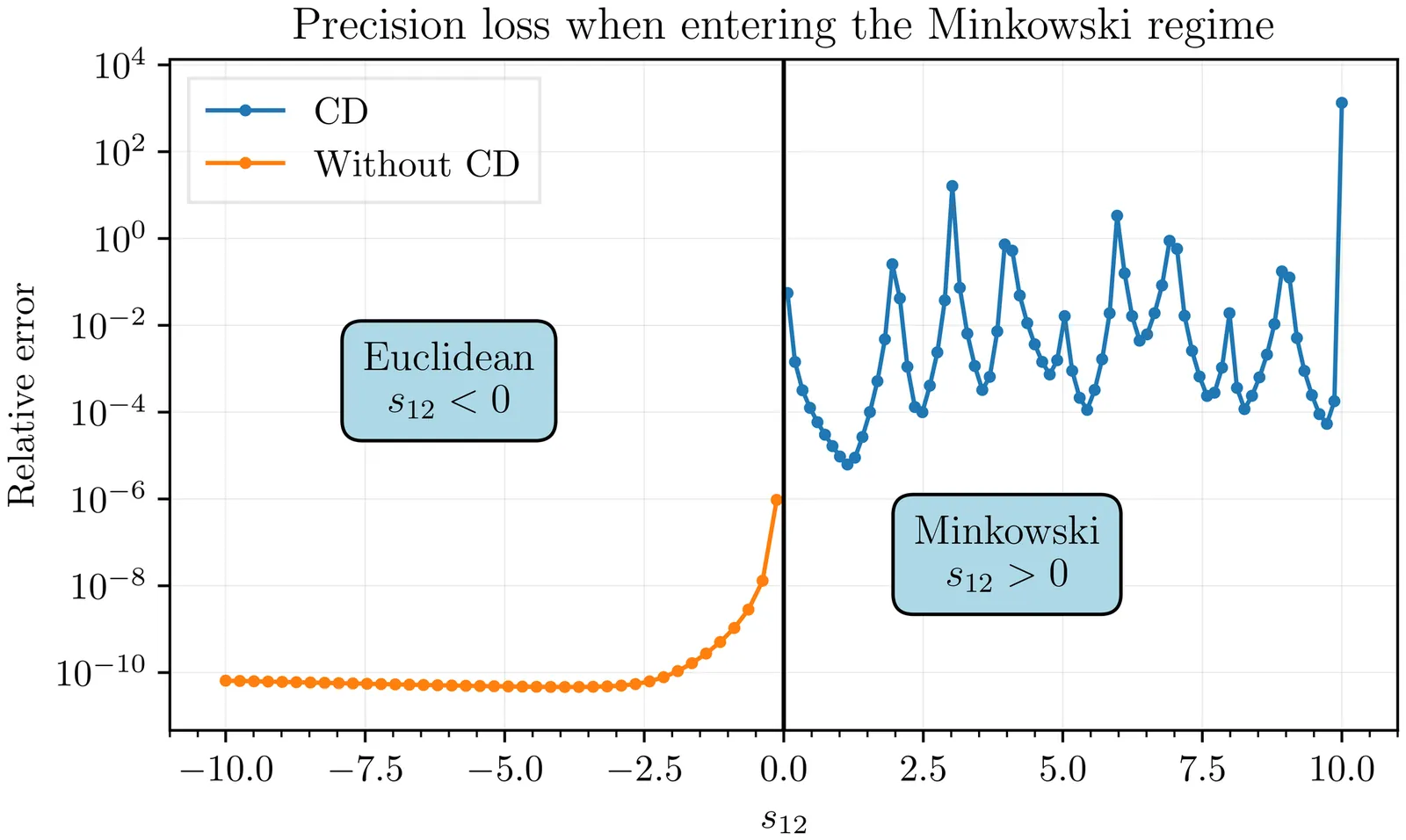
Accelerating Feynman Integral Evaluation by Avoiding Contour Deformation
We describe our method for rewriting dimensionally regulated Feynman parameter integrals in the Minkowski regime as a sum of real, positive integrands multiplied by complex prefactors. This representation eliminates the need for a contour deformation, which is one of the main computational bottlenecks in numerical integration. We demonstrate clearly how the method works on two examples, and benchmark the performance against contour deformation as implemented in pySecDec, where we observe performance gains of up to several orders of magnitude. We describe an improvement in the resolution procedure using the Generic Cylindrical Algebraic Decomposition algorithm, which generalises our method to any Feynman integral, including those with massive propagators.
2603.05444
Mar 2026High Energy Physics - Phenomenology
2601.19982FORM Version 5.0
We present FORM 5, a major release of the symbolic-manipulation system FORM. Version 5 introduces an integrated diagram generator, based on the GRACE graph-generator, to produce Feynman diagrams directly from FORM scripts. This release also adds support for arbitrary precision floating point coefficients, together with statements for the numerical evaluation of common mathematical functions as well as multiple zeta values and Euler sums. In addition, FORM 5 provides an interface to the FLINT library, offering substantially faster polynomial arithmetic. Various further functions and commands have been added alongside these major features, as well as performance improvements for TFORM and improved compression of FORM's temporary files. Compatibility with the previous release, FORM 4.3.1, is retained except where prior behaviour contradicted the manual or was experimental.
2601.19982
Jan 2026High Energy Physics - Phenomenology
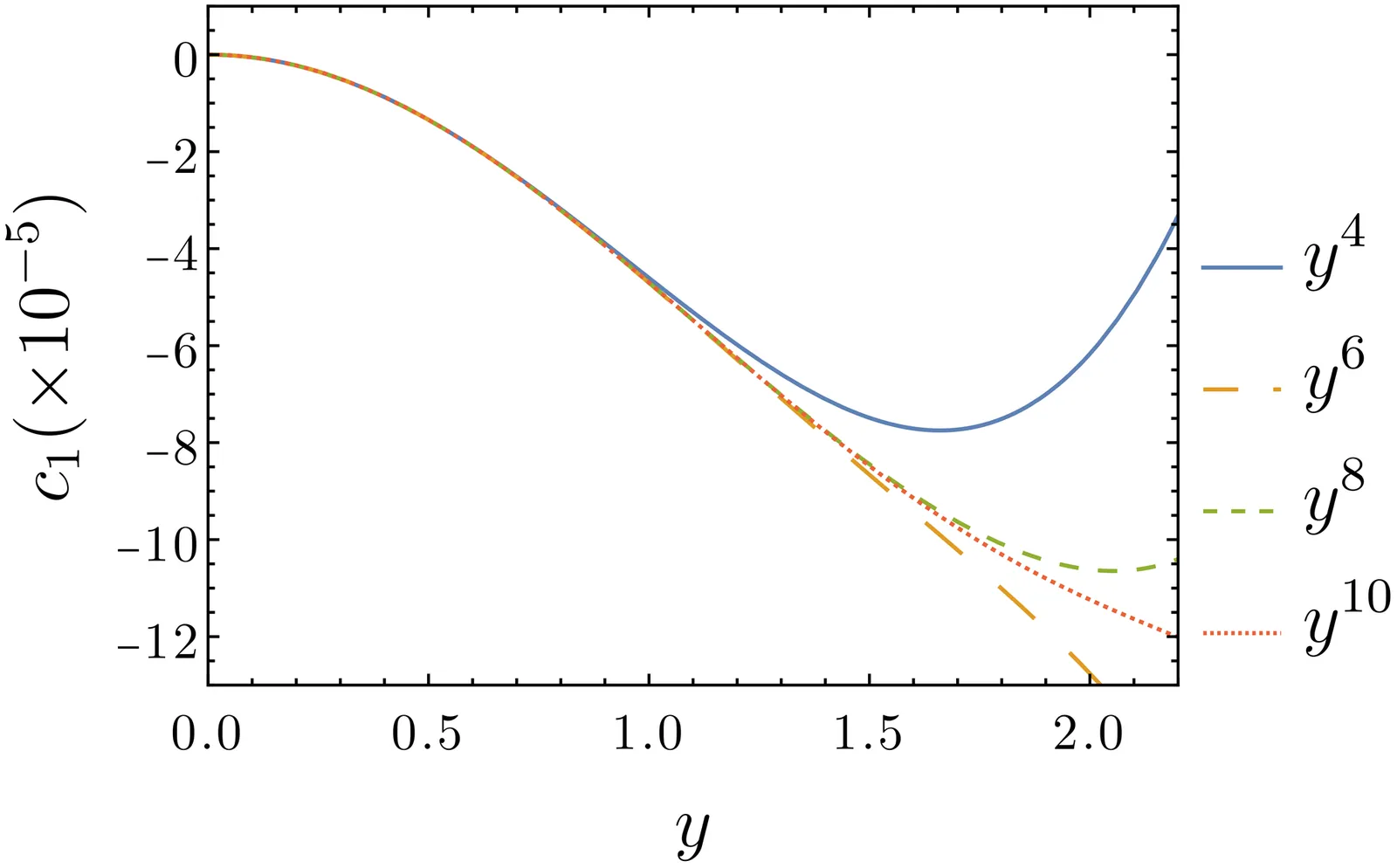
Thermoskyrmions
Skyrmions are stable and topologically non-trivial field configurations that behave like localized particles. They appear in the chiral effective theory for pions, where they correspond to the baryon states, and might also exist in the electroweak theory, in the presence of certain effective interactions. In this paper, focusing on toy models that capture different limits of the electroweak sector of the Standard Model (SM), we show that skyrmions not classically stable at zero temperature can be stabilized by thermal effects. This result motivates the study of skyrmions in the quantum effective action of the SM, potentially implying the existence of dark matter without new physics.
2601.18873
Jan 2026High Energy Physics - Phenomenology
Dominant Thermal Resonant Mechanism for Low-Scale Leptogenesis
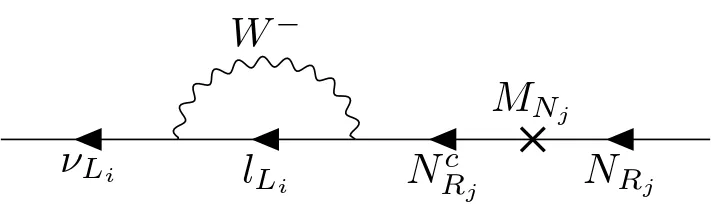
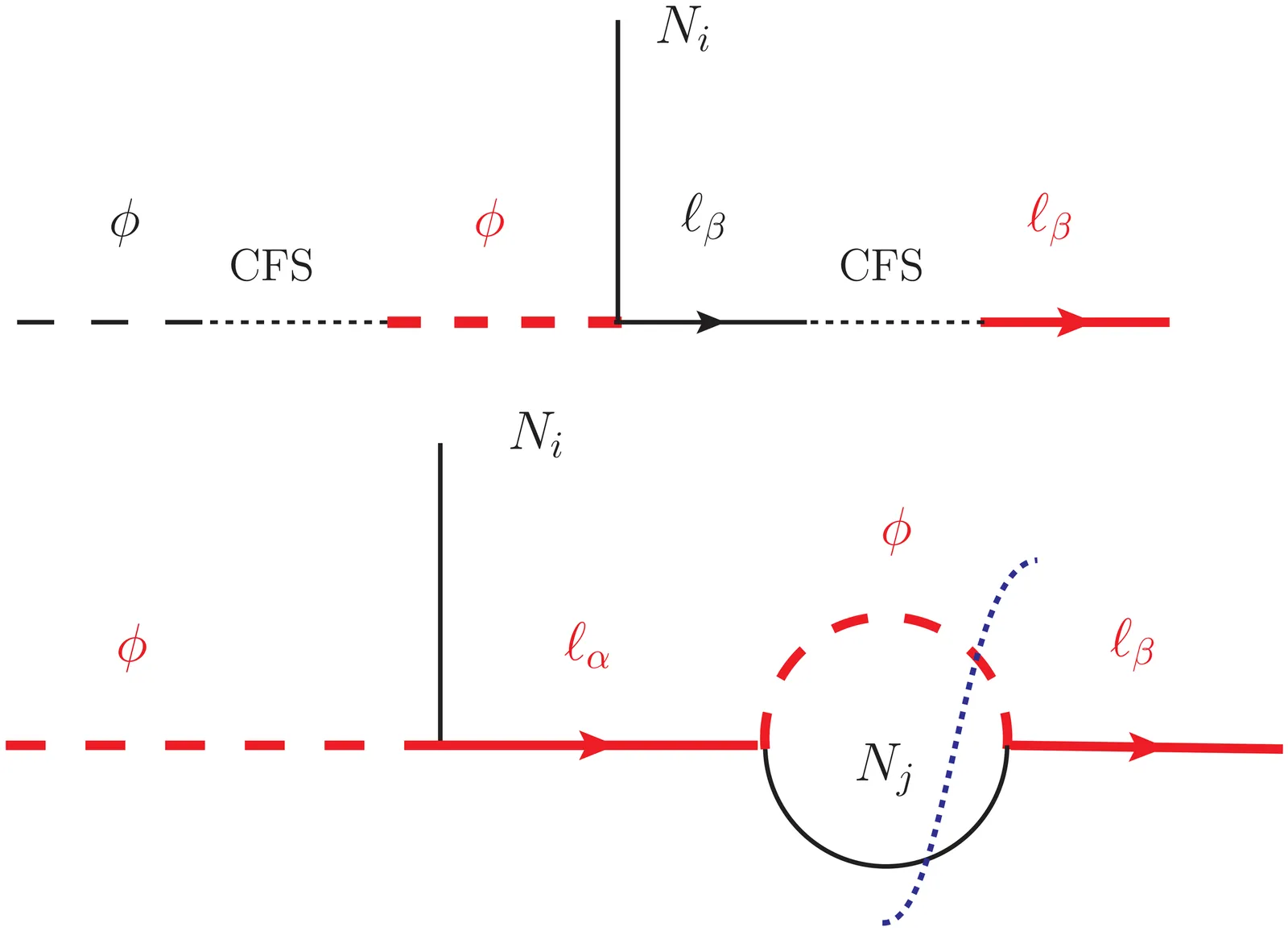
We explicitly demonstrate the importance of a new thermal resonant channel in the context of low-scale leptogenesis, which goes beyond the well-known mixing and oscillation of massive singlet neutrinos. This new channel is always present when considering the thermally-induced Higgs decay to leptons and relativistic sterile neutrinos, and can become dominant thanks to thermally-generated lepton-doublet flavour oscillations. This mechanism can yield the observed baryon asymmetry in our universe, even if there is no resonant enhancement from quasi-degenerate sterile neutrinos. The required active-to-sterile neutrino mixing differs from the other two low-scale leptogenesis channels and can be probed in fixed-target and long-lived particle experiments, and by displaced vertex searches at high-energy colliders.
2601.15921
Jan 2026High Energy Physics - Phenomenology
Qubits and Vacuum Amplitudes
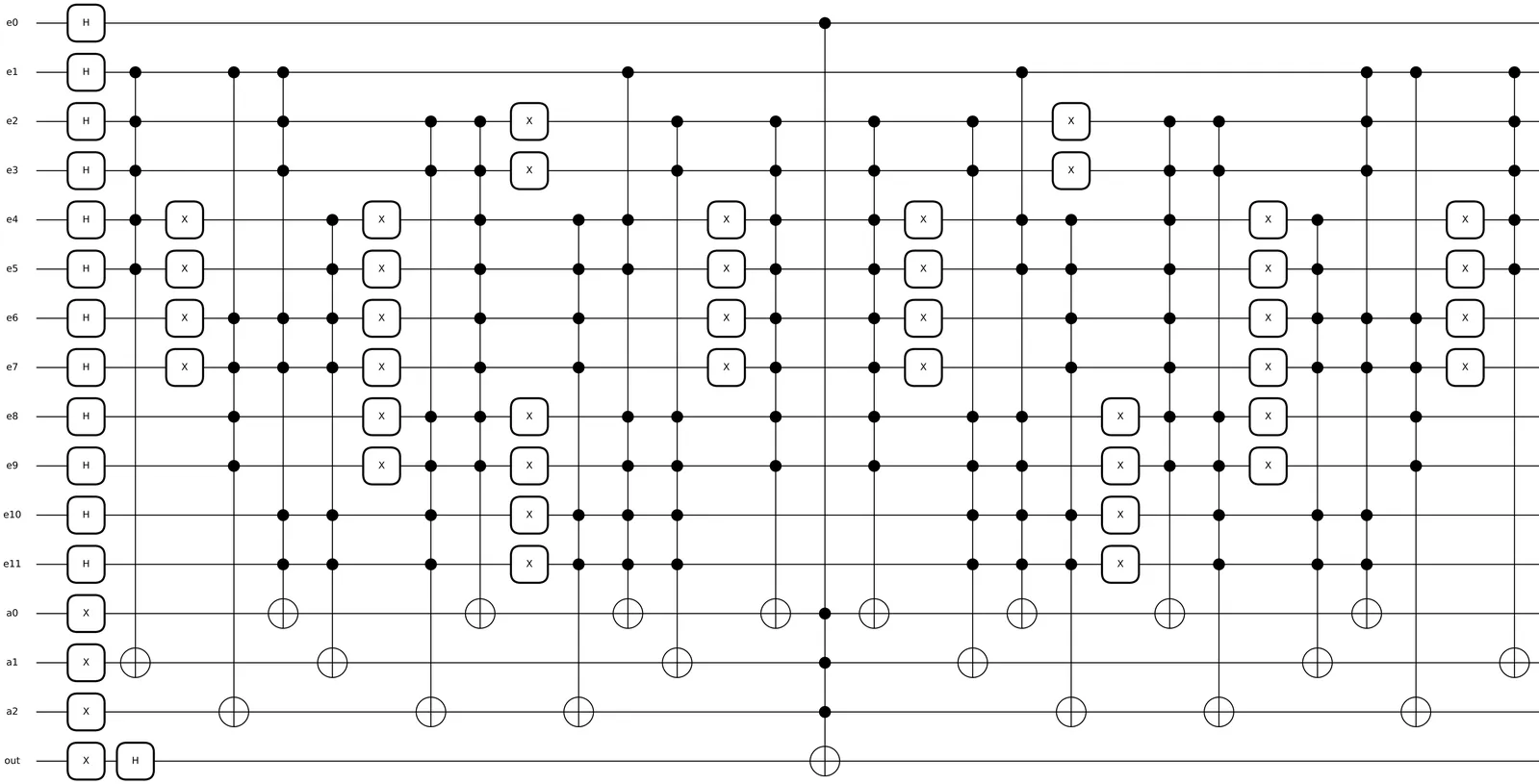
High-energy colliders, such as the Large Hadron Collider (LHC) at CERN, are genuine quantum machines, so, in line with Richard Feynman's original motivation for Quantum Computing, the scattering processes that take place there are natural candidates to be simulated on a quantum system. Potential applications range from quantum machine learning methods for collider data analysis, to faster and more precise evaluations of intricate multiloop Feynman diagrams, more efficient jet clustering, improved simulations of parton showers, and many other tasks. In this work, the focus will be on two specific applications: first, the identification of the causal structure of multiloop vacuum amplitudes, a key ingredient of the Loop-Tree Duality and an area with deep connections to graph theory; and second, the integration and sampling of high-dimensional functions. The latter constitutes a first step toward the realization of a fully fledged quantum event generator operating at high perturbative orders.
2601.00722
Jan 2026High Energy Physics - Phenomenology

Sommerfeld Enhancement from Background Force and the Galactic Center GeV Excess
We study the impact of background-induced forces on dark matter (DM) annihilation and their implications for indirect detection. In the presence of a finite number density of background particles, loop-level interactions can generate an effective force that is significantly enhanced relative to the vacuum case. We construct a two-component DM model in which the dominant component is a fermionic particle $χ$ and the subdominant component is an ultralight pseudoscalar particle $φ$. The annihilation of $χ$ proceeds through the p-wave channel and produces gamma-ray emission. The finite density of $φ$ particles induces a background-enhanced force between $χ$ particles, leading to a sizable Sommerfeld enhancement of the annihilation. We show that a viable region of parameter space in this model can account for the gamma-ray excess observed in the Galactic Center using Fermi-LAT data. The background-induced force substantially amplifies the Sommerfeld enhancement and thus enlarges the parameter space capable of explaining the excess, highlighting the importance of background effects in astrophysical environments.
2512.24188
Dec 2025High Energy Physics - Phenomenology

Cosmic Ray Simulation with PYTHIA
We present recent developments in PYTHIA for the modelling of hadronic cascades in a medium. Several improvements have been made in the Angantyr model for collisions with nuclei, especially in the limit of low collision energies, allowing it to be used throughout the hadronic cascades. Also the simplified nuclear model in the PythiaCascade} module has been updated. We find that the two models give consistent results for cosmic ray air showers initiated by both high energy protons and nuclei.
2512.13326
Dec 2025High Energy Physics - Phenomenology
2512.02673Chen Ning Yang Retrospective
Chen-Ning Yang made important contributions to the theory of solvable models in statistical mechanics, including generalizations of the Bethe Ansatz, magnetization in the Ising model, the Lee-Yang circle theorem, and the Yang-Baxter equation. Most famously, Yang made transformative contributions to the current Standard Model of elementary particle interactions. The proposal of Yang and T. D. Lee, that left-right symetry (parity) is violated in weak particle decays, established that the primary currents involved in weak interactions are left handed. The work of Yang and R. L. Mills gave a framework for force carriers coupling to these currents that are non-Abelian generalizations of the electromagnetic photon, which unlike the electrically neutral photon, carry ``charges'' to which they self-couple . Two decades of work by others on quantization and mass-generation mechanisms then culminated in the Standard Model.
2512.02673
Dec 2025High Energy Physics - Phenomenology
Resonant Annihilation of WIMP Dark Matter for Halo Gamma Ray Signal
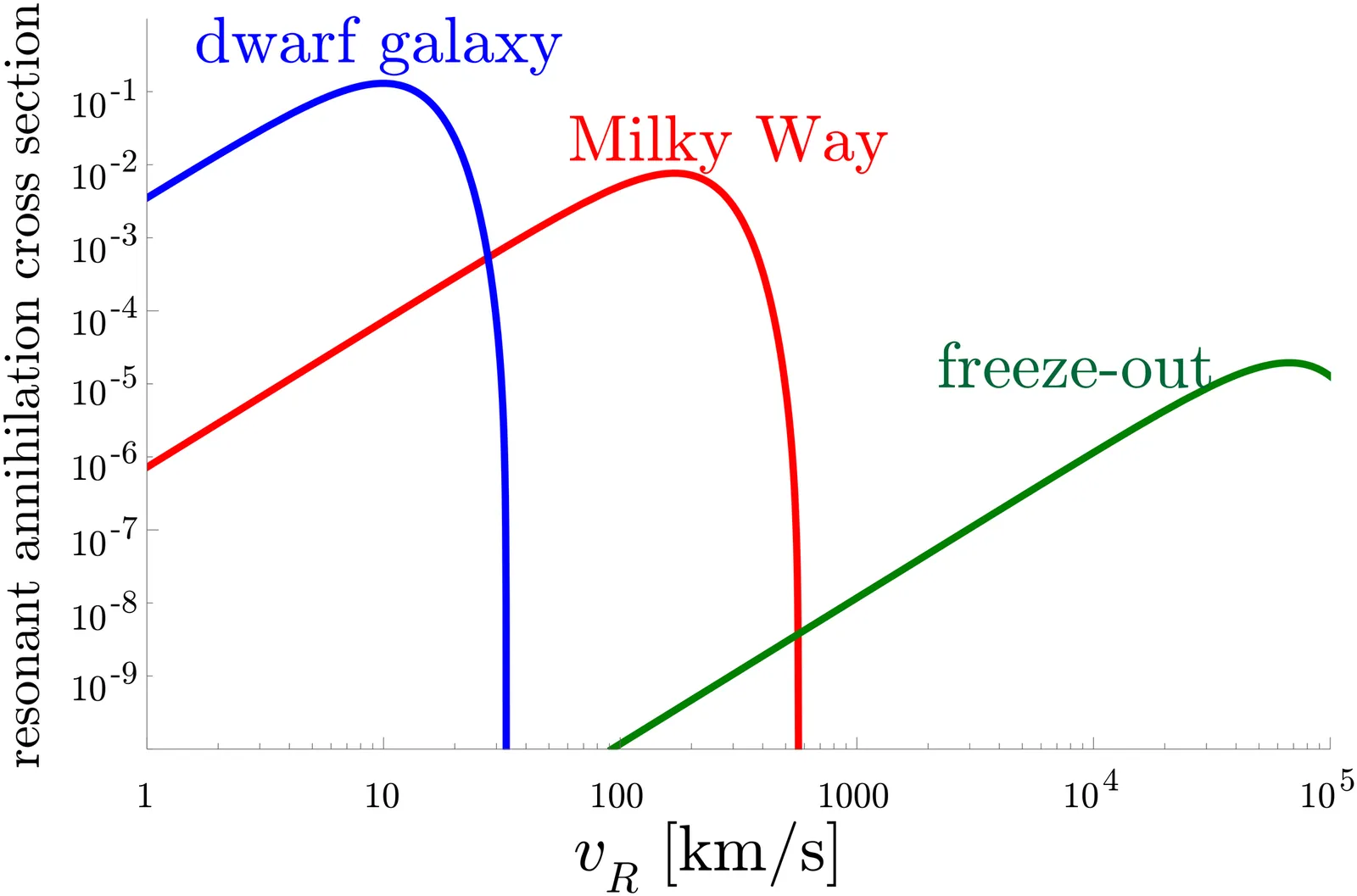
We propose a resonant annihilation as a way to reconcile the WIMP annihilation cross sections in a recently reported gamma ray signal from the Milky Way halo with that for the freeze-out and the upper limit from dwarf galaxies. We perform a simple model-independent analysis based on this hypothesis and determine the required parameters. We also present a simple particle-physics model that can accommodate them.
2512.014042
Dec 2025High Energy Physics - Phenomenology
2512.01961Towards Precision Gluon Densities at Small $x$: From Resummation to Collider Observables
Accurate gluon densities at small $x$ are essential for reducing theoretical uncertainties in collider predictions, yet remain one of the least constrained ingredients in global analyses. We report recent advances in the resummation of small-$x$ logarithms in the gluon sector, focusing on collinear distributions and their interplay with transverse-momentum-dependent formulations. Particular attention is paid to the impact of gluon-proton spin correlations and to the emergence of unintegrated gluon densities derived from resummed dynamics. These developments aim to fill the current precision gap in the small-$x$ region and enable robust applications to LHC and future-collider observables.
2512.01961
Dec 2025High Energy Physics - Phenomenology
Two-loop all-plus helicity amplitudes for self-dual Higgs boson with gluons via unitarity cut constraints
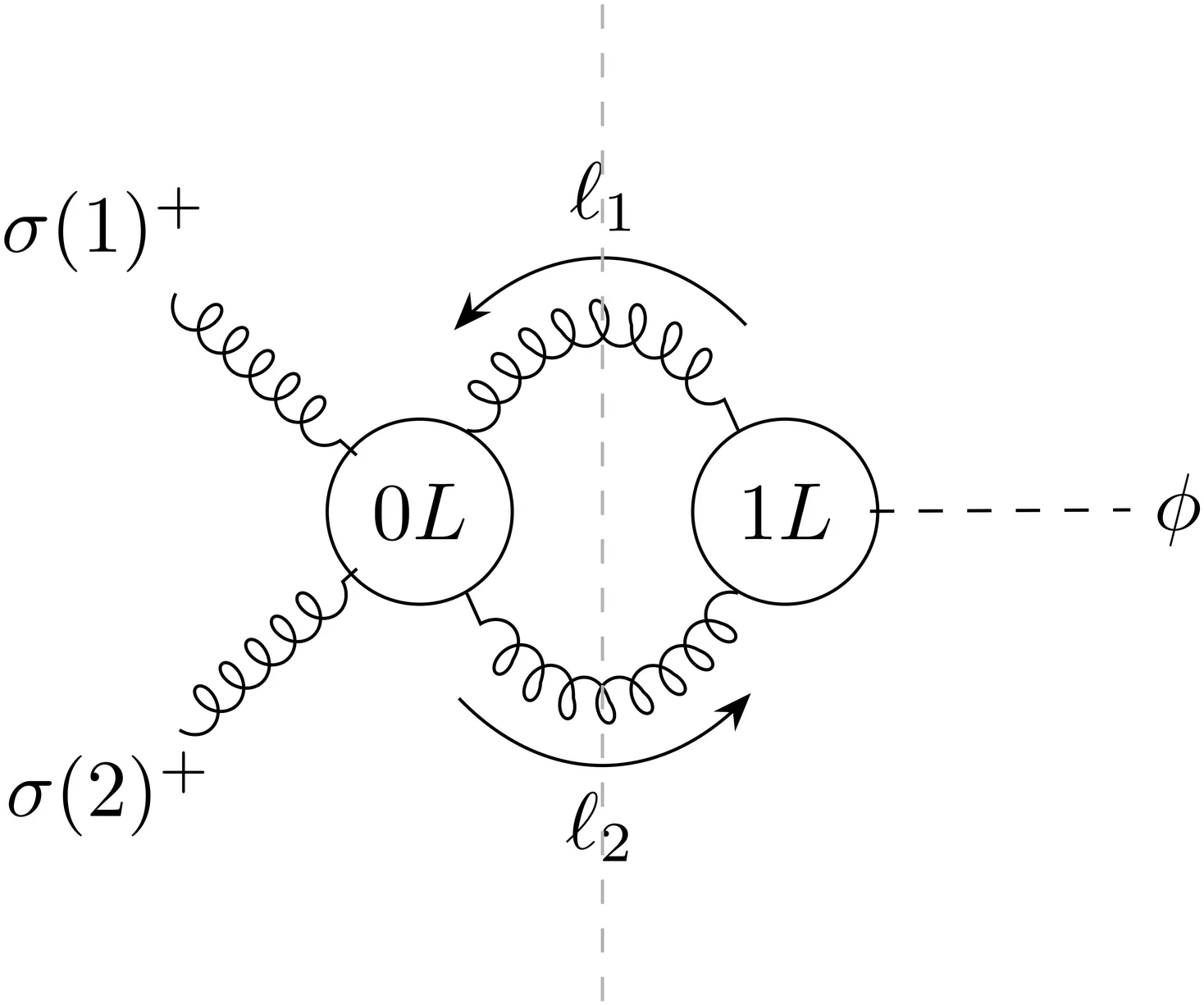
We present the two-loop amplitudes for a self-dual Higgs boson with up to four positive helicity gluons in the heavy top-quark limit. Because the tree amplitudes in the all-plus sector vanish, we can construct simple representations of the polylogarithmic parts of the two-loop amplitudes using four-dimensional unitarity cuts into rational one-loop and tree amplitudes. The remaining rational function ambiguity is extracted from a tensor integral reduction over finite fields. The final expressions are presented using polylogarithms up to weight two and compact rational functions of spinor-helicity products.
2511.11537
Nov 2025High Energy Physics - Phenomenology
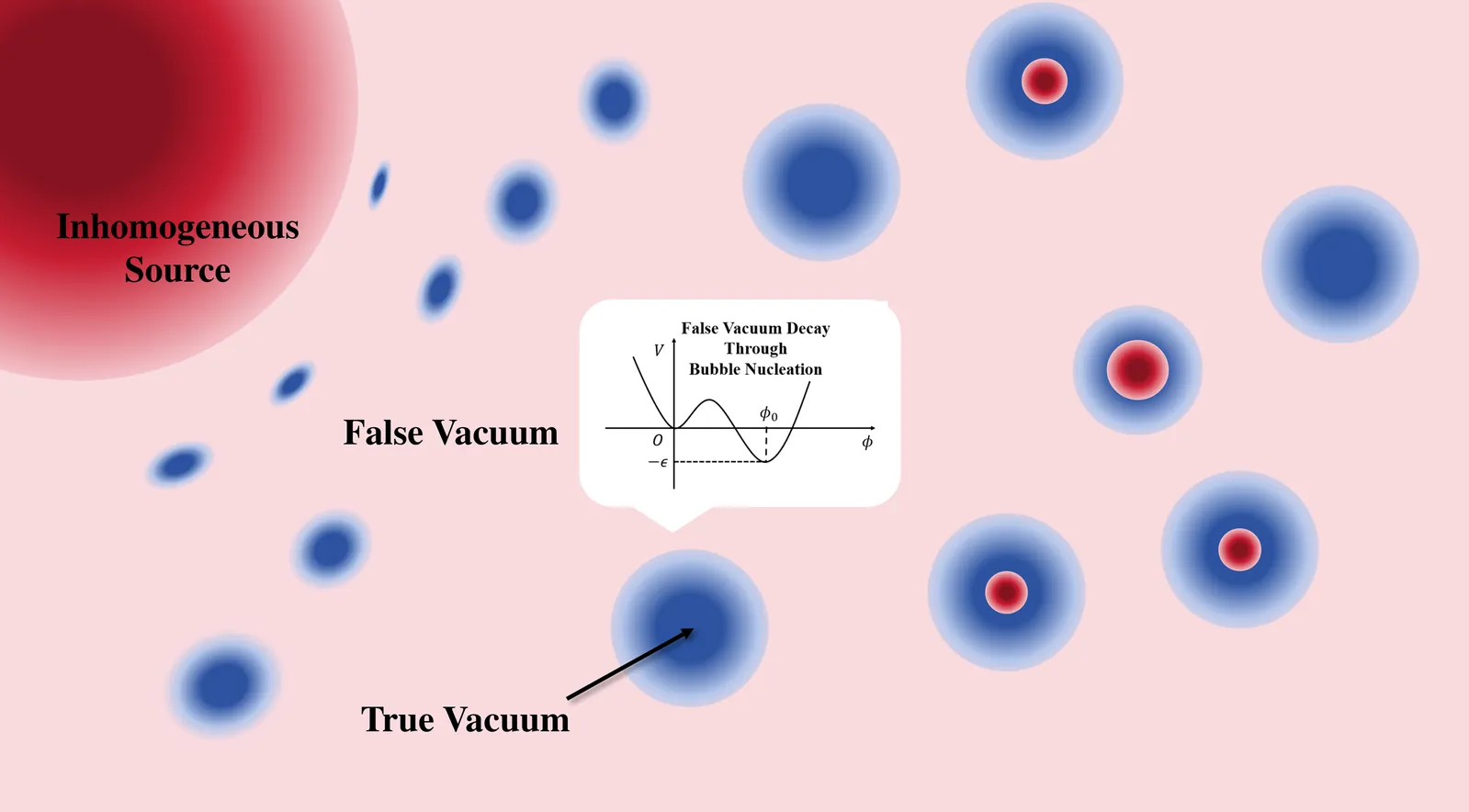
Effects of Early-Universe Inhomogeneity on Bubble Formation: Primordial Black Holes as an Extreme Case
Our early Universe is not perfectly homogeneous and it may contain some inhomogeneous sources, which might distort the local spacetime and modify the bubble nucleation rate. Taking the primordial black hole as an extreme example, we investigate the bubble nucleation rate of a first-order phase transition in the vicinity of primordial black holes or other primordial gravitational sources. Our analysis reveals that the presence of primordial black holes can reduce the effective action and might modify the nucleation rate due to their gravitational effects, potentially altering the dynamics of the phase transition in the early universe and producing new gravitational wave signals since the gravitational effects of the primordial black hole or other possible inhomogeneous sources could lead to nucleation of non-spherical symmetric bubbles.
2511.11408
Nov 2025High Energy Physics - Phenomenology
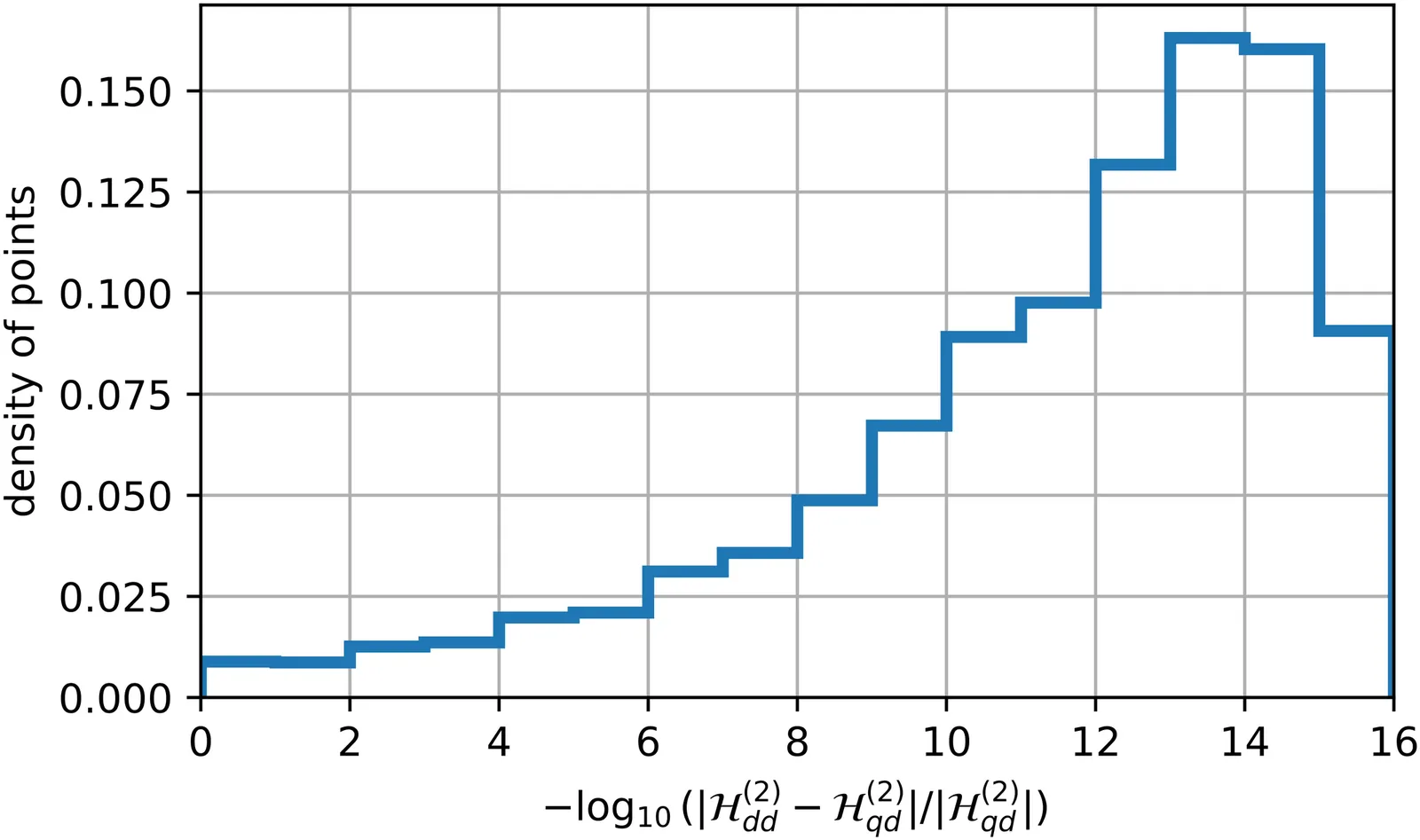
Double virtual QCD corrections to $t\bar{t}+$jet production at the LHC
We present a leading colour computation of the double virtual contributions to top-quark pair production in association with a jet at a hadron collider at next-to-next-to-leading order in QCD. The finite remainders of the two-loop amplitudes, after subtraction of infrared and ultraviolet divergences, are extracted analytically from evaluations over finite fields by using a (potentially) overcomplete basis of special functions defined through their differential equations. We construct the colour- and spin-summed interference with the tree-level amplitudes and present a \texttt{C++} library suitable for immediate use in phenomenological studies. We present new techniques for the evaluation of the special functions through direct numerical integration of differential equations which perform well across the full physical phase space.
2511.114243
Nov 2025High Energy Physics - Phenomenology