111 papers
Proton Temperature Anisotropy Across Interplanetary Shocks: A Statistical Analysis with WIND observations
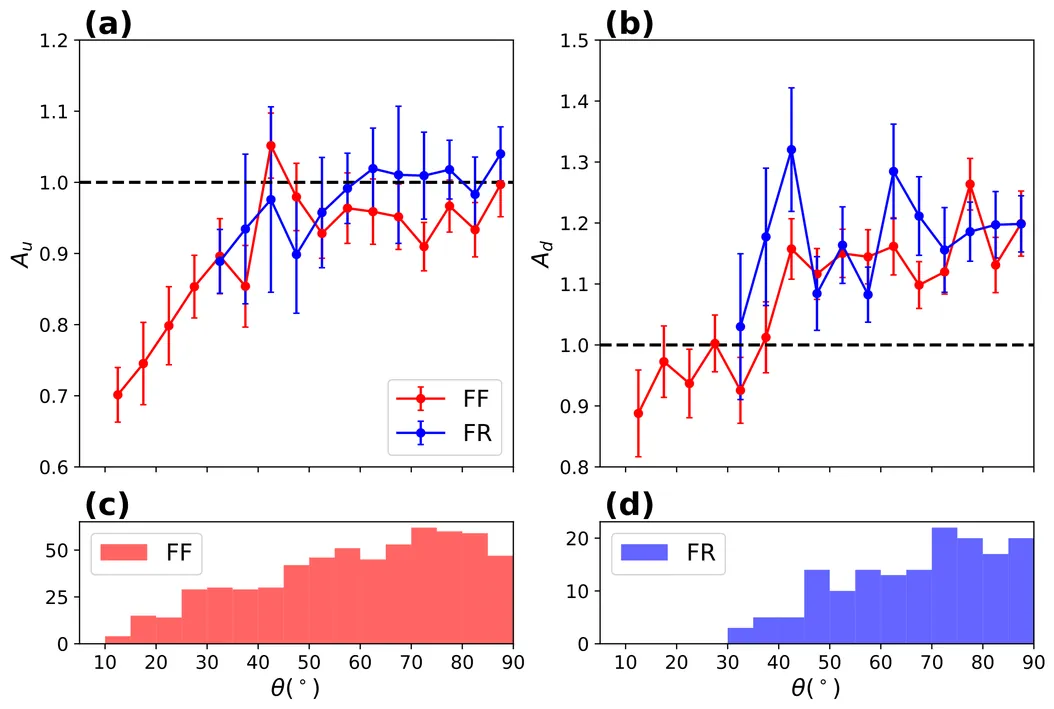
Interplanetary (IP) shocks efficiently modify the proton temperature anisotropy of the solar wind. Analyzing ~800 IP shocks observed by the Wind spacecraft from 1997-2024, we present a statistical study of upstream and downstream proton temperature anisotropy and its dependence on shock geometry, compression, and distance from the shock. We find that (1) quasi-perpendicular shocks produce a pronounced enhancement of perpendicular temperature downstream (Tperp > Tpara), whereas parallel shocks remain near isotropic downstream due to typically stronger upstream Tpara; (2) comparisons with the Chew-Goldberger-Low (CGL) double-adiabatic model reveal geometry-dependent deviations. CGL overestimates downstream perpendicular heating and underestimates parallel heating at quasi-perpendicular shocks, with the opposite trend at quasi-parallel shocks, highlighting the importance of non-adiabatic processes beyond simple compression; (3) Shock-driven anisotropy is strongly localized near the shock and gradually relaxes toward typical solar wind conditions farther downstream as the shock's influence diminishes; and (4) downstream anisotropy is regulated by kinetic instabilities, with quasi-perpendicular shocks constrained by proton cyclotron and mirror instabilities and quasi-parallel shocks limited by the parallel firehose instability. Together, these results show that the evolution of temperature anisotropy at interplanetary shocks is controlled by shock geometry, localized processes, and instability driven regulation.
2604.02452Apr 2026
View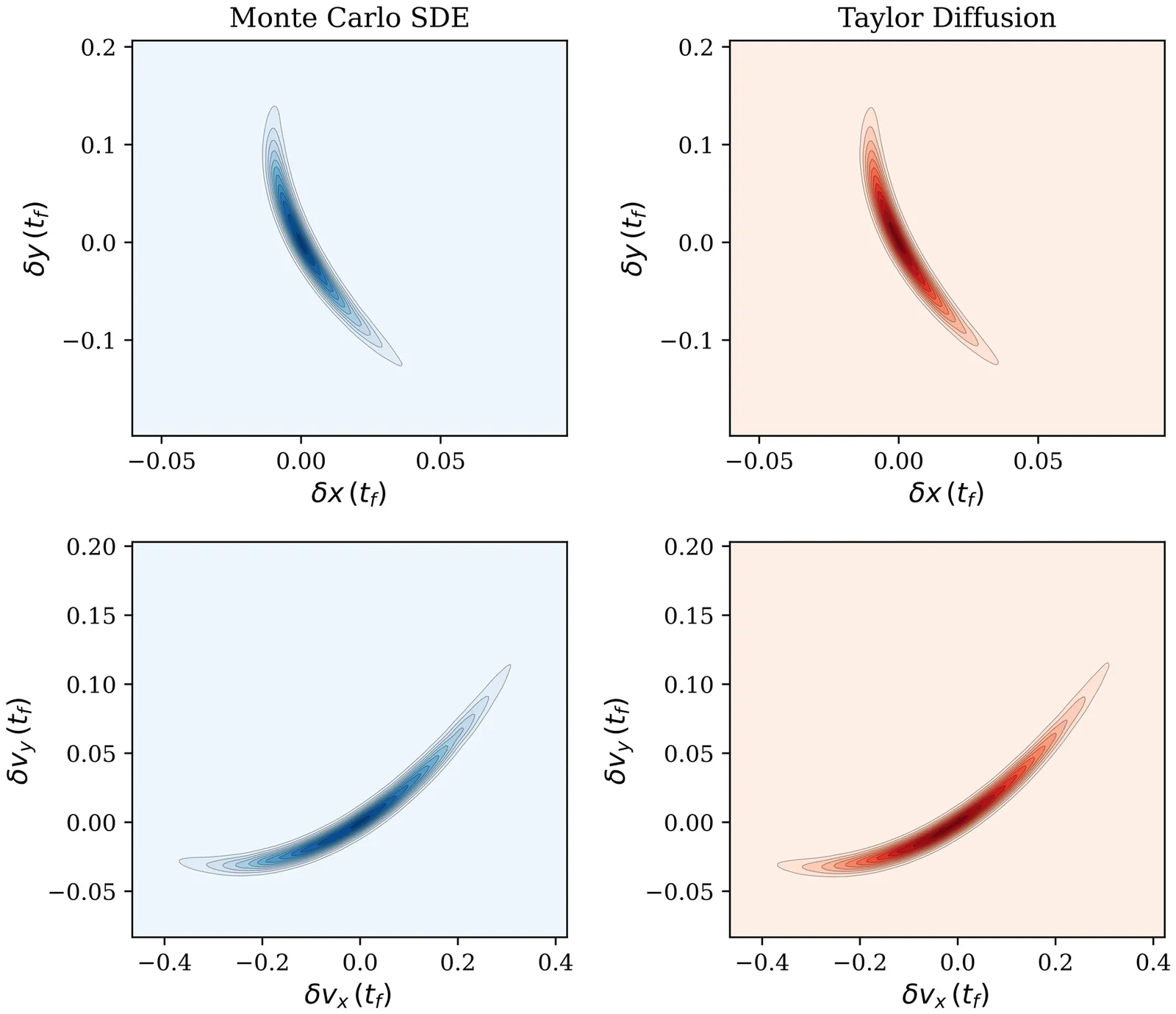
Closed-Form Solutions to the Fokker-Planck Equation for Orbital Uncertainty Propagation
Non-Gaussian tails dominate collision probability estimates in conjunction assessment, yet capturing them without Monte Carlo sampling is challenging, especially when process noise is included. We present a closed-form, grid-free solution to the Fokker-Planck equation by proving that an exponential-of-quadratic-form ansatz is structurally preserved under advection and diffusion. The probability density function propagates via a compact ODE system, significantly cheaper than Monte Carlo and without spatial discretization. As an application, the method performs orbit uncertainty propagation under stochastic forcing representative of atmospheric drag. Results demonstrate the method faithfully captures non-Gaussian features, asymmetric tails, and stochastic broadening, matching a Monte Carlo benchmark.
2603.29388Mar 2026
View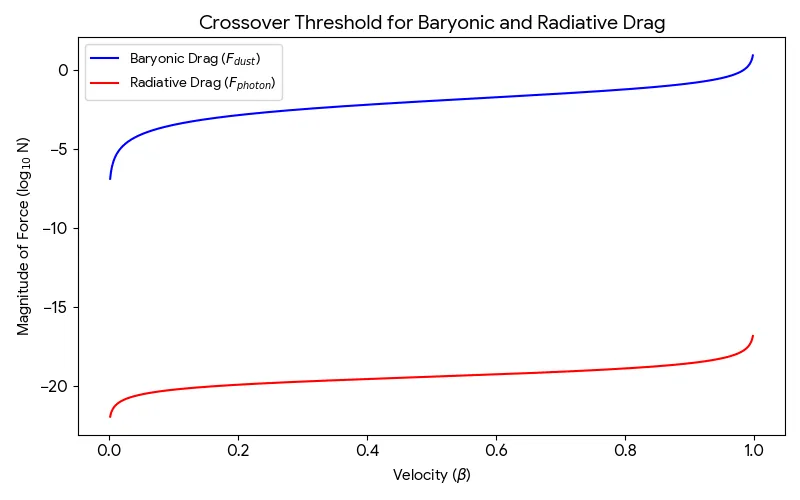
Analytical Scaling of Relativistic Drag in the Interstellar Medium
This paper develops an analytical framework for the retarding forces on macroscopic spherical probes travelling through the interstellar medium (ISM) at relativistic speeds (0.1c to 0.99c). Integrating the aberrated momentum flux of both baryonic and radiative fields yields scaling laws that expose what this work calls the Magnitude Paradox: relativistic inertia (gamma^3) keeps a probe's speed nearly constant across parsec-scale distances, yet the same gamma^2 boost to the effective baryonic cross-section drives extreme thermal loading on the hull -- a relativistic correction that becomes significant only above beta > 0.5c and was not quantified in prior work focused on the Starshot regime (beta approx. 0.2c). The central conclusion is that ISM drag is not a kinematic problem -- a probe will not be slowed to a stop -- but a thermodynamic one: the forward surface faces energy deposition rates that no passive material can survive. A closed-form crossover condition is also derived separating the baryonic- and radiative-dominated regimes, showing that for any macroscopic probe in the galactic disk, total radiative drag is negligible by many orders of magnitude.
2604.00041Mar 2026
View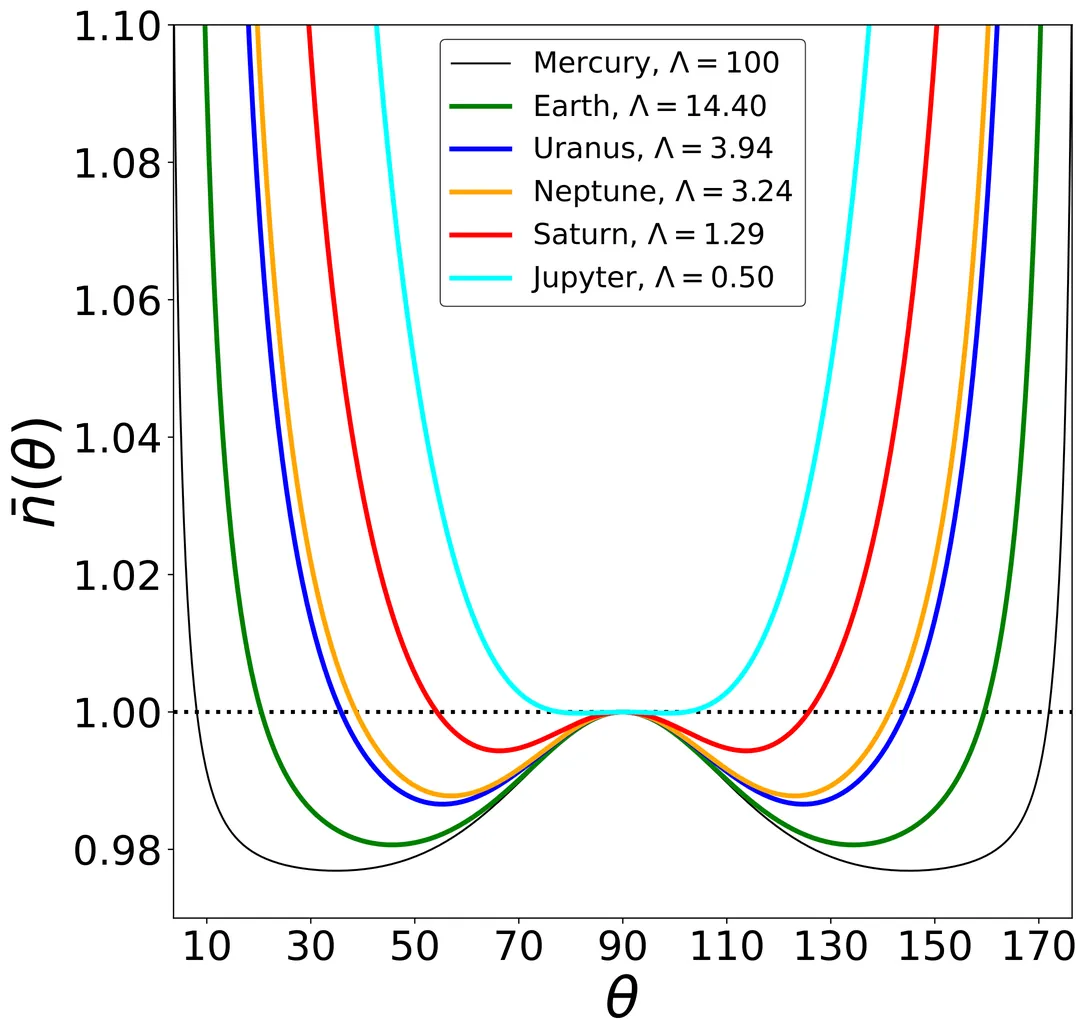
Non-thermal plasma density redistribution in planetary magnetospheres due to ion-cyclotron waves
Planetary magnetospheres exhibit diverse environments where Ultra-low frequency (ULF) pulsations induce nonlinear ponderomotive effects. Since suprathermal populations modeled by Kappa distributions are ubiquitous in these regions, their significant influence on the ponderomotive force (PF) induced by electromagnetic ion cyclotron (EMIC) waves must be accounted for. We investigate field-aligned plasma density redistribution driven by the PF of traveling EMIC waves across different planetary magnetospheres. We apply a generalized slow-time-scale force balance equation to model stationary density solutions in low-beta plasmas ($β\ll 1$) with isotropic Kappa distributions. To enable systematic comparison, wave modulation is described using the WKB approximation in a dipole magnetic field, neglecting first-order curvature effects. The plasma response varies significantly with magnetospheric parameters: decreasing the kappa parameter and increasing plasma beta counteract plasma accumulation towards the equator. In low-beta environments, non-thermal effects substantially reduce the nonlinear response to short-period pulsations, though preserving the qualitative behavior of Maxwellian models. Furthermore, we characterize how the critical parameter governing the phase transition between equatorial density minima and maxima depends on the specific combination of plasma beta, kappa, and L-shell. Our study demonstrates that non-thermal plasma properties are a governing factor in field-aligned density redistribution driven by ULF waves, highlighting the necessity of incorporating them to accurately model ponderomotive phenomena across multifaceted planetary magnetospheres.
2603.26419Mar 2026
View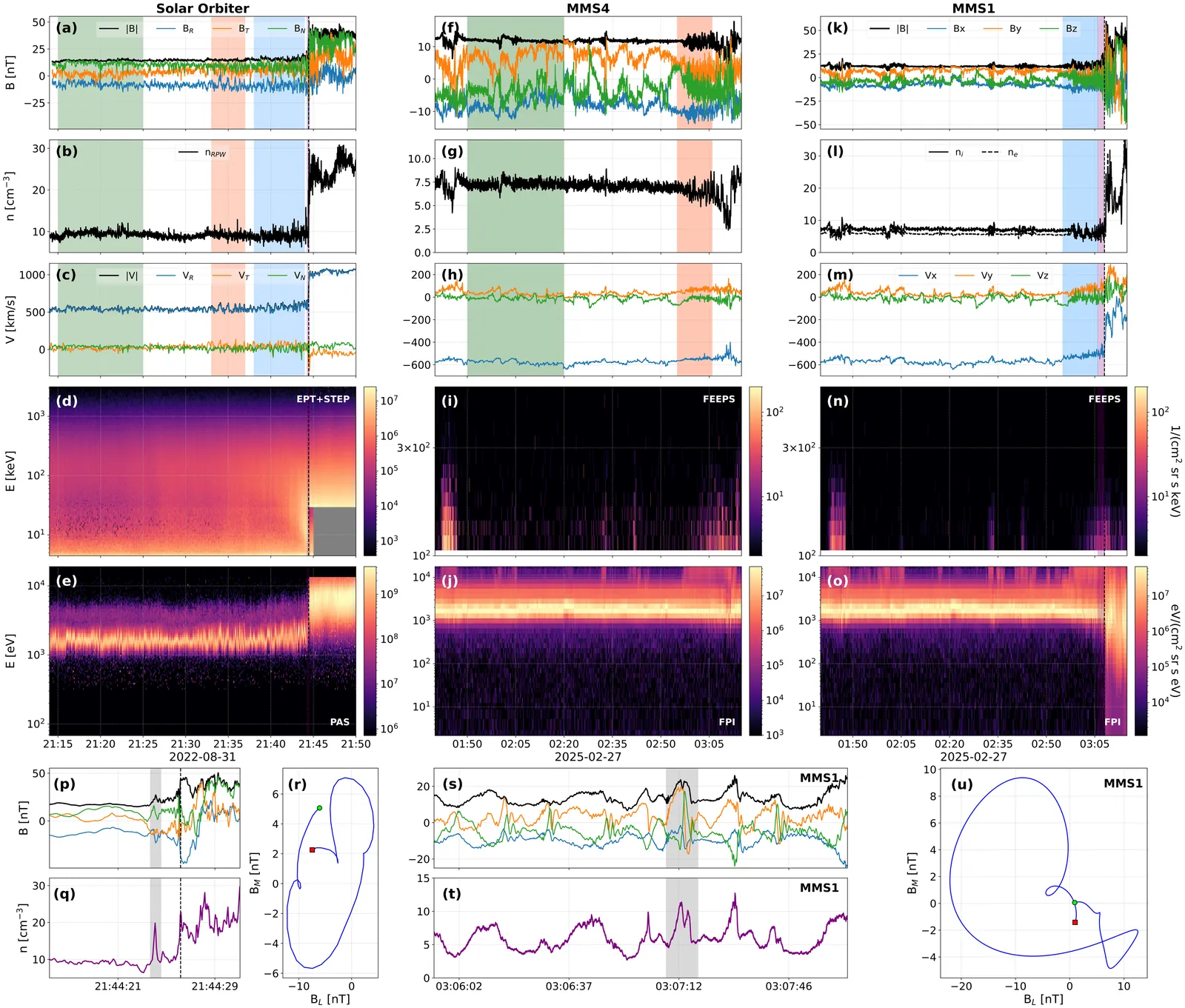
Compressive Structures in the Foreshock of Collisionless Shocks
Collisionless shocks are fundamental accelerators of energetic particles; yet, the observations of nonlinear foreshock structures, which are essential in acceleration processes, differ significantly between Interplanetary (IP) shocks and planetary bow shocks. We present a direct comparison of two high-Mach-number, quasi-parallel shocks: an IP shock observed by Solar Orbiter and the Earth's bow shock measured by the Magnetospheric Multiscale (MMS) mission during the 2024-2025 ``string-of-pearls'' campaign. We show that Foreshock Compressive Structures (FCSs) initiate upstream of both shocks at similar normalized distances ($\lesssim$50 ion inertial lengths, $d_i$) when the suprathermal ($>10$ keV) ion density exceeds $\sim$1\% of the background. However, the IP shock lacks the fully evolved, high-amplitude Short Large Amplitude Magnetic Structures (SLAMS) characteristic of the terrestrial foreshock. We demonstrate that the ``growth zone'' capable of sustaining these structures is spatially limited ($\sim$135 $d_i$), which, due to the high speed of the propagating IP shock, corresponds to a brief observational window of $<10$ s. Beyond this observational constraint, we suggest an additional physical mechanism that can inhibit foreshock maturity at IP shocks. The lack of global curvature prevents the lateral supply (``cross-talk'') of energetic ions from different shock regions. These findings suggest that while the fundamental physics of FCS initiation is unified across collisionless shocks, the achievement of full nonlinearity can be regulated by the unique shock geometry and upstream properties, while ultimately remaining observationally challenging to identify.
2603.17882Mar 2026
View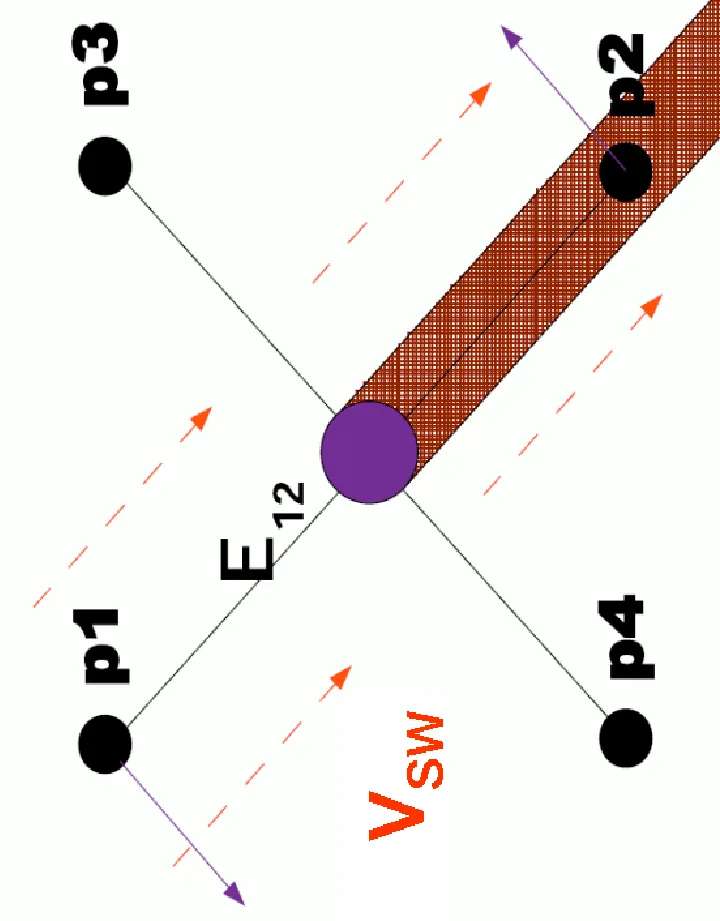
Spacecraft wakes in the solar wind
The solar wind flow creates a wake behind any spacecraft immersed in it. We study the properties of this wake using the spherical electrostatic probes of the Electric Fields and Waves (EFW) instruments on the Cluster satellites. The satellites spin in a plane inclined only a few degrees with respect to the ecliptic plane. The solar wind is often close to this plane, so each probe (44 m away from the spin axis) passes through the wake once every spin period (around 4 s), thereby sampling a cut of the wake electrostatic potential structure. The signature of the wake is clearly seen in the data as a pulse with an amplitude typically of a few tenths of a volt. We present statistics of the wake signatures as well as detailed examples, compare to solar wind parameters, and show a method to remove the wake signature from the electric field measurements.
2603.12860Mar 2026
View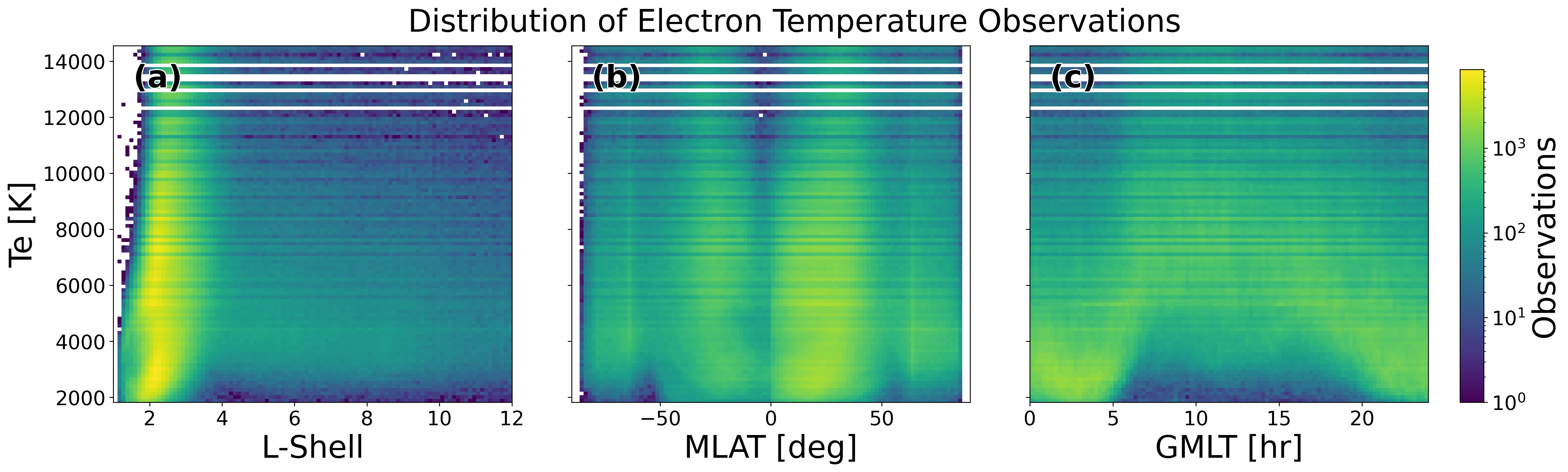
CLARE: Classification-based Regression for Electron Temperature Prediction
Electron temperature (Te) is an important parameter governing space weather in the upper atmosphere, but has historically been underexplored in the space weather machine learning literature. We present CLARE, a machine learning model for predicting electron temperature in the Earth's plasmasphere trained on AKEBONO (EXOS-D) satellite measurements as well as solar and geomagnetic indices. CLARE uses a classification-based regression architecture that transforms the continuous Te output space into 150 discrete classification intervals. Training the model on a classification task improves prediction accuracy by 6.46% relative compared to a traditional regression model while also outputting uncertainty estimation information on its predictions. On a held out test set from the AKEBONO data, the model's Te predictions achieve 69.67% accuracy within 10% of the ground truth and 46.17% on a known geomagnetic storm period from January 30th to February 7th, 1991. We show that machine learning can be used to produce high-accuracy Te models on publicly available data.
2603.12470Mar 2026
View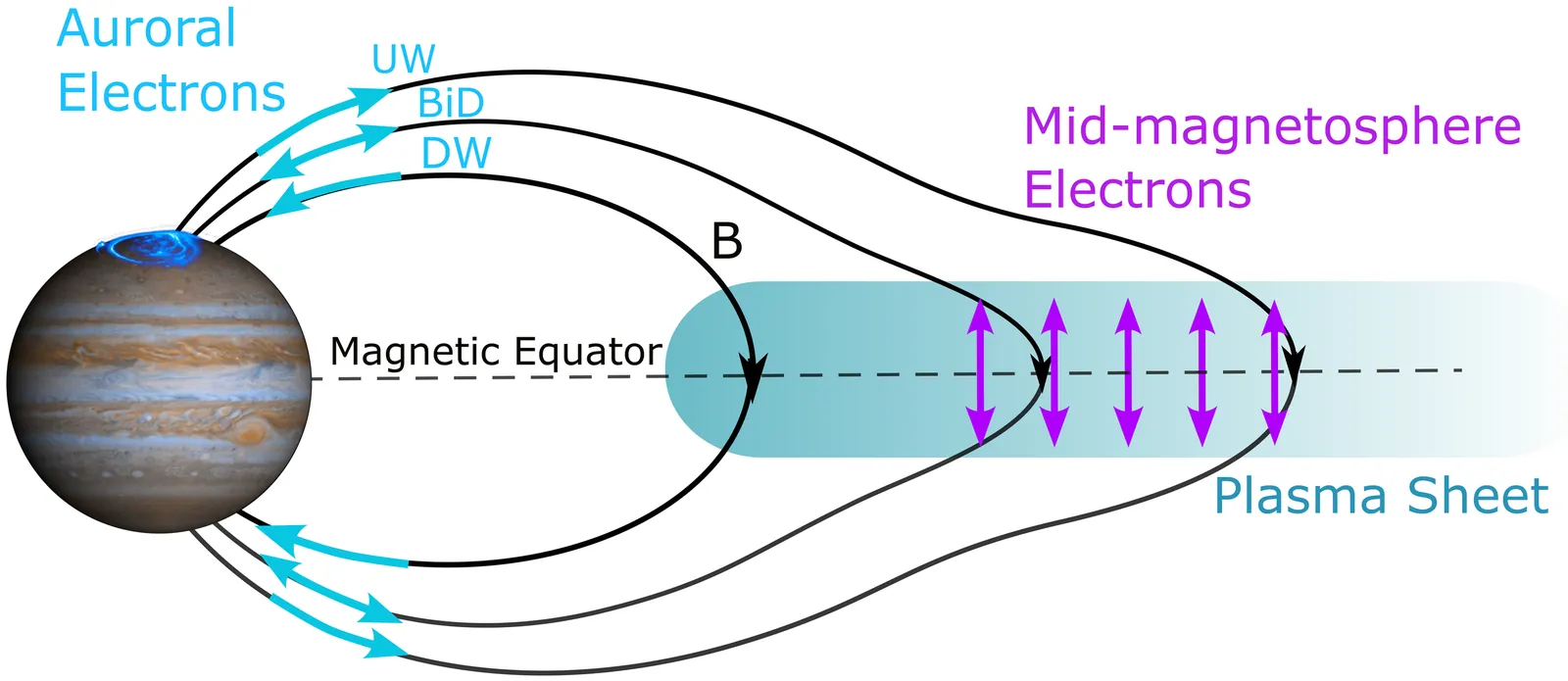
Auroral Acceleration Generates Electron Beams in Jupiter's Middle Magnetosphere
Observations made by the Juno spacecraft above Jupiter's polar regions have revealed that electrons accelerated toward Jupiter, which contribute to auroral emissions, are frequently accompanied by electrons accelerated away from Jupiter. These electrons should be observable as narrow electron beams in the middle magnetosphere, in accordance with the principles of adiabatic particle motion. The existence of such beams has been previously reported using data from the Galileo mission, and their relation to auroral processes has been hypothesized. In the present study, we analyze electrons measured by Juno's JEDI instrument in the middle magnetosphere between 13 RJ and 50.5 RJ radial distance and within energies of 30-1,200 keV. The pitch angle distributions of potential electron beams are fitted with an intensity 'beamness' function. The presence of narrow beams is demonstrated throughout the observation range. The energy fluxes of auroral and equatorial electron beams are compared by including pitch angle scattering processes along the magnetospheric field lines. This is achieved by solving the pitch angle diffusion equation for different sets of diffusion coefficients. The statistical occurrence distribution and the energy fluxes of the beams are consistent with auroral upward accelerated electrons observed in studies of the polar space environment. This finding provides further support for the hypothesis that the electron beams observed in the middle magnetosphere originate from the auroral acceleration region.
2603.10760Mar 2026
View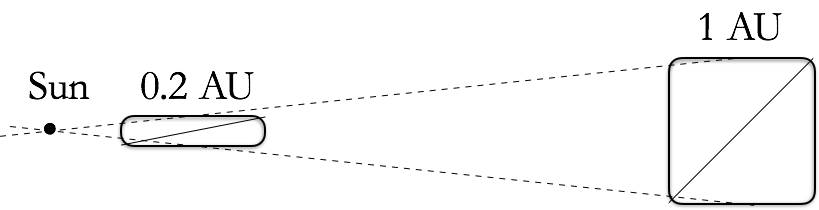
Turbulent Heating between 0.2 and 1 au: A Numerical Study
The heating of the solar wind is a key to understand its dynamics and acceleration process. The observed radial decrease of proton temperature in the solar wind is slow compared to the adiabatic prediction and it is thought to be caused by turbulent dissipation. To generate the observed 1/R decrease, the dissipation rate has to reach a specific level which varies in turn with temperature, wind speed, and heliocentric distance. We want to prove that MHD turbulent simulations can lead to the 1/R profile. We consider here the slow solar wind, characterized by a quasi-2D spectral anisotropy. We use the EBM (expanding box model) equations, which incorporate into 3D MHD equations the expansion due to the mean radial wind, allowing to follow the plasma evolution between 0.2 and 1 AU. We vary the initial parameters which are: Mach number, expansion parameter, plasma beta, and properties of the energy spectrum as the spectral range and slope. Assuming turbulence starts at 0.2 AU with a Mach number equal to unity, with a 3D spectrum mainly perpendicular to the mean field, we find radial temperature profiles close to 1/R in average. This is done at the price of limiting the initial spectral extent, corresponding to the small number of modes in the inertial range available, due to the modest Reynolds number reachable with high Mach numbers.
2603.0127630Mar 2026
View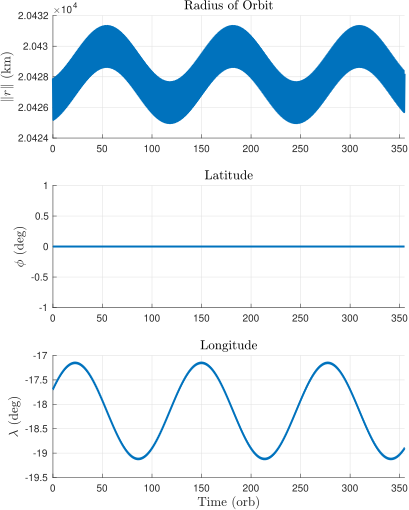
Areostationary Satellite Station Keeping Via a Natural Motion Trajectory and Predictive Control
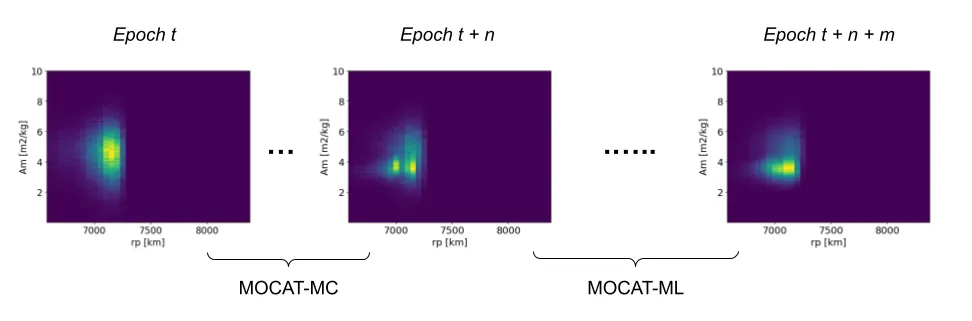
Areostationary Mars orbit (AMO) satellites will play an important role in future expeditions to the Martian surface due to their strength as navigation and communication satellites. Perturbative forces experienced by an AMOR satellite will cause it to drift from its nominal orbit, necessitating station keeping. This note presents a novel approach to AMO station keeping that bridges the gap seen in prior predictive control methods between fuel-efficiency and computational-efficiency. The method proposed in this notes involves the discovery and use of a fuel-free natural motion trajectory that maintains the satellite within one degree of longitude from a areostationary orbit. Two of these natural motion trajectories exist as limit cycles about Mars' stable equilibrium longitudes. They are the resulting motion in the presence of Mars' non-homogeneous gravitational field, accounting for Keplerian and higher-order gravitational perturbations. The proposed MPC policy uses a linear time-varying (LTV) dynamic model that is derived by linearizing the satellite's dynamics relative to the appropriate natural motion trajectory. The result is a station keeping policy that minimizes the fuel consumed, maintains thrust and station-keeping constraints, and is computationally tractable for on-board implementation as a quadratic program.
2603.00781Feb 2026
View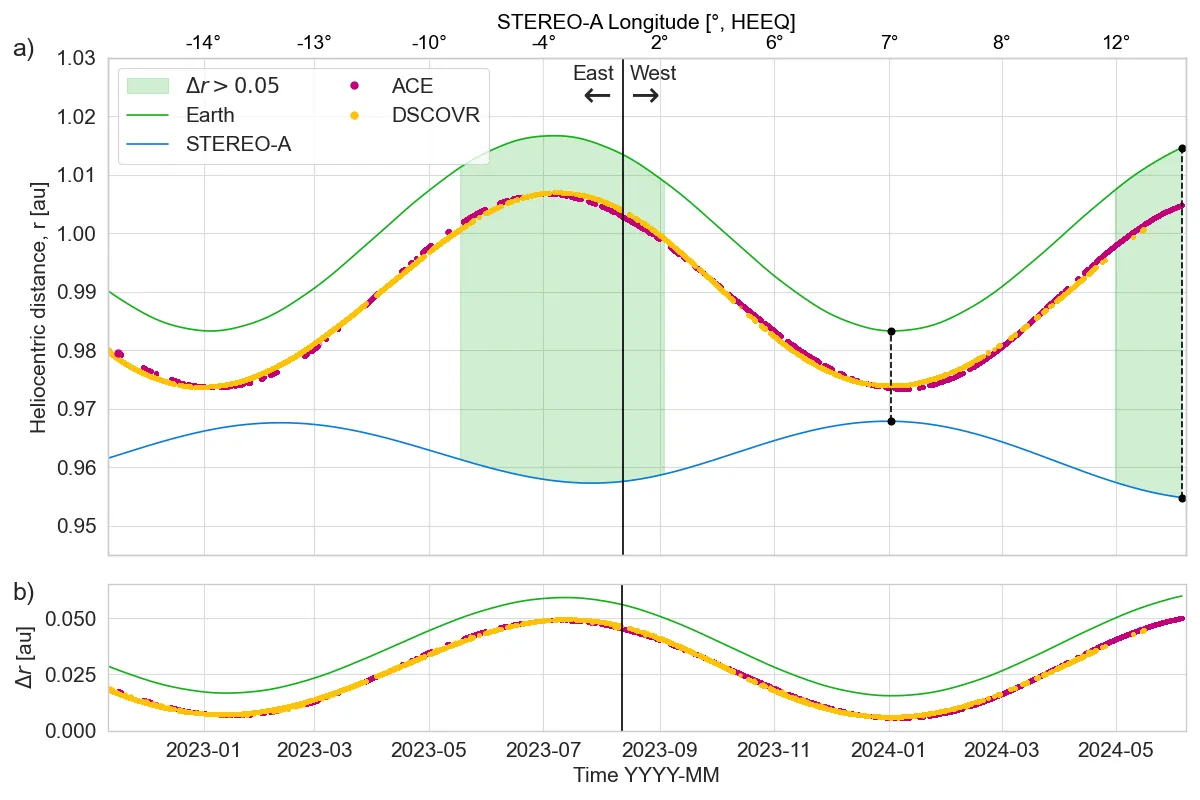
Investigating potential benefits of future sub-L1 missions with STEREO-A
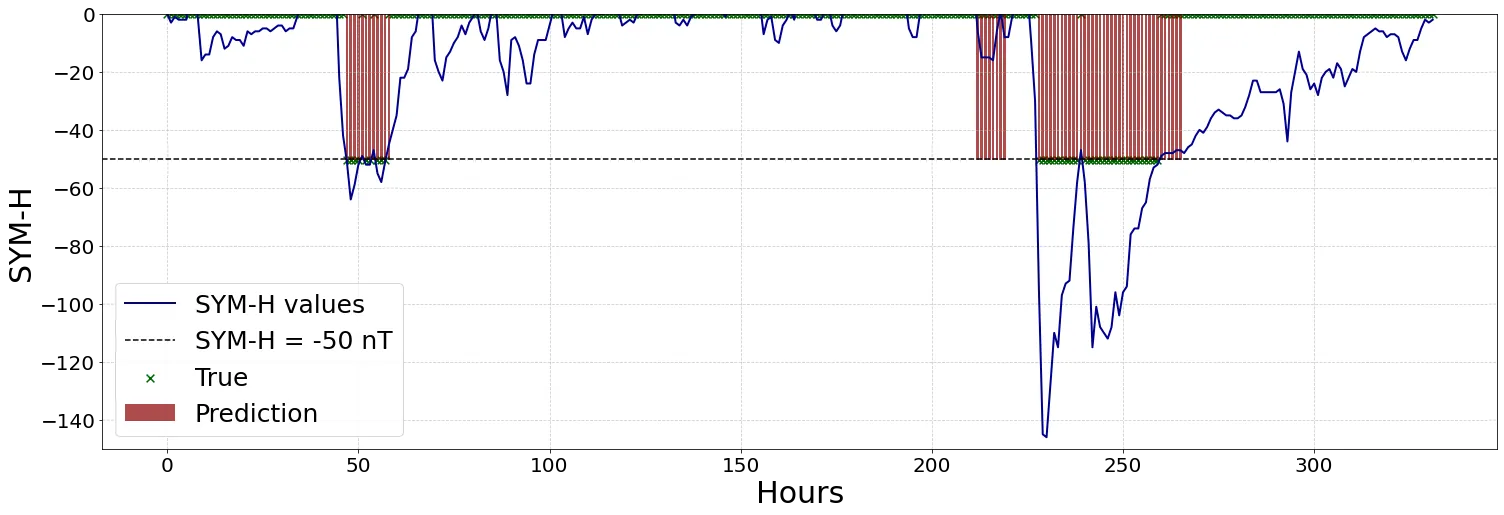
We present the first statistical study of geomagnetic storm forecasting using in situ data from the STEREO-A spacecraft as a sub-L1 monitor. Between November 2022 and June 2024, STEREO-A crossed the Sun-Earth line, covering longitudinal and radial separations of +/-15° from the Sun-Earth line and 0.01-0.06 au from Earth. This passage provides a unique opportunity to assess future sub-L1 mission concepts by ESA, such as HENON and SHIELD. We identify 32 coronal mass ejections (CMEs) observed by both STEREO-A and L1 spacecraft. Eight of these 32 CME events are first detected at L1, indicating that radial spacecraft separations of up to ~0.05 au do not always yield lead time advantages. Furthermore, we find greater (smaller) gains in lead time when STEREO-A is east (west) of the Sun-Earth line. We develop a baseline methodology for the use of future sub-L1 in situ data to enable time-shifting and real-time modeling of the geomagnetic SYM-H index. This is run continuously over the entire time period, therefore modeling the geomagnetic response of all solar wind structures. Our methodology is empirically motivated and should be considered a first approach in addressing the use of sub-L1 data. Following this methodology, 26 of 47 observed geomagnetic storms are correctly identified from STEREO-A data. Intense events (82%, SYM-H<-100 nT) are well detected, most of which are also associated with an identified CME event. Most SYM-H minima are predicted later (72%) and stronger (58%) than those observed due to biases introduced by our methodology.
2602.22982Feb 2026
View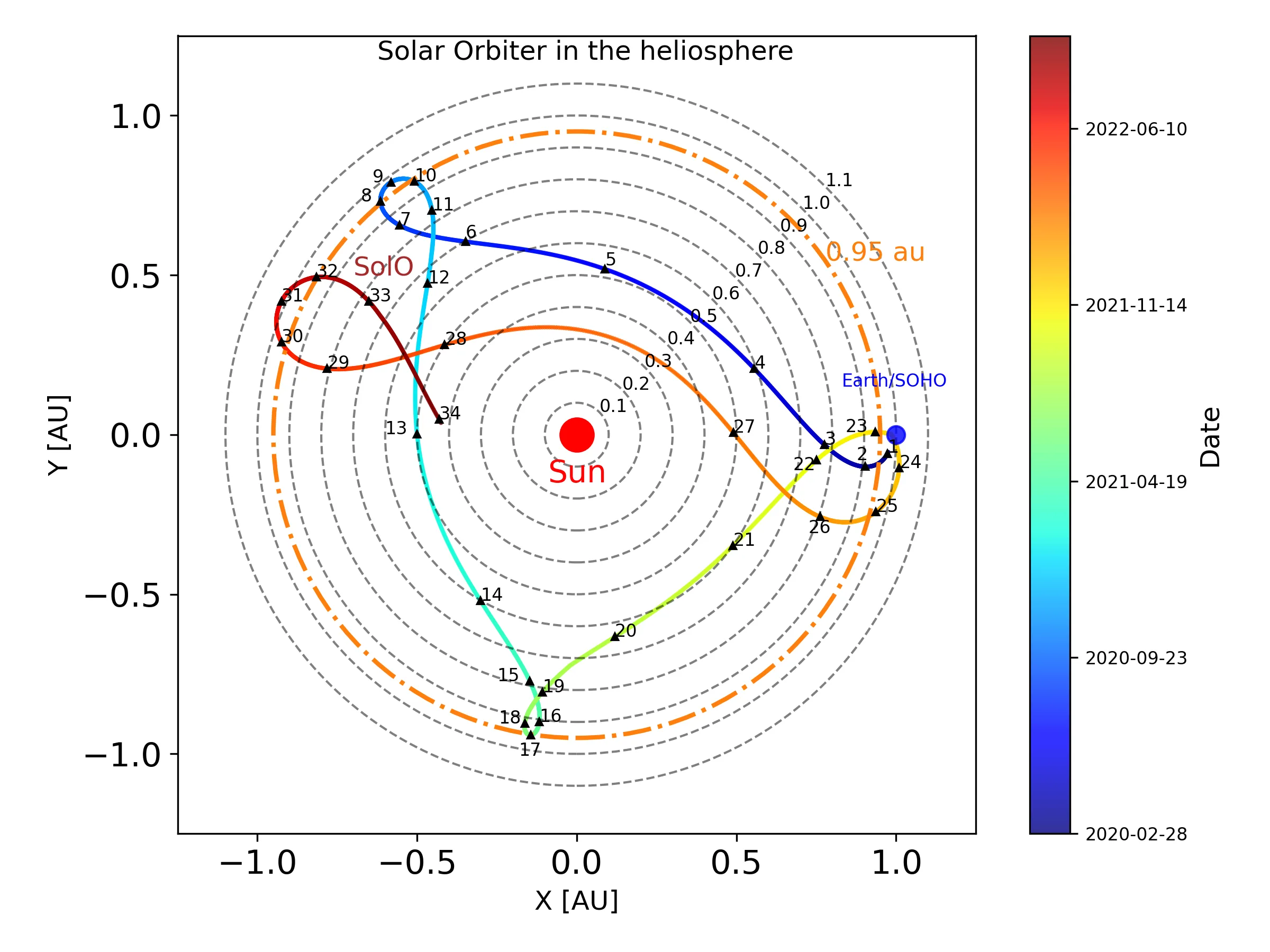
Anomalous cosmic rays within the inner heliosphere: Observations of helium by the High Energy Telescope onboard Solar Orbiter
Radial gradients of cosmic rays are key parameters for understanding the transport of particles in space. Solar Orbiter, launched on 2020 February 10, approaches the Sun approximately every half year, with a closest perihelion distance of 0.29 au after the end of 2022 during the nominal mission phase. The two double-ended high energy telescopes(HET)onboard the Solar Orbiter measure energetic particles in the energy range between a few MeV/nuc and a few hundred MeV/nuc, which are dominated by anomalous cosmic rays (ACRs) and galactic cosmic rays (GCRs) during solar quiet times. By obtaining the radial gradient of the ACR helium in the inner heliosphere, we advance our understanding of how the transport of the cosmic rays is affected by the particle drift effect and the large-scale magnetic field. The helium observations at Solar Orbiter/HET between 11.1 and 49 MeV/nuc are analyzed. Since we focus on quiet time measurements, we remove the periods of solar energetic particle (SEP) events. The intensities are averaged over the Carrington rotation period. The helium observations from the Proton and Helium Instrument(EPHIN)onboard SOHO were utilized as the baseline to correct the long-term variation caused by the solar modulations. We present the first observation of ACR helium at Solar Orbiter/HET between 2020 February and 2022 July in the inner heliosphere before the sun became fully active. We derive the radial gradient of the ACR helium between 0.3 and 1 au. The averaged radial gradient between 11.1 and 49MeV/nuc is about 22$\pm$4%/au and the averaged value between 11.1 and 41.2MeV/nuc is raised to 32$\pm$8%/au after removing the GCR contribution, which is estimated by a GCR model. In addition, the temporal variation of radial gradients indicates that the gradients are increasing with the enhancement of the solar modulation and the increased tilt angle of the heliospheric current sheet.
2602.22418Feb 2026
View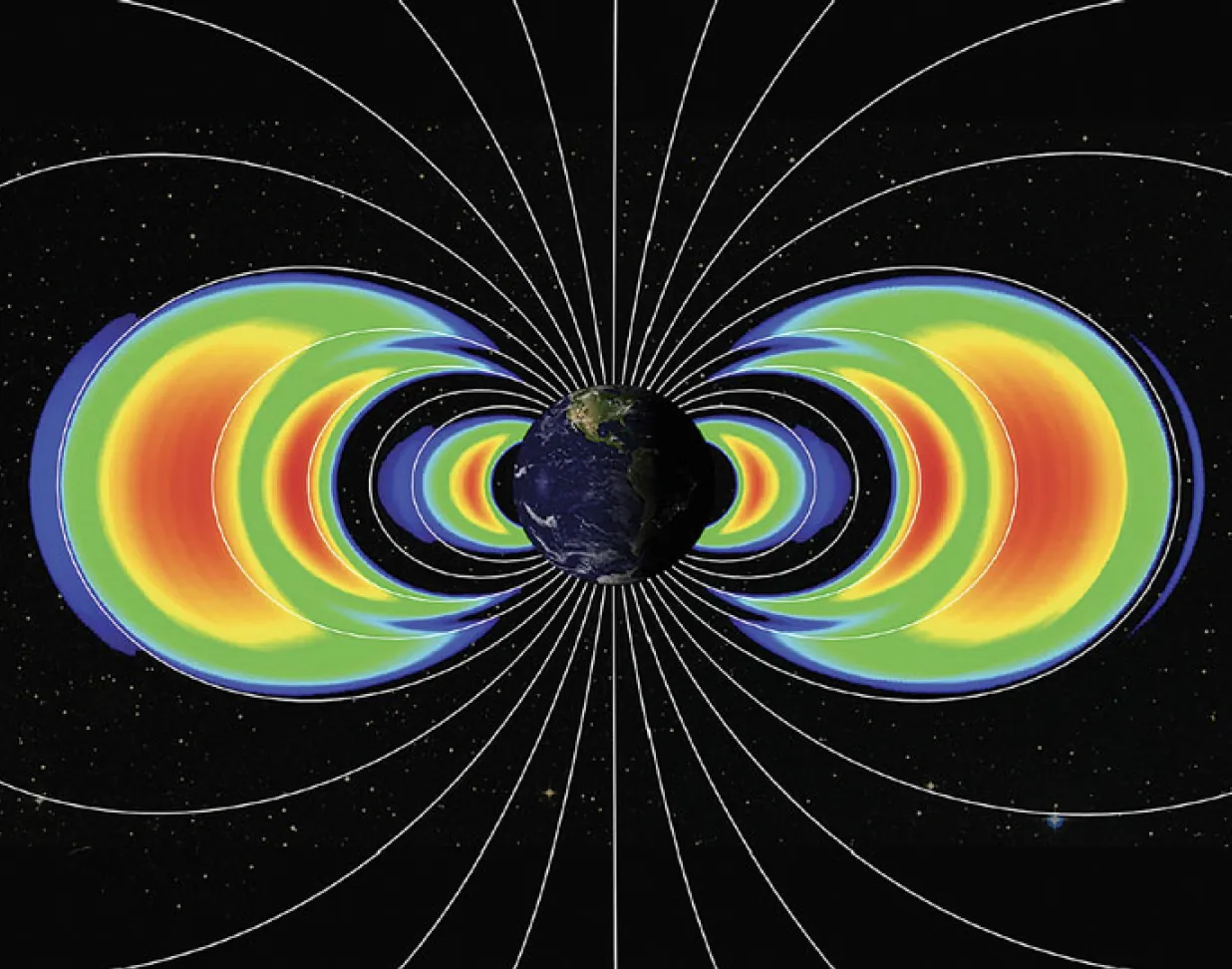
The Free-Electron Laser Model of Magnetospheric Chorus
Chorus waves are electromagnetic waves named for their resemblance to birds chirping at dawn when their radio frequencies are played as audio. The amplification of chorus in Earth's magnetosphere has been the subject of intense scientific inquiry since the discovery of the Van Allen radiation belts in 1958. Resonant interactions between chorus and radiation belt electrons can lead to the exponential growth of small seed waves by a factor of fifty within milliseconds. These powerful modes can cause rapid acceleration of electrons and endanger space-based technologies. Recent efforts to understand chorus amplification have drawn upon parallels to free-electron lasers, laboratory devices that generate intense coherent light with tunable frequencies. This approach, known as the free-electron laser model of magnetospheric chorus, is the subject of this dissertation. In this work, we build on previous research on the free-electron laser model, ultimately presenting a novel nonlinear model of whistler-mode chorus in the magnetosphere. In the first chapter, we provide a brief introduction to whistlers, magnetospheric chorus, and free-electron lasers. We also derive the 2N+2 equations foundational to the interaction of chorus with N resonant electrons. In the second chapter, we derive a reduced set of just three nonlinear equations using the method of collective variables. We then derive a Ginzburg-Landau equation (GLE) for the behavior of a chorus wave packet with a spectrum of frequencies with spatially varying amplitudes and discuss the prediction of solitary chorus waves. In the third chapter, we focus on the behavior of the single-mode solutions predicted by the GLE, including their linear stability and the phenomenon of mode condensation, where a single mode can emerge from a noisy spectrum. In the final chapter, we summarize the results and discuss open questions and future directions.
2602.18544Feb 2026
View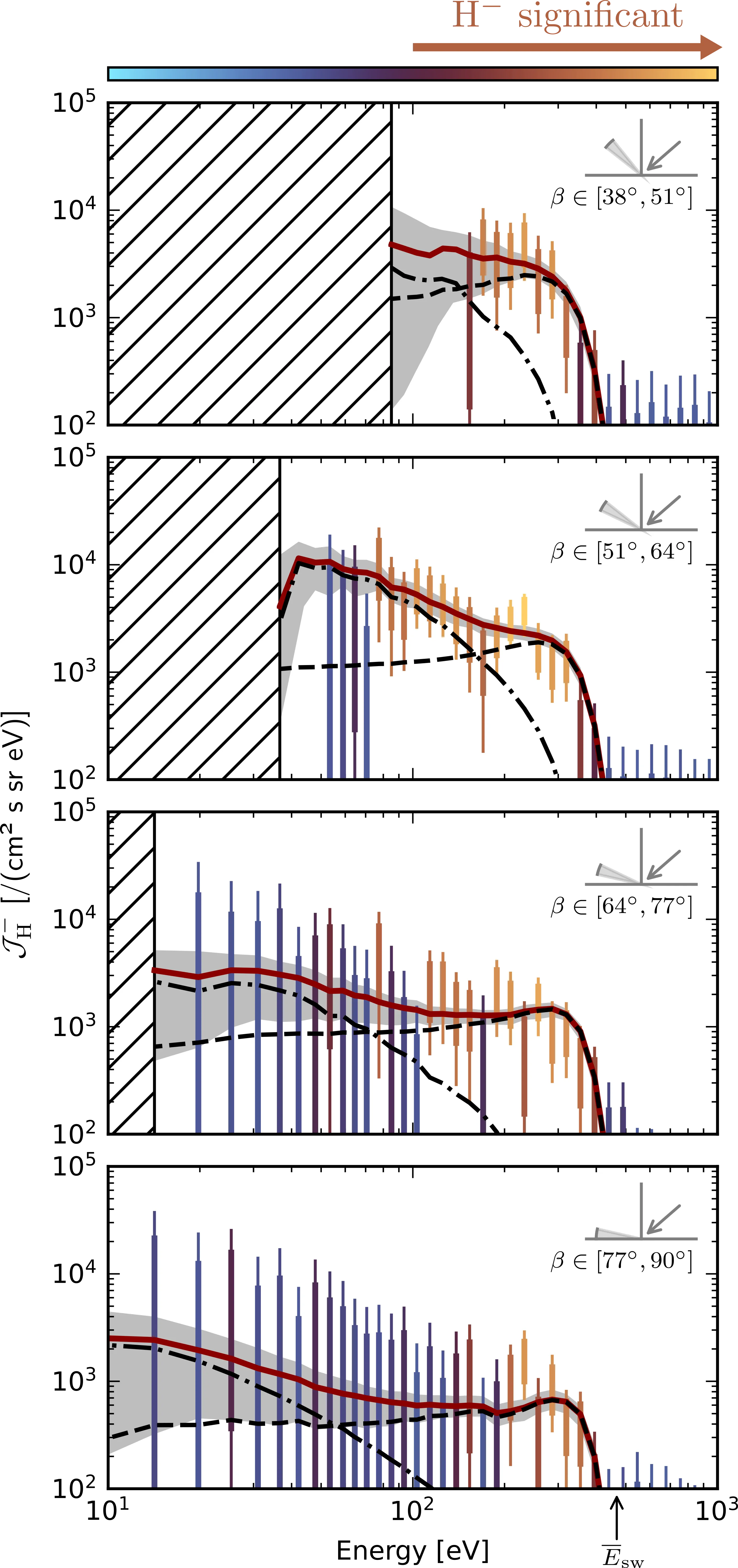
Scattering and sputtering on the lunar surface; Insights from negative ions observed at the surface
Context. Airless planetary bodies are directly exposed to solar wind ions, which can scatter or become implanted upon impact with the regolith-covered surface, while also sputtering surface atoms. Aims. We construct a semi-analytical model for the scattering of ions of hundreds of eV and the sputtering of surface atoms, both resulting in the emission of negative ions from the lunar surface. Our model contains a novel description of the scattering process that is physics-based and constrained by observations. Methods. We use data from the Negative Ions at the Lunar Surface (NILS) instrument on the Chang'e-6 lander to update prior knowledge of ion scattering and sputtering from lunar regolith through Bayesian inference. Results. Our model shows good agreement with the NILS data. A precipitating solar wind proton has roughly a 22% chance of scattering from the lunar surface in any charge state, and about an 8% chance of sputtering a surface hydrogen atom. The resulting ratio of scattered to sputtered hydrogen flux is eta_sc / eta_sp = 1.5 for a proton speed of 300 km/s. We find a high probability (7-20%) that a hydrogen atom leaves the surface negatively charged. The angular emission distributions at near-grazing angles for both scattered and sputtered fluxes are controlled by surface roughness. Our model also indicates significant inelastic energy losses for hydrogen interacting with the regolith, suggesting a longer effective path length than previously assumed. Finally, we estimate a surface binding energy of 5.5 eV, consistent with the observations. Conclusions. Our model describes the scattering and sputtering of particles of any charge state from any homogeneous, multi-species surface. Using NILS data, we successfully applied the model to update our understanding of solar wind interacting with lunar regolith, and the emission of negative hydrogen ions.
2602.16567Feb 2026
View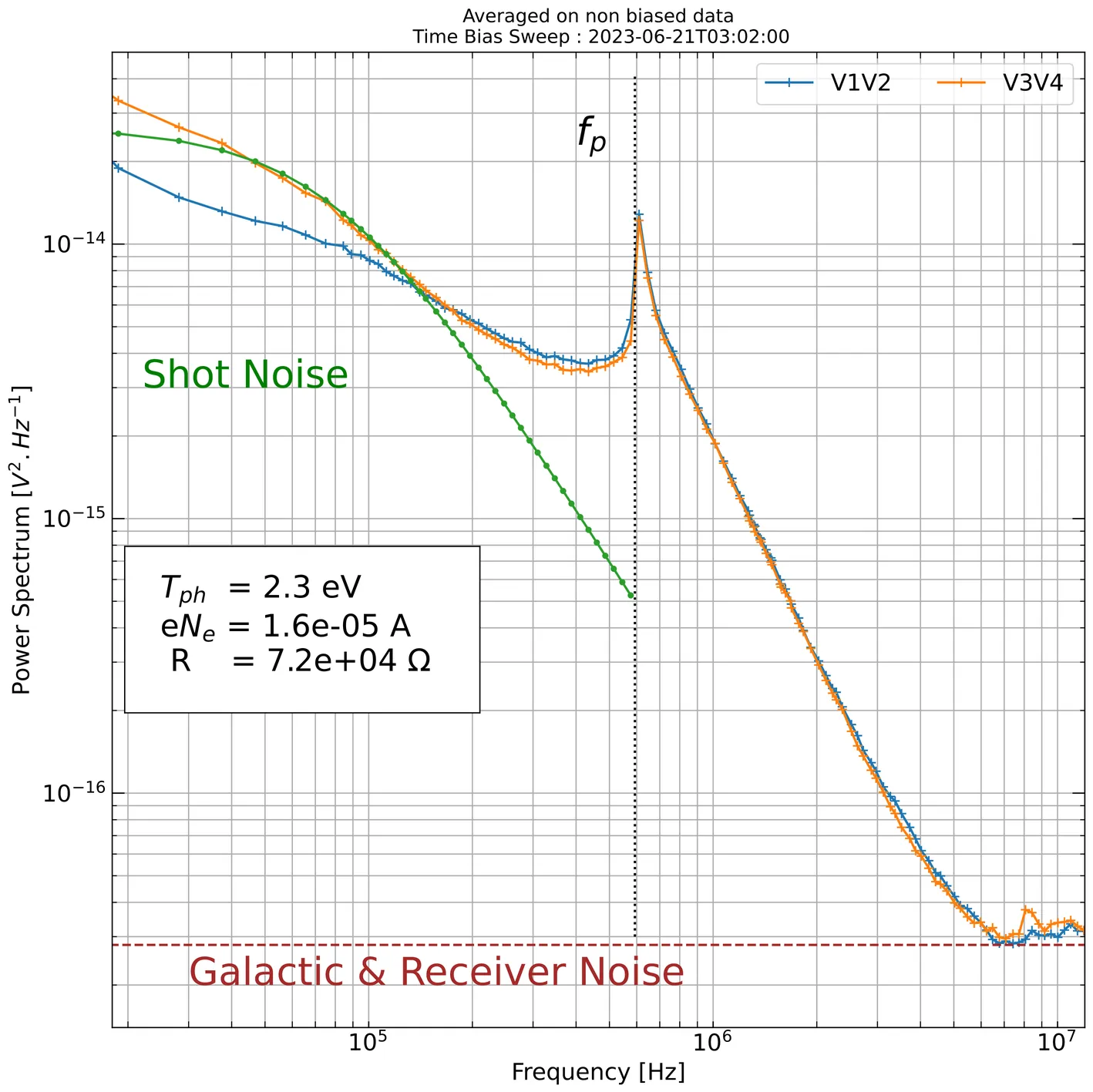
Theoretical calculation of the antenna impedance and shot noise at low-frequencies: application to Parker Solar Probe
The voltage power spectral density measured around the ambient plasma frequency in space is not affected by spacecraft perturbations that impact traditional plasma analysers. The spectroscopy of this noise, produced by the quasi-thermal motion of ambient charged particles, is thus an efficient tool for measuring in situ plasma properties in space. In contrast, the spectrum at lower frequencies, which is determined by the parallel antenna resistance due to electric currents, depends on the spacecraft local environment. Recently, \citet{zhe26} erroneously estimated this resistance from Parker Solar Probe (PSP) data. We hereby present a theoretical calculation of this resistance, which determines the shot noise and the receiver gain at low frequencies, and provide a preliminary comparison to PSP/FIELDS data. We also show that this resistance can change the receiver gain in the frequency range used for QTN spectroscopy during PSP inner orbits.
2602.13799Feb 2026
View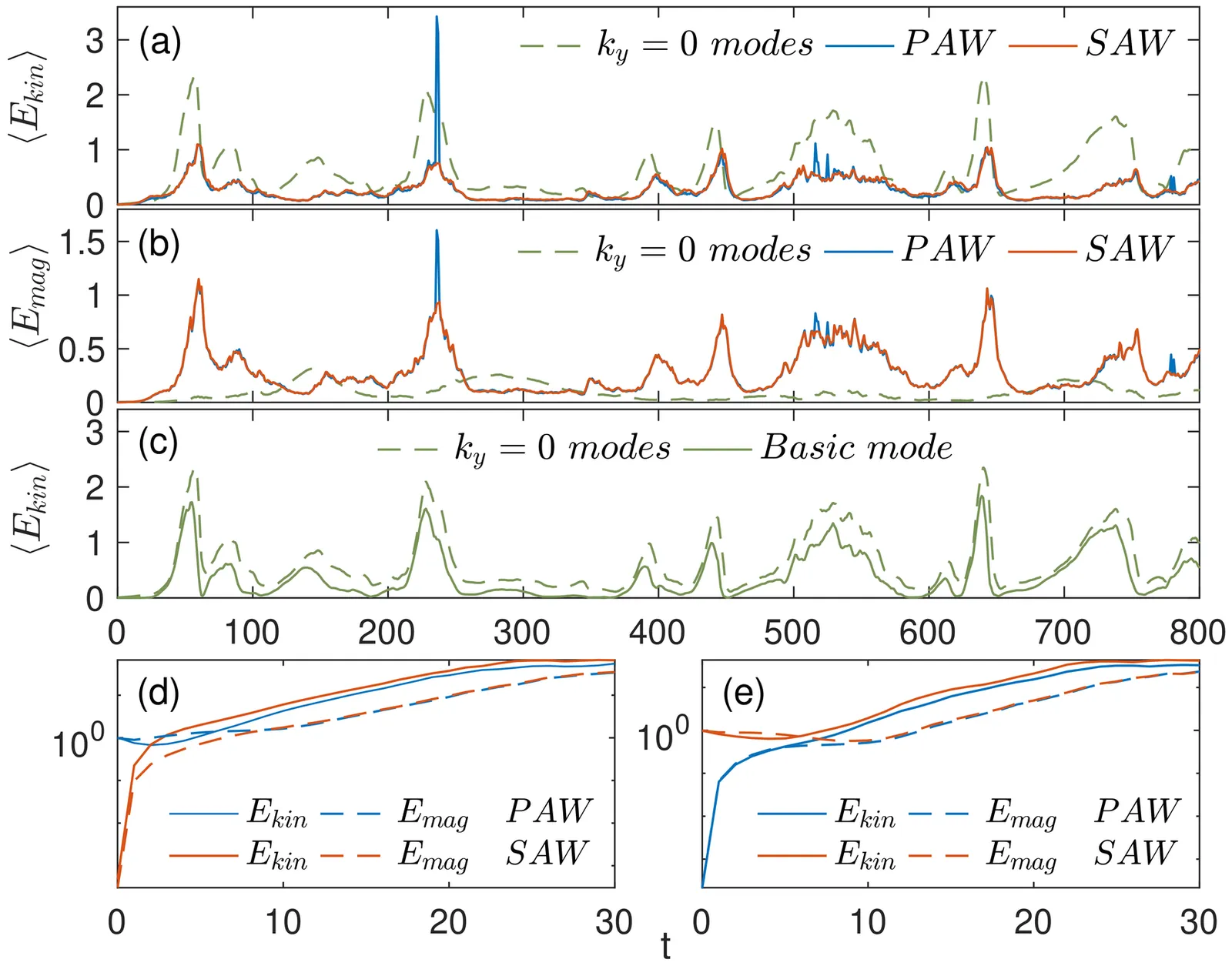
Leveling of MHD turbulence imbalance in shear flows
We investigate magnetohydrodynamic (MHD) turbulence in plane shear flows with a streamwise background magnetic field in the super-Alfvénic regime. We show that the large-scale velocity shear suppresses turbulence imbalance, driving the system toward a balanced state -- the energies of counter-propagating Alfvén waves become essentially equal, even at initially perfectly imbalanced Alfvénic turbulence. This balancing is due to the shear-induced linear non-modal dynamics of Alfvén waves, including their transient growth and over-reflection. This linear route to balancing turbulence is new -- fundamentally different from nonlinear ones operative in shearless MHD turbulence -- and have direct implications for understanding balanced/imbalanced MHD turbulence in the solar wind, which is modeled as a shear flow in a thermodynamically complex plasma.
2602.13528Feb 2026
View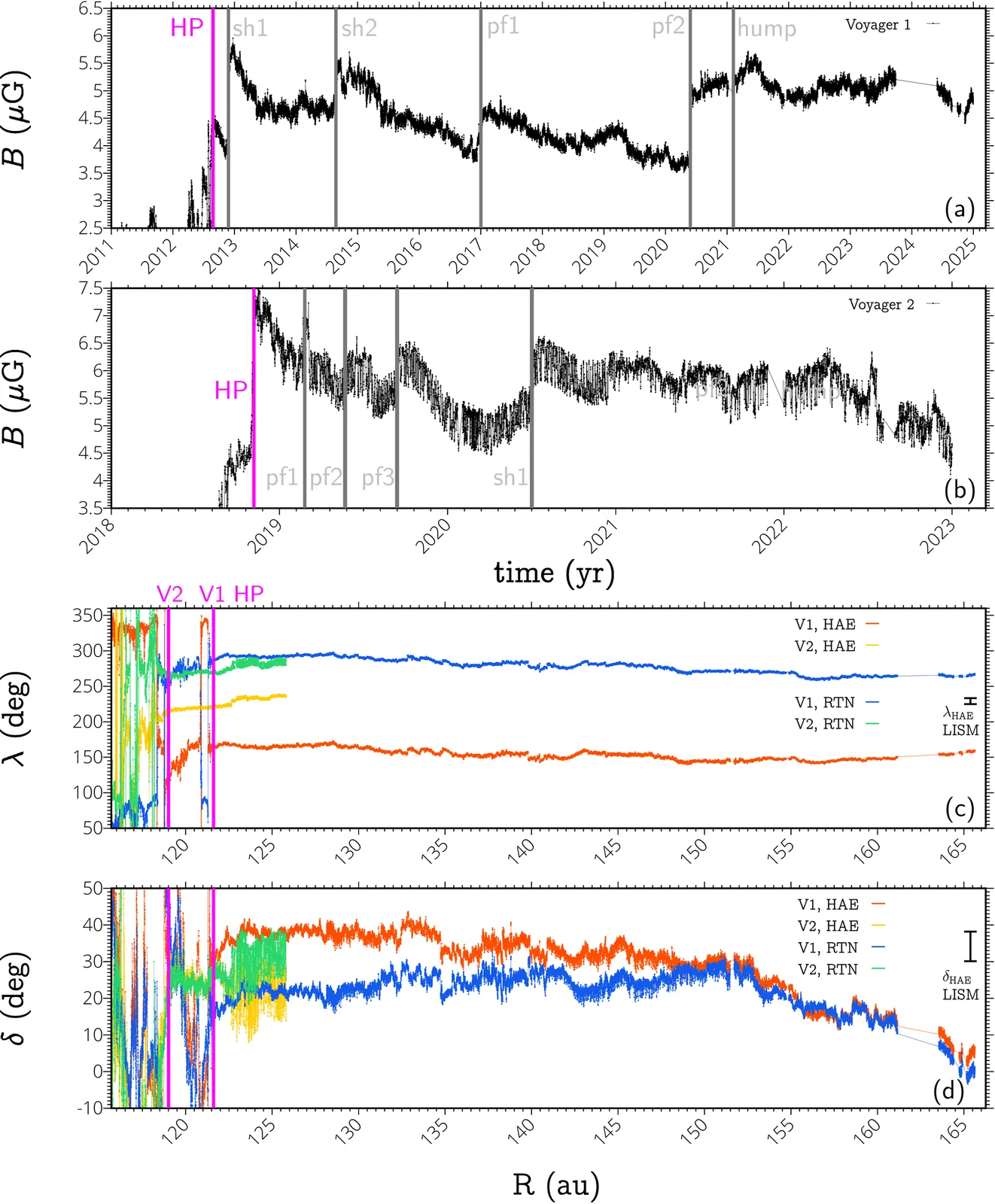
Shocks, compressible perturbations, and intermittency in the very local interstellar medium: Voyager 1 and 2 observations and numerical modeling
Voyager spacecraft (V1 and V2) provide unique in situ measurements of perturbations propagating beyond the heliopause through the very local interstellar medium (VLISM), including the shocks and pressure fronts whose origin is debated. In particular, a jump in magnetic field strength, observed by V1 in 2020.4 at 149.3 au from the Sun, was followed by a distinct "hump" and persistently strong magnetic field, both requiring theoretical explanation. This paper offers an interpretation of those observations using a self-consistent, MHD model of the solar wind - LISM interaction driven by the OMNI and interplanetary scintillation data combined with a turbulence analysis of Voyager data. Our simulations convincingly demonstrate that global, solar-cycle-driven compressions, on hitting the heliopause, can reproduce those puzzling V1 observations. They appear to be associated with solar cycle 24, whereas similar interstellar magnetic field structures can occur once per cycle. The turbulence analysis reveals time-dependent magnetic compressibility that persists up to 165 au at scales below 10 days. Turbulence intermittency at scales below 1 hour is mostly confined to specific intervals, possibly associated with a broad foreshock region. The apparent disappearance of intermittency since 2022 reflects the turbulence weakening rather than a fundamental change in VLISM properties. We predict that V1 will record relatively strong magnetic field strengths until $\sim$2030, followed by weaker, infrequent perturbations. At V2, we expect multiple solar-driven compressions before 2026, followed by a major event induced by solar cycle 25 around 2030. New Horizons is expected to cross the termination shock at 80$\pm$ au in 2031.
2602.10446Feb 2026
View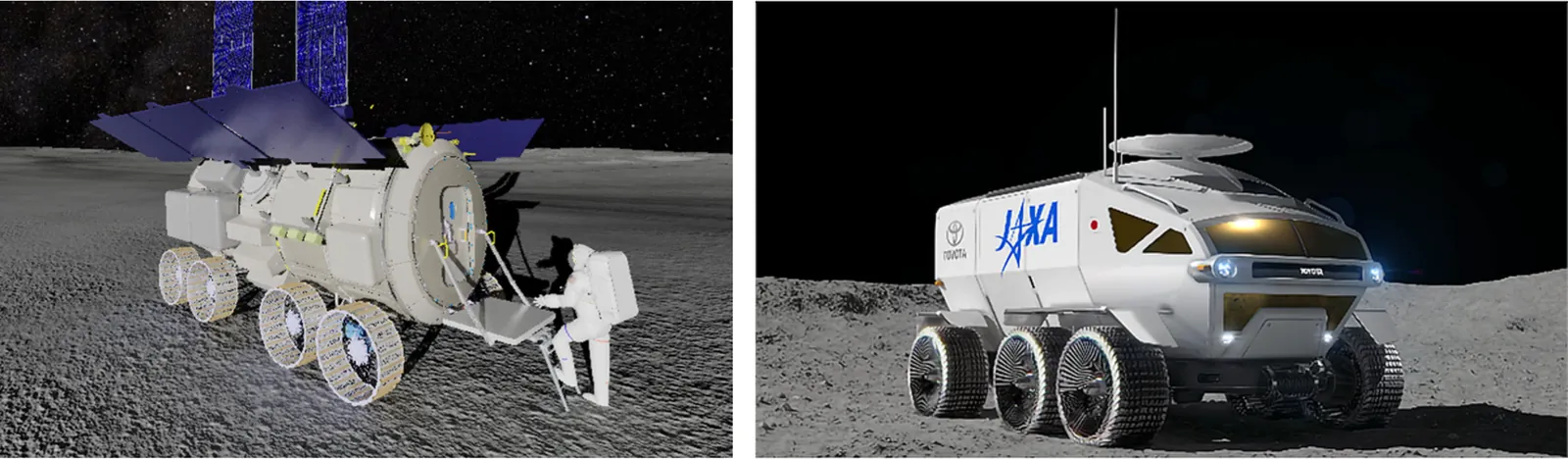
Venting and Outgassing Simulations of Pressurized Lunar Modules: Contamination of the Lunar Environment
One objective of Artemis science is to determine the impact human activities have on the lunar environment, which might compromise science objectives and measurements. We perform a preliminary analysis of the contamination associated with airlock venting and outgassing from a prototype lunar-module geometry intended to host astronauts on the lunar surface. The air flow generated by the depressurization of the airlock, expanding in the lunar exosphere, is studied using the Direct Simulation Monte Carlo (DSMC) method for two different venting configurations and the particle flux on the surface is computed as a function of the distance from the the module. Outgassing from the main body of the module -- assumed to be covered with a Multi-Layer Insulation (MLI) blanketing -- and from the solar panels is then analyzed using a view-factor method, employing outgassing rates from the literature.Our results give preliminary indications of the distance at which contamination levels fall below the values characteristic of native species in the lunar atmosphere. Scientific measurements targeting 40Ar should be carried farther than 30--100 meters from the module, while the detection of lower-abundance species such as polar-crater water might require to travel up to and beyond 3 km from the module.
2602.15046Feb 2026
View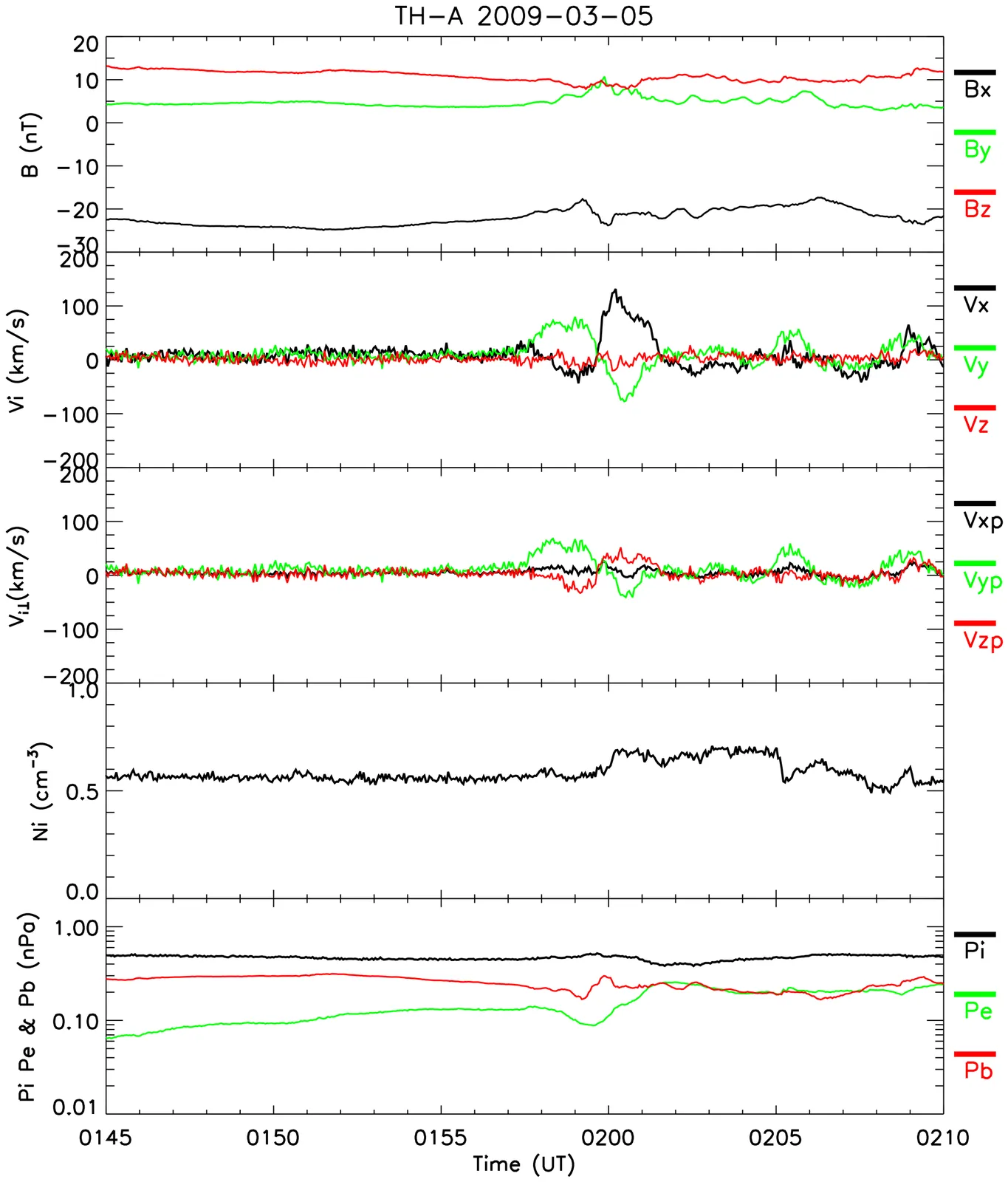
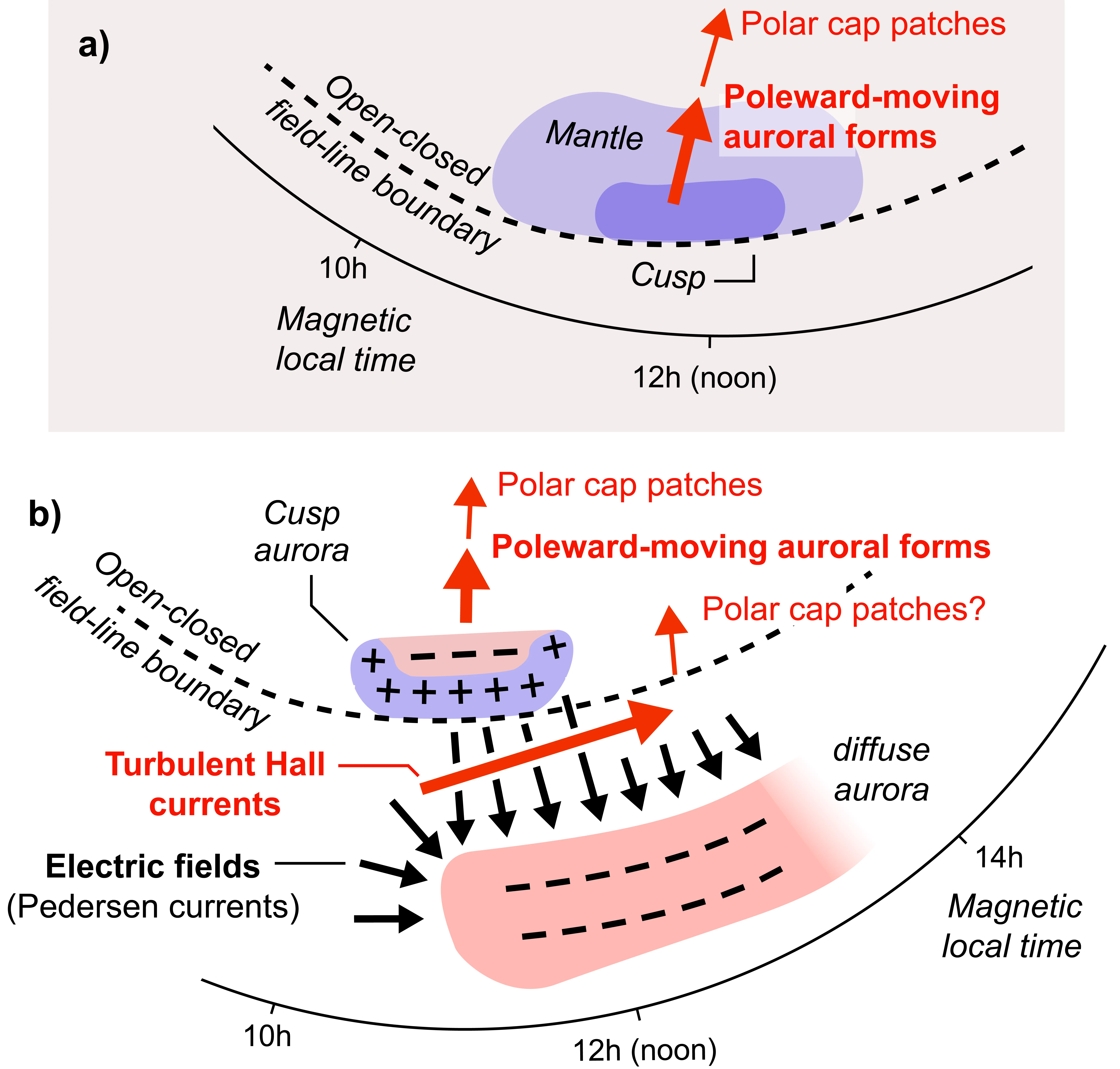
Auroral signatures of ballooning instability and plasmoid formation processes in the near-Earth magnetotail
The nonlinear development of ballooning instability and the subsequently induced plasmoid formation in the near-Earth magnetotail demonstrated in MHD simulations has been proposed as a potential trigger mechanism for substorm onset over the past decade, and their connections to the in-situ satellite and ground all-sky auroral optical observations have been a subject of continued research. In this work, a set of THEMIS substorm onset events with good conjunction of auroral observations has been selected for comparative simulation study, whose pre-onset magnetotail configuration and conditions are inferred from in-situ data and compared with the onset conditions of ballooning instability obtained in our MHD simulations. The evolution of the near-Earth magnetotail is followed, where the signatures of ballooning instability and the plasmoid formation are extracted from simulations and compared with the magnetic fields and flow patterns within the magnetotail region from observation data. The field-aligned current (FAC) density is evaluated at the Earth side boundary of the magnetotail domain of simulation, which is further mapped along magnetic field lines to the auroral ionosphere and compared with the auroral pattern and evolution there in terms of growth rate, dominant wavenumber, and absolute auroral intensities. Such validation efforts are also the first step towards the development of a self-consistent coupling model that includes the magnetotail-ionosphere interaction in the substorm onset process.
2602.05108Feb 2026
View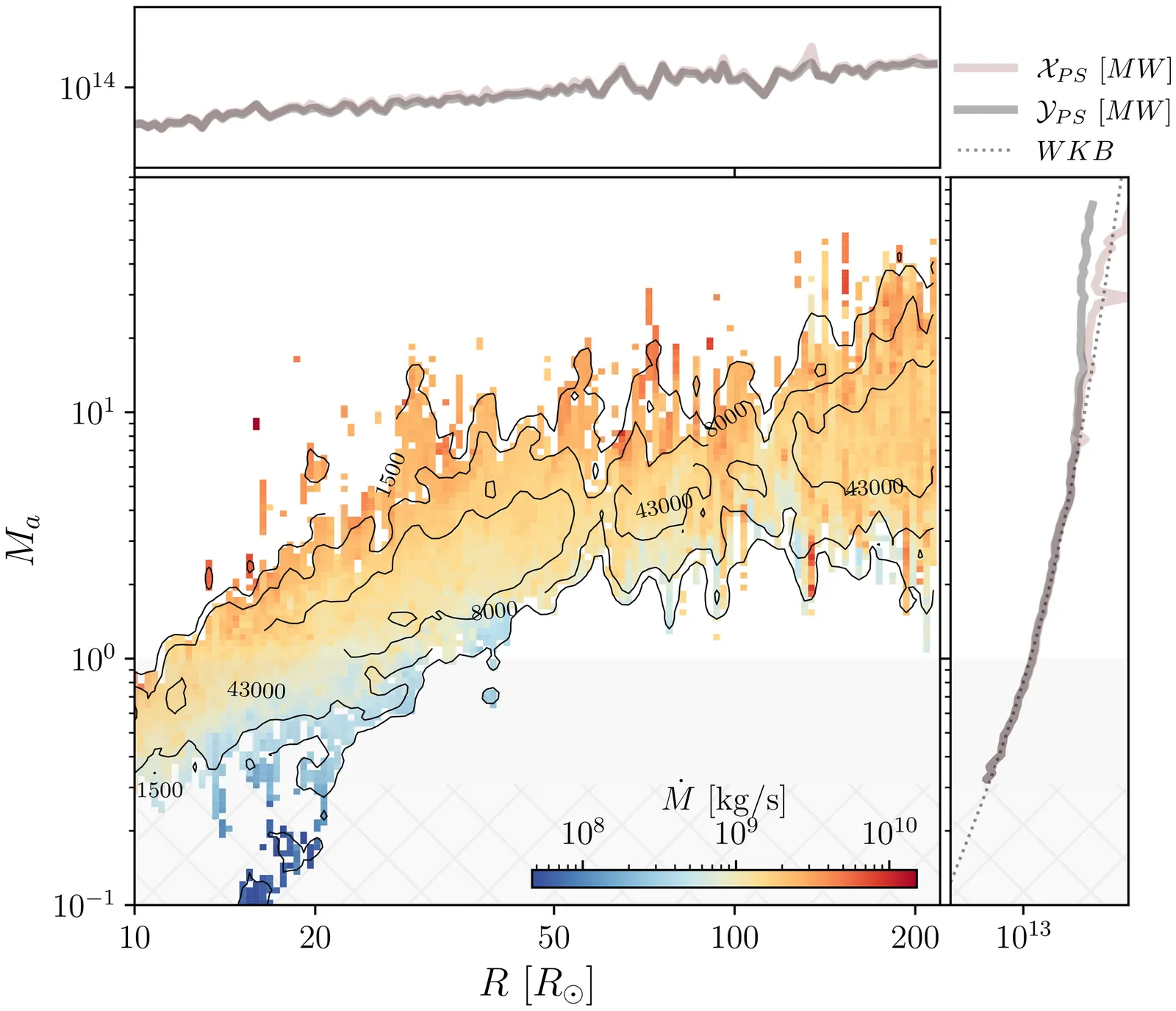
Generation and Expansion-Driven Growth of Switchbacks in the Outer Solar Corona and Solar Wind
We analyze \emph{Parker Solar Probe} and \emph{Solar Orbiter} measurements of magnetic-field reversals (``switchbacks'') across the Alfvén surface ($M_a\simeq 1$), where $M_a$ is the Alfvén Mach number. The reported ``sub-Alfvénic switchback dropout'' follows from two diagnostic biases: conditioning on an instantaneous $M_a$, which is transiently elevated above unity by radial-velocity enhancements during large-amplitude Alfvénic rotations, and short-window local-mean backgrounds that partially track these rotations and suppress deflection angles. Treating $M_a$ as a bulk-stream property via rolling medians and referencing deflections to event-independent backgrounds -- a Parker-spiral direction or a sufficiently long rolling median -- recovers sub-Alfvénic switchbacks systematically. The mean deflection $\langle θ\rangle$ separates into two regimes with $M_a$. For $M_a \lesssim 1$, $\langle θ\rangle$ rises rapidly with weak dependence on the background window, consistent with expansion-driven amplification of Alfvénic fluctuations. For $M_a \gtrsim 1$, the evolution becomes scale dependent: large-scale $\langle θ\rangle$ continues to grow with $M_a$ at reduced rate, while small-scale growth saturates, consistent with turbulent decay and dissipation. Collectively, these results indicate that switchbacks need not originate only in the super-Alfvénic solar wind. Instead, they are consistent with a formation pathway in which coronal fluctuations are amplified by large-scale expansion through the sub-Alfvénic regime, with subsequent propagation into the super-Alfvénic wind where turbulent decay modifies their scale-dependent properties.
2602.03724Feb 2026
ViewPage 1 of 6