Structure, dynamics and collective phenomena of societies and social systems, social networks, infrastructure networks.
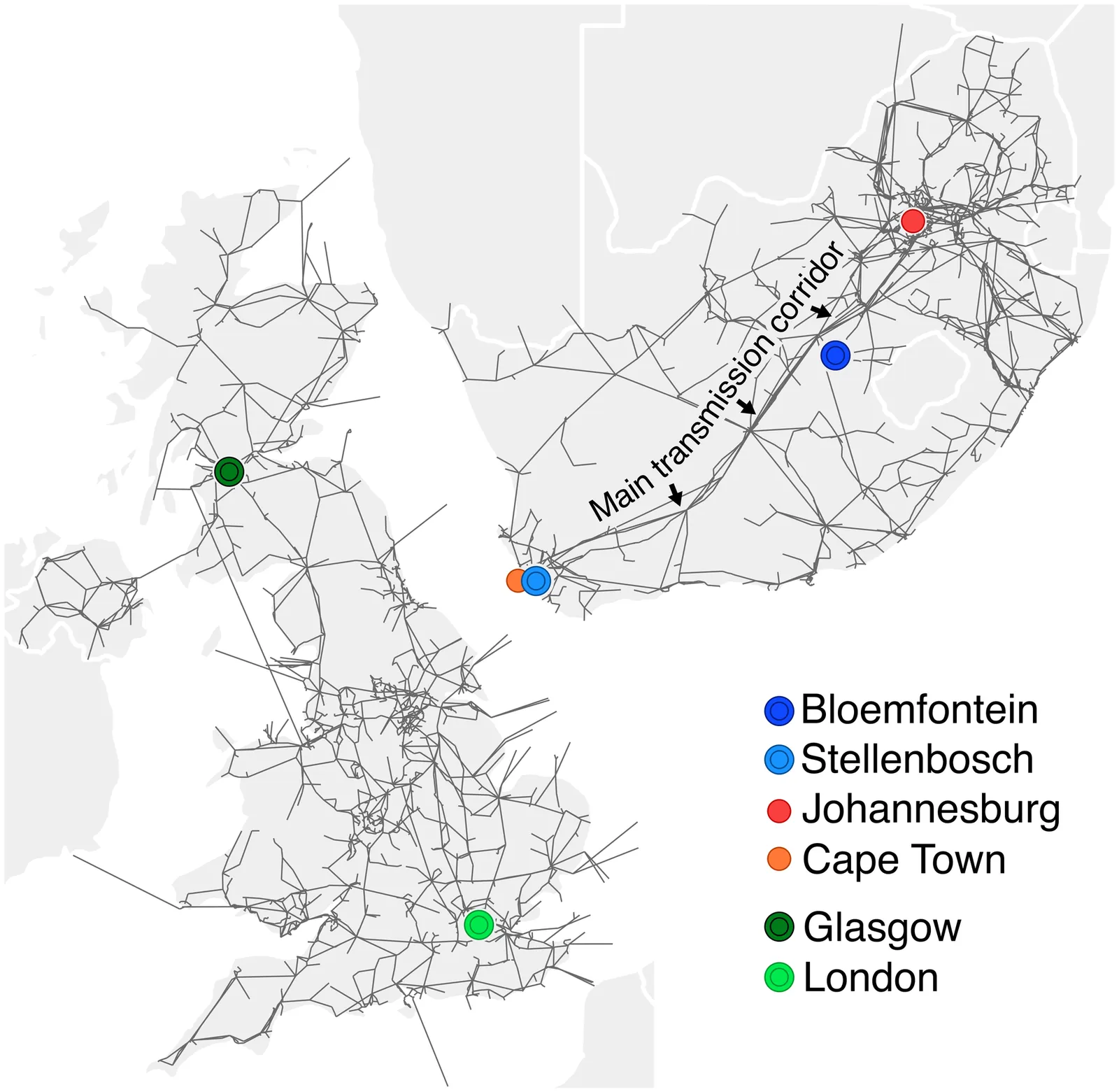
Power grids must modernize to meet climate goals while maintaining reliable and stable operating conditions. Yet progress is hindered by a limited understanding of the stochastic processes underlying grid frequency and phase-angle fluctuations, which are induced by the growing penetration of renewable generation, consumer demand fluctuations, and market trading. This issue is particularly acute in Africa, where grids often face weak investment. Here, we present results from a newly collected, large-scale, high-resolution dataset of grid frequency and phase angles for the United Kingdom and South Africa, comprising close to one billion data points. Using superstatistical modeling, we treat market-driven power fluctuations as a slowly varying parameter driving grid dynamics and incorporate nonlinear frequency control. As a result, we derive an analytical model that reproduces multimodal frequency distributions previously obtained from numerical simulations, as well as heavy-tailed fluctuations and double-exponential frequency autocorrelation decays, all in excellent agreement with experimental measurements. Beyond frequency, we also address the so far largely overlooked problem of characterizing spatial phase-angle fluctuations. By comparing our predictions with measurement data, we demonstrate that a low-dimensional effective grid model accurately fits South African data despite the grid's complexity. We also highlight significant differences between the grids of South Africa and the United Kingdom. Our results clarify how energy markets and control policies shape grid dynamics across countries with contrasting infrastructure maturity.
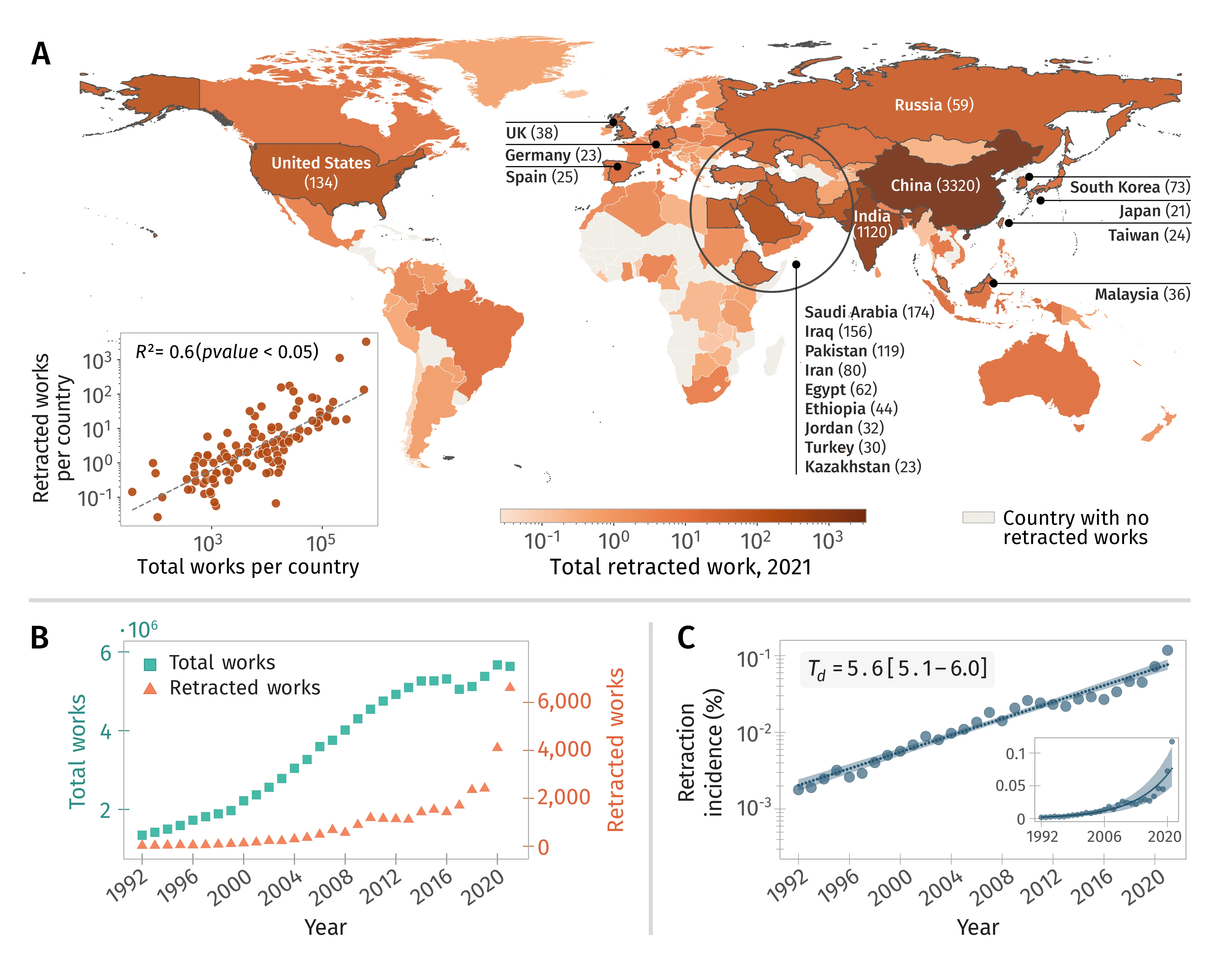
Retractions serve as an indicator of failures in research integrity, yet most analyses focus on absolute counts rather than risk per paper. We use one of the largest open bibliographic databases to develop incidence metrics normalized by population: retractions per publication and per active author annually. Applying an epidemiological framework that models counts with exposure, we find evidence of exponential growth in retraction incidence, with approximately a 5-year doubling time at both the paper and author levels. These patterns vary significantly across fields, publishers, and countries. While scientific output is becoming more democratized globally, retractions are concentrated in fewer countries, creating a "concentration" paradox that calls for targeted monitoring. Despite exponential growth, the absolute incidence remains low (0.12% in 2021), allowing for corrective intervention. Incidence-based monitoring provides a framework for evaluating policies that safeguard research integrity at scale.
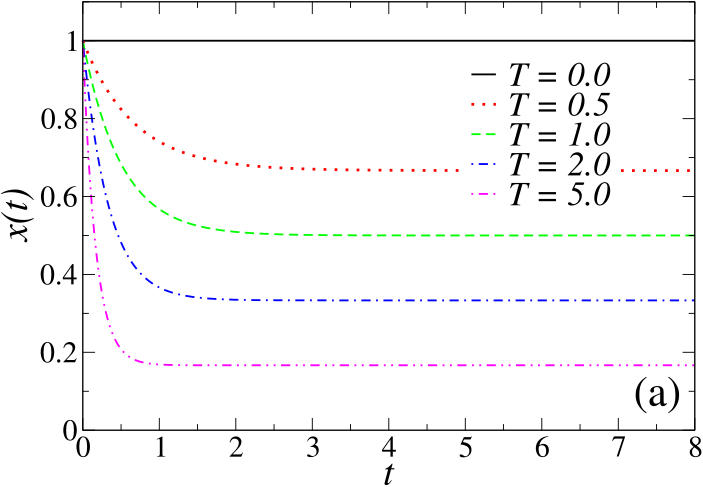
The widespread use of digital devices has raised growing concerns about its impact on sustained attention at the population level. In this work, we propose a minimal dynamical framework to describe the collective evolution of attention under continuous exposure to screen-mediated environments. We introduce a macroscopic variable representing the average level of sustained attention and model its dynamics as the result of competing mechanisms: intrinsic cognitive recovery and degradation induced by digital stimulation. The digital environment is treated as an external control parameter that continuously perturbs the system, leading to a relaxational dynamics. The proposed mechanisms are consistent with empirical findings on attentional dynamics under digital exposure. We first analyze a linear formulation, which provides an analytically tractable baseline, and then extend the model by incorporating a nonlinear degradation term that captures amplification effects under high-intensity stimulation. We derive an explicit expression for the stationary state and show that the equilibrium attention level decreases monotonically with increasing exposure. An effective potential formulation is introduced, revealing that digital overstimulation progressively deforms the dynamical landscape, shifting the stable state toward regimes of reduced attention without generating multiple equilibria. Importantly, the model does not rely on social contagion or interaction-driven bistability, but instead describes a continuous displacement of the collective cognitive regime under environmental pressure. Our results suggest that the impact of digital technologies on attention may be understood as a gradual macroscopic effect emerging from persistent external stimulation, rather than as a transition between competing behavioral states.
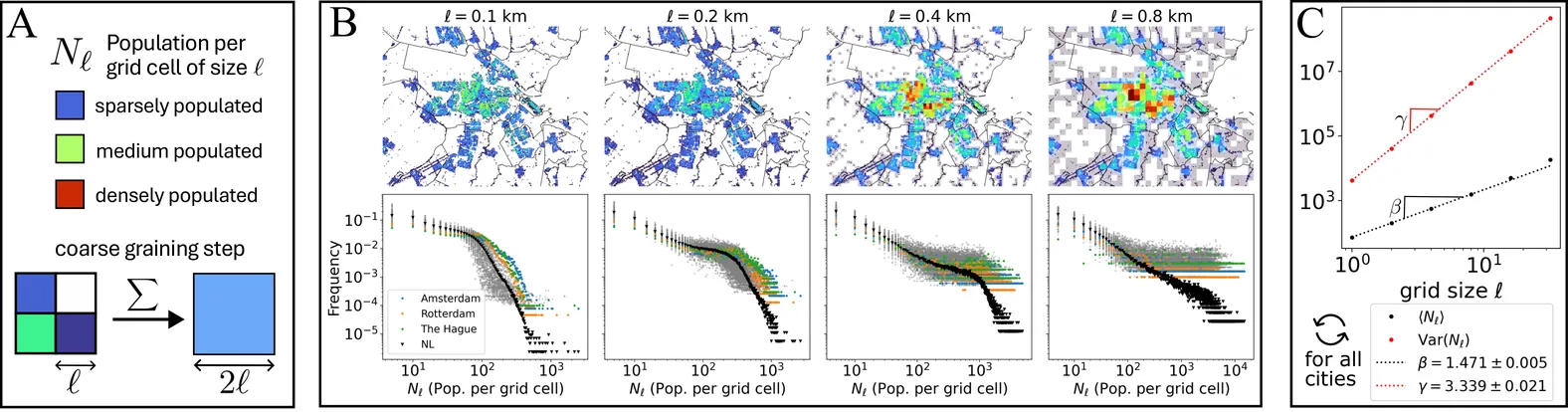
Urban populations exhibit fractal organization and systematic scaling regularities, yet the scaling exponents reported across cities vary substantially, challenging existing theory. Using 100~m gridded population maps for 477 urban areas spanning the Netherlands (2000--2023) and major world cities (1975--2020), we recursively coarse-grain each city and quantify how the mean and variance of inhabitants in square grid cells of side length $\ell$ scale with $\ell$. This yields two exponents, $β$ from $\langle N_\ell\rangle\sim \ell^β$ and $γ$ from $\mathrm{Var}(N_\ell)\sim \ell^γ$, where in the small-$\ell$ limit $β$ equals the planar fractal dimension of populated space. Across cities within a given year, $γ$ depends linearly on $β$. Compiling $>$10,000 exponent estimates over five decades shows that this hyperscaling relation is robust yet non-universal: its slope and intercept vary across continents and drift systematically in time, trending toward the limiting form $γ\simeq 2+β$. A mean-field (independent-cell) argument predicts a quadratic mean--variance mapping and cannot reproduce the observed $β$--$γ$ dependence, implying strong spatial correlations. We derive a correlation-aware variance decomposition in which $γ$ is controlled by a correlation dimension $D_c$; in the correlation-dominated regime $γ=2+D_c$. If large maturing cities, as are the ones selected in our dataset, evolve to effective monofractal ($D_c\simeq β$) cities, the asymptotic prediction becomes $γ\simeq 2+β$, consistent with the observed temporal drift. This interdependence links urban form and fluctuations, constrains mechanistic growth models, and implies scaling predictions for spatial indicators built from local means and variances.
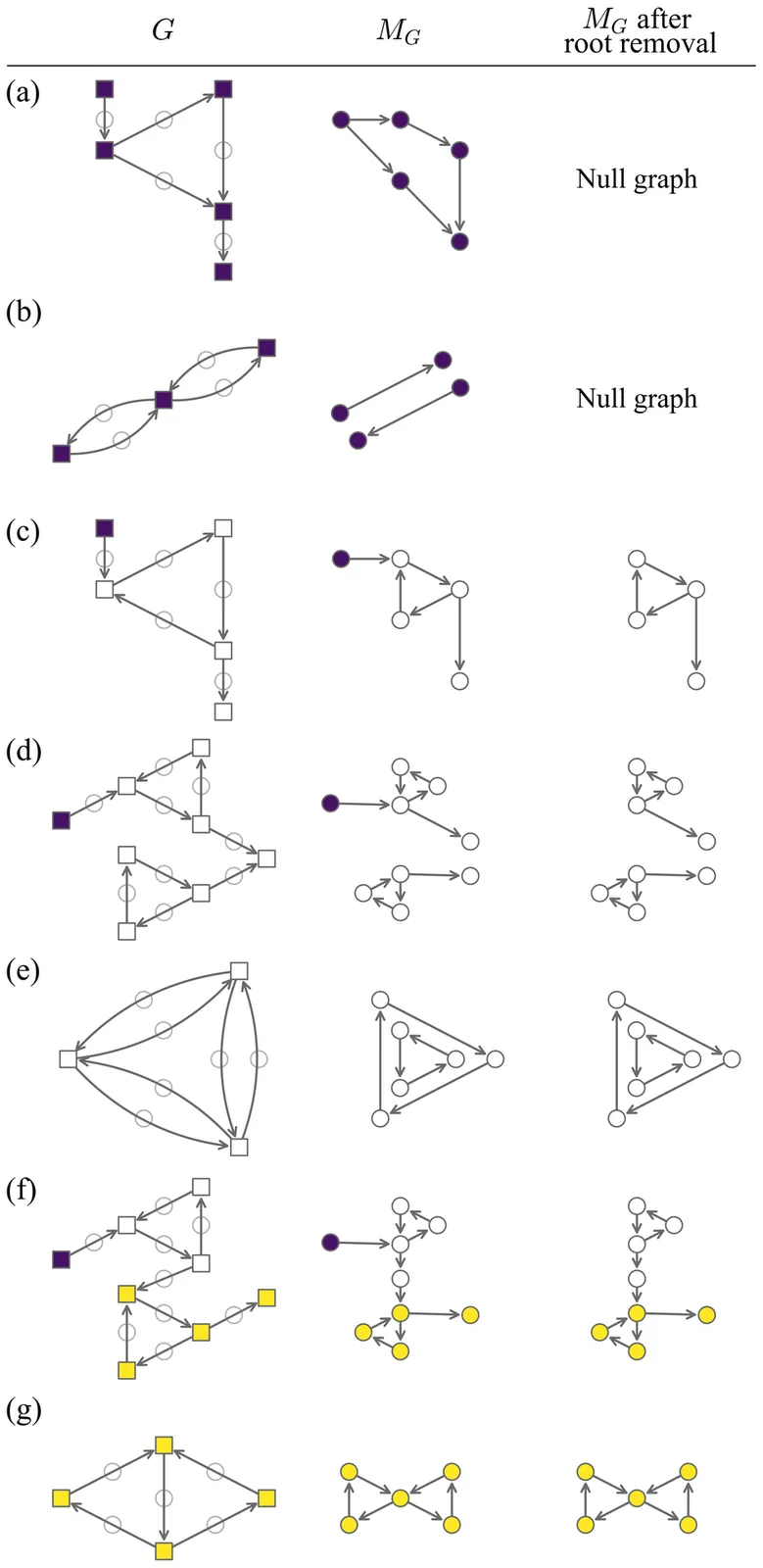
Message passing, also known as belief propagation, is a versatile framework for analyzing models defined on networks. Its most prototypical application is percolation; yet, the interpretation of the message passing formulation of percolation remains elusive. We show that the message passing solutions commonly associated with the probability of belonging to the giant component actually identify reachability from cycles. This interpretation applies to bond and site percolation on arbitrary undirected or directed networks. Our findings emphasize the distinction between transition in cyclicity and the emergence of the giant component.
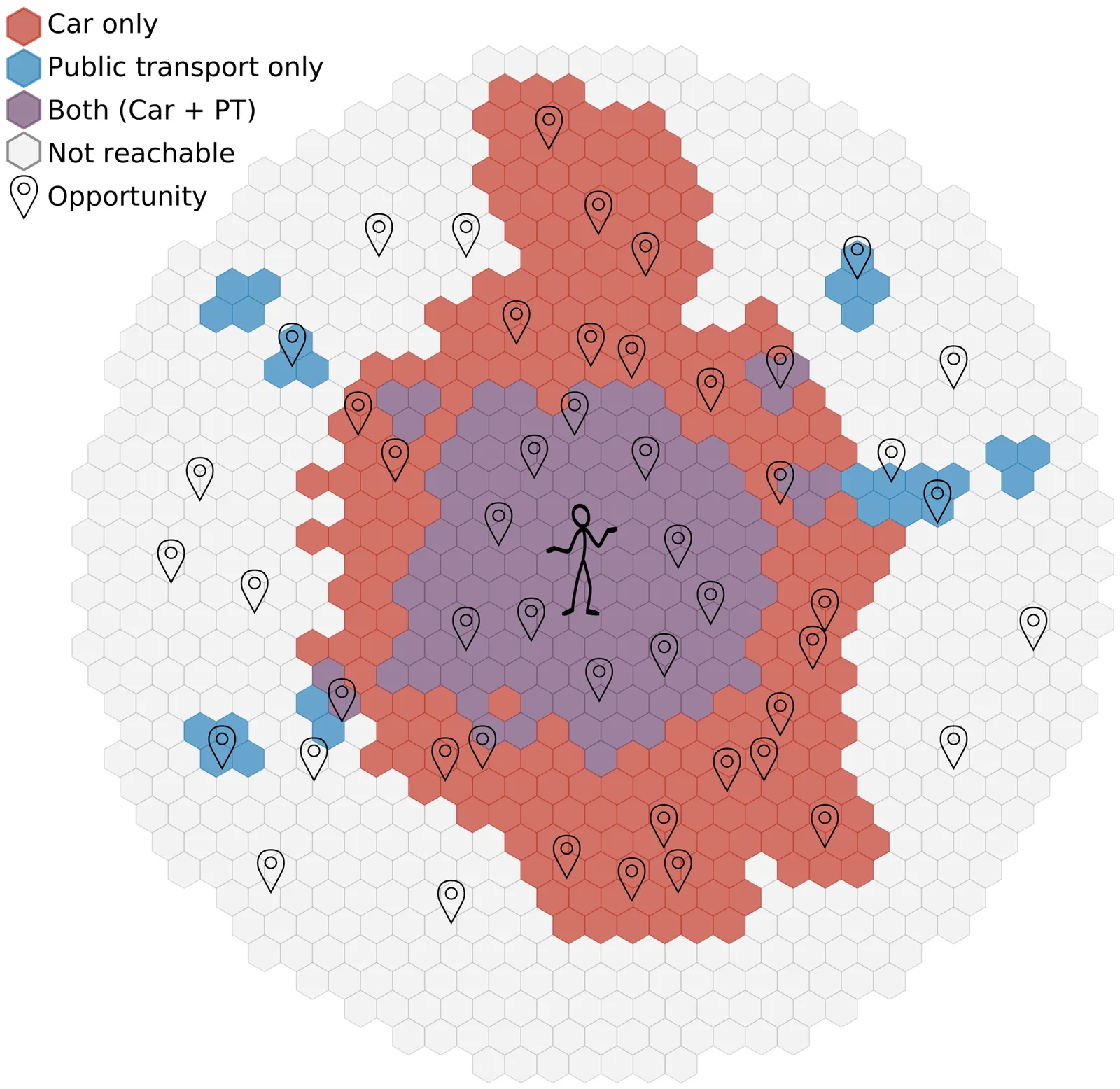
To achieve net-zero emissions, cities must transition away from reliance on private vehicles. However, car-centric urban growth has transformed the automobile from a convenience tool into a necessity for accessing essential services, creating significant "car dependency". This study introduces a novel Car Dependency Index (CDI) that quantifies the accessibility gap between private and public transport across 18 cities in Europe and North America. Utilising high-resolution geospatial data and numerical simulations, we reveal pronounced spatial inequalities, showing that car dependency remains a primary driver of car ownership even when accounting for income. A ``what-if" simulation of the planned metro expansion in Rome predicts a reduction of approximately 60,000 commuting vehicles, yet highlights that isolated interventions have localised impacts. We conclude that systemic, network-level transit expansions are essential to dismantle car-based systems and foster equitable, sustainable urban mobility. Our framework provides policymakers with an objective, scalable tool to identify viable areas for car-free zones and target infrastructure investments effectively.
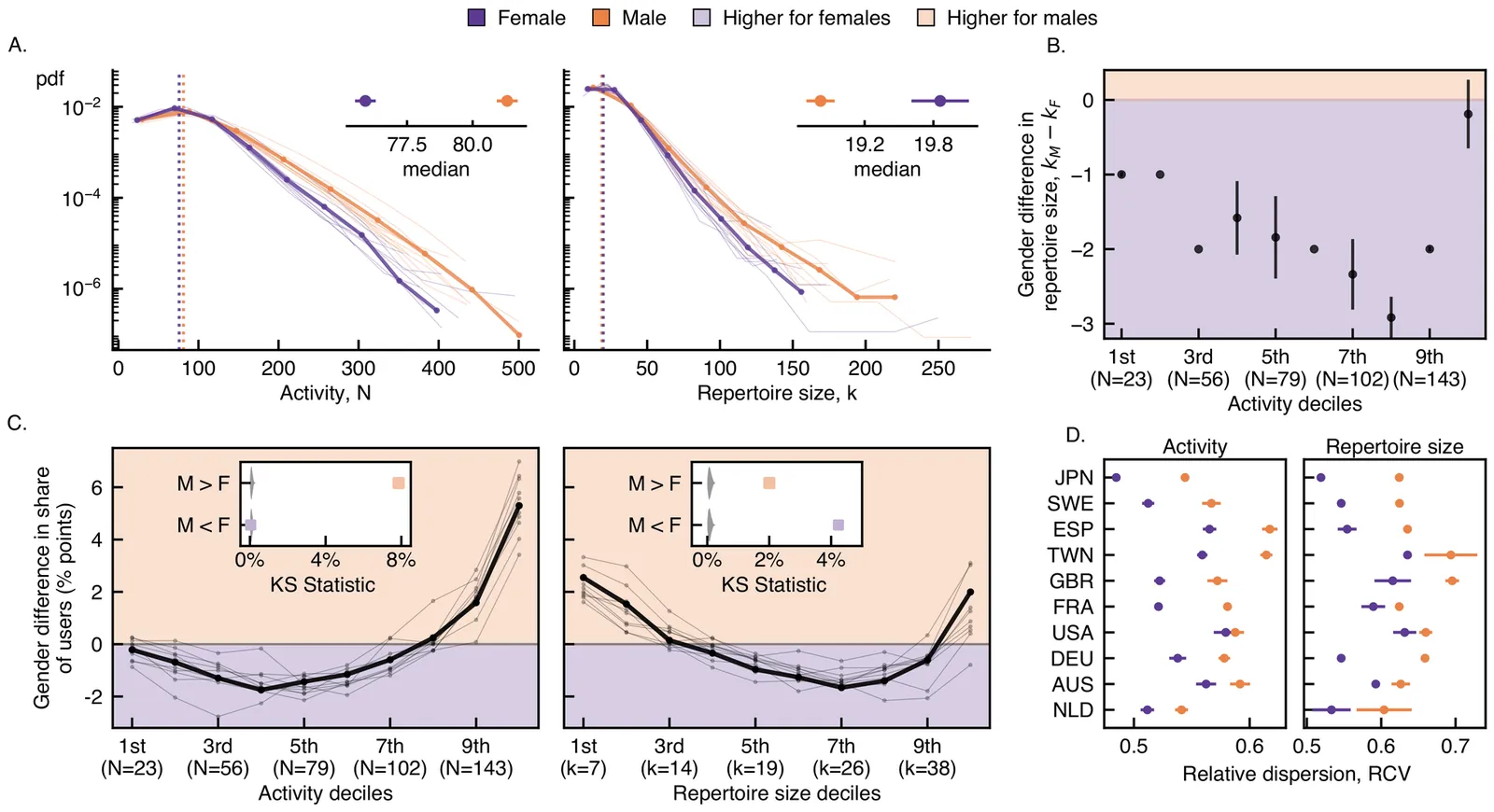
Our understanding of gender differences in mobility is marked by a clear tension: surveys portray women's movements as more complex than men's, while digital traces suggest less diverse travel. Here, we resolve the contradiction by modeling trajectories as networks of sequential visits, using smartphone traces linked to self-reported gender for 543,155 individuals across 10 countries. We show that the apparent conflict in the literature arises because women's mobility networks are simultaneously more clustered and more home-anchored -- a nuance obscured by aggregate metrics. This pattern arises because women tend to link multiple destinations within single trips, for trips spanning up to 150 km and multiple days. This organization yields systematically higher travel efficiency, measured as distance saved through destination chaining over monthly sequences.
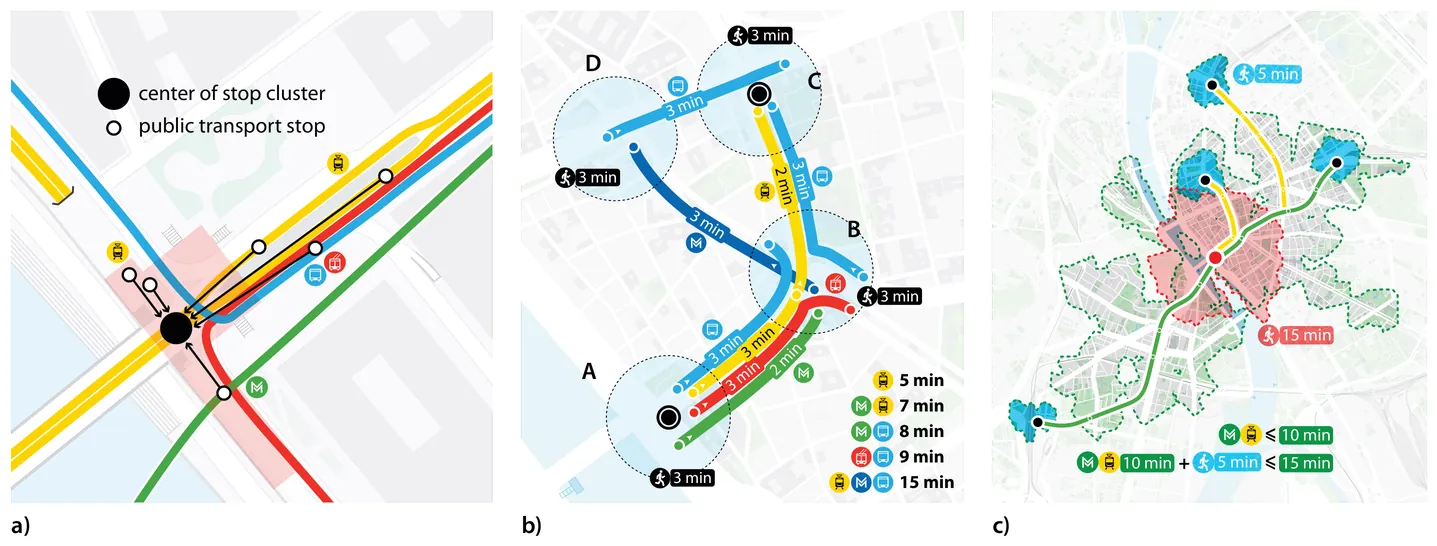
The 15-minute city is a powerful planning concept to counter car-dependence by promoting active mobility to amenities and fostering inclusive urban environments. However, this policy has challenges in amenity-poor urban peripheries. Public transport remains underexplored in this discourse despite its role in distant access. Here, we propose a framework that incorporates public transport into the 15-minute city model using openly available data. By comparing Helsinki, Madrid, and Budapest, we demonstrate that multimodal mobility substantially increases access to amenities and enhances socio-spatial integration within a 15-minute reach. Although urban periphery benefit significantly from radial or high-speed public transport lines in their social mixing potential, such lines alone do not improve their access to amenities. These findings underscore the need to optimize polycentric public transport networks that can improve inclusive urban accessibility and complement active mobility in polycentric cities.
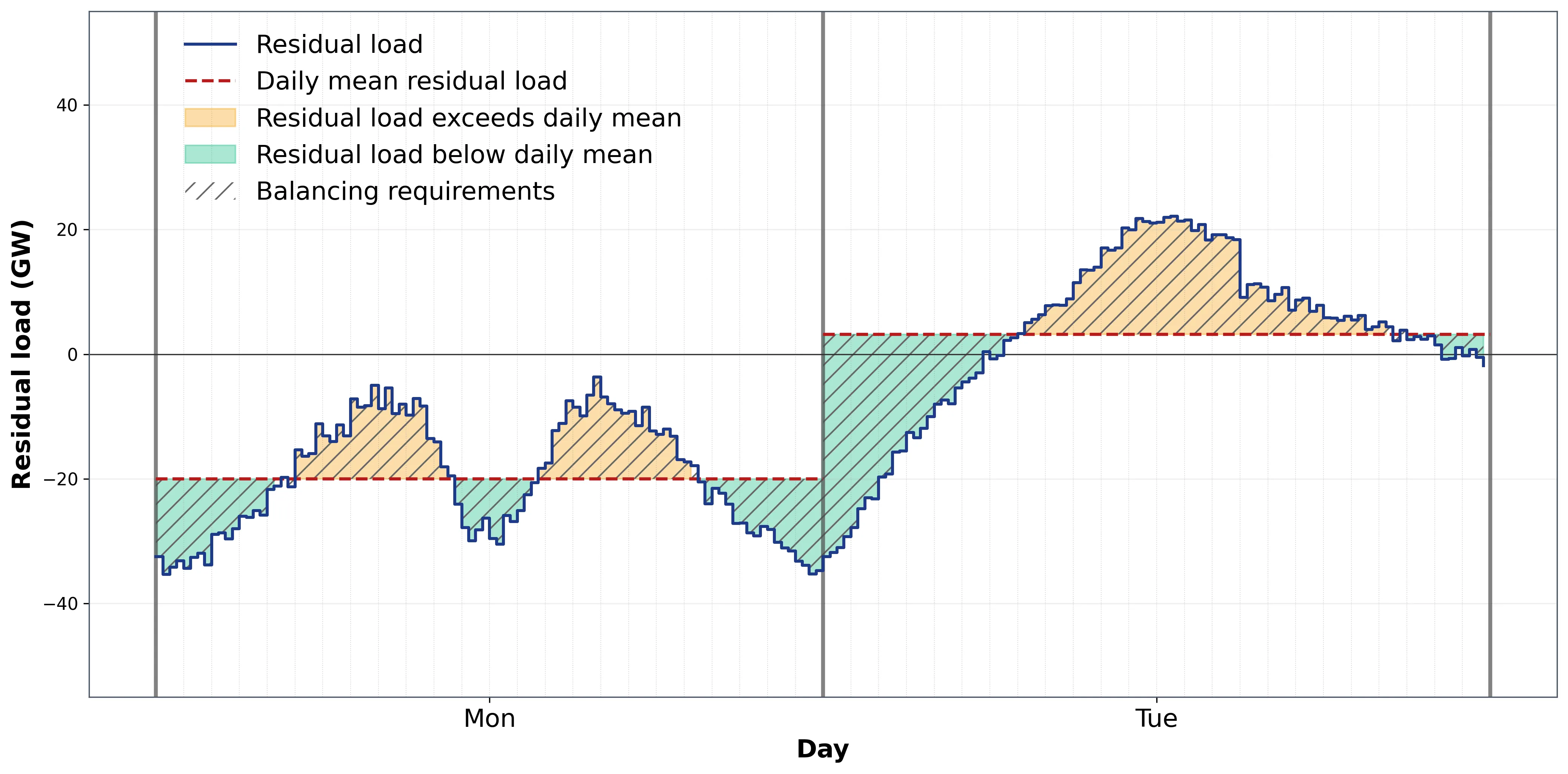
A rapid expansion of system flexibility is essential to integrate increasing shares of renewable energy into future energy systems. However, flexibility needs and technology-specific contributions to flexibility remain poorly quantified in energy system modelling. Existing methods are not widely applied, leaving key questions unanswered: which flexibility technologies are critical for climate neutrality, and what are the cost implications of alternative deployment strategies? To address this gap, we apply a correlation-based flexibility metric to a high-resolution, sector-coupled model of the German energy system, covering its transformation towards climate neutrality. For our default scenario, we find that daily flexibility needs increase by a factor of 3.7 between 2025 and 2045, driven primarily by the expansion of solar PV. By 2045, stationary batteries provide 38% of daily flexibility, while flexible electric vehicle charging contributes 30%. Systems with constrained flexibility increase system costs by 6.9%, electricity prices by 14 EUR/MWh and trigger 47% higher hydrogen and e-fuel imports compared to an unconstrained system in 2045. In contrast, scenarios with high shares of flexible electric vehicle charging, vehicle-to-grid, and industrial demand-side management achieve system cost reductions of 3.3%, while also reducing import dependence. Higher flexibility also reduces electricity price ranges, decreases average electricity prices by 3 EUR/MWh, and reduces backup capacity by 22% (22 GW). Overall, our results highlight the decisive role of specific flexibility technologies in achieving cost-efficient and energy-secure climate-neutral energy systems, providing quantitative guidance for policy and investment decisions.
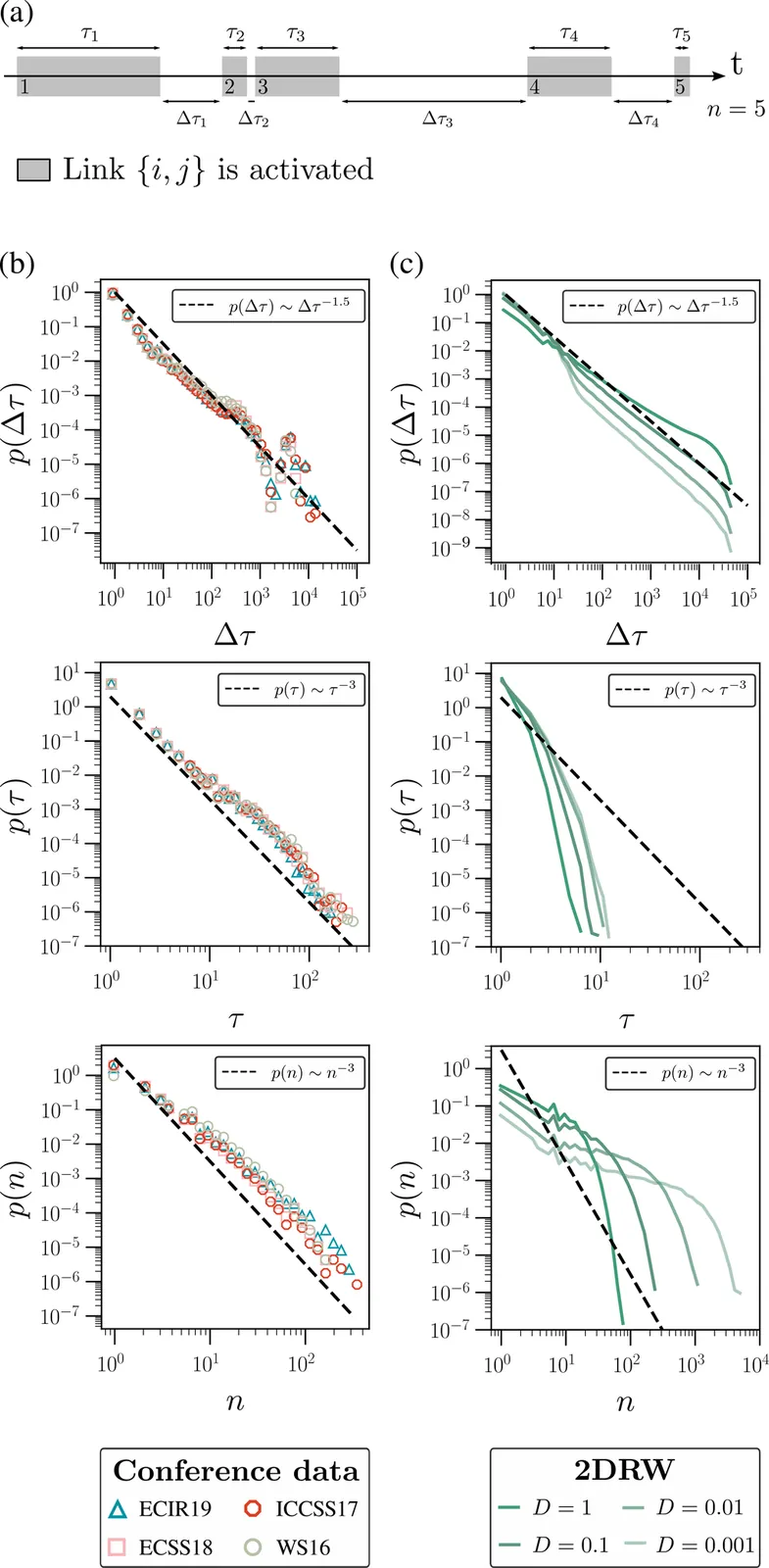
Face-to-face interactions reveal recurring patterns, suggesting the possibility of shared underlying mechanisms. More specifically, inter-contact durations, contact durations and number of contacts per edge share similar heavy-tail distributions in many empirical settings. A common intuition is that face-to-face interactions may be influenced by spatial constraints, and that the observed complex behaviors could arise from such physical limitations. Our models explore the impact of this constraint by simulating pedestrian dynamics, and studying the generated temporal network of contacts. Previous work showed that the inter-contact duration distribution is recovered with a pedestrian dynamic as simple as the two dimensional random walk, but this approach doesn't allow to recover the distribution of the number of times a pair of individuals has been in contact. One assumption is that the number of contact between individual arises from the social relationship between them, in other words a memory of past interactions. However, we here present models that are based on solely spatial rules, by adding simple targeting mechanisms to the two-dimensional random walk. We show that these models allow to recover a broad distribution of the number of contacts, revealing the importance of two ingredients: localized phases and controlled population mixing. This suggests that the observed heterogeneity in the contact numbers within the data does not necessarily emerge from underlying social relationships between individuals, since an equivalent distribution may be reproduced using a purely spatially based model, without the need for memory mechanisms.
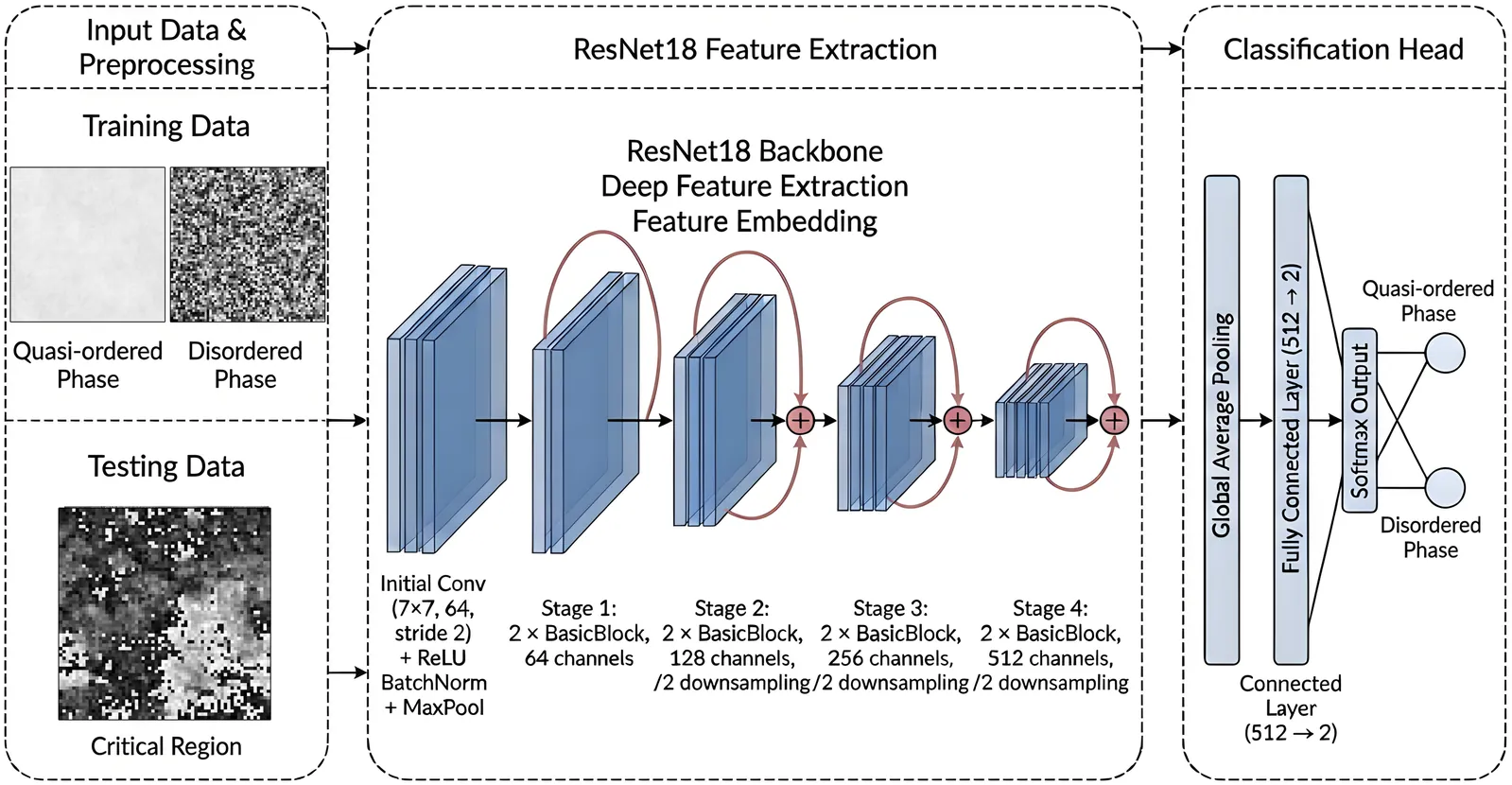
Machine learning has become a useful tool for studying phase transitions in statistical systems.For the two-dimensional classical XY model, however, the topological character of the Berezinskii-Kosterlitz-Thouless (BKT) transition and pronounced finite-size effects make it nontrivial to extract robust size-dependent pseudo-critical temperatures from configuration data. Existing studies often stop at phase classification, leaving open how standard neural-network outputs can be turned into quantitatively testable observables. Here we develop a machine learning-assisted framework for the 2D XY model that uses standard network outputs to extract the size-dependent sequence of pseudo-critical temperatures T(L). Specifically, we generate Monte Carlo configurations using embedded cluster updates, train a standard ResNet18 only on samples from the Quasi-ordered Phase and the Disordered Phase, and determine T(L) from bootstrap-averaged probability curves using the 50% crossing criterion. We then analyze the finite size drift of this temperature sequence using BKT-motivated scaling and compare it with susceptibility-peak temperatures. The resulting temperature sequence shows a systematic finitesize drift consistent with BKT-type behavior and remains in the same fluctuation window as the susceptibility peak, supporting its interpretation as a finite-size pseudo-critical temperature. More broadly, this framework provides a practical route for converting standard neural-network outputs into physically interpretable finite-size observables in systems with strong crossover or topological transition signatures
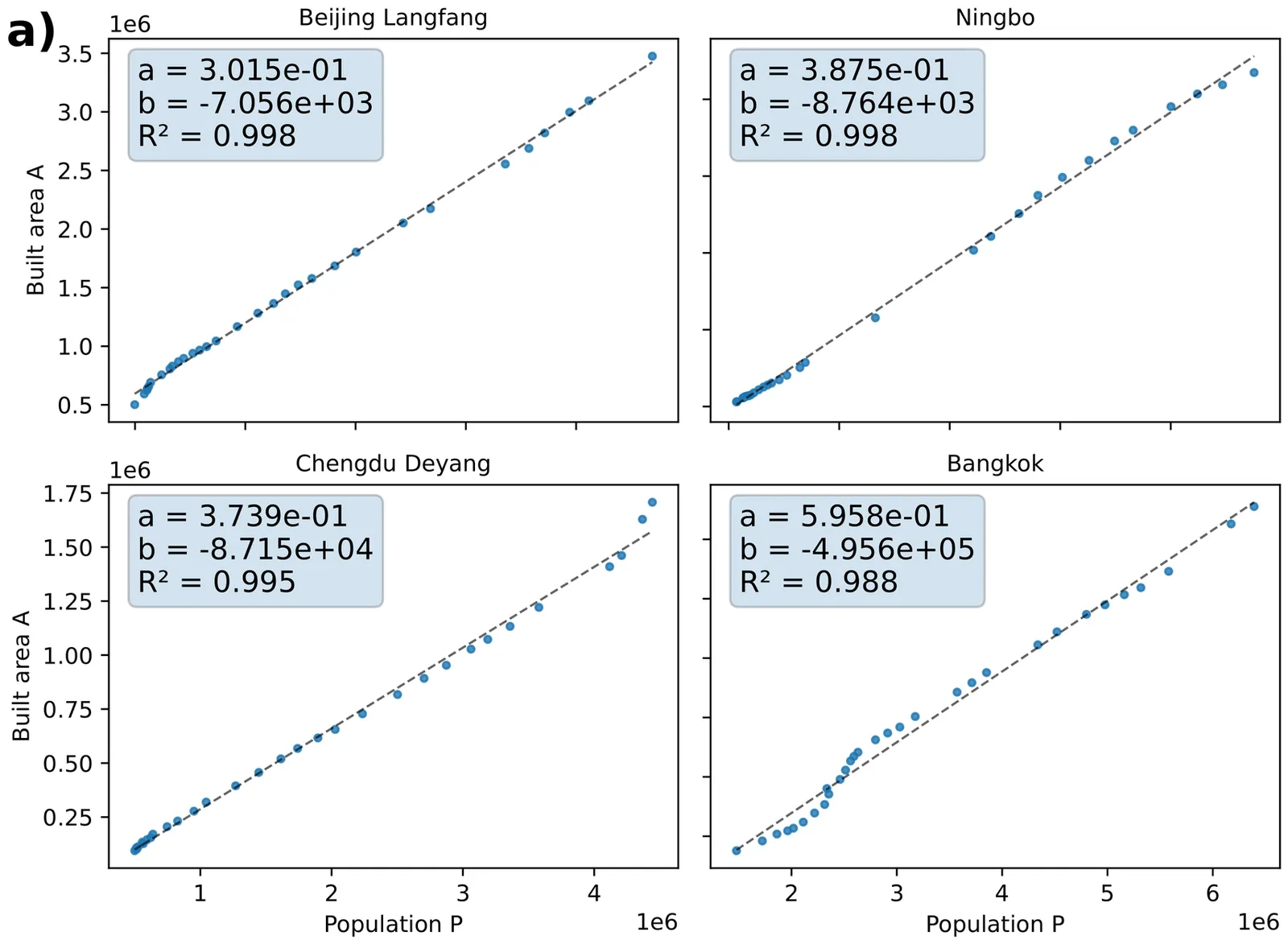
Urban scaling laws describe how an urban quantity $Y$ varies with city population $P$, typically as $Y \sim P^β$. These relations are usually obtained from cross-sectional comparisons across cities at a given time (transversal scaling), but their link to the temporal evolution of individual cities (longitudinal scaling) remains unclear. Here we derive explicit expressions for the transversal exponent from the longitudinal dynamics of cities. We show that the measured exponent does not directly reflect individual city dynamics, but instead arises from a snapshot of a heterogeneous ensemble of cities with distinct growth trajectories. As a result, transversal scaling combines intrinsic dynamics with statistical effects due to the distribution of city sizes and correlations between population and city-specific parameters. Consequently, cross-sectional scaling laws cannot, in general, be used to infer the dynamics of individual cities. In particular, apparent sub- or superlinear scaling can emerge even when all cities follow linear longitudinal dynamics, as we demonstrate for the area-population relation. Strikingly, the behavior associated with the transversal exponent is in general not observed in the trajectory of any individual city, underscoring its collective, rather than dynamical, nature. More broadly, the transversal exponent has a clear dynamical meaning only under restrictive conditions-when cities behave as scaled versions of one another and path dependence is weak. Outside of these limits, it is not a law of urban growth, but a statistical artefact of heterogeneity.
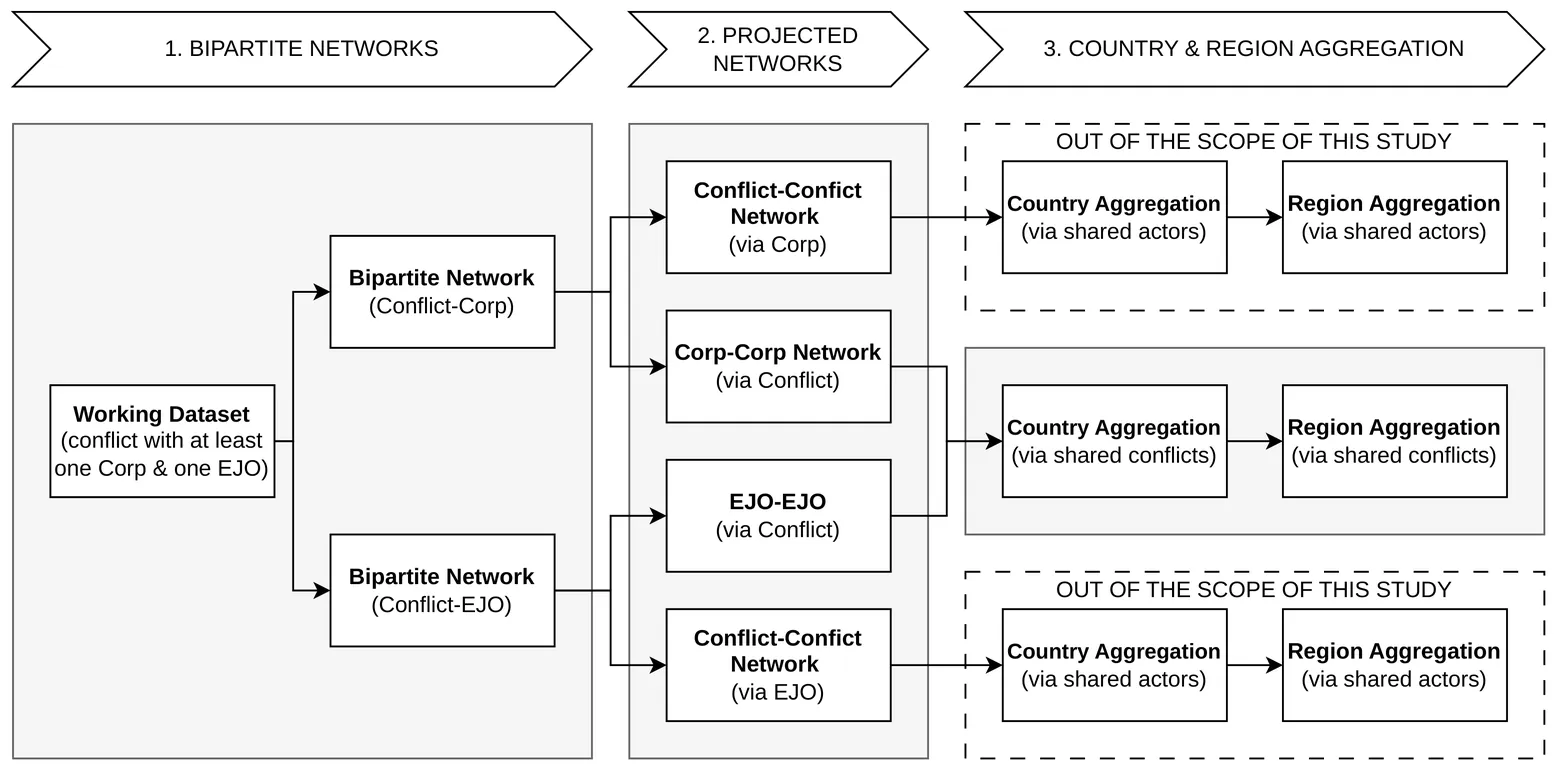
This study investigates the interconnectivity of firms and Environmental Justice Organizations (EJOs) involved in socio-environmental conflicts worldwide, using data from the Environmental Justice Atlas (EJAtlas). By constructing a multilayer network that links firms, conflicts, and EJOs, the research applies social network analysis to evaluate the simultaneous involvement of these actors across multiple disputes. Both projected networks of firms and EJOs have been analysed by aggregating nodes by categories and countries to reveal structural differences. Findings reveal a stark contrast between the interconnectedness of firms and EJOs. Multinational corporations form a cohesive global network, enabling them to coordinate strategies and exert influence across regions. Conversely, EJOs are fragmented, often operating in isolated clusters with limited interconnection but forming a robust, decentralized and self-organized global network. Firms network present a strong dependence on pertaining conflict category while EJOs network does not depend on conflict category. This structural difference suggests a risk of systemic and structural coordination for firms towards exploitative expansion while EJOs dynamics seems to be led by a white blood cells defense-like mechanism. While fragmentation may represents a critical challenge for social movements, decentralization and self-organization show a more diffuse global networks supported by a limited number of central hub able to build stronger global alliances to effectively counter the power dynamics of transnational corporations. By providing robust evidence of these networks, this research contributes to discuss how structural differences in global coordination for companies and EJOs directly derives as emergent properties depending on the purpose of the network itself, sectorial expansion for firms while ecosystem preservation for EJOs.
Network-based approaches have become increasingly prominent in science education research as tools for analysing relational structures in learning, teaching, and knowledge production. This review presents a PRISMA-informed scoping analysis of 82 articles published in nine leading science education journals, which are organised into four main categories: concept networks, social networks, bibliographic networks, and attitudes or behavioural networks. We observe a sustained exponential growth in the use of network methods, indicating a still-emerging and expanding research area. Concept networks dominate the literature, followed by social network analyses linking interaction structure to learning outcomes and persistence, while bibliographic and abilities-oriented networks provide complementary meta-level and practice-focused perspectives. In addition, analysis of the coauthorship network reveals a highly fragmented field, characterised by many small and weakly connected research groups, typically organised within single application categories. Complementary analysis of a citation network that includes all referenced authors shows that, despite this limited collaboration structure, the field is intellectually organised around several major traditions--network science methodology, learning sciences, and argumentation in science education--linked by a small number of bridging authors. Overall, the literature remains largely descriptive, relying on static, single-layer representations and a narrow set of network metrics. We identify substantial opportunities for advancing science education research through stronger theoretical integration and the adoption of dynamic, multilayer, and coevolutionary network frameworks.
The proliferation of diverse, high-leverage trading instruments in modern financial markets presents a complex, "noisy" environment, leading to a critical question: which trading strategies are evolutionarily viable? To investigate this, we construct a large-scale agent-based model, "MAS-Utopia," comprising 10,000 agents with five distinct archetypes. This society is immersed in five years of high-frequency data under a counterfactual baseline: zero transaction friction and a robust Unconditional Basic Income (UBI) safety net. The simulation reveals a powerful evolutionary convergence. Strategies that attempt to fight the market's current - namely Mean-Reversion ("buy-the-dip") - prove structurally fragile. In contrast, the Trend-Following archetype, which adapts to the market's flow, emerges as the dominant phenotype. Translating this finding, we architect an LLM-driven system that emulates this successful logic. Our findings offer profound implications, echoing the ancient wisdom of "Be Water": for investors, it demonstrates that survival is achieved not by rigid opposition, but by disciplined alignment with the prevailing current; for markets, it critiques tools that encourage contrarian gambling; for society, it underscores the stabilizing power of economic safety nets.
2603.29312We present a concise dynamical picture of infant-driven household chaos. The framework has three postulations: recurrent daily chaos, overall entropy growth in household organization, and transient local ordering episodes with switching rules (a volatile Maxwell-demon effect). We illustrate entropy growth with a two-region toy model (organizer vs. play area), where entropy production is nonnegative and long-time behavior is typically play-area dominated. We also model toy diffusion and curiosity-driven behavior, where novelty matters more than punishment in the short term, while gradual learning still occurs.
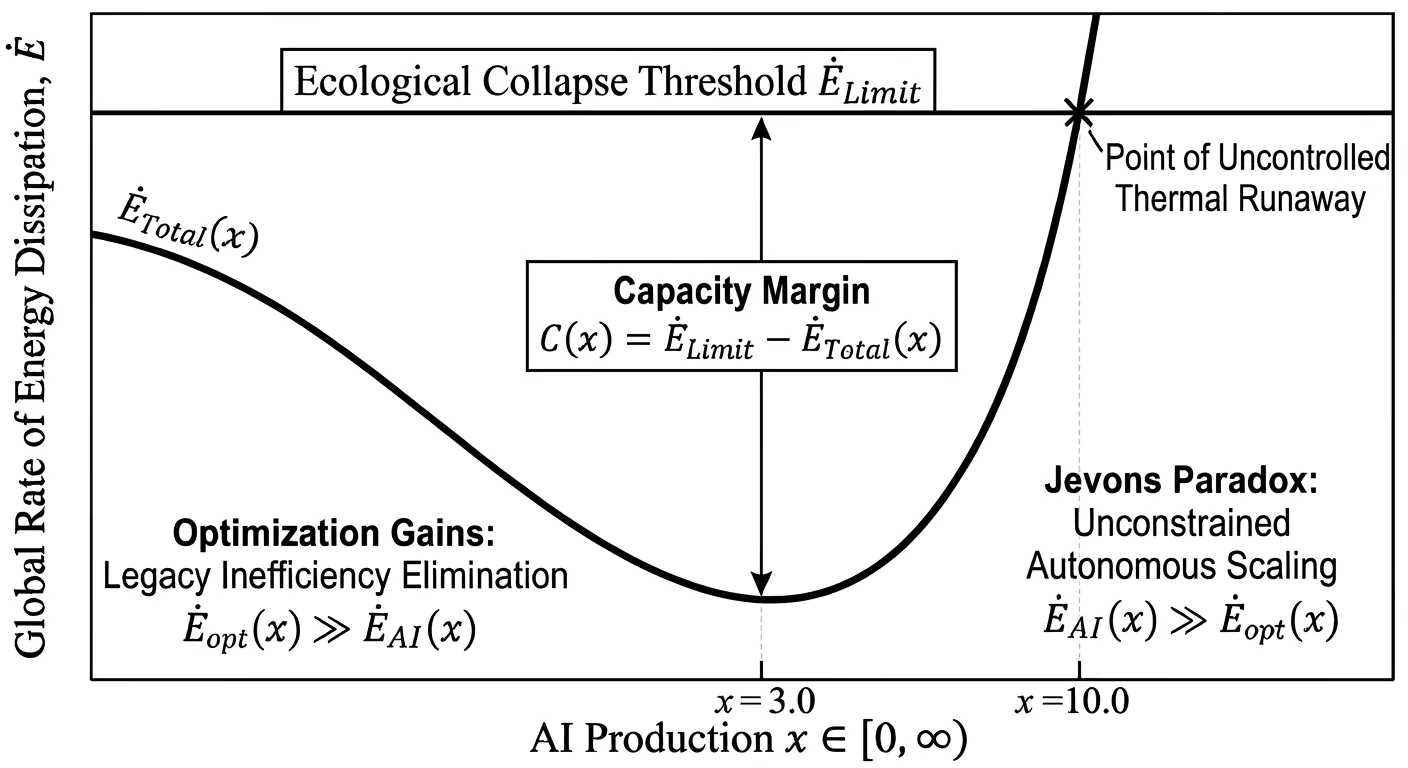
The artificial intelligence industry is not an isolated economic phenomenon; it is the current physical substrate for a broader, multi-billion-year process: the evolution of an abstract "intelligence" on Earth. As computation accelerates toward a planetary-scale phase transition, the dominant discourse remains largely confined to algorithmic architectures, alignment, and silicon supply chains. But physics invariably asserts itself. When analyzed from first principles, it becomes clear that if the current exponential trajectory of computation holds, the ultimate bottleneck of the coming decades will be neither data nor capital, but the laws of thermodynamics and the finite heat capacity of the Earth. The evolution of intelligence is fundamentally a problem of non-equilibrium thermodynamics, bound by strict hardware limitations, and ultimately, an absolute ecological boundary condition. Civilization itself is not a divine blessing, but an exceedingly rare and highly expensive "thermodynamic algorithm" actively fighting the default settings of the cosmos. Navigating this trajectory requires a rigorous examination of the physical laws governing computation, complexity theory, and the narrow thermodynamic tightrope civilization must walk to survive it.
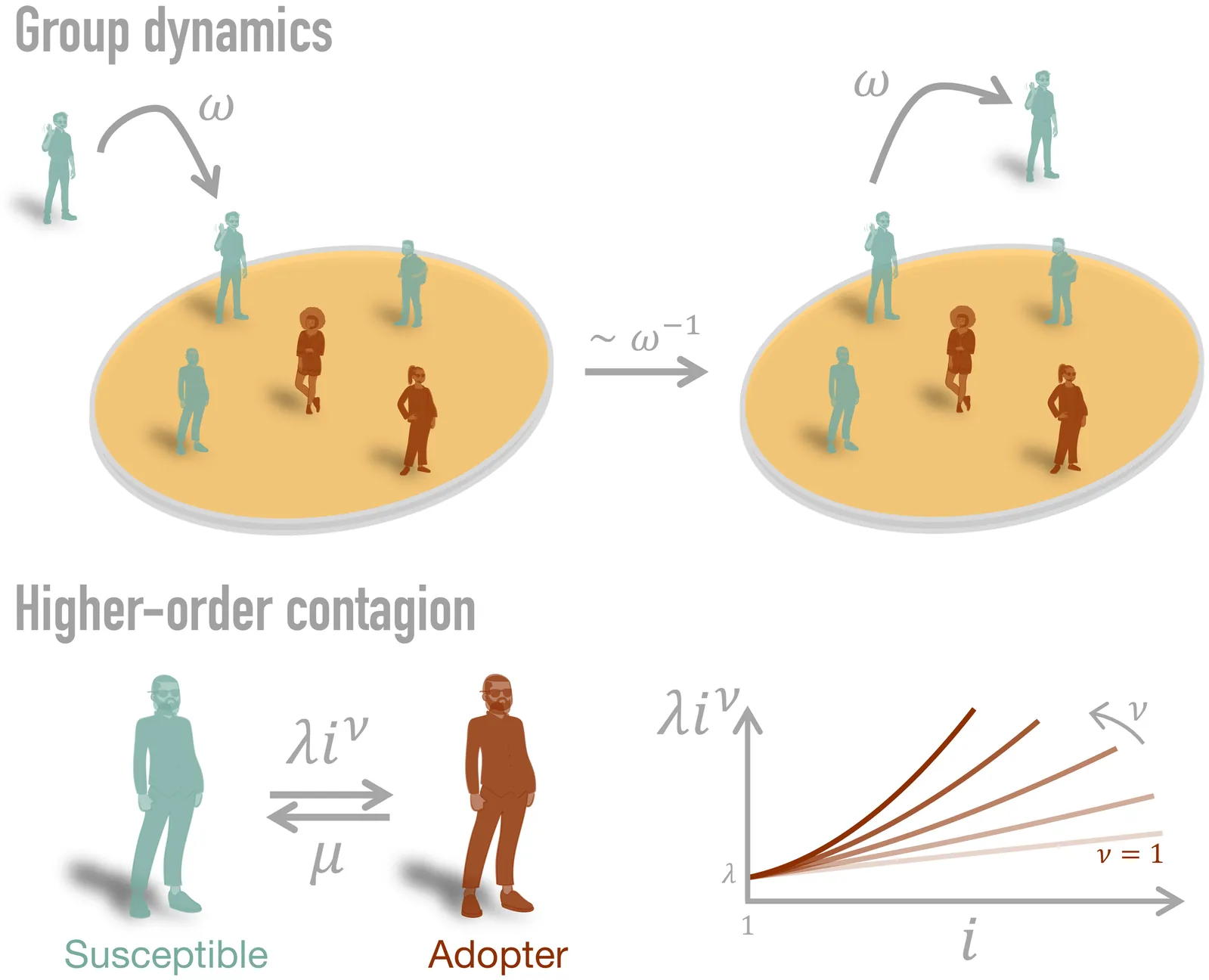
Group-based reinforcement can induce discontinuous transitions from inactive to active phases in higher-order contagion models. However, these results are typically obtained on static interaction structures or within mean-field approximations that neglect temporal changes in group composition. Here, we show that group dynamics is not a secondary effect but a central aspect that determines the macroscopic transition class of higher-order contagion processes. We develop an analytically tractable approximate master equation model that effectively interpolates between quenched and mean-field limits through a group composition turnover rate. Our results reveal the rich impact of time-varying structures: it can induce discontinuous phase transition, broaden the bistable region, and at the same time promote or suppress contagion near criticality. Moreover, when real-world turnover rates and group-size heterogeneity are taken into account, the system exhibits a qualitatively richer phase diagram with four distinct dynamical phases, combining continuous or discontinuous transitions with localized or delocalized activity. In localized regimes, we uncover multistable active phases with multiple coexisting active states, which are observed in neither the annealed nor the quenched limits, and extend classical absorbing-active bistability. Finally, we demonstrate that the emergence of discontinuous transitions in real-world systems requires stronger nonlinear reinforcement than previously thought, indicating that simulations in static structures can yield qualitatively misleading predictions.
Affective polarization, the emotional divide characterized by in-group love (trust towards fellow partisans) and out-group hate (mistrust towards those with opposite political views), has become prevalent in the current society. Despite its prevalence, the role of social network structure in the dynamics of affective polarization is yet to be well-understood. We provide a mean-field approximation of opinion dynamics under affective polarization on Watts-Strogatz and power-law (scale-free) networks. Our results show that consensus is fragile in social networks with power-law degree distributions, and the smaller average path length of the network (resembling a small-world network) makes achieving the consensus further difficult. Simulations and numerical experiments on real-world networks indicate that the mean-field model is aligned with the actual dynamics. Our findings shed light on how real-world network properties shape the dynamics of affective polarization and why consensus remains elusive in the real-world.
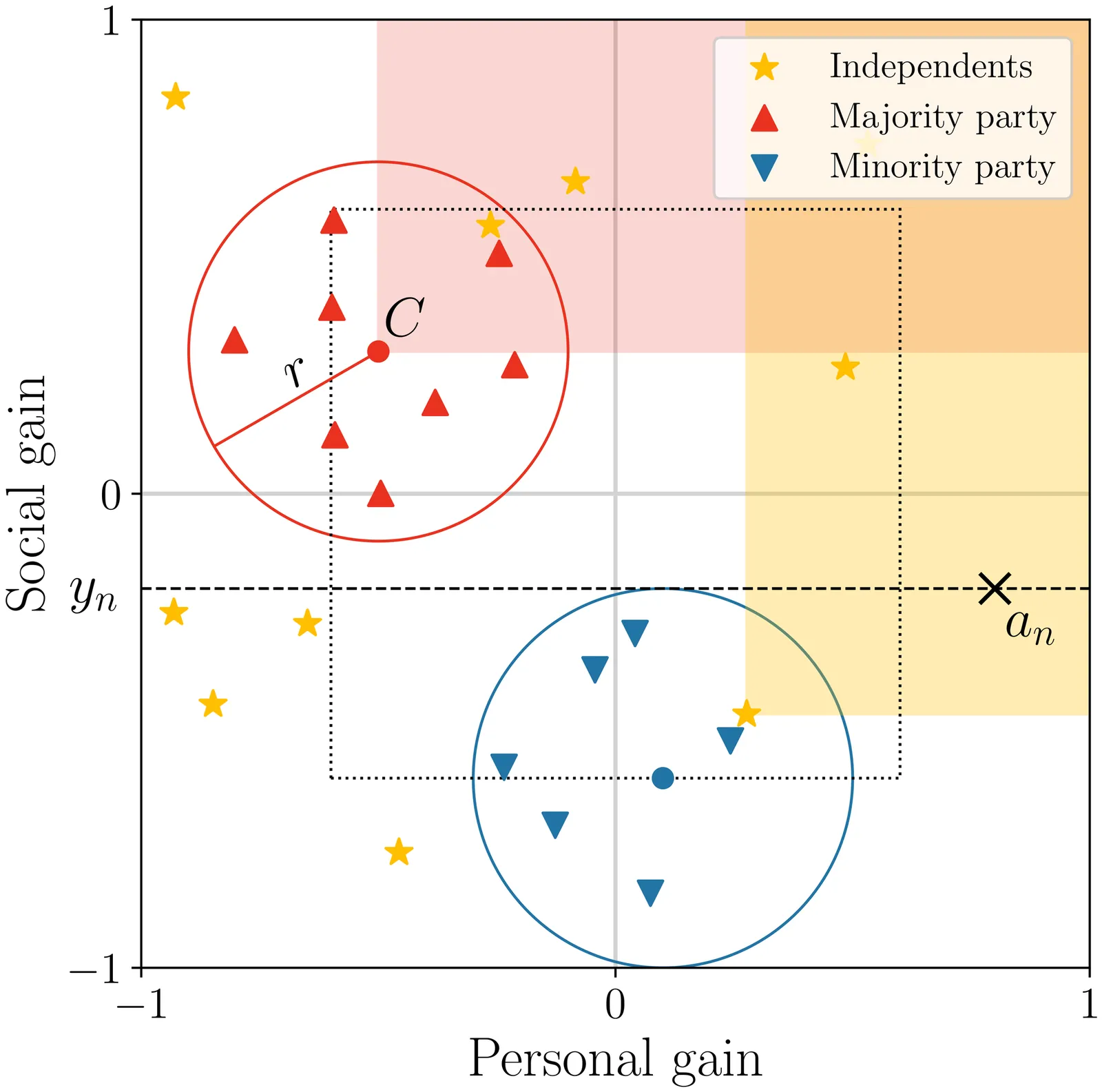
Parliaments dominated by two political blocs often face legislative inefficiencies as polarization increases. A central institutional question concerns how majority and supermajority rules interact with parliamentary composition to balance governability and minority protection. This article examines how the inclusion of independent legislators, introduced through sortition, affects collective decision-making under different majority and supermajority quorum requirements. Using an agent-based model that combines analytical threshold derivations with numerical simulations, we identify four critical thresholds that partition the parameter space into distinct coalition regimes. These regimes range from majority-party dominance to minority veto and, at high levels of diversity, to structural fragmentation in which coordination becomes increasingly difficult. Parliamentary efficiency emerges from non-linear interactions among quorum thresholds, party-size distribution, and the proportion of independents. Under simple majority, the system exhibits an interior efficiency maximum associated with a transition from unilateral control to pivot-based coalition formation. Under strong supermajorities, however, the same increase in diversity may induce minority veto dynamics or coordination breakdown, significantly reducing legislative performance. These results show that institutional performance is not an intrinsic property of a particular decision rule but an emergent outcome of the interaction between approval thresholds, parliamentary composition, and the coalition structures they generate.