768 papers
Quantum effects in plasmas
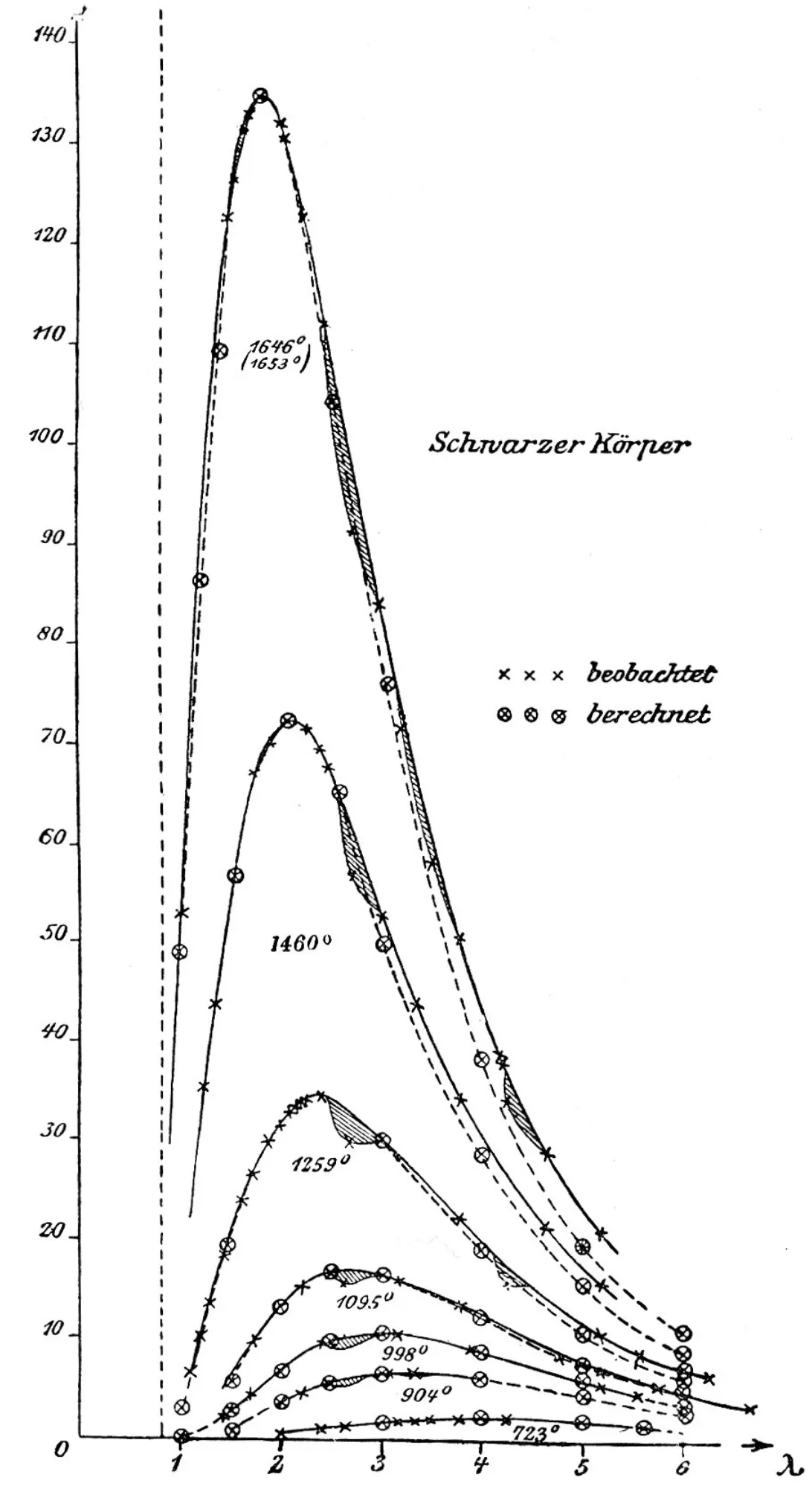
The year 2025 had been designated by UNESCO as the International Year of Quantum Science and Technology. 125 years ago Max Planck's discovery of radiation quanta started the quantum era and 100 years ago quantum mechanics was discovered by Schroedinger, Heisenberg, Bohr, Pauli, Dirac, Born, Fermi and many others. By now, quantum mechanics is the theoretical foundation of most fields of physics and chemistry, and it is the basis for modern nanotechnology. How about plasma physics? How important are quantum effects in plasmas? In what experiments quantum effects are observed and where do they govern the behavior of plasmas? How can these effects be treated theoretically and via computer simulations? Starting with a brief historical overview we discuss the broad parameter range that is characteristic for plasmas and outline where quantum effects are relevant. This is the case primarily for warm dense matter and inertial fusion plasmas. We provide an overview on the theoretical quantum methods that are available for these dense plasmas and how their respective advantages can be combined in order to achieve predictive capability. The key is a downfolding approach that is based on first principles simulations.
2604.03757Apr 2026
View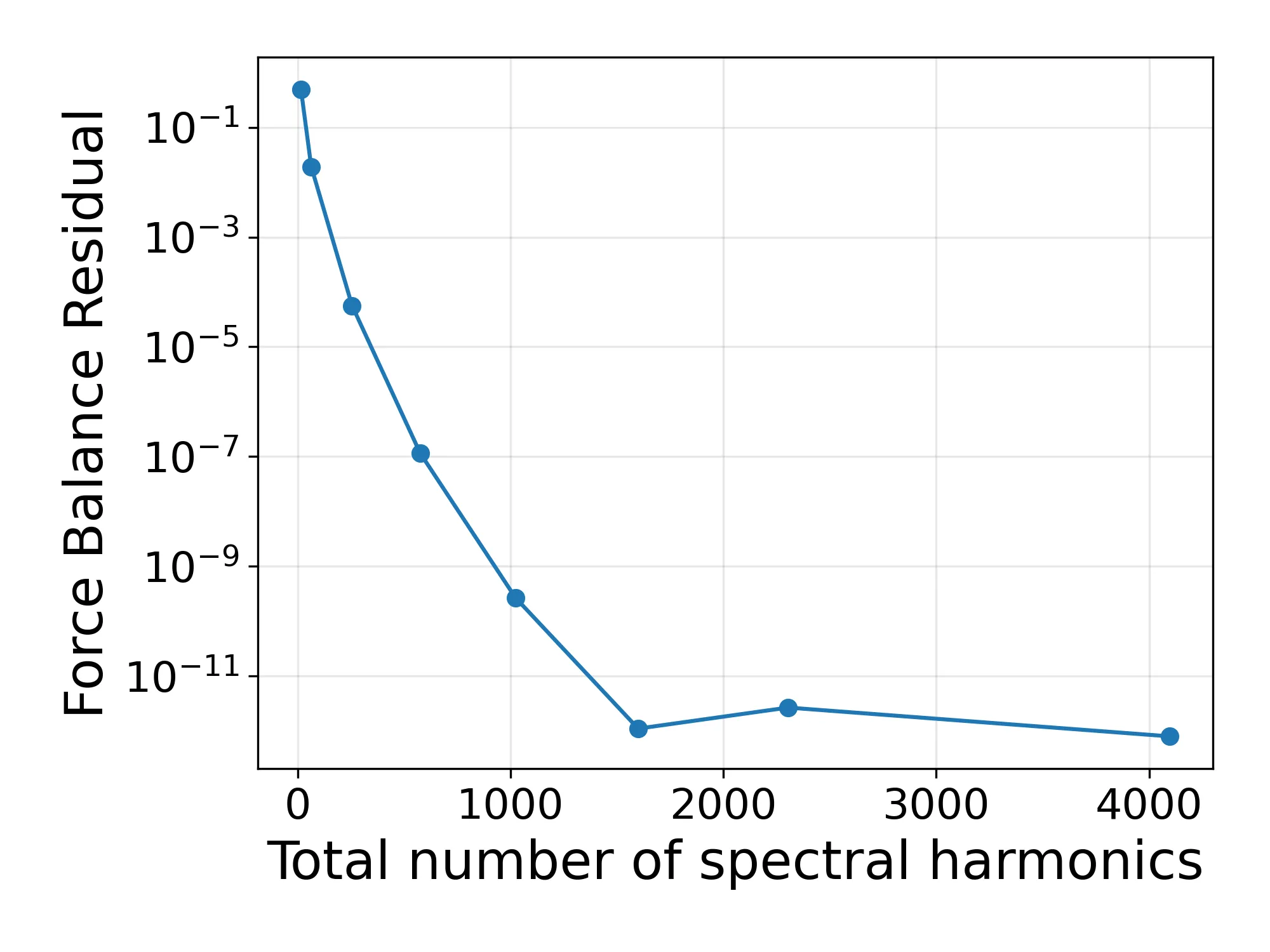
Relaxed magnetohydrodynamics with cross-field flow
The phase-space Lagrangian model of Dewar et al. (Phys. Plasmas 27, 062507, 2020) provides a framework for incorporating cross-field flow into relaxed equilibria while retaining ideal magnetohydrodynamics force balance. Here, we characterize the steady-state solution space and identify a solvability condition that couples the prescribed constrained flow to the geometry through the metric tensor. Using this condition, we construct equilibria in slab, cylindrical, and toroidal geometries. In toroidal geometry, the cross-field flow strongly correlates with magnetic-island structure: varying the rotation frequency modifies the dominant Fourier harmonic of the radial component of the magnetic field and can drive a transition from a primary (m = 1) island to secondary (m = 2) islands. In slab and cylindrical geometries, flow parameters weakly affect island width but strongly modify equilibrium profiles.
2604.03545Apr 2026
View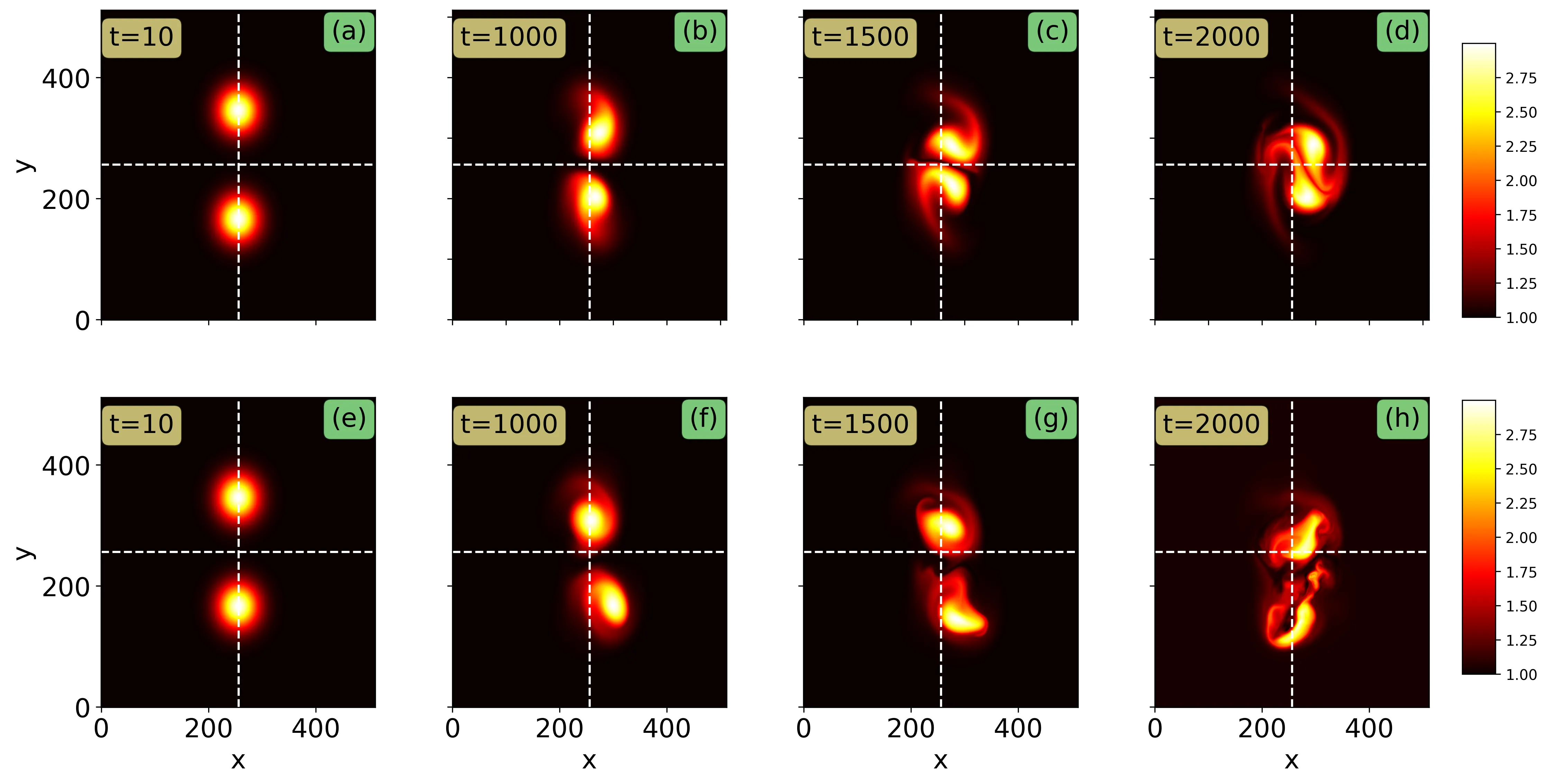
Finite Ion Temperature Effects on the Merging of Current-Carrying ELM Filaments in the edge region of a tokamak
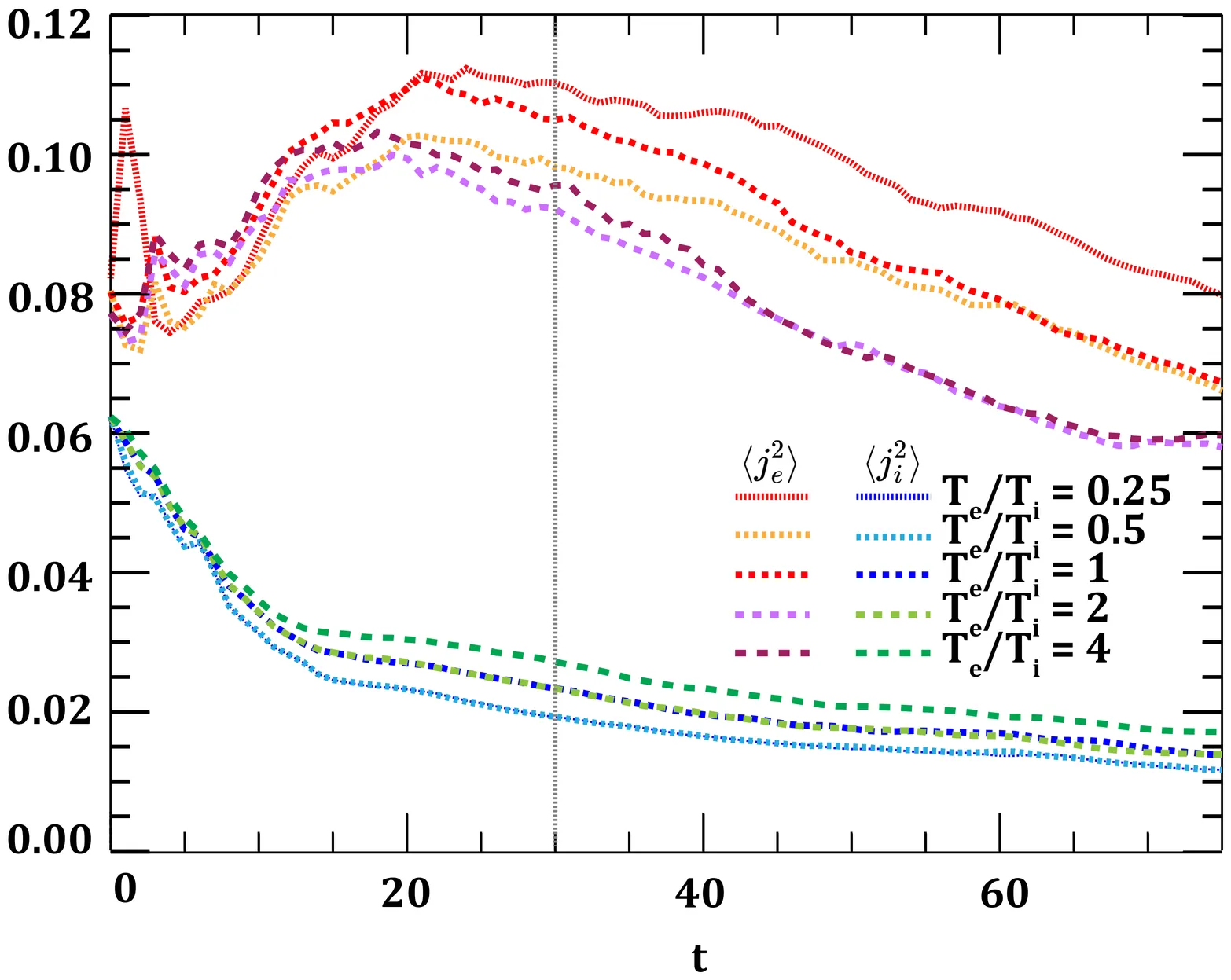
Edge-localized-mode (ELM) filaments are crucial for cross-field transport at the tokamak edge; yet, their dynamics are often analyzed using the cold-ion approximation, despite experimental data indicating that Ti~Te . This study employs a normalized three-dimensional fluid model to investigate the influence of finite ion temperature on the dynamics of unidirectional current-carrying ELM-like filaments. We demonstrate that increasing ion temperature substantially alters filament propagation and interaction, resulting in a delay of filament merging despite an increase in total kinetic energy due to a stronger pressure-gradient drive. The examination of single-filament dynamics indicates that finite ion temperature generates asymmetric potential structures, strong poloidal flows, and persistent rotational motion, which channel kinetic energy from radial propagation into vortical dynamics. A comprehensive examination of the ion-to-electron temperature ratio reveals a distinct transition from radially dominated to rotation-dominated behavior as ion temperature increases. These results provide a unified physical explanation for reduced radial transport and delayed merging in the warm-ion domain, emphasizing the necessity of incorporating ion temperature effects in the modeling of ELM filament dynamics and edge plasma transport.
2604.03089Apr 2026
View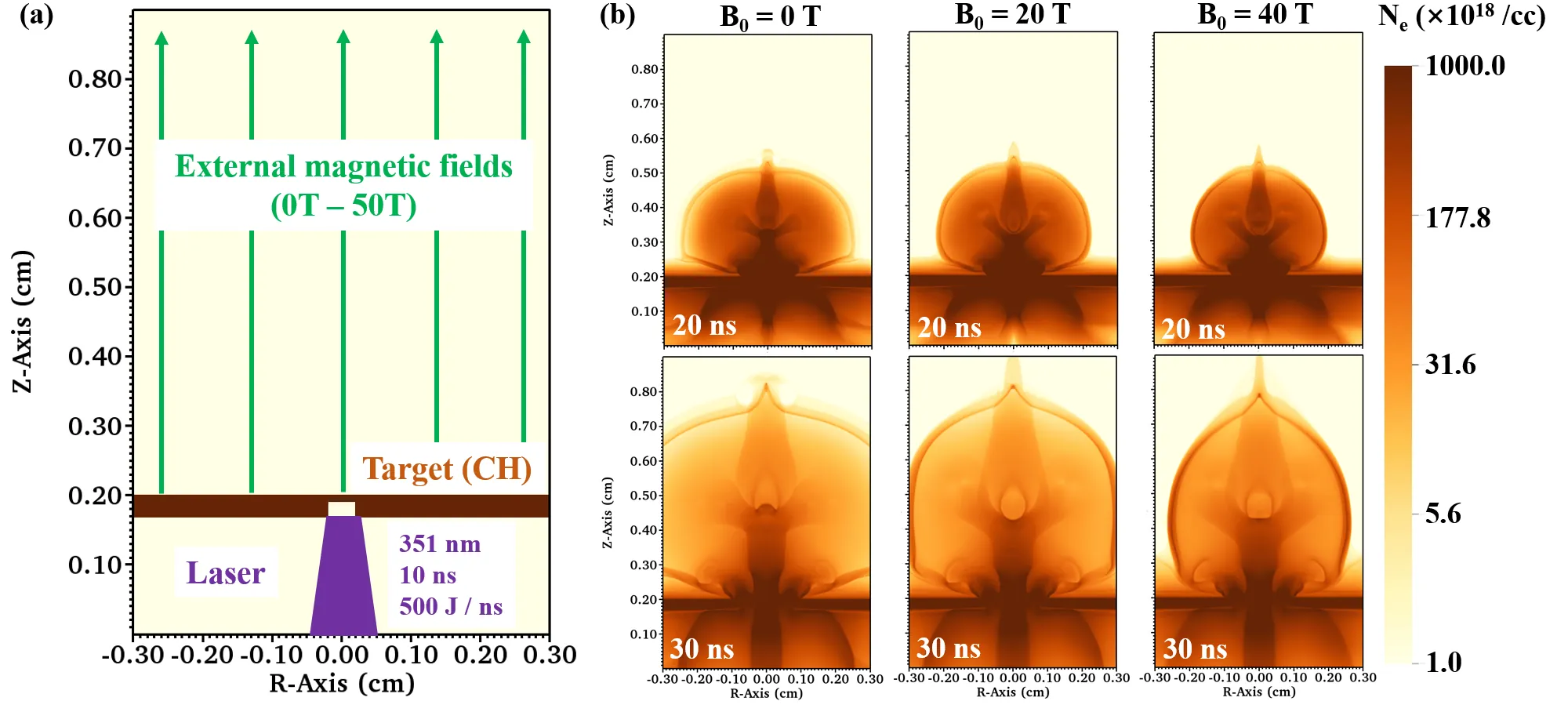
Collimation of diamagnetic laser-driven plasma outflows by an ambient magnetic-pressure gradient
We present magnetohydrodynamic simulations of laser driven plasma outflows propagating along an externally applied poloidal magnetic field, designed to mimic coronal open-field plasma jets. Using the FLASH code with non-ideal terms (resistivity, Biermann battery, and Nernst advection) included, we model a CH target driven by a 3$ω$ (351 nm) beam delivering 5 kJ over 10 ns and a uniform background field $\text{B}_0$ = 0 to 50 T. Under these conditions, the expanding plume develops a central low-density diamagnetic cavity bounded by a high-magnetic-pressure shell. Magnetic flux is advected from the plume center to its edge, and azimuthal diamagnetic currents form that decrease fields inside the cavity and amplify fields outside, producing a radial magnetic-pressure gradient that exerts an inward $\text{J}\times \text{B}$ force and radially confines the flow. We show that the collimation strengthens with increasing applied magnetic field, as stronger fields reduce the plasma $β$ and correspondingly enhance the confining $\text{J}\times \text{B}$ force.
2604.02704Apr 2026
View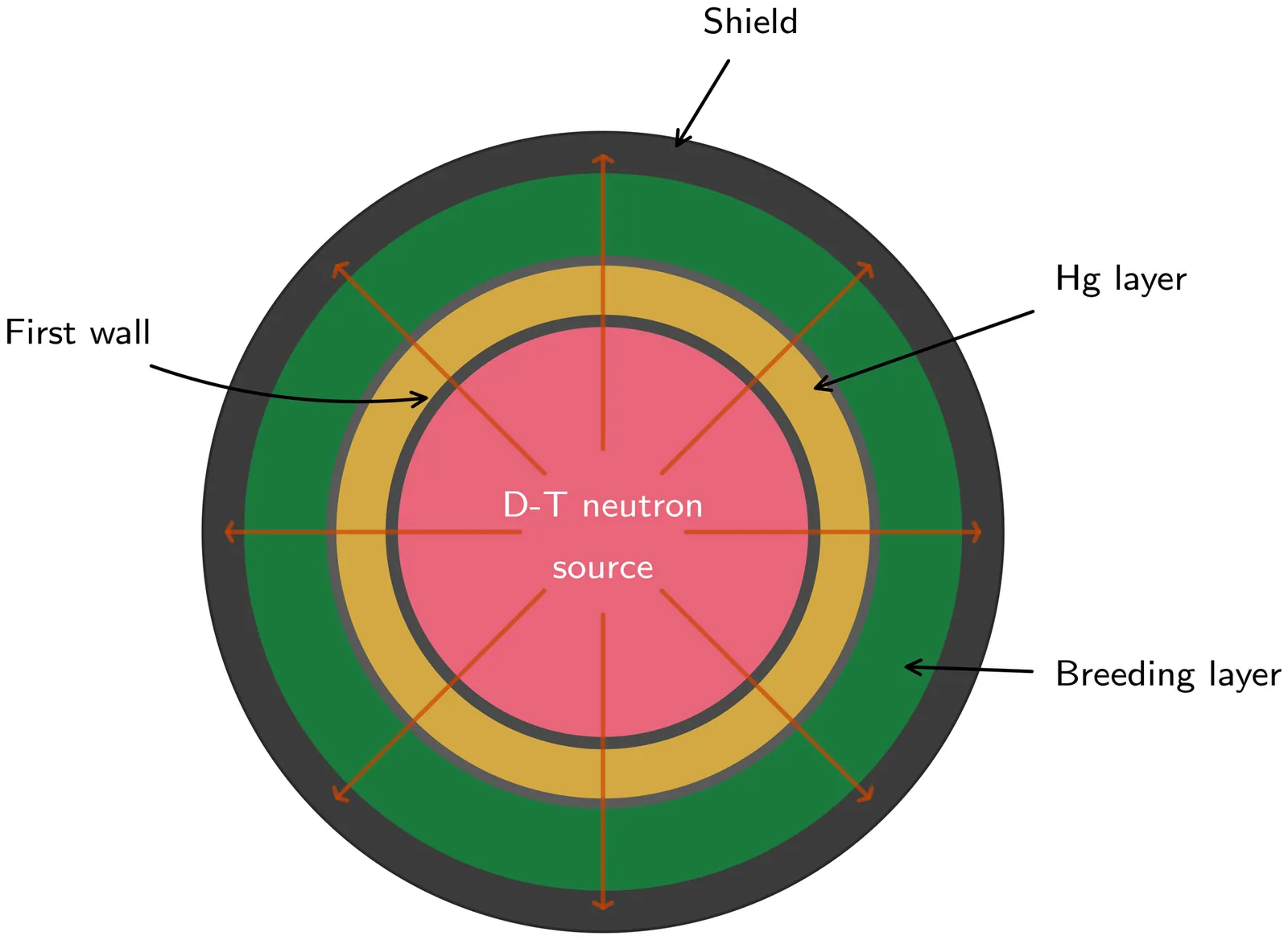
Self-subsidizing Mercury Remediation with Fusion Reactors
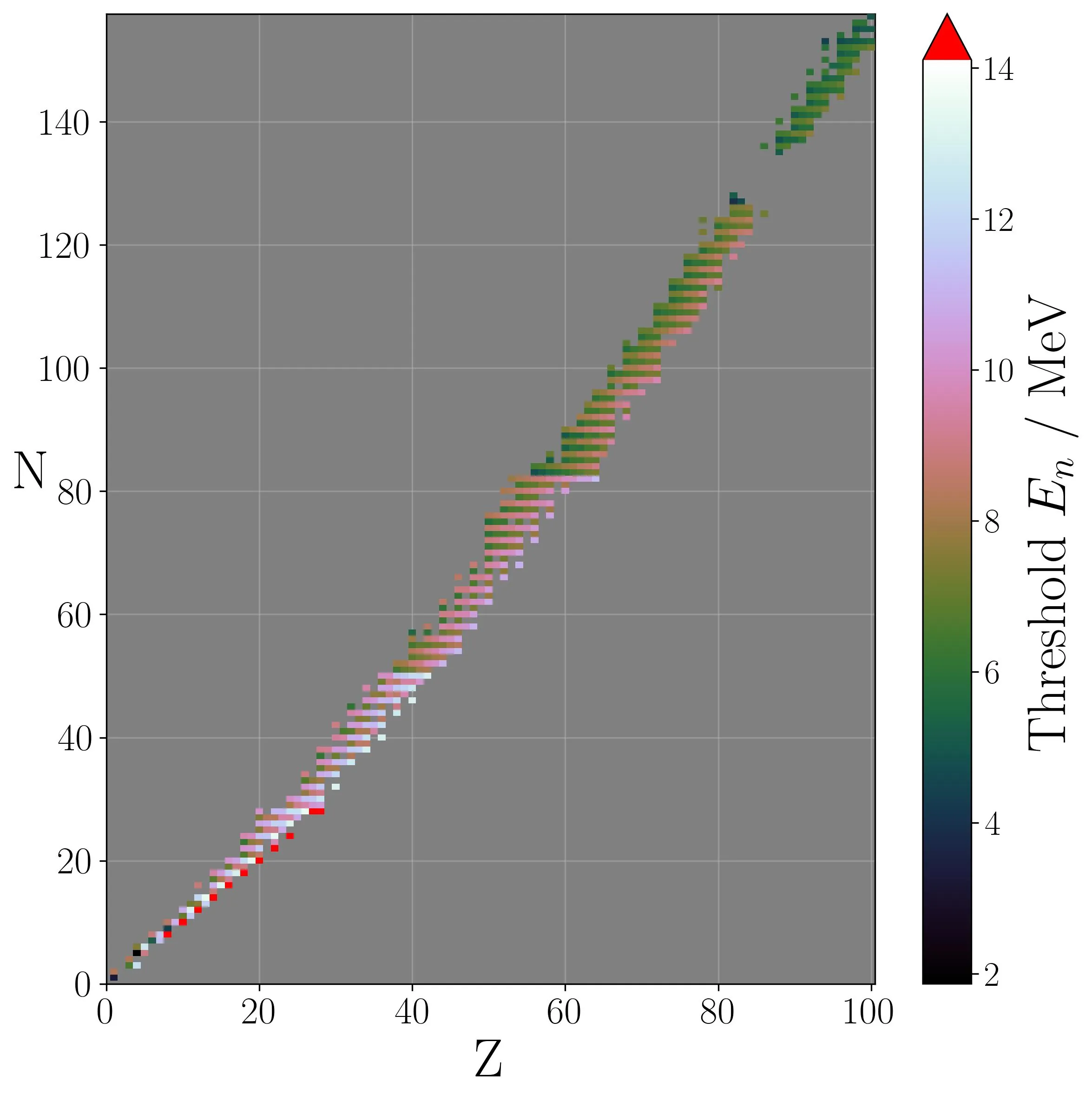
Fusion reactors can permanently remediate mercury by using it as a neutron multiplier: each (n,2n) reaction reduces the neutron number towards ${}^{197}$Hg which quickly decays into stable gold, irreversibly removing it from the environment while generating substantial economic value. Fusion energy is therefore not merely environmentally benign, but anti-polluting through the continuous consumption of an environmental pollutant. The history of nuclear fission demonstrates that environmental concerns can be decisive obstacles to low-carbon power deployment, suggesting that integrated pollution remediation fundamentally improves the policy calculus for fusion energy. We show that at high neutron flux (achievable in muon-catalyzed and inertial confinement fusion), nuclear reactions make all mercury isotopes eligible for gold transmutation, incentivizing mercury recovery and valuing the world mercury extractable stock at ${\sim}\$200$ trillion, exceeding all in-ground gold reserves. Co-producing gold alongside electricity can triple a fusion plant's revenue, aligning economic incentives with complete, permanent mercury remediation.
2604.02590Apr 2026
View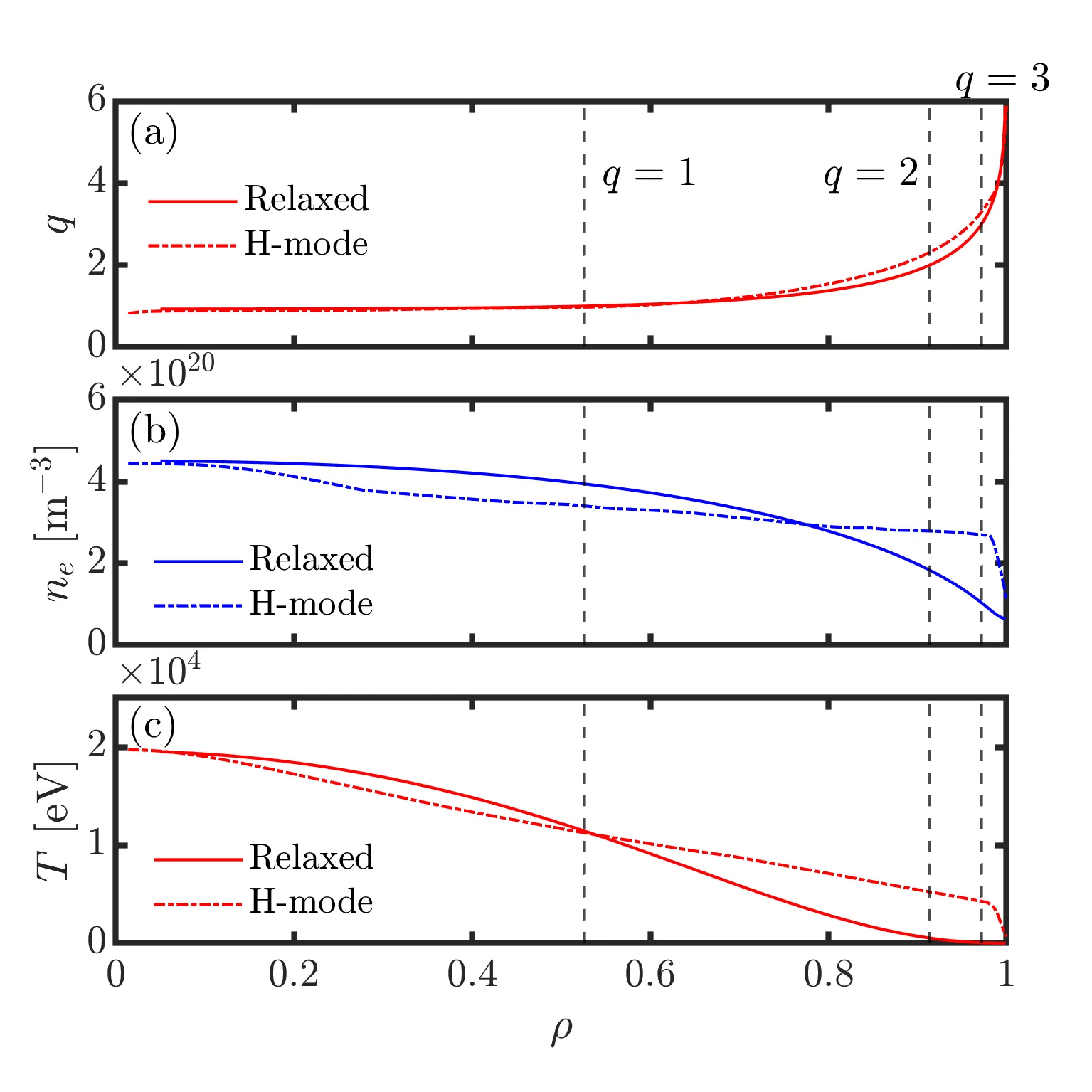
Simulations of internal kink modes and sawtooth crashes for SPARC baseline-like scenarios using the M3D-C1 code
A relaxed baseline case, based on the SPARC Primary Reference Discharge (PRD) design point, is used to conduct a thorough investigation for the most unstable low-$n$ MHD instabilities for the first time. The simulations use the high-fidelity 3D extended-MHD code M3D-C1. The linear simulation, by scanning over the resistivity, identifies a dominant internal kink mode at the $q=1$ surface with a toroidal mode number $n=1$. Both the current and the pressure profiles are strongly affecting the kink instability in the baseline case. The linear growth rate is sensitive to the keV-level temperature profile and the on-axis $q_0$ around unity. A simplified 1D eigenvalue solver shows a good qualitative agreement for the observed pressure effects. In 3D nonlinear simulations, the marginally unstable case gives a moderate sawtooth crash soon after $q_0$ drops below unity, likely because of the lack of stabilizing effects in our simulations, such as heating and energetic particles. When both the current and the pressure drives exist (the baseline case), a strong sawtooth is observed, which features a magnetic reconnection event and a hollowed pressure profile. This can be explained by mixing both the Kadomtsev and Wesson models. The actual sawtooth crash may occur in SPARC before $q_0$ drops far below unity due to the sensitive changes of the instability around $q_0\sim 1$. The sawtooth-like oscillations shown in low-$β$ simulations also provides an opportunity to investigate periodic sawtoothing timescales in SPARC. This work forms a basis for understanding particle and heat transport under the influence of MHD instabilities, which can be essential for properly assessing the performance of the SPARC tokamak and future fusion pilot plants.
2604.02172Apr 2026
View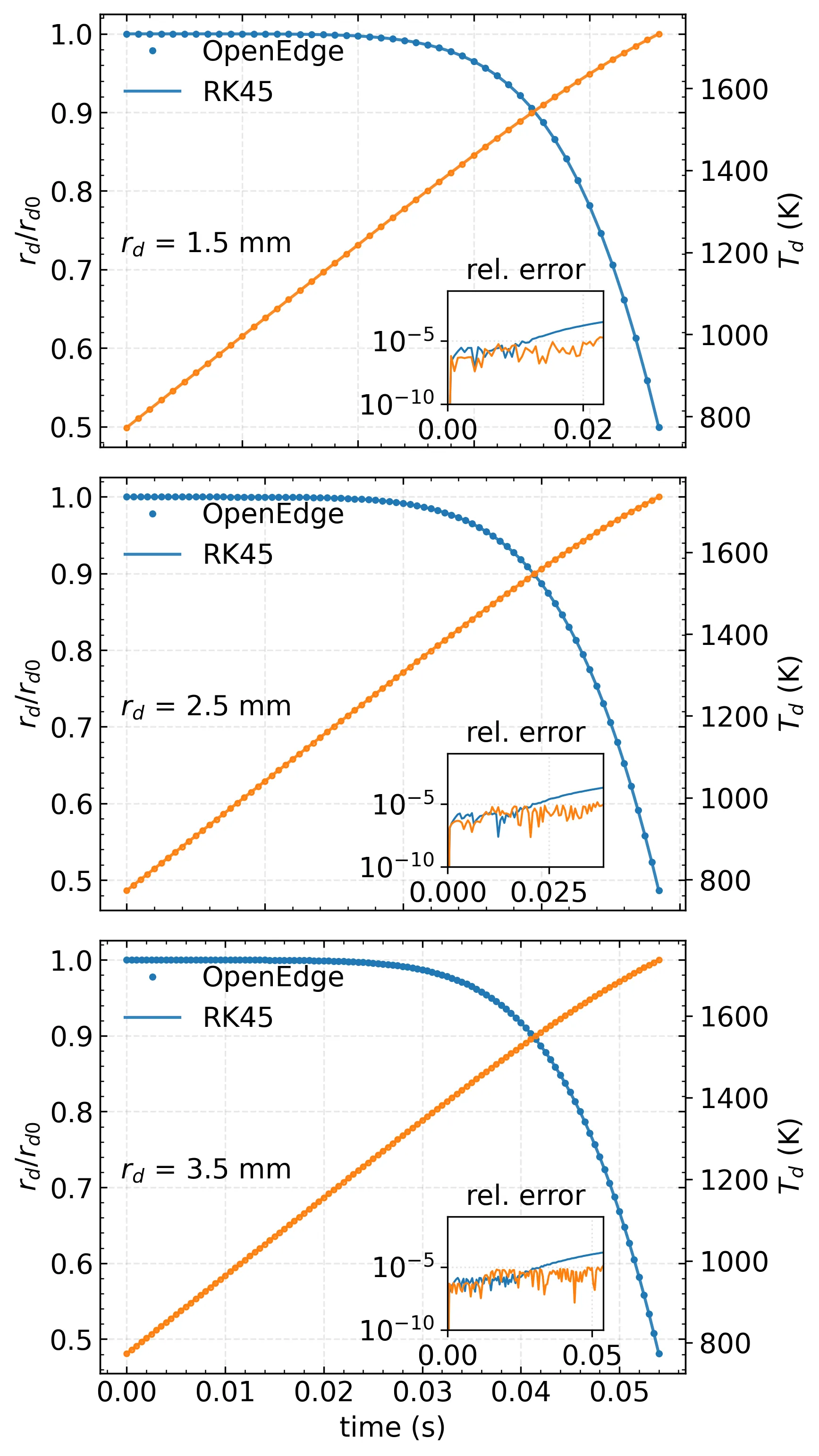
Lithium Droplet Transport in Tokamak Edge Plasmas
A lithium droplet transport and evaporation model has been developed within the Direct Simulation Monte Carlo code OpenEdge. This model integrates gravity, collisional ion drag, orbital-motion-limited charging, energy-balance evaporation, and an anisotropic rocket recoil force using a Strang-split integrator. Validation against analytical drag-gravity solutions and independent RK45 evaporation integration demonstrates relative errors below 0.00001 for droplet radii of 1.5, 2.5, and 3.5 mm. Simulations of ensembles containing 100000 droplets, launched from inner and outer divertor surfaces in SOLPS-ITER plasma background for the CAT tokamak reactor concept, indicate that transport outcomes are determined by initial size, velocity, and launch location. Outer-divertor droplets predominantly redeposit locally, whereas inner-divertor droplets reach the low-field-side wall. Smaller droplets lose most of their mass to evaporation before reaching the core, while larger droplets retain their mass and redeposit on nearby tiles. Both one-way and iterative two-way coupling frameworks map the evaporated lithium onto the SOLPS-ITER mesh as volumetric sources, facilitating self-consistent evaluation of lithium droplet impacts on edge-plasma performance.
2604.02100Apr 2026
View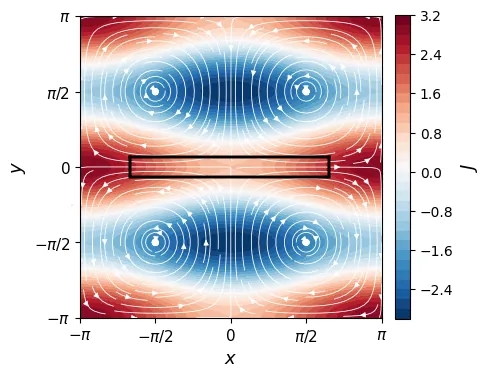
Triggering physical plasmoids in forming current sheets: conditions and diagnostics
We investigate the conditions for triggering the plasmoid instability in a dynamically forming current sheet in the resistive magnetohydrodynamic framework, using a pseudo-spectral code applied to the Orszag-Tang vortex at Lundquist number $S \sim 10^5$. Following García Morillo \& Alexakis (2025), we use the power spectrum of the current density $E_J(k)$, complemented by the vorticity spectrum $E_ω(k)$, to assess the convergence of our simulations, and show that this diagnostic remains valid even in the presence of physical plasmoids, allowing us to unambiguously distinguish them from spurious ones. We then show that physical plasmoids can be triggered in a well-resolved spectral simulation when three conditions are simultaneously met: a perturbation applied near the time of maximum current density, with amplitude above a critical threshold $\varepsilon_c \sim 10^{-5}$ for our numerical scheme, and with spectral content containing the unstable wavenumbers. These conditions are confirmed using continuous noise injection, which yields similar results at amplitudes one to two orders of magnitude lower. The resulting growth rates and plasmoid numbers are in good agreement with the theory of \citet{Comisso2017}. These results resolve the apparent paradox raised by García Morillo \& Alexakis (2025) and also clarify the role of numerical noise in the triggering of the plasmoid instability.
2604.02065Apr 2026
View 2604.01458
From Galactic Clusters to Plasmas in a Single Monte Carlo: Branching Paths Statistics for Poisson-Vlasov/Boltzmann
Recent advances have allowed to tackle path-space probabilistic representations of mesoscopic Boltzmann transport nonlinearly coupled to a sub-model of the force-field by step forward approaches in terms of continuous branching stochastic processes. In this work, path-space probabilistic representations of free-space Poisson-Vlasov and Poisson-Boltzmann systems are exhibited. This yields novel propagator representations and opens new routes for efficient and reference simulations by use of new branching backward Monte Carlo algorithms. Subsequent statistical estimator are benchmarked on gravitational clusters and plasmas dynamics.
2604.01458Apr 2026
View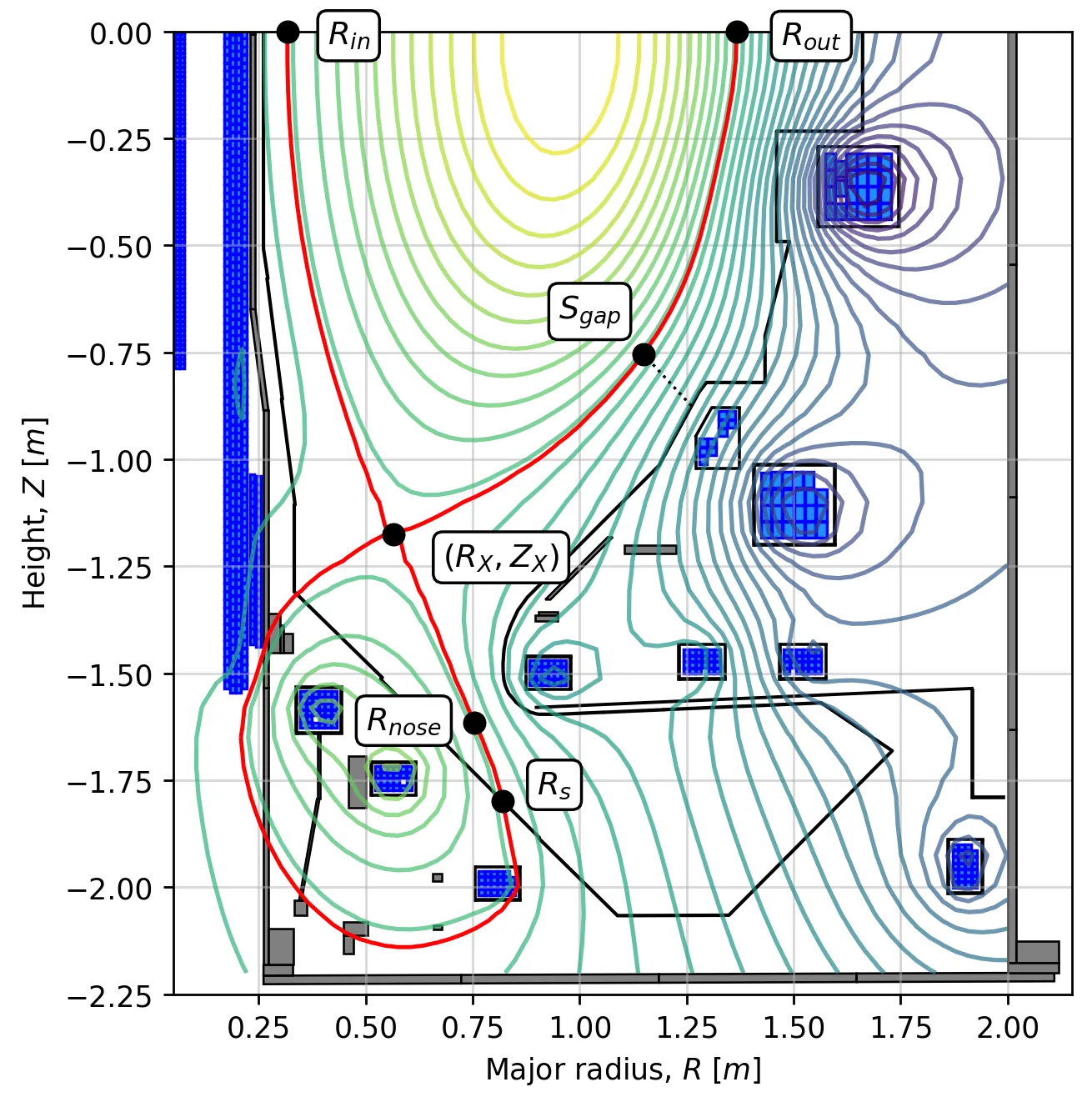
Real-time virtual circuits for plasma shape control via neural network surrogates: dynamic validation in closed-loop simulations
Reliable confinement and stable performance of tokamak fusion plasmas require accurate real-time magnetic shape control. A promising route to reduced latency and increased flexibility in plasma control systems (PCS) is to emulate physics-based controllers using neural networks. In prior work, we have demonstrated that virtual circuits (VCs), which define the poloidal field coil current vectors able to modify each plasma shape parameter independently, can be accurately emulated with neural network models trained on a large library of simulated Grad-Shafranov equilibria. This enables magnetic controllers to accurately adapt to evolving plasma equilibria, in contrast to pre-set VC schedules whose performance degrades upon departure from their reference equilibria. Here, we investigate the performance and robustness of these emulators in closed-loop simulations using the FreeGSNKE Pulse Design Tool (FPDT): a framework that couples the FreeGSNKE evolutive equilibrium solver with a virtual PCS. The FPDT models the coupling between controllers, plasma current and shape response, and actuator constraints. Using the emulated VCs within the FPDT, we demonstrate effective in-silico control of MAST Upgrade (MAST-U) plasma scenarios and show that the emulators are robust in the presence of input measurement uncertainty and under different update frequencies. These results establish the viability of neural network emulated VCs for closed-loop plasma shape control, representing a key step toward real-time deployment in the MAST-U PCS.
2604.00781Apr 2026
View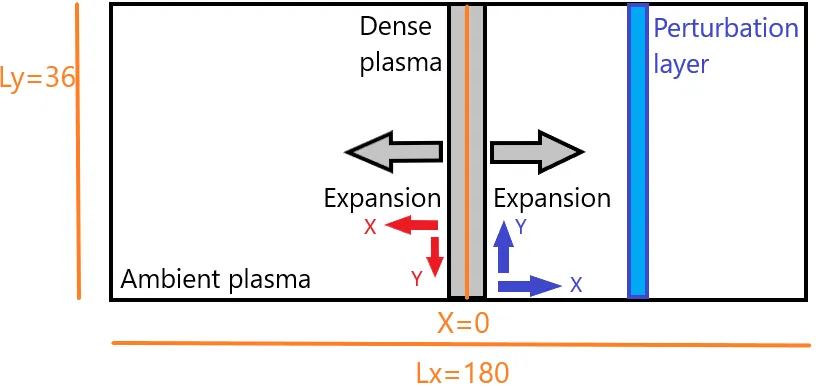
Cyclic reformation of subcritical perpendicular fast magnetosonic shocks due to oblique Whistler waves
The stability of subcritical perpendicular fast magnetosonic shocks, which are propagating at 1.7 times the fast magnetosonic speed, is investigated using two-dimensional PIC simulations. The plasma, composed of electrons and fully ionized nitrogen, is permeated by a uniform magnetic field oriented at 45 degrees to the simulation plane normal. This configuration results in a diamagnetic current that sustains the shocks magnetic ramp and is partially resolved within the simulation plane. The diamagnetic current drives an oblique lower-hybrid gradient drift instability within the ramp. This instability has been observed in magnetic reconnection experiments and studied in the framework of a Harris-type sheath in previous studies. It arises from a reactive coupling between the oblique Whistler wave, which is propagating backward in the electron rest frame, and the forward-propagating ion acoustic wave. Our simulations show that the magnetic component of this wave modulates the shocks magnetic field, while the electrostatic ion density modulation forces the shock to collapse into a magnetic piston and then reform. The reformation is not forced by an external perturbation as in previous simulations but by the oblique Whistler wave.
2604.00633Apr 2026
View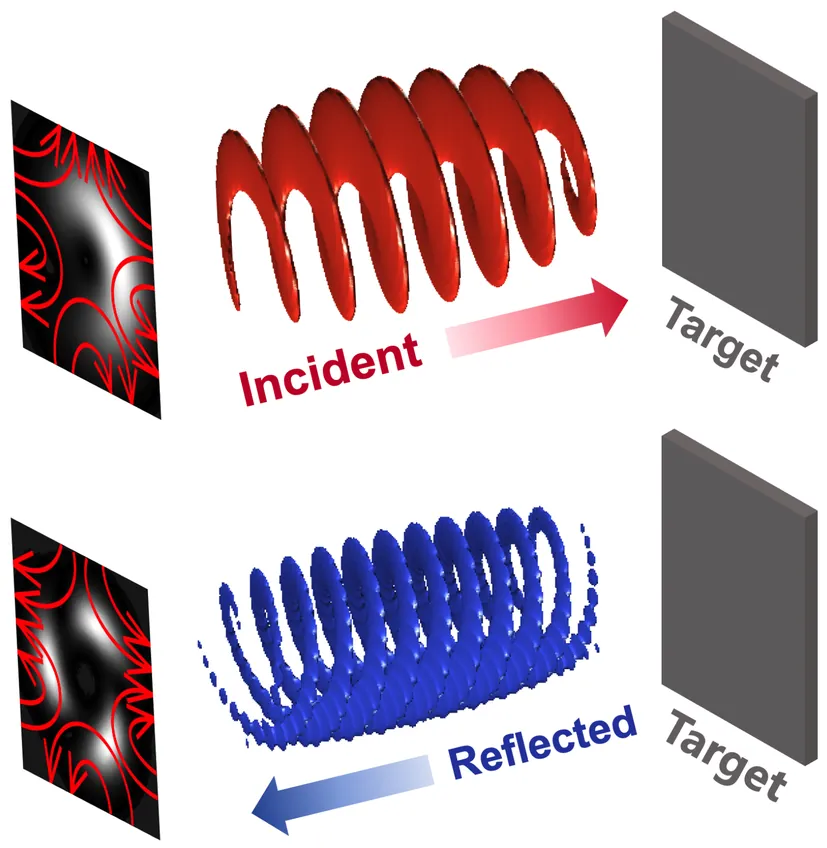
Generating intense attosecond pulses and vectorizing polarization states from laser-plasma interactions
Vector beams with spatially structured polarization and intertwined spin-orbital angular momentum (SAM-OAM) provide powerful degrees of freedom for tailoring light-matter interactions. While such structured beams are well established in the visible and infrared regimes, extending them to the extreme-ultraviolet (EUV) and soft X-ray (SXR) domains at relativistic intensities remains a major challenge. Here, we investigate the generation of higher-order harmonic vector beams driven by relativistic laser-plasma interactions. Combining theoretical analysis with three-dimensional particle-in-cell simulations, we elucidate the underlying physical mechanisms governing the transfer and conversion of polarization and orbital angular momentum during harmonic generation. We demonstrate that both the polarization topology and OAM of the emitted harmonics can be deterministically controlled by the topological charges of the driving field. Owing to the intrinsic properties of vector beams, either few-cycle driving pulses or vector polarization gating applied to multi-cycle pulses enable the production of intense isolated attosecond pulses featuring spiral wavefronts and spatially tailored polarization states. These results establish a pathway toward high-intensity structured light sources in the EUV and SXR regimes and open new opportunities for ultrafast and strong-field light-matter interaction studies with engineered angular momentum.
2604.00622Apr 2026
View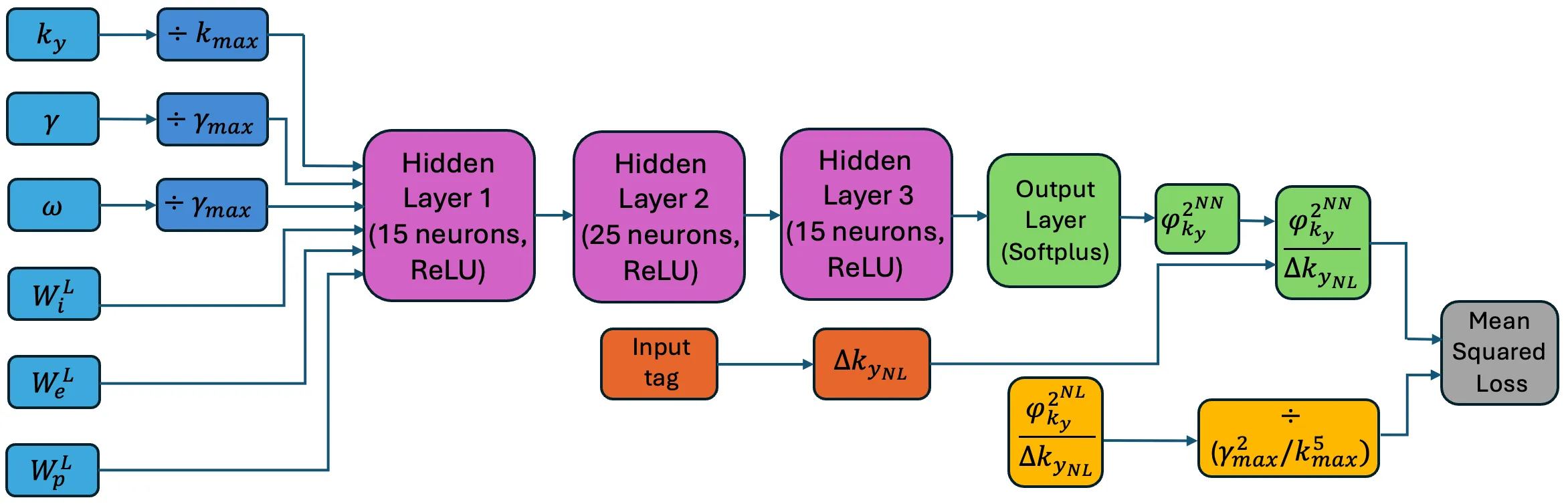
A machine learning framework for developing quasilinear saturation rules of turbulent transport from linear gyrokinetic data
A new neural network model for a quasilinear saturation rule has been developed to map linear gyrokinetic data to nonlinear saturated potential magnitudes to predict the total energy and particle fluxes. The training dataset is taken from the high resolution simulation database generated from nonlinear gyrokinetic turbulence simulations with the CGYRO code for developing the SAT3 model. This new model, named SAT3-NN, overall is able to capture the 1D saturated potential magnitudes of the dataset more accurately than SAT3, as depicted by lower percentage errors in the peak locations and peak values of the 1D saturated potentials. The resulting fluxes also had smaller deviations from the nonlinear CGYRO data as compared to previous saturation models such as SAT0 - SAT2. Consistent with SAT3, SAT3-NN is able to recreate the anti-gyroBohm scaling of fluxes seen for the TEM-dominated cases considered.
2604.00462Apr 2026
View2604.00295Generalized multi-dimensional conservation laws for stimulated Raman and Brillouin scattering in a density gradient
Generalized local and multi-dimensional conservation laws of action, energy, momentum, and angular momentum are derived for stimulated Raman (SRS) and Brillouin backscattering (SBS) in a density gradient within the paraxial ray approximation. A Lagrangian density is found that reproduces the well known envelope equations for SRS and SBS in density gradients in the absence of damping. Using Noether's theorem, the symmetries of the Lagrangian density are used to obtain local conservation laws for quantities that can easily be identified as the action, energy, and momentum. These multi-dimensional conservation laws reduce to the well known one dimensional Manley-Rowe relations, and frequency and wavenumber matching conditions. Additional symmetries of the action lead to conversation laws for new quantities that are identified as orbital angular momentum and contributions to the energy and momentum of the wave from frequency and wavenumber shifts.
2604.00295Mar 2026
View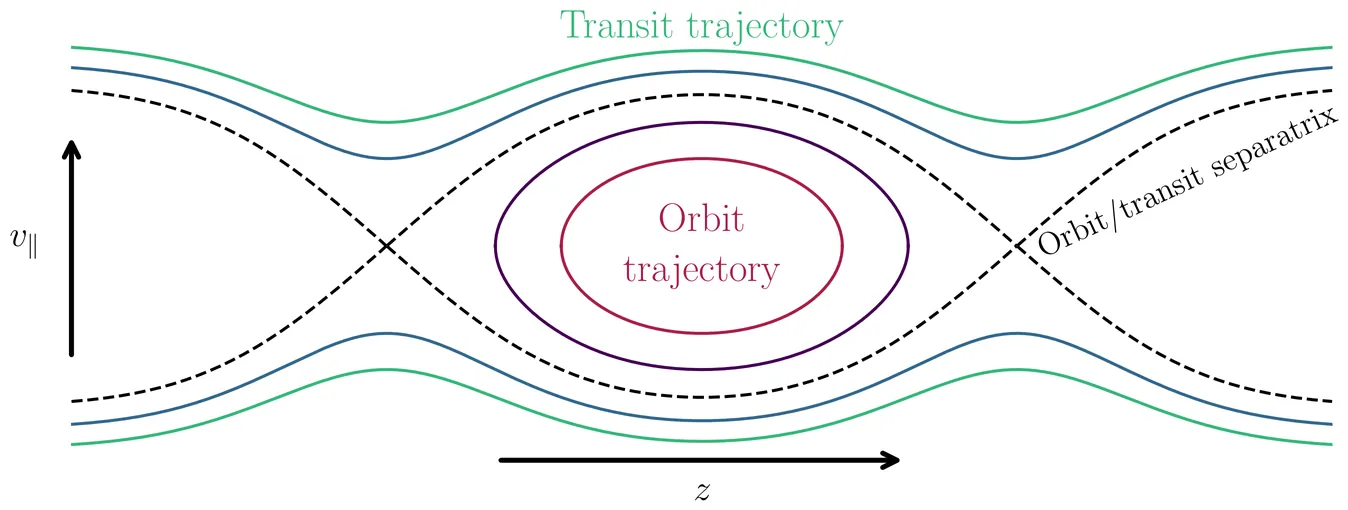
An explicit multiscale pseudo orbit-averaging time integration algorithm
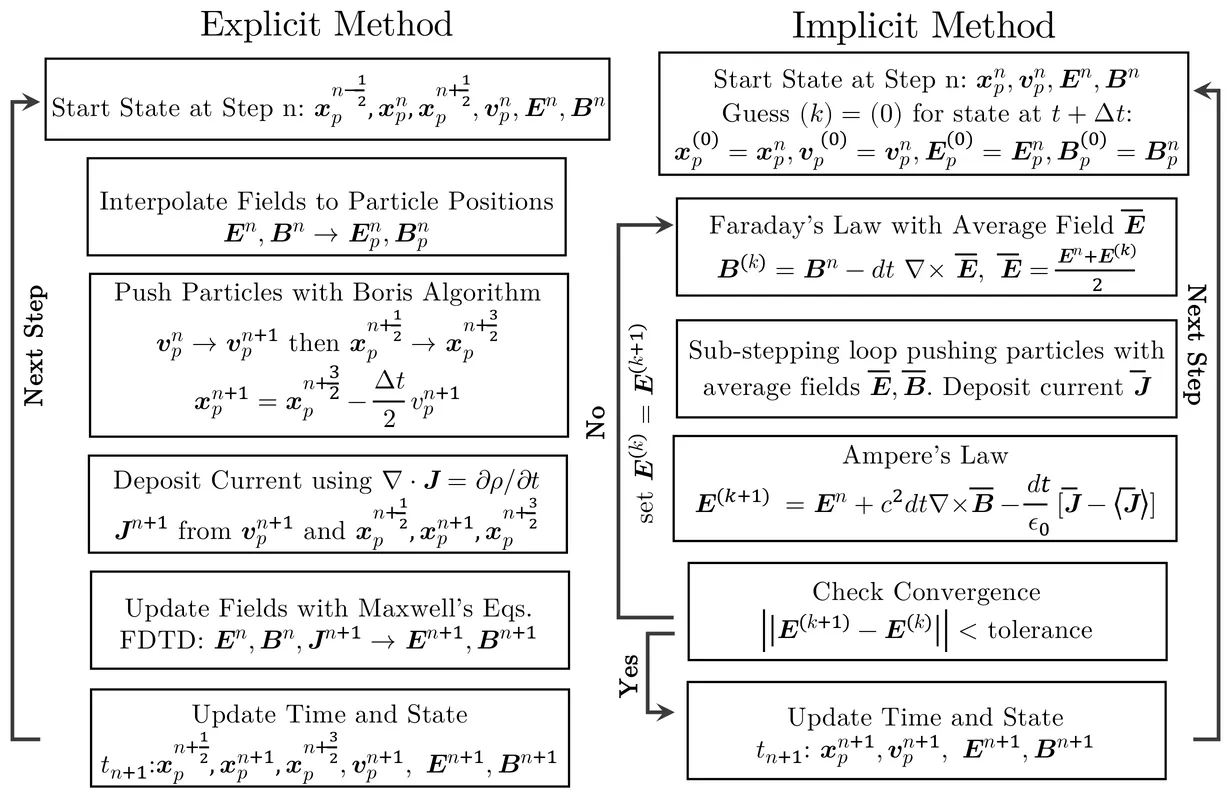
We present an explicit multiscale algorithm for solving differential equations for problems with high-frequency modes that can be averaged over by separating and scaling the fast and slow dynamics within a single equation. We introduce a phased time integrator for cases where the boundaries of dynamical scales are known: one phase solves the unmodified equation, while the other freezes part of phase-space and slows down the evolution of the fast dynamics. This algorithm is applied to reduced kinetic models of plasmas in magnetic mirrors, which feature a distinct boundary between a region dominated by rapid particle transit and a region characterized by slow collisions. Two representative model problems are presented that decompose the dynamics of the magnetic mirror into a simpler, computationally inexpensive form. The model problems demonstrate a speedup by a factor of order $ω/ ν_c$, where $ω$ is the fast oscillation frequency and $ν_c$ is the slow damping rate. This is a 30,000$\times$ speedup for a case of practical interest.
2604.00121Mar 2026
View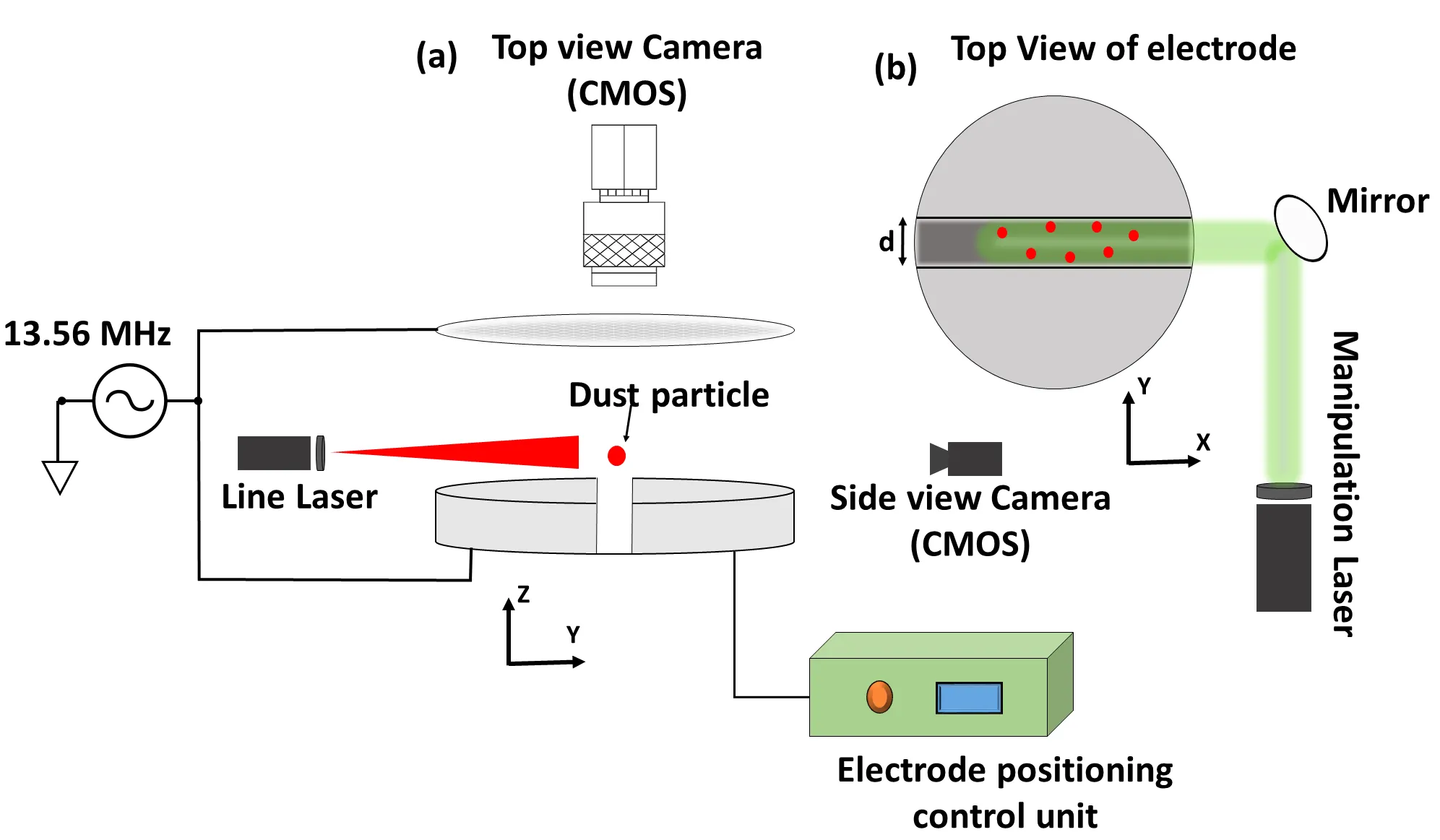
Anisotropy-induced Inhomogeneous Melting in Finite Dust Clusters
We present the first experimental evidence of inhomogeneous melting in a finite dusty plasma crystal confined in an anisotropic potential well. By systematically tuning the confinement anisotropy and applying controlled laser heating, distinct melting patterns are observed. Spectral-mode analysis based on Singular Value Decomposition of particle trajectories reveals that increasing laser power redistributes energy into specific collective modes, triggering localized structural destabilization. Molecular Dynamics simulations reproduce the observations and show that confinement-controlled mode coupling with laser heating governs the melting dynamics. These results establish geometric anisotropy as a key control parameter for inhomogeneous melting in finite coupled systems.
2603.29682Mar 2026
View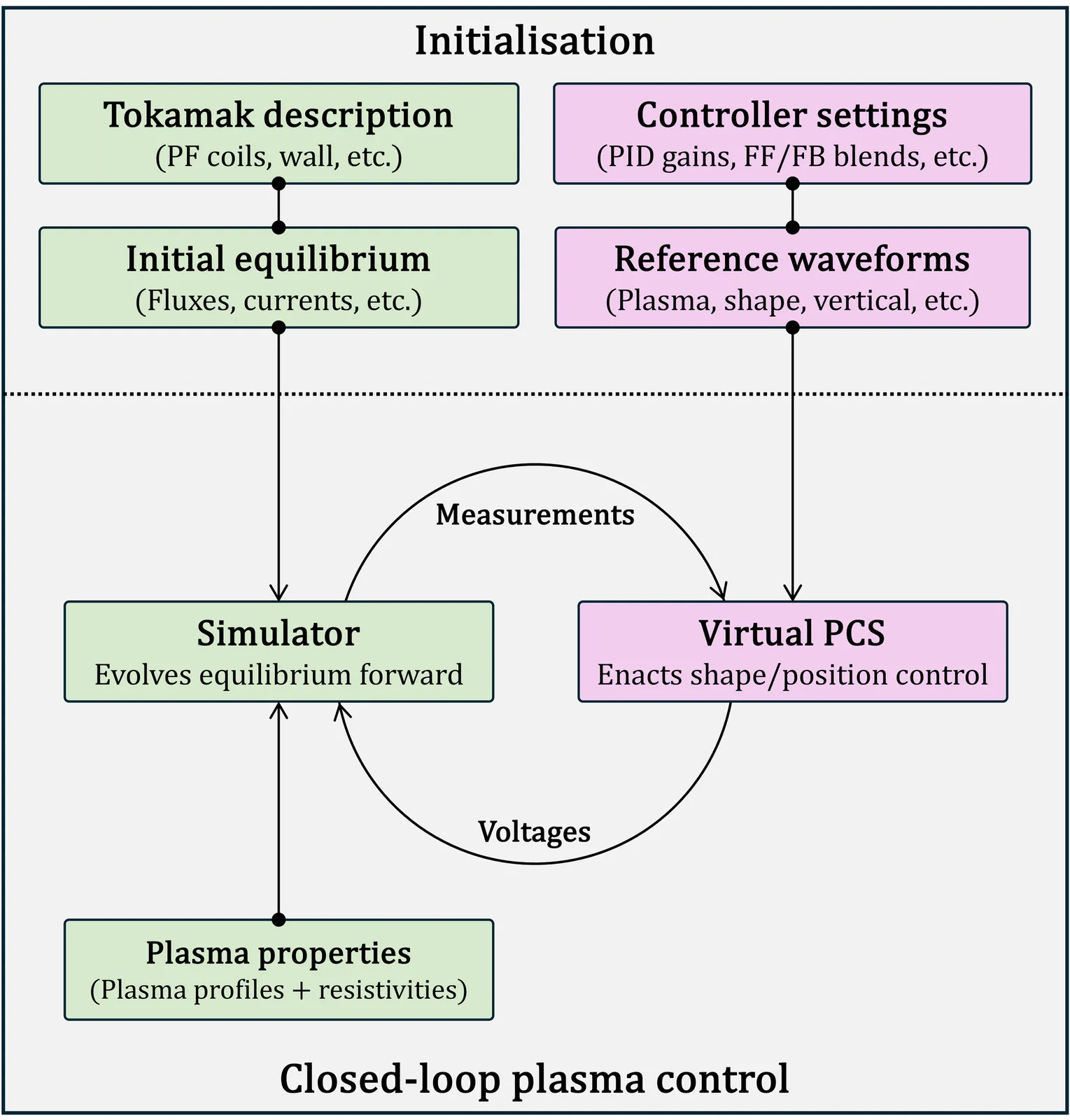
The FreeGSNKE Pulse Design Tool (FPDT): a computational framework for evolutive plasma scenario and control design
We present the FreeGSNKE Pulse Design Tool (FPDT), an open-source, Python-based computational framework that enables in silico testing and predictive design of tokamak plasma scenarios and control strategies. The FPDT couples the FreeGSNKE evolutive equilibrium solver with a virtual Plasma Control System (PCS) containing modular and customisable controllers. Given a set of user-defined waveforms and control parameters, the virtual PCS uses feedback and feedforward control to modulate plasma current, position, and shape, while adhering to machine safety limits on poloidal field coil currents and voltages. The resulting framework allows simulation of the controlled dynamic evolution of plasma equilibria, along with the currents in both active poloidal field coils and passive conducting structures, under the assumption of axisymmetry. The FPDT can be used to develop plasma scenarios, test control schemes, calibrate control parameters, and perform uncertainty quantification studies, thereby reducing iterative and expensive experimental testing on a physical tokamak. The FPDT is machine-agnostic and can be customised to implement different control algorithms tailored to the specific tokamak of interest. Here, we outline the overall framework and validate its performance on plasma discharges on the MAST Upgrade tokamak in the `flat-top' phase. We demonstrate excellent quantitative agreement between the FPDT simulations, the desired control waveforms, and the experimental shot data. With this extension to the FreeGSNKE open-source suite of codes we aim to encourage more reproducible and collaborative research in plasma modelling and control.
2603.28513Mar 2026
View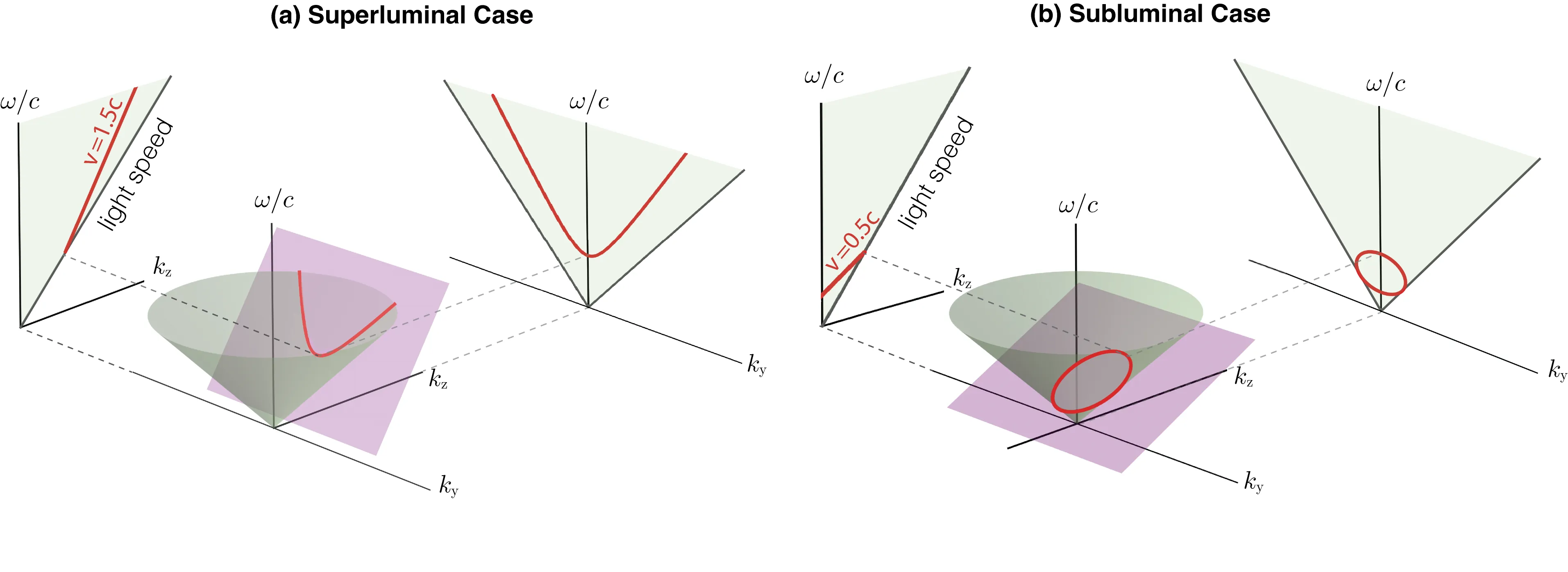
Simulation Design for Velocity-Controlled Spatio-Temporal Drivers in Laser Wakefield Acceleration
Velocity-controlled spatio-temporal (ST) laser drivers offer a route to tailoring laser-plasma interactions by allowing the velocity of the intensity peak to be controlled independently of the envelope group velocity. In this work, we present a simulation-design workflow for PIC modelling of subluminal velocity-controlled ST pulses in OSIRIS based on a Maxwell-consistent spectral construction expressed as a superposition of exact vacuum solutions, and we describe its discrete k-space representation for numerical initialisation. We then examine wakefield excitation with velocity-controlled drivers, showing how the ST geometry couples the effective longitudinal extent of the high-intensity region to the transverse scale and deriving scaling guidelines for near-resonant excitation in the subluminal regime. Finally, we discuss the geometric constraints that make long-distance simulations costly, including focus-envelope slippage and strong transverse expansion, and we show that continuous wall injection can reproduce the intended vacuum propagation while substantially reducing the transverse domain size. Together, these results provide practical guidelines for accurate and computationally efficient PIC simulations of velocity-controlled ST drivers in wakefield-relevant regimes.
2603.28473Mar 2026
View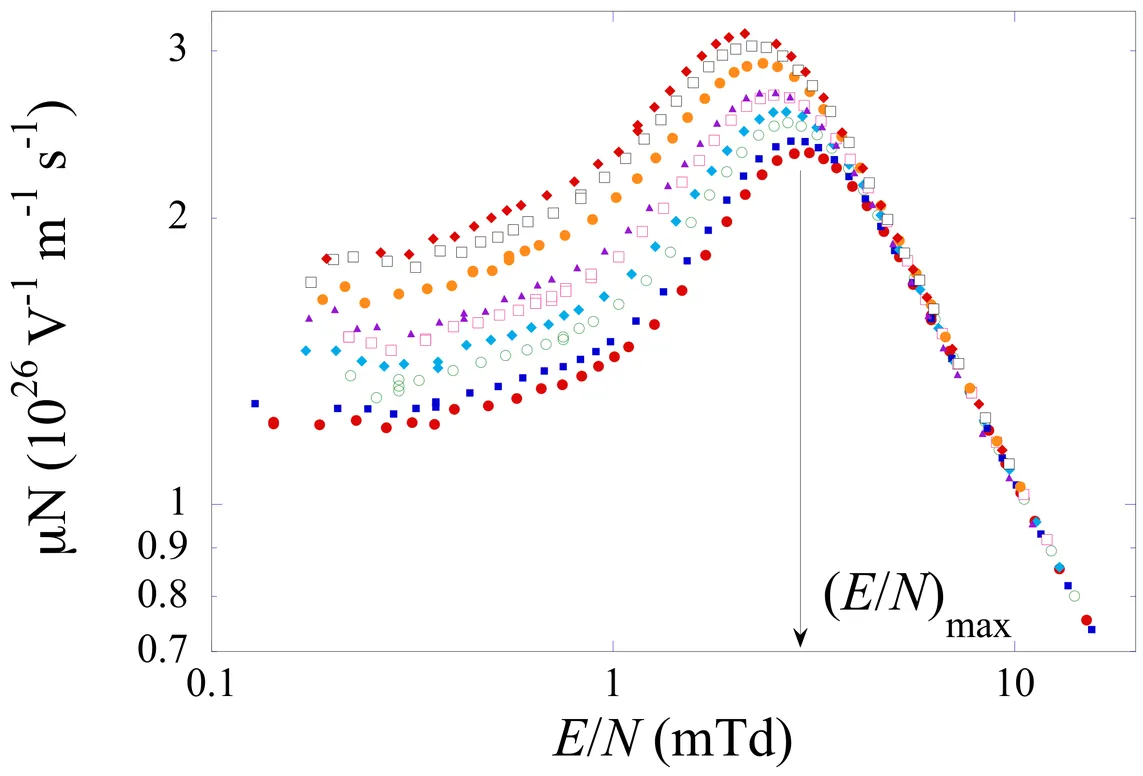
Evidence for multiple scattering effects in the electron mobility in dense argon gas
We report measurements of the electron drift mobility in dense argon gas over an extended range of densities, temperatures, and electric fields, supplementing our earlier work. The measurements confirm the validity of the heuristic model we previously developed by introducing multiple scattering effects in the classical kinetic theory description of the electron mobility in a dilute gas. We definitively show that, in the argon gas, because of the particular energy dependence of its electron-atom momentum-transfer scattering cross section, none of the multiple scattering effects we have identified in the past can be neglected if the mobility behavior is to be accurately rationalized over the whole investigated parameter range.
2603.28241Mar 2026
View
Numerical methods for stellarator simulations in BOUT++
Modeling the Scape-off layer (SOL) of stellarator fusion devices is challenging due to the complicated magnetic topology, requiring numerical tools to solve transport equations for realistic geometries. Previously the flux coordinate independent (FCI) method has been successfully applied to model the SOL in simplified geometries. The current work presents some of the recent improvements for the BOUT++ modeling implemented to simulate the SOL in realistic geometries with the example of Wendelstein 7-X. The changes include improvements for the grid generation tool, the physics model as well as the BOUT++ library itself. A short outlook is given on current modeling work using the new features.
2603.28221Mar 2026
ViewPage 1 of 39