Instrumentation and detectors for accelerator and non-accelerator physics.
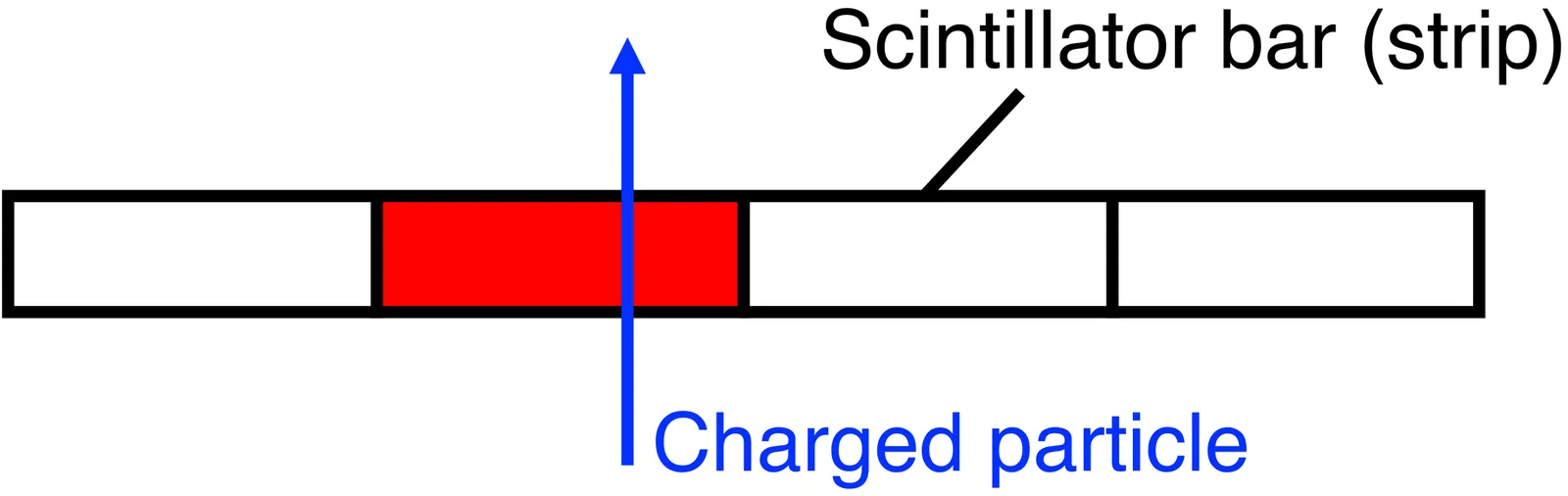
We propose a new scintillator-based tracker concept based on a monolithic plastic scintillator plate with embedded scatterers and wavelength-shifting fiber readout. The embedded scatterers localize scintillation light so that channels closer to the charged-particle crossing point collect more light. The particle crossing position is reconstructed from the channel-to-channel light yield distribution with a position resolution well below the readout pitch. We performed a positron beam test with prototypes to validate the reconstruction principle and to evaluate the detection efficiency and position resolution. The beam test validated the position reconstruction principle, and demonstrated a near-100% detection efficiency and a position resolution of 1.47 mm for normal incidence and 1.85 mm for an incidence angle of 45°, with the 10-mm readout pitch. In this paper, we describe the detector concept, the reconstruction method, and the results of the beam test.
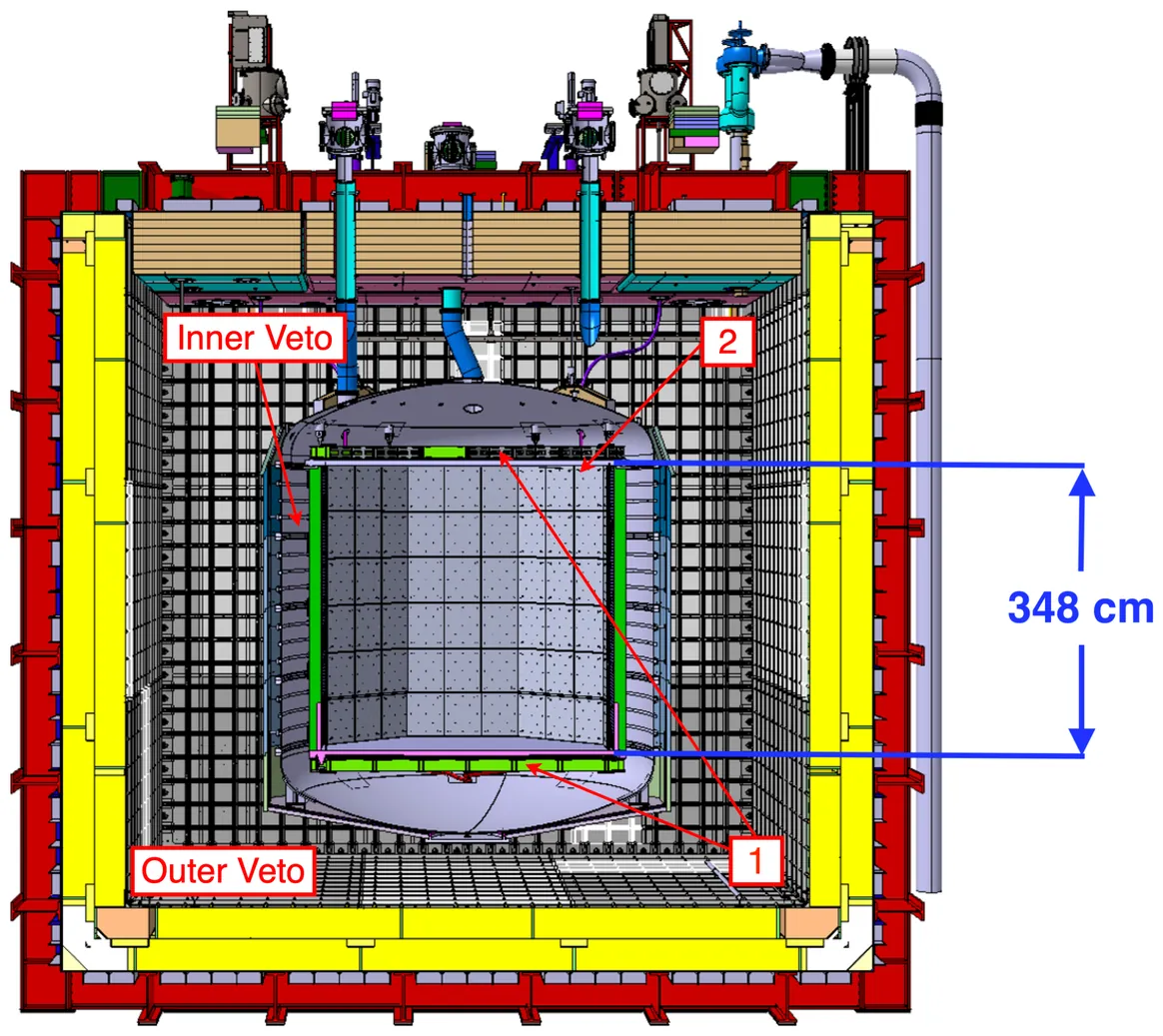
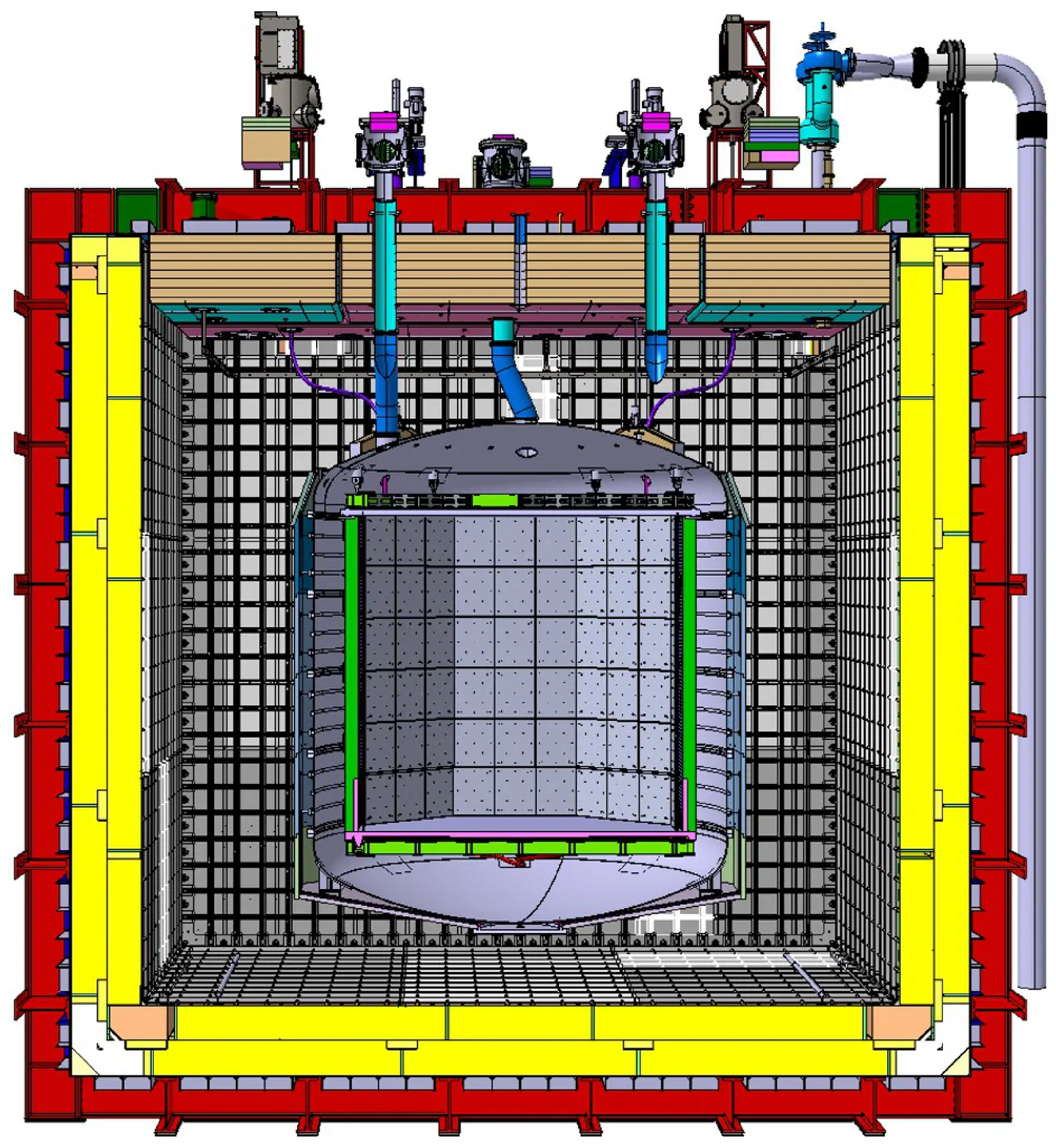
DarkSide-20k is a WIMP search experiment using liquid argon as a target, designed to perform a background-free search for dark matter with unprecedented sensitivity, and is currently under construction at INFN Laboratori Nazionali del Gran Sasso, Italy. The detector comprises a dual-phase Time Projection Chamber complemented with external veto systems and is equipped with a total of 2720 SiPM-based readout channels. This work presents the DAQ system designed for DarkSide-20k. The system is capable of continuous, triggerless digitisation of the waveforms with high single-photoelectron detection efficiency and online processing, ensuring data reduction for long-term storage. The DarkSide-20k DAQ system employs commercial CAEN VX2745 digitisers with custom FPGA firmware implementation. Timing and synchronisation across all 48 digitisers are provided by custom Global and Crate Data Manager boards distributing a phase-aligned clock derived from a disciplined rubidium standard. Waveform segments are processed in real time by Front End Processor machines. Data are organised into collections containing whole detector information and distributed across a farm of Time Slice Processors for event reconstruction, classification, and further reduction before storage and offline analysis. A full "Quadrant" of the system, corresponding to one quarter of the final DAQ, has been assembled and validated at TRIUMF laboratory in Canada. The Quadrant has been stress-tested with simultaneous pulses and demonstrated sustained digitizer readout exceeding expected physics rates and stable long-term performance.
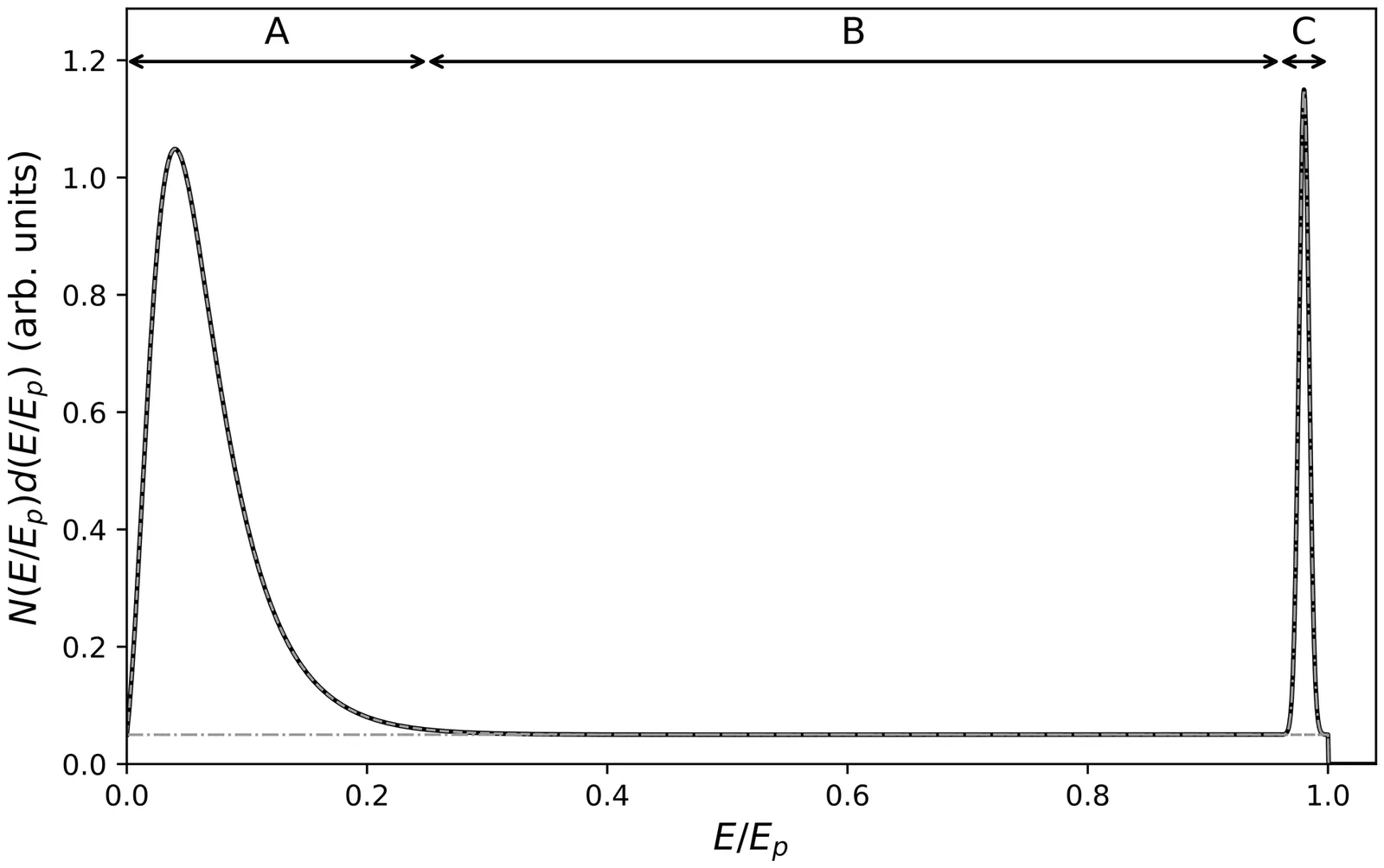
Many models exist to describe the single photoelectron response of single photon counting photomultipliers. Generally to describe the spectral region between the fully amplified primary photoelectron peak and the electronics pedestal an \emph{ad hoc} function is used (often an exponentially modified gaussian) attributing this region to `noise'. In this paper, following the physical description of back-scattered primary photoelectrons at the first dynode described in the "The Photomultiplier Handbook" by A.~G. Wright published by Oxford University Press, we derive an analytical function describing these partially amplified primary photoelectron at the first dynode. This function depends only on intrinsic parameters of the photomultiplier such as the gain at the first dynode and the intrinsic resolution of the dynode chain following the first. Furthermore, analytical descriptions of the fully amplified peak and very low charge signals are derived. The model has been successfully validated with data from two different photomultipliers acquired with a low-noise amplifier.
Silicon photo-multipliers (SiPMs) are state-of-the-art sensors capable of detecting a single photoelectron under cryogenic conditions, with potentially lower radioactivity than widely used photomultiplier tubes. The DarkSide-20k experiment, designed to perform direct dark matter searches using liquid argon as the target material, employs SiPM technology to detect interactions in the active detector volumes, including the central dual-phase Time Projection Chamber and the Inner and Outer Veto volumes. The vetoes are designed to discriminate against radiogenic neutron and cosmic muon backgrounds associated with the dark matter search. This paper describes the completed production and test protocols for the "Veto Tiles" (called vTiles, arrays of 24 SiPMs integrated on a printed circuit board providing the power distribution and signal amplification); 16 vTiles are grouped into "Veto Photo-Detector Units" to instrument the Inner Veto volume. Each vTile underwent detailed testing at room and cryogenic temperatures, confirming stable operation, high signal-to-noise ratio, and low radioactive contamination, demonstrating the robustness of the proposed design for cryogenic conditions. The final production yield exceeded 87%, surpassing the 80% requirement and corresponding to 1920 Veto Tiles to populate 120 Veto Photo-Detector Units, plus an additional 6% as spares.
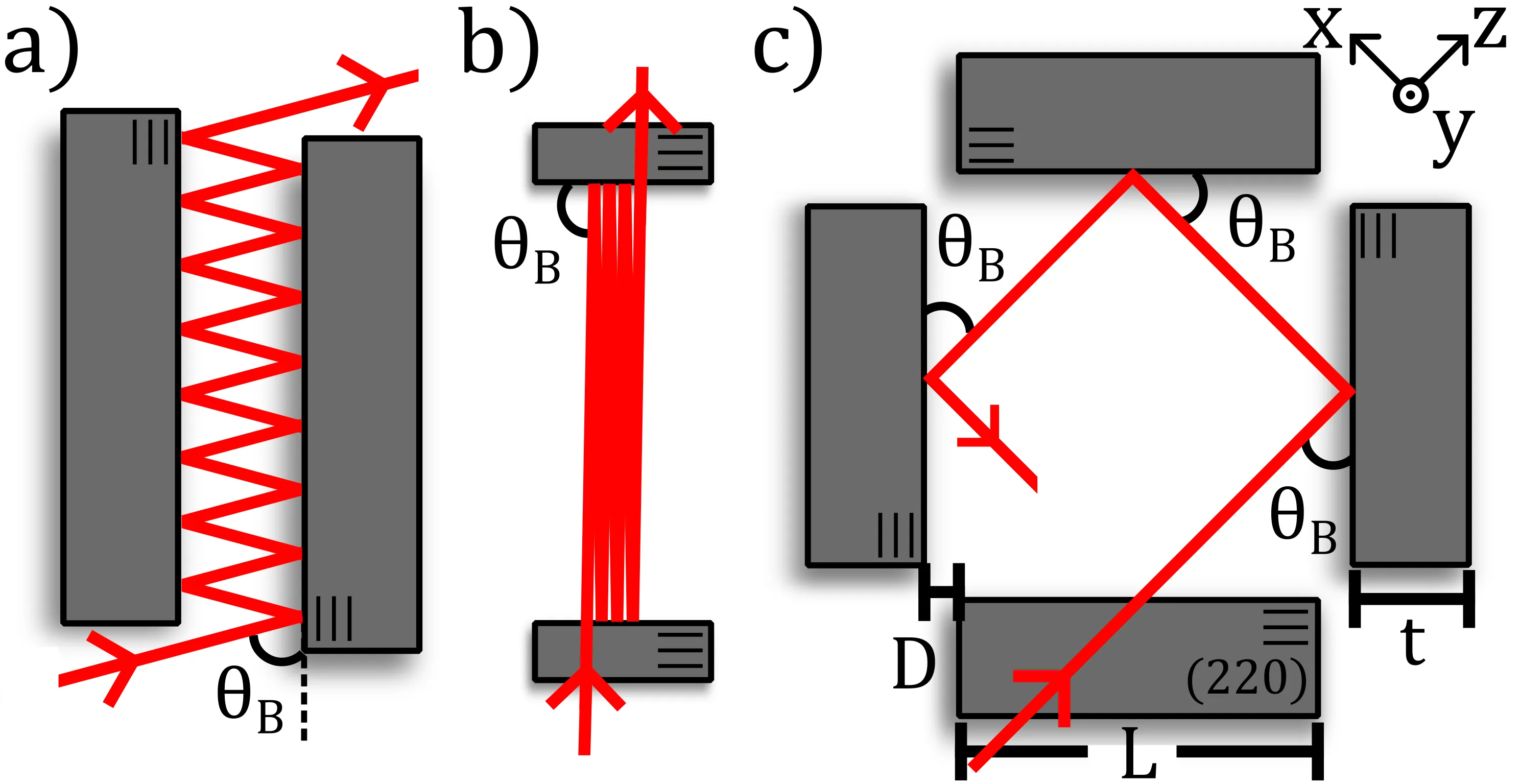
Coherent control of neutrons via Bragg diffraction forms the foundation of perfect crystal neutron interferometry, facilitating both fundamental tests of quantum mechanics and applications in quantum information science. In cavity geometries, perfect crystals enable neutron confinement and have been employed in precision measurements of spin-orbit interactions and for neutron electric dipole moment (nEDM) searches. However, in these conventional configurations, neutrons undergo a single pass through the crystal geometry, placing a physical constraint on both crystal and in-flight interaction times and measurement sensitivity. In this work, we introduce a neutron loop cavity that coherently recirculates neutrons through repeated Bragg reflections between perfect silicon crystal blades. This structure is predicted to achieve a neutron survival probability of $\sim64~\%$ for 10,000 Bragg reflections, corresponding to confinement times on the order of seconds. We propose a Schwinger interaction measurement that achieves a $π$ spin rotation in 800 Bragg reflections, representing more than a tenfold improvement in sensitivity over recent measurements. Further applications include high-sensitivity nEDM searches targeting the $10^{-27}~$e$\cdot$cm scale, as well as competitive experimental tests of neutron parity violation, the neutron lifetime, and the quantum Zeno effect with neutrons.
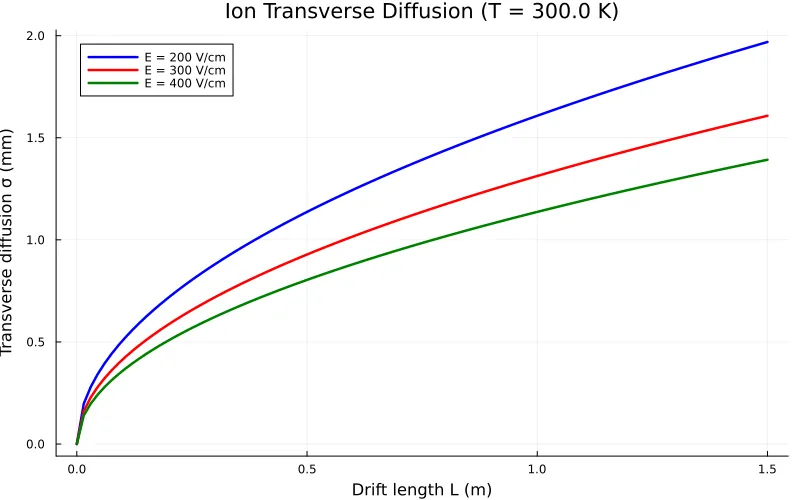
High-pressure xenon gas TPCs with electroluminescent amplification (HPXeEL) provide detailed topological reconstruction of charged-particle trajectories, offering a distinctive two-electron signature for neutrinoless double beta decay ($0ββν$) searches. We have recently proposed ITACA, a detector concept that images both the electron track and the corresponding ion track, carried by the positive ions drifting in the opposite direction. While electrons drift rapidly to the anode for standard EL imaging, the positive ions drift slowly to the cathode with millimetre-scale diffusion, allowing time to determine the event energy and barycenter and to position a movable ion detector at the projected arrival point of the ion cloud. We present a conceptual design of the ITACA detector, addressing key feasibility questions. First, we define the detector geometry and operating parameters for a 1-tonne-scale instrument at 15 bar, including a modular tiled electroluminescent structure. Second, we present the conceptual design of the Magnetically Actuated Rotor System (MARS), the mechanism that positions the ion sensor at any $(r, θ)$ coordinate below the cathode, and show that the expected movement time is fast enough to retain $\sim95\%$ of the drift volume for ion detection, while not significantly perturbing the gas on the scales of the ion drift. Third, we propose using a Topmetal CMOS ASIC-based ion detector as an alternative to the molecular sensor approach described in our original work, enabling real-time, 3D imaging of the ion track without the need for offline laser scanning. Finally, we estimate the sensitivity of the proposed apparatus, showing that enhanced topological discrimination from the ion track, combined with an ultra-low background design, allows exploration of $0ββν$ half-lives in excess of $10^{28}$ yr.
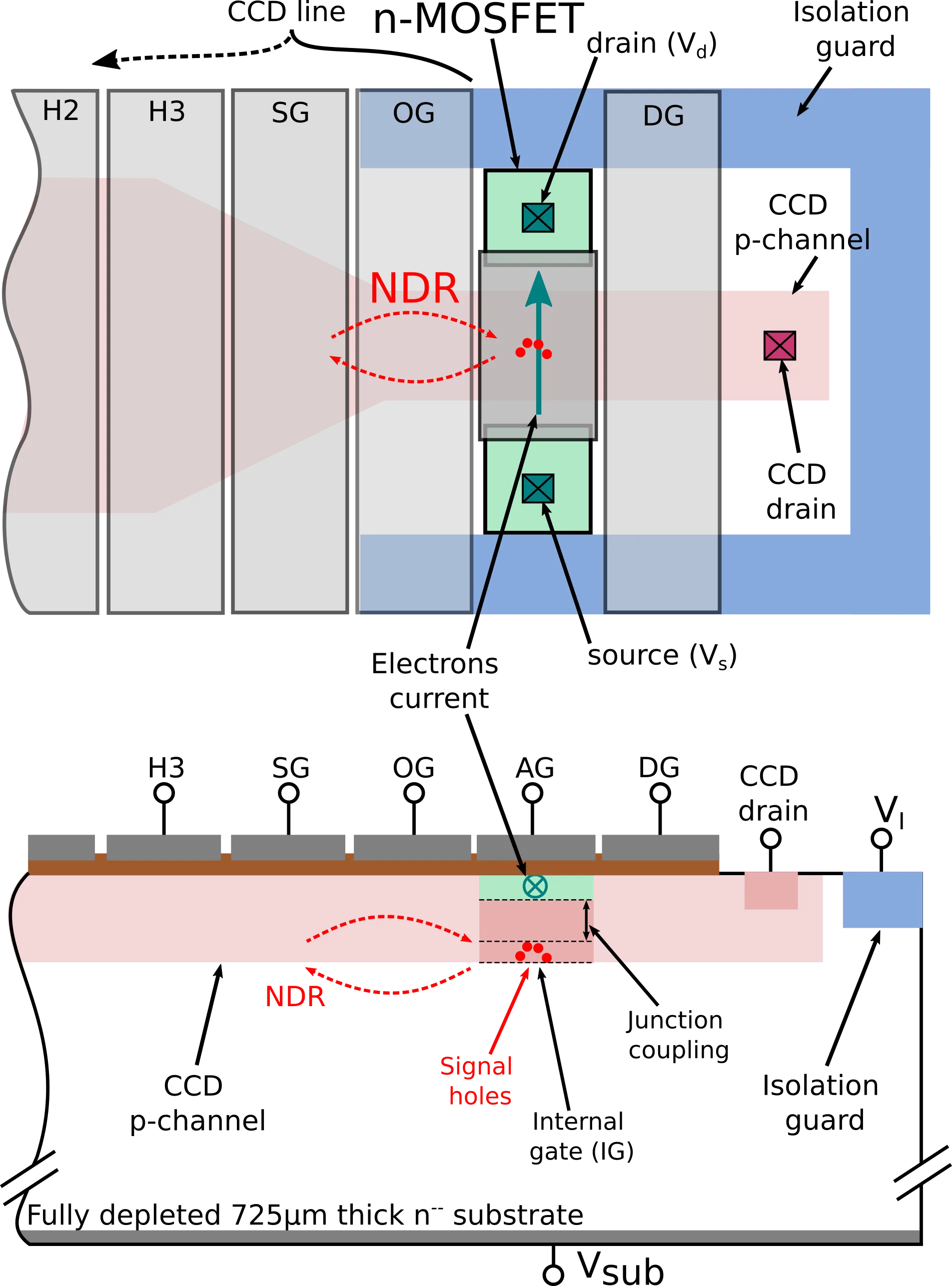
We present an X-ray characterization of a fully depleted, 725 $μ$m thick p-channel SiSeRO CCD. Measurements with a $^{55}$Fe source yield an energy resolution of $54 \pm 0.9$ eV ($14.6 \pm 0.25 e^{-}$) at 5.9 keV for single-pixel events, demonstrating that the SiSeRO amplifier preserves the intrinsic charge resolution of the CCD under multi-sample non-destructive readout. Characterization with a $^{241}$Am source extends the response to higher-energy photons, with reconstructed spectral features observed between 9-26 keV and the 59.5 keV $γ$ emission. These measurements, together with a muon-derived diffusion calibration, show that charge transport and diffusion are consistent with interactions spanning the full sensor depth. These results demonstrate that the SiSeRO CCD simultaneously achieves sub-electron noise performance and efficient charge collection in a thick, fully depleted silicon detector. This combination enables X-ray spectroscopy across a broad energy range while maintaining sensitivity to faint signals.
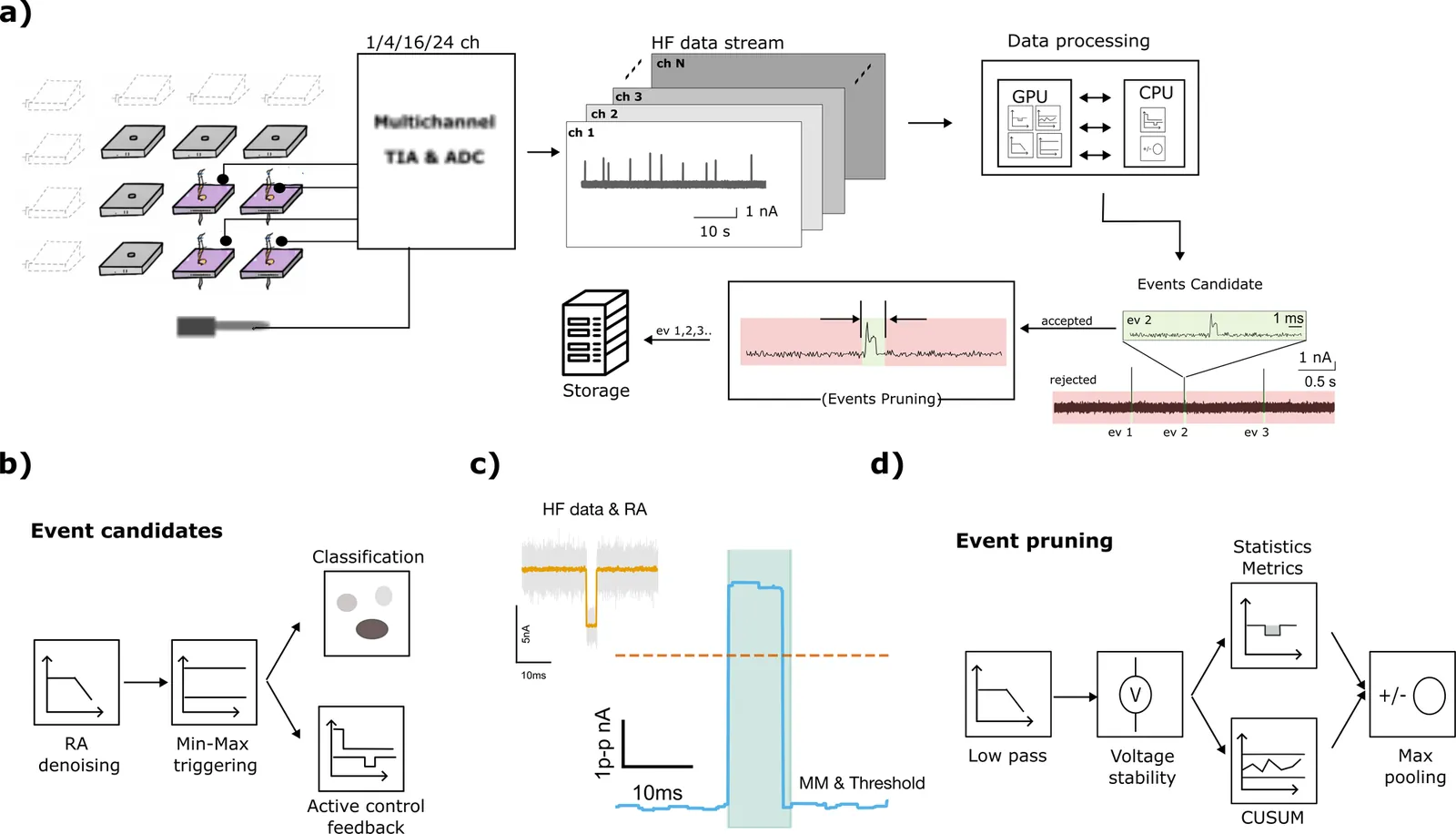
High-throughput solid-state nanopore experiments generate continuous MHz-rate data streams in which only a small fraction of data contains informative molecular information. This creates storage and processing bottlenecks that limit experimental scalability. We introduce Data Sieving, a GPU-accelerated acquisition framework that integrates real-time event detection directly into the measurement pipeline and selectively stores and allows real-time analysis of snapshots around molecular translocations. The system employs a lightweight rolling-average and min-max trigger to identify event candidates in parallel across channels. This architecture reduces stored data volume by up to 98% while preserving complete molecular signatures across a wide temporal range, from microsecond-scale protein dynamics to second-scale nucleic acid nanoparticle events. Continuous baseline monitoring enables autonomous closed-loop actuation; in high-concentration DNA experiments, automatic declogging restored pore conductance, reducing the time spent in a non-productive clogged state to near-zero and without interrupting parallel measurements. Validated across DNA, protein, and nucleic acid nanoparticle measurements, Data Sieving links data storage directly to molecular information content rather than experiment duration, enabling scalable, real-time operation of parallel nanopore sensors. The approach provides a hardware-agnostic foundation for long-duration, high-bandwidth single-molecule experiments and other event-driven sensing platforms. By using algorithms intrinsically compatible with low-latency digital architectures, this framework provides a clear path toward high-bandwidth, highly multiplexed recording across hundreds of individual nanopore channels in both solid-state and biological pores.
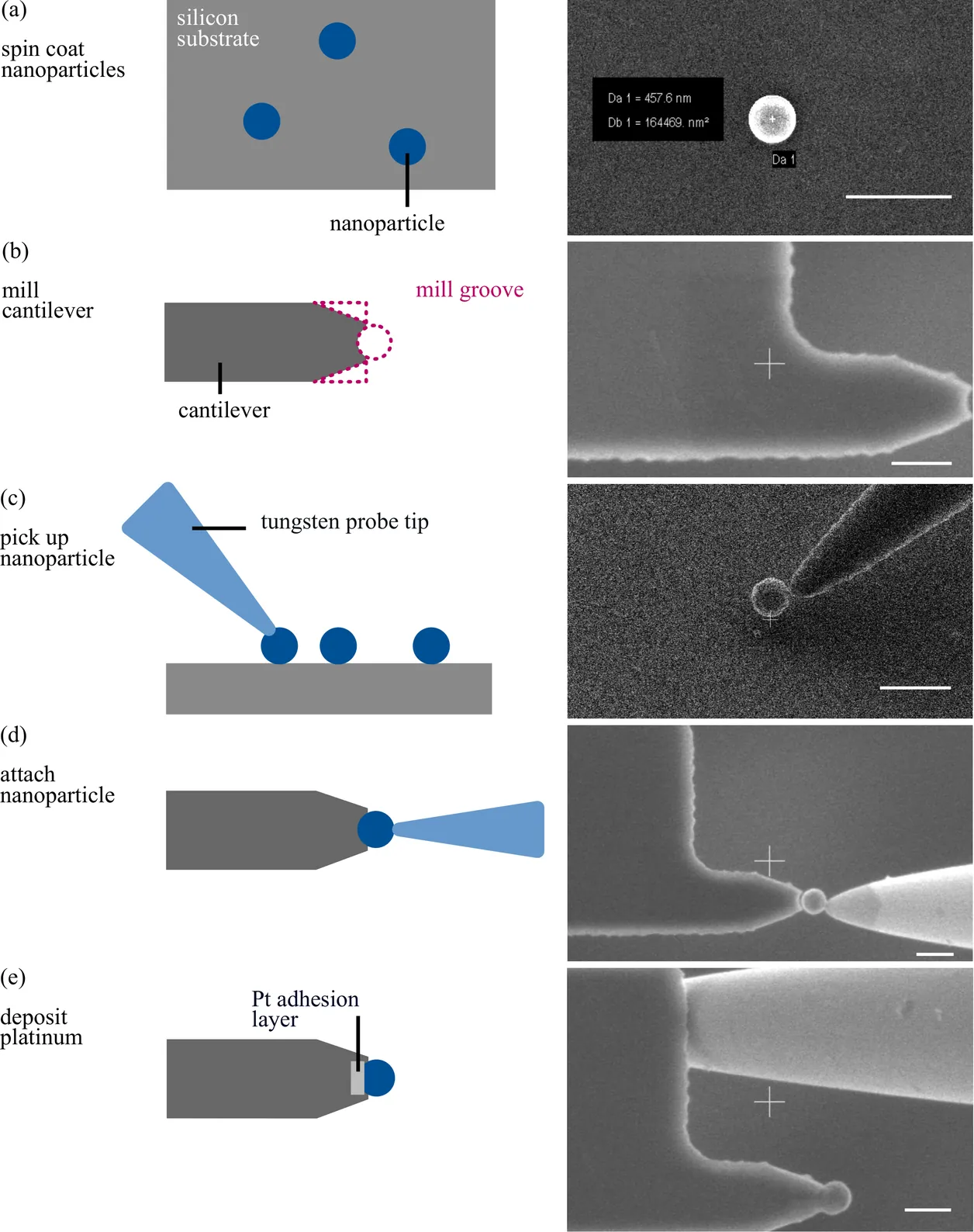
In this paper, we present a focused-ion-beam-assisted method for preparing magnet tips for magnetic resonance force microscopy measurements. The method electrostatically transfers prefabricated magnetic nanoparticles to microcantilevers, achieving precise control over the magnet overhang past the cantilever leading edge while minimizing the fabrication damage to the leading edge of the tip magnet. We demonstrate successful fabrication of magnets ranging in size from 460 nm to 2.8 um. These magnets were affixed to two types of cantilevers: silicon cantilevers with a spring constant of 800 uN/m, and single-crystal silicon cantilevers with a spring constant of 30 uN/m. We show that the electrostatic transfer method enables a wide variety of tip shapes, sizes, and materials that were previously not possible with conventional fabrication methods. The transfer procedure allows us to prefabricate the desired particle geometry with minimal ion-beam damage, as confirmed by Monte Carlo simulations. We show that the technique is versatile and can be used to fabricate custom-tipped cantilevers for a broader range of scanning probe techniques.
This paper reports on the design and construction of a chamber for the muon identifier detector (MID) of the ALICE 3 upgrade project. The chamber consists of two sensitive layers separated by a 1 cm air gap. Each layer holds 24 scintillator bars ($1\times4\times100$ cm$^3$) manufactured by FNAL-NICADD. The bars are equipped with Kuraray wavelength shifting fibers and the readout is provided by a silicon photomultiplier from Hamamatsu. The bars in the second layer are orthogonal to the bars in the first layer, thus providing an overlapping cell size of 4$\times$4 cm$^{2}$. The bar assembly as well as the design of the mechanical structure is described. The design of the chamber is close to that considered in the ALICE 3 letter of intent. The chamber was tested at the CERN T10 beamline using 3 GeV/$c$ pion-enriched and muon beams. The chamber was placed behind an iron absorber, with different absorber lengths considered in the test. The muon identification is performed using a Machine Learning algorithm, which was trained and tested using muon (signal) and pion (background) data (50% of the available statistics). The trained ML algorithm was applied to muon data, yielding a muon efficiency above 99% for the OR condition (detection in either layer 1 or 2). The implementation in the pion-beam data gives the fake-muon efficiency as a function of the absorber length that is well described by an exponential function with a slope parameter of 18.79 cm. The next steps towards finalizing the optimization are outlined.
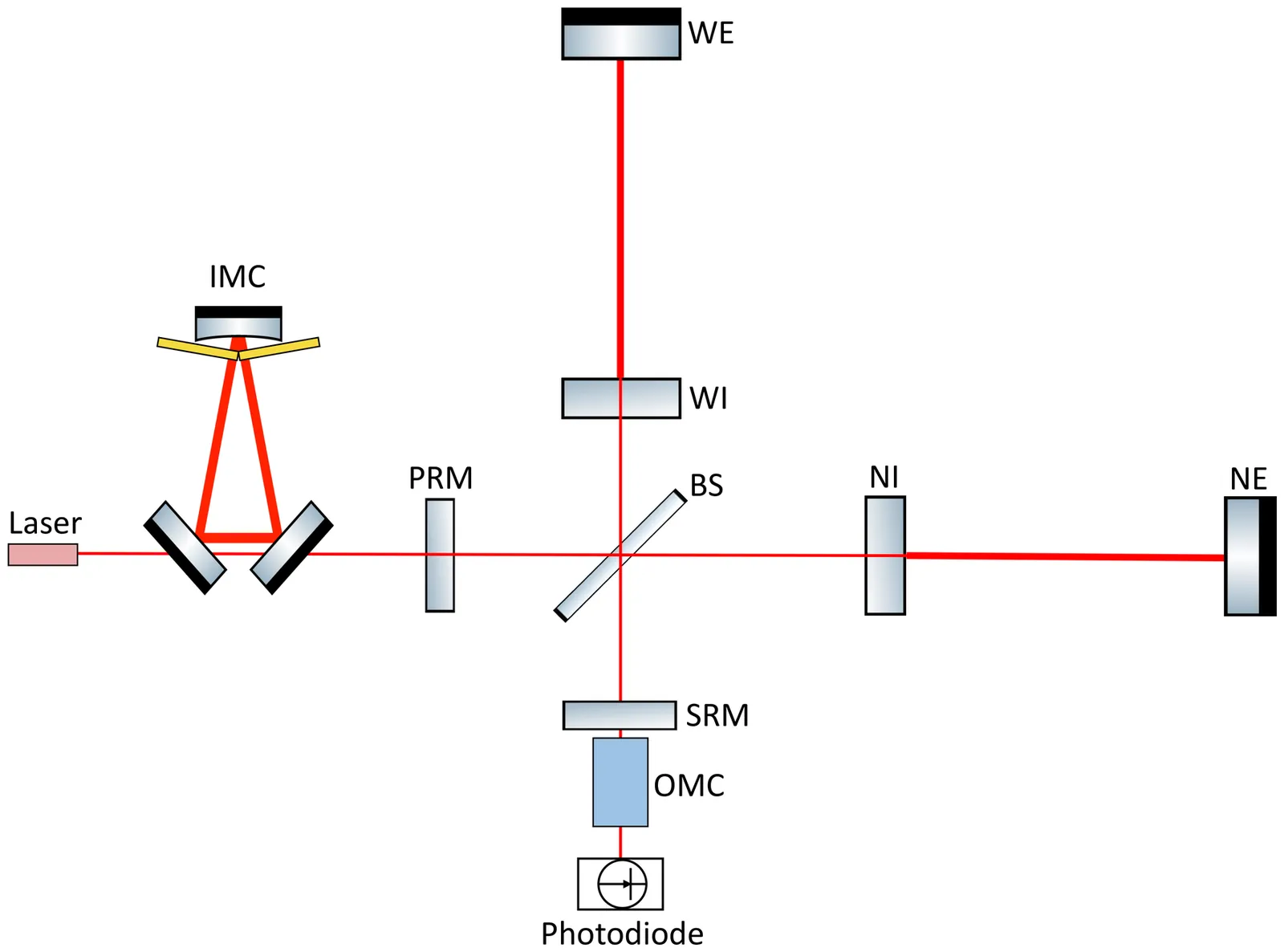
The suspended end mirror of the input mode cleaner cavity in the Advanced Virgo Plus interferometer was equipped with an instrumented baffle in spring 2021, serving as a demonstrator of the technology in preparation for the installation of large instrumented baffles in the main arms of the interferometer. This baffle includes tens of sensors positioned near the mirror to enable monitoring of stray light within the cavity. In this contribution, we assess the performance and stability of the instrument after four years of operation. After introducing the main characteristics of the baffle, we study the distribution of stray light and show that the instrumented baffle can be used to monitor laser stability and alignment within the cavity. Finally, we assess the noise level during the final stages of the O4b commissioning to monitor the impact of the baffle, and conclude that the baffle does not introduce any additional disturbance to the normal operation of the interferometer.
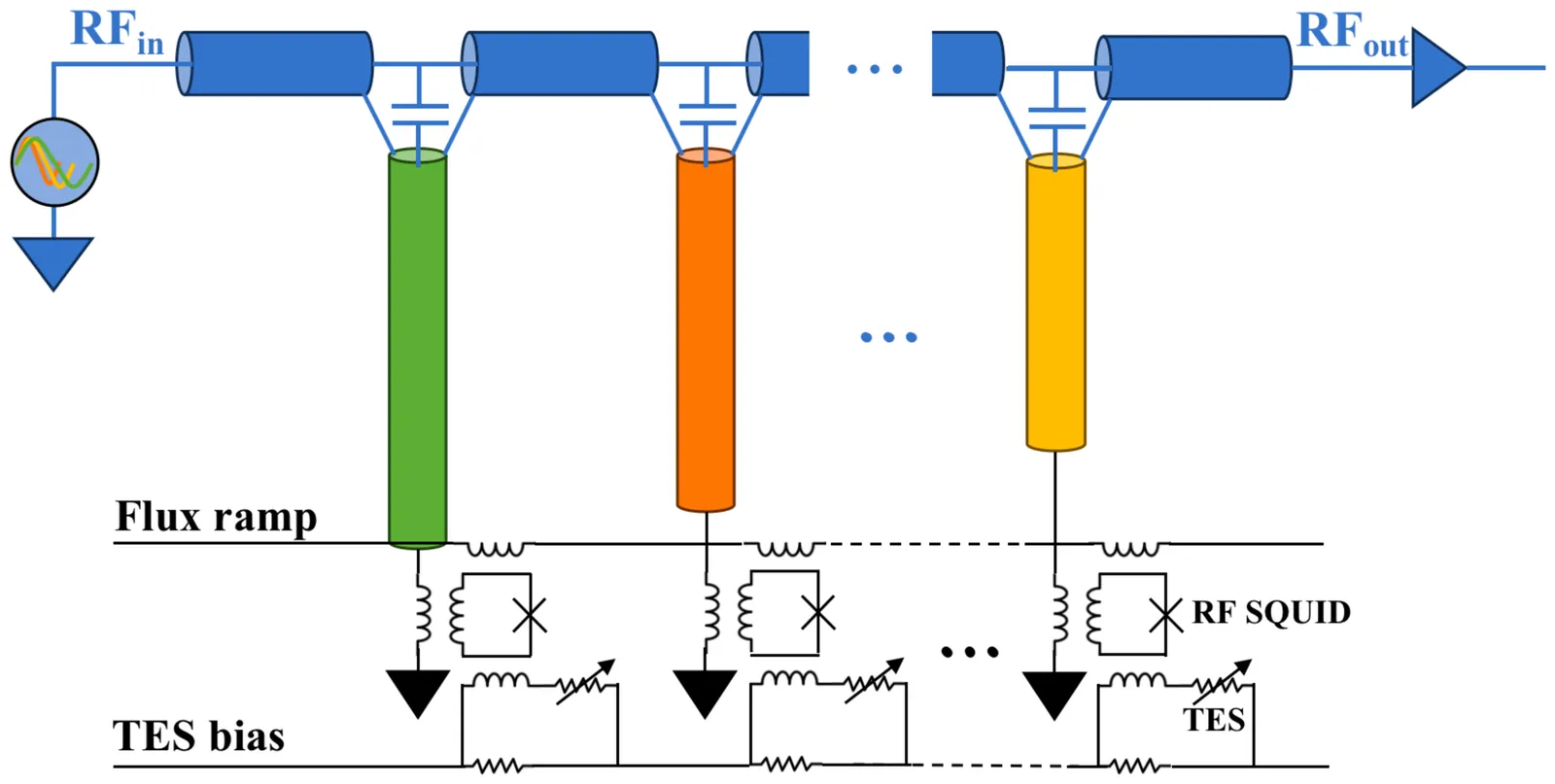
The readout system with a high multiplexing ratio has become a bottleneck limiting the application of large-scale Transition Edge Sensor (TES) detector arrays. In recent years, the microwave superconducting quantum interference device (SQUID) multiplexer has emerged as a key technology for effectively reading large-scale cryogenic detector arrays. Currently, the microwave SQUID multiplexer is being adopted by an increasing number of experiments due to its capability of achieving a multiplexing ratio of 2000:1 within the readout bandwidth. In this study, we developed and fabricated a 32-channel microwave SQUID multiplexer prototype. And we measured 8 channels of the prototype. The measured equivalent noise current of the prototype reached 154 pA/$\sqrt{Hz}$.
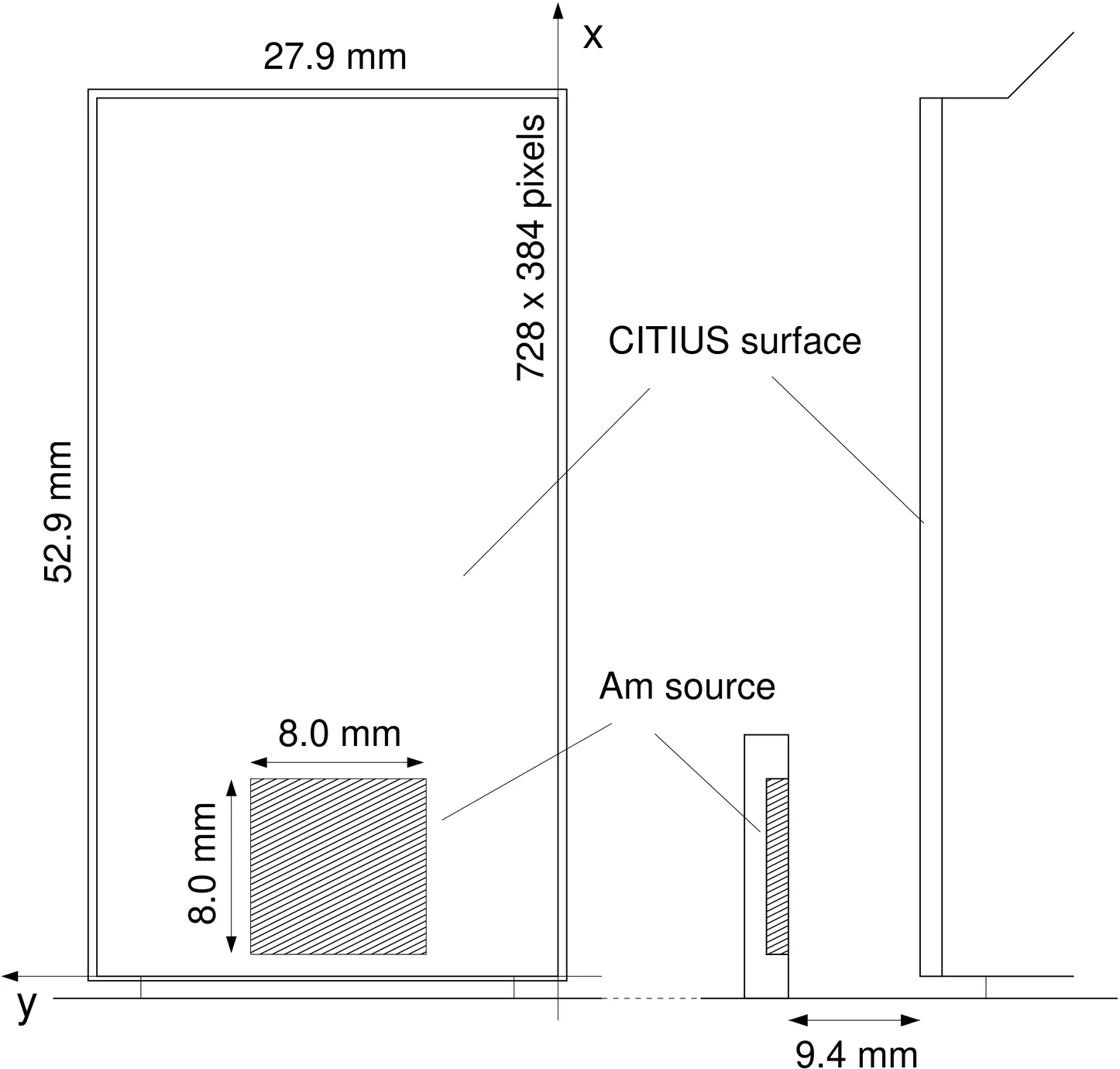
We report on the assessment of the imaging performance of CITIUS -- a high-speed X-ray detector developed for the large-scale synchrotron radiation facility SPring-8-II -- for heavy charged particles and neutrons. To characterize the detector response, an irradiation experiment was performed using alpha particles from an $^{241}$Am source at four back-bias voltages of 400V, 300 V, 200 V, and 170 V, thereby controlling the amount of charge diffusion. A Geant4 model of the experiment was constructed, and four model parameters were determined by template fitting to the measured signal cluster shape distributions. The best-fit values are: an intrinsic energy spread of 5% for the source, a gold fraction of 0.4 for the Au-Pd coating, a lateral charge diffusion spread of 26.5 $μ$m over a drift distance of 650 $μ$m at 400V back-bias, and a per-pixel readout noise of 10000 $e^{-}$ in the medium-gain channel. Using the obtained sensor model, simulations were performed for 4 MeV alpha particles and cold neutrons to evaluate the expected spatial resolution. In both cases, simulated CITIUS, when operated in a gain-selecting mode between high and medium gains, yields a substantial improvement: at a pixel size of 70 $μ$m for example, the resolution improves from 9.1 $μ$m to 1.2 $μ$m for alpha particles, and from 26 $μ$m to 1.9 $μ$m for cold neutrons. These results suggest that two key features of CITIUS -- its gain-selecting architecture and the substantial charge sharing enabled by the long carrier drift distance -- extend its imaging capabilities beyond X-rays to heavy charged particles and neutrons.
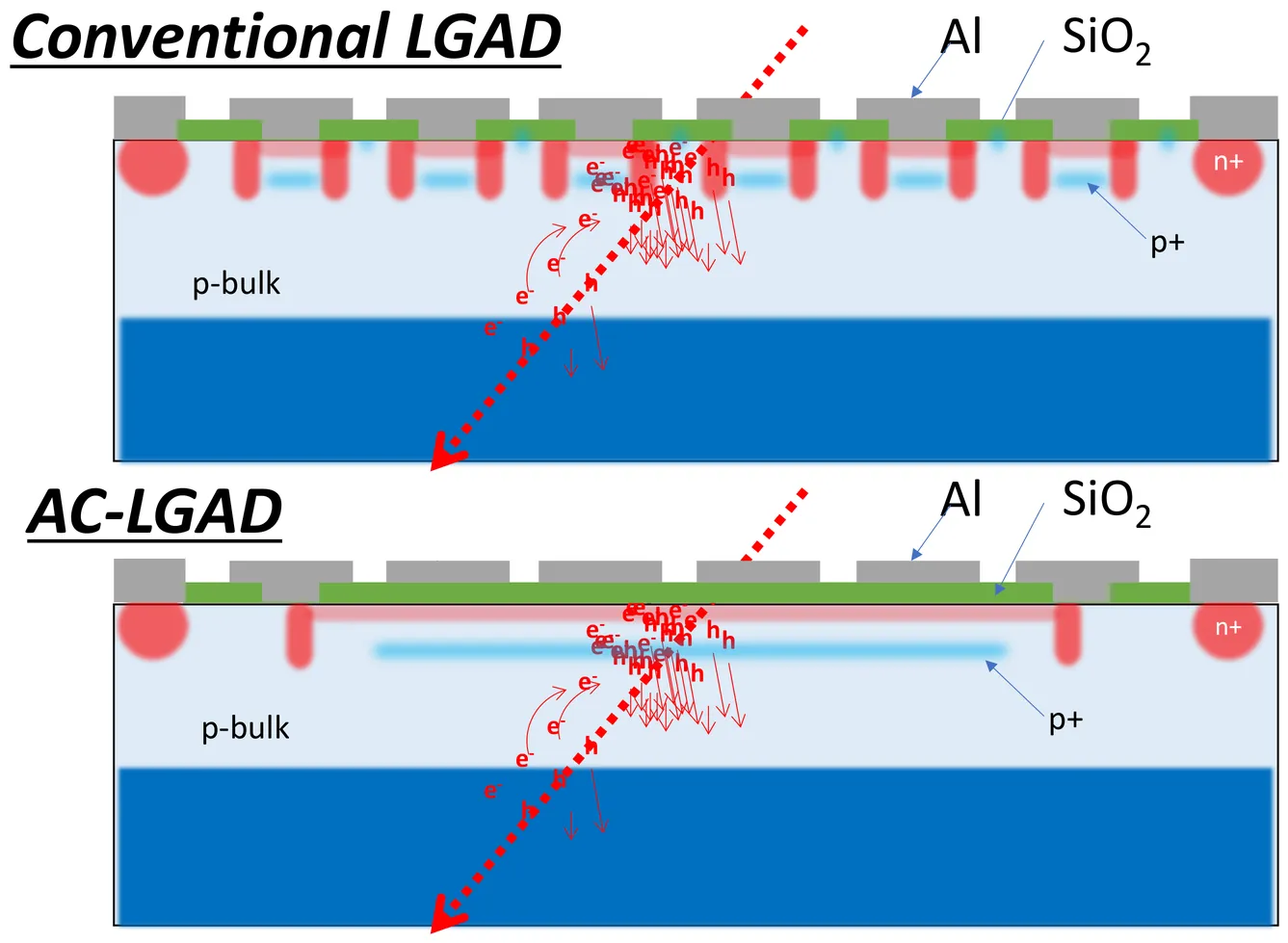
The Low-Gain Avalanche Diode (LGAD) is a semiconductor detector capable of achieving excellent timing resolution (~20 ps) for minimum ionizing particles (MIPs). To realize a pixelated detector with both high timing precision and spatial resolution, we have been developing Capacitive-Coupled LGADs (ACLGADs) for future collider experiments, such as the latter phase of the High-Luminosity LHC. We have successfully fabricated a pixelated ACLGAD (ACLGADpix) with a 100 $μ$m %\times% 100 $μ$m pixel pitch, maintaining uniform timing performance across the active area. In this presentation, we will report recent measurement results from ACLGADpix prototypes using beta rays, an infrared laser, and a 3 GeV electron beam. We will also discuss potential readout electronics for future collider applications.
Liquid scintillators underpin a wide range of radiation detectors, including those used in neutrino physics, but typically rely on organic fluors dissolved in hazardous and costly solvents. Here, we show that carbon dots - nanoscale fluorescent carbon materials - synthesised from simple household ingredients using a microwave can function as water-based liquid scintillators. These carbon dots dispersed in water produce light yields up to 70 +/- 20 photons per MeV and enable the detection of atmospheric muons. This yield is sufficient to detect low-energy protons in water Cherenkov neutrino detectors, expanding their programs in both particle physics and astrophysics. These results establish an accessible, low-cost and environmentally benign route to scintillator development, opening new opportunities for large-scale radiation detection.
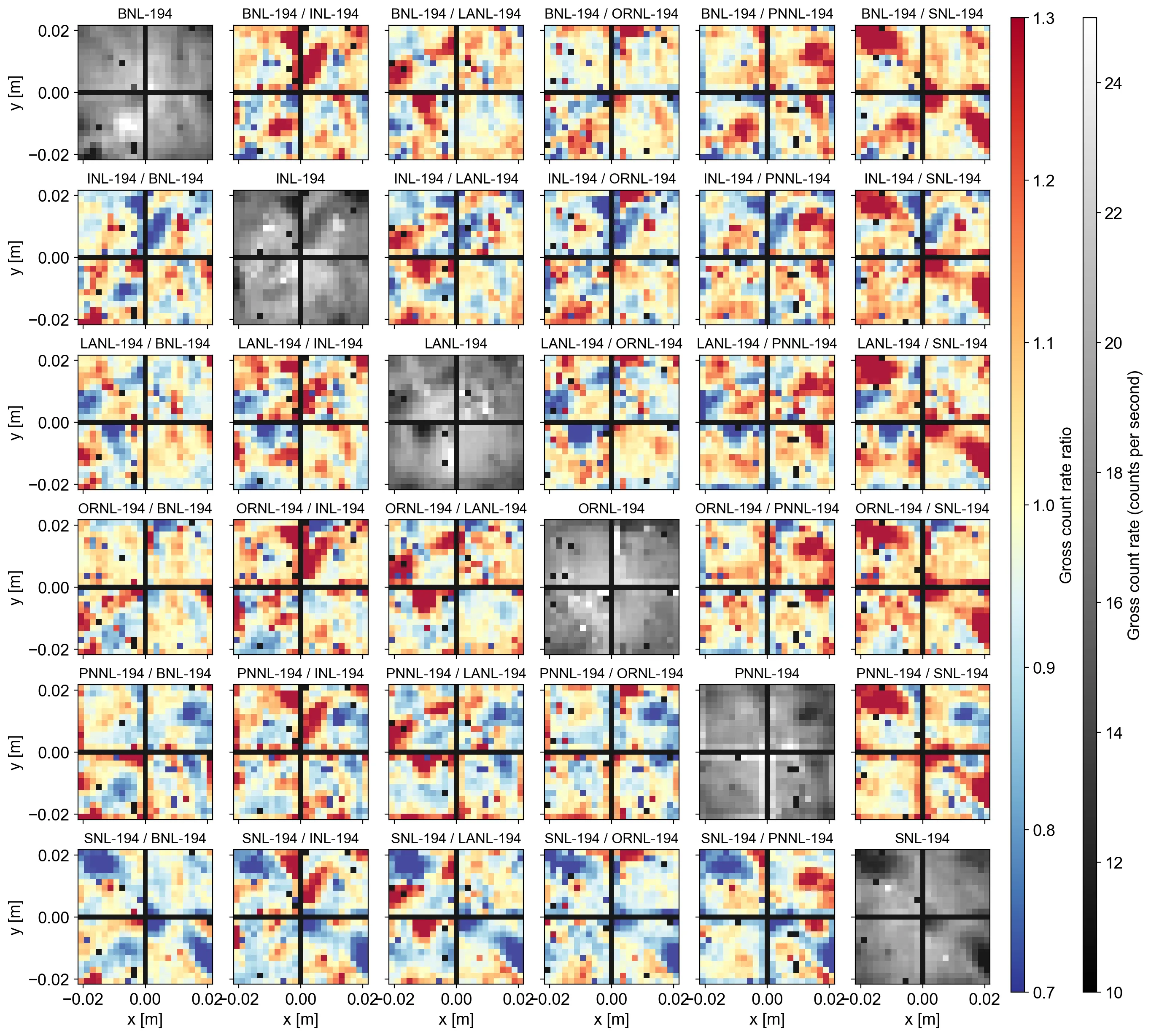
Recent work by Vavrek et al. (2025) showed that machine learning methods can be used to exploit spatial patterns of performance variations within the highly-segmented H3D M400 gamma spectrometer to improve an overall spectroscopic performance metric. That work also introduced the spectre-ml software, which tests various greedy, heuristic, random, and machine learning clustering algorithms to find the best performing mask for excluding detector regions to improve a user-defined performance metric by training on a given dataset. In this work, we build off of Vavrek et al. (2025) and seek to determine to what extent an optimized binary voxel mask trained on a given dataset can generalize to other datasets. In particular, this paper evaluates the transferability of masks trained on one M400 dataset to another M400 detector, in order to determine whether the total effort required in designing masks for different detectors and applications can be substantially reduced by using a single common mask. It also examines testing and training on different subsets of the same dataset to determine the natural level of variability in optimization results. In the inter-detector analysis, as expected, the best performing model on each detector is often one trained on that dataset, with an average performance enhancement of $16\%$ when considering the relative uncertainty in a Doniach fit to the $186$ keV peak. In comparison, the best transferred masks, with the best on average performance metric across all six detectors, show only a slightly smaller improvement of $13\%$ on average. These results suggest that high-performing, well-transferable masks can be shared among detectors, reducing or even eliminating the laborious processes of collecting a training dataset and performing the optimization for each detector, ultimately improving safeguards efficiency.
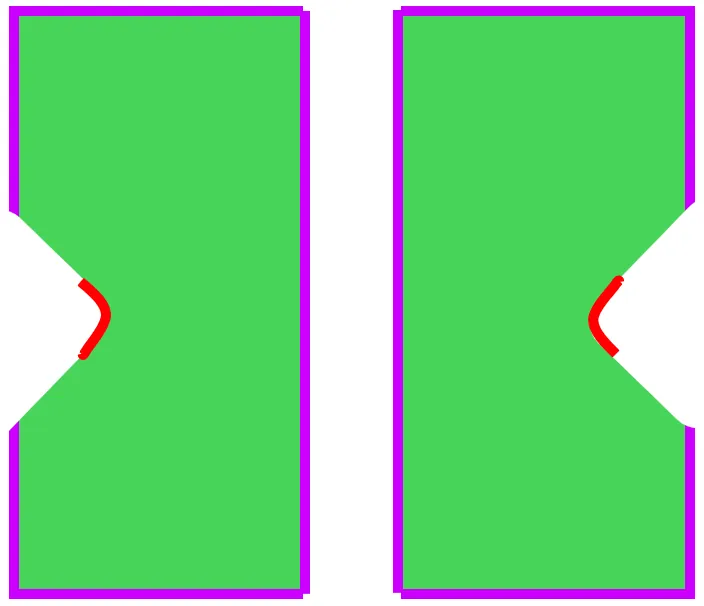
Rare-event experiments such as LEGEND-1000 require high-purity germanium (HPGe) detectors with excellent energy resolution, low electronic noise, and scalable low-background packaging. The germanium ring-contact (GeRC) concept addresses this need through a recessed ring-and-groove electrode geometry intended to preserve point-contact-like low-capacitance signal formation in larger crystals. However, reliable GeRC fabrication has remained unproven because the non-planar groove geometry complicates machining, surface recovery, conformal passivation, and especially the eventual formation of a robust lithium-diffused outer contact. We report the fabrication and first cryogenic operation of two compact n-type GeRC process-validation prototypes produced from in-house HPGe crystals at the University of South Dakota. An optimized workflow was developed for core drilling, groove cutting, non-planar polishing, conformal amorphous-germanium (a-Ge) encapsulation, Al patterning, and GeRC-specific cryogenic mounting. Two independent sputtering systems were used to test whether the thin-film sequence remains operable across substantially different deposition environments. At 77~K, both devices biased stably, showed an inferred depletion onset near 340~V from a pulser-based capacitance proxy consistent with electrostatic modeling, and produced identifiable full-energy peaks from $^{241}\mathrm{Am}$ and $^{137}\mathrm{Cs}$. These results establish a proof-of-principle process and readout baseline for geometry-specific GeRC development. They do not yet constitute a deployment-ready large-mass GeRC technology, but they define the foundation for the next step: integrating conformal lithium-paint deposition and controlled diffusion on the ring-and-groove topology.
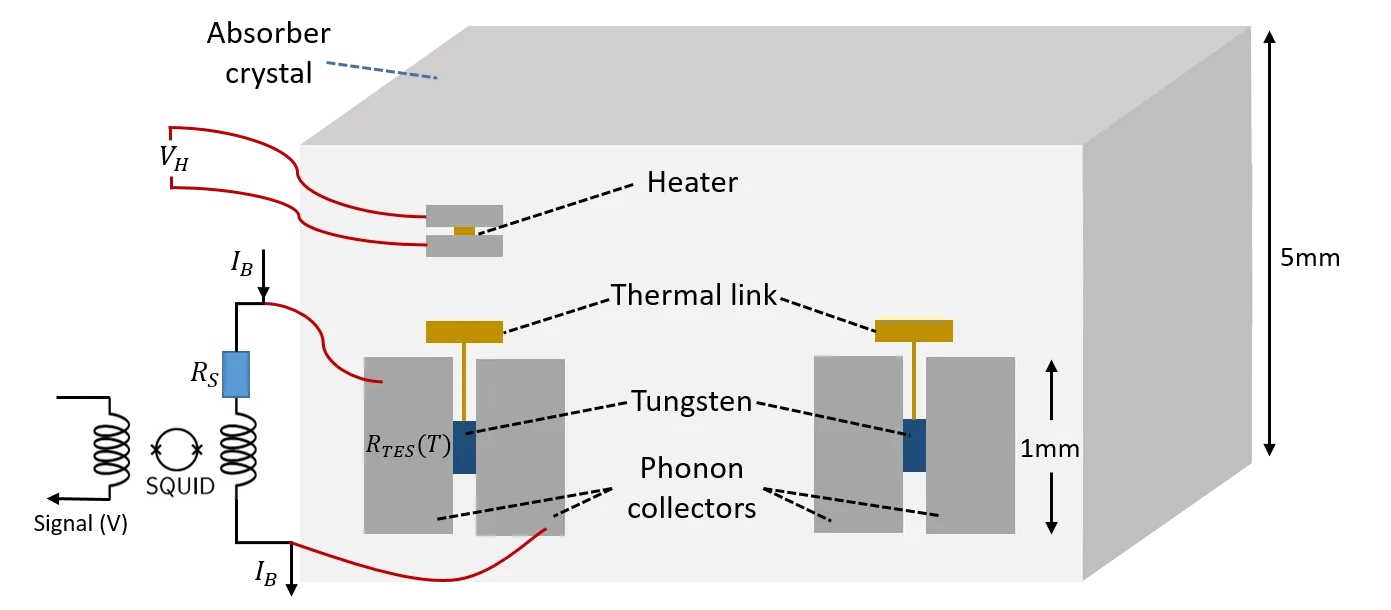
Phonon-mediated cryogenic calorimeters find application in rare event searches due to their intrinsically low energy threshold. Achieving the best sensitivity for this kind of detectors is crucial for signal identification, leading to various optimization techniques. In this work, we present two complementary methods to increase the sensitivity of cryogenic detectors read out by transition-edge sensors, developed and tested in the context of the NUCLEUS experiment. The first procedure maps the signal-to-noise ratio of the device across a wide range of operating points, to identify the configuration with maximal sensitivity to be used during data taking. The second method exploits the double readout of the detector, combining the information on different channels with a two-dimensional optimum filter analysis that effectively lowers the energy threshold. With both techniques at the same time, we obtained a baseline resolution of 2.94 $\pm$ 0.05 (stat) eV using a CaWO4 based detector, achieving a promising result in view of the first run of NUCLEUS at the experimental site.
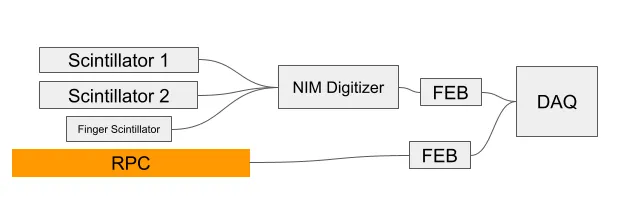
Resistive Plate Chambers (RPCs) are widely used as tracking detectors in many high-energy physics experiments. It has been observed that low-resistive bakelite RPC prototypes frequently exhibit a secondary hit component, appearing as a long tail or an additional peak in the time-correlation spectra relative to the trigger detector. These secondary hits, which affect both the time and spatial resolution, are difficult to distinguish from genuine signals in high-rate environments without an external trigger. As a result, they can significantly degrade track reconstruction efficiency and increase processing time. We present a machine-learning-based strategy to separate signal and background hit clusters using fifteen cluster-level descriptors that encode both statistical properties (histogram mean, width, cluster size) and fit-based parameters (Gaussian-fit mean, width, amplitude, chi^2, NDF) of the time and ADC distributions. Using laboratory data collected from a single-gap low resistive RPC with a three-scintillator master trigger, we trained and evaluated three classifiers-DNN, 1D-CNN, and XGBoost-on balanced signal/background samples. All models demonstrate strong discrimination capability, with XGBoost showing the most robust generalization performance. Feature-importance analysis indicates that cluster size and temporal-shape descriptors are the dominant discriminants. These results highlight that compact, interpretable cluster-level features combined with machine-learning classifiers offer a practical and effective approach to suppress background in self-triggering low resistive RPC detectors.
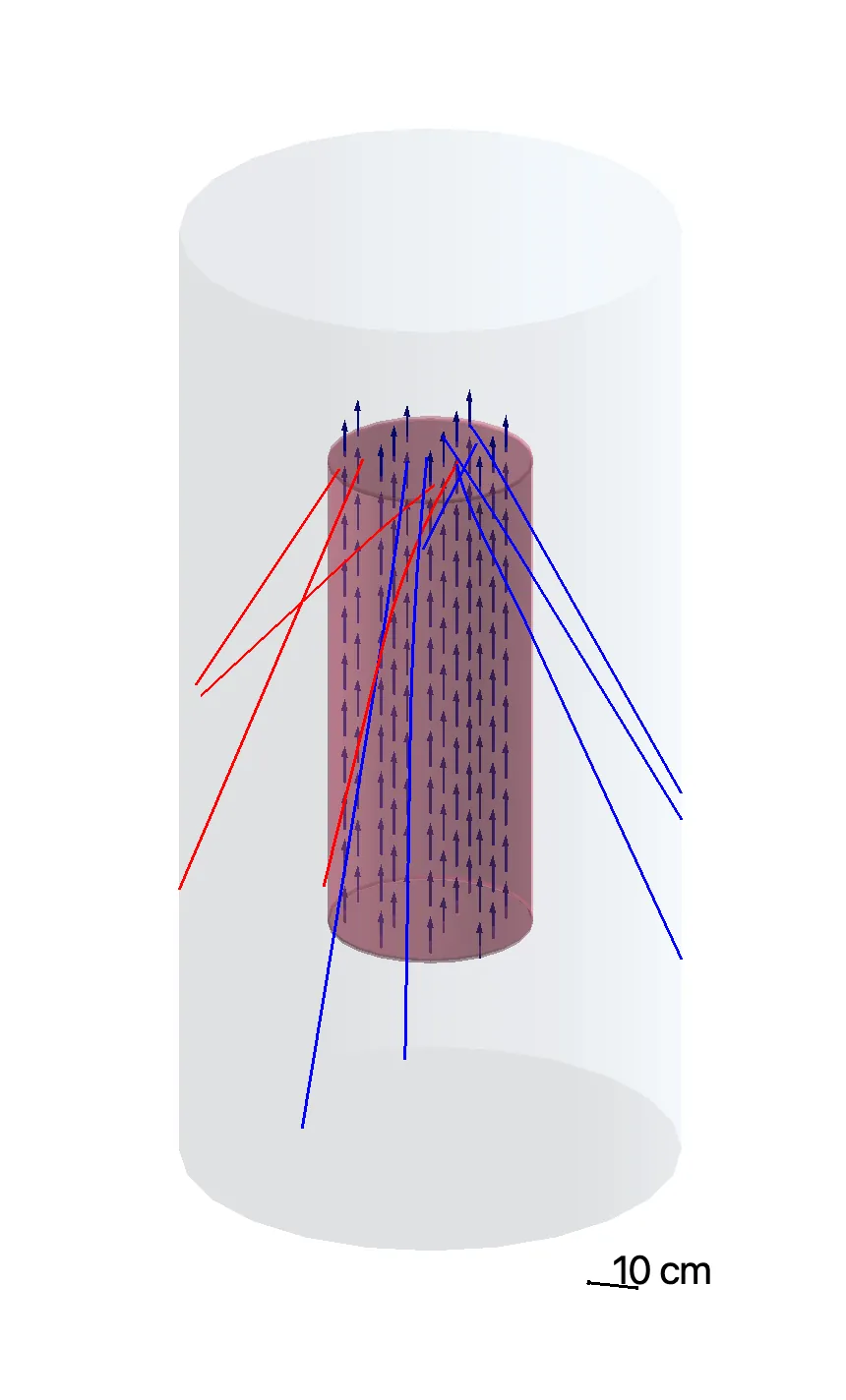
We estimate the synchrotron radiation of cosmic muons in a uniform magnetic field in the $μ$eV-to-meV energy scale. Such events can potentially bring backgrounds to the axion dark matter searches. The GEANT4 software package is utilized to simulate the muon tracks in a cylindrical region of interest with an 8~T solenoid magnetic field applied. We further develop an analytical estimation of the angular-frequency-differential synchrotron radiation power spectra in this work as the cosmic muons span a wide range of Lorentz factor $γ$ and pitch angle $α$. We verify that the cosmic muons are not the dominant noise background for the current axion dark matter experiments on the $μ$eV scale because of the high quality factor $Q$ and fine energy resolution in the readout. However, without sufficient energy resolution in the detector readout, future broadband axion dark matter experiments will be vulnerable to the synchrotron radiation of these charged particles.