Self-organization, machine learning, evolutionary algorithms, stochastic methods.
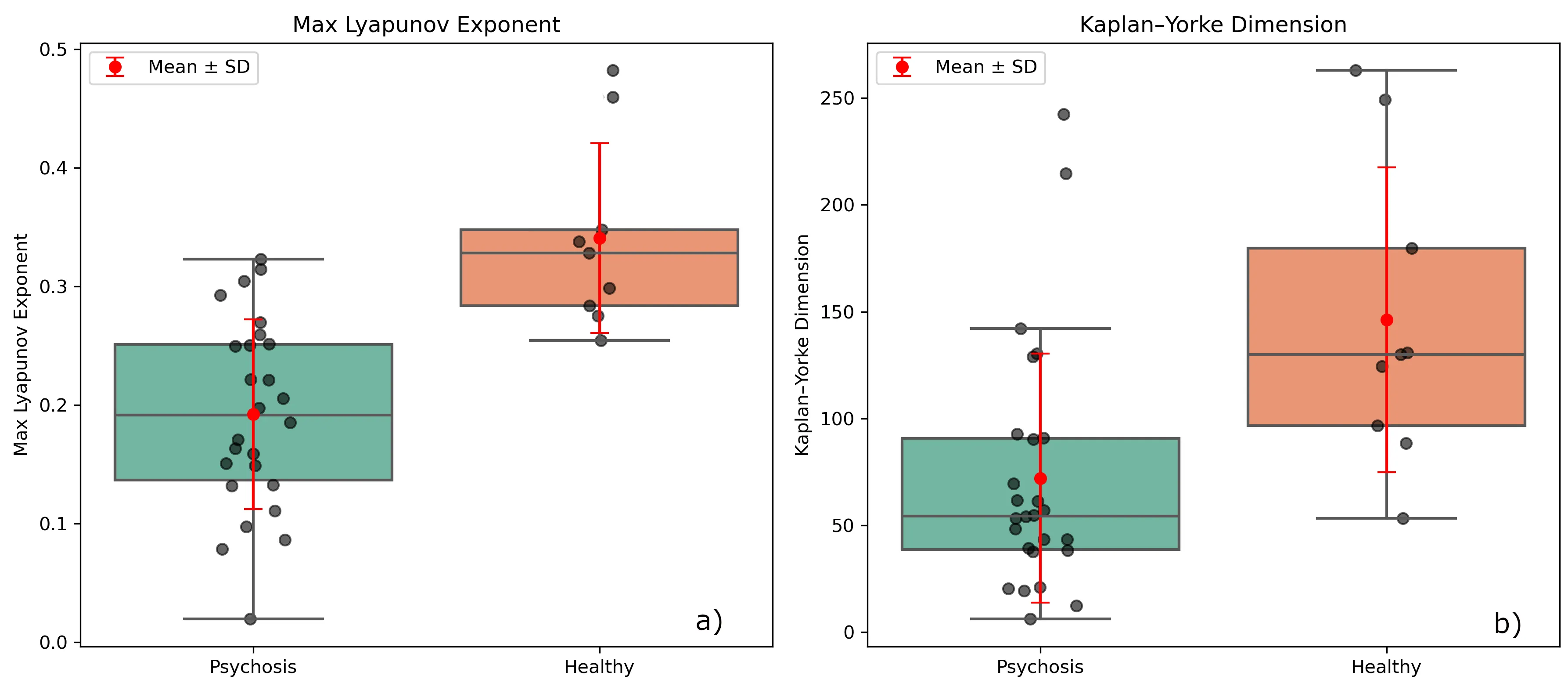
We analyze speech embeddings from structured clinical interviews of psychotic patients and healthy controls by treating language production as a high-dimensional dynamical process. Lyapunov exponent (LE) spectra are computed from word-level and answer-level embeddings generated by two distinct large language models, allowing us to assess the stability of the conclusions with respect to different embedding presentations. Word-level embeddings exhibit uniformly contracting dynamics with no positive LE, while answer-level embeddings, in spite of the overall contraction, display a number of positive LEs and higher-dimensional attractors. The resulting LE spectra robustly separate psychotic from healthy speech, while differentiation within the psychotic group is not statistically significant overall, despite a tendency of the most severe cases to occupy distinct dynamical regimes. These findings indicate that nonlinear dynamical invariants of speech embeddings provide a physics-inspired probe of disordered cognition whose conclusions remain stable across embedding models.
Synchronization of coupled oscillators is observed in many natural and engineered systems and emerges due to the interactions within the system. It can be both beneficial, e.g., in power grids, and harmful, e.g., in epileptic seizures. In the latter case, efficient control methods to desynchronize the systems are crucial. Recent studies have shown that interactions are not always pairwise, but higher-order, i.e., many-body, and this greatly affects the dynamics. For instance, higher-order interactions increase the linear stability of synchronized states but simultaneously shrink their attraction basin, with potentially opposite effects on control methods. Here, we use a minimally invasive pairwise control based on Hamiltonian control theory, and investigate its efficiency on phase oscillators with higher-order interactions. We show that, if the initial phases are close to the synchronized state, higher-order interactions make desynchronization more difficult to achieve. Otherwise, a non-monotonic effect appears: intermediate strengths of higher-order interactions impede desynchronization while larger ones facilitate it. In all cases, the control can desynchronize the system with a sufficient number of controlled nodes and intensity.
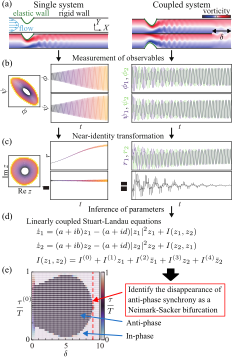
We present a data-driven framework to infer phase-amplitude equations of coupled limit-cycle oscillators directly from waveform measurements. Exploiting the universality of the Stuart-Landau normal form near a supercritical Hopf bifurcation, we reconstruct a near-identity transformation from two independent observables of an isolated oscillator and infer the intrinsic Stuart-Landau parameters. Using this reconstructed transformation, we then estimate linear coupling coefficients from paired measurements. The method accurately recovers parameters for coupled van der Pol oscillators, providing a quantitative benchmark. Applied to a high-dimensional hydrodynamic system of two coupled collapsible-channel oscillators, the inferred Stuart-Landau model captures bistability between in-phase and anti-phase synchronization and reveals that the anti-phase state is destabilized through a Neimark-Sacker bifurcation. Our approach enables quantitative prediction of synchronization transitions involving amplitude dynamics from experimentally accessible waveform data.
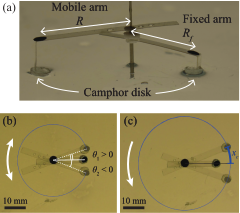
Camphor is a well-studied material capable of generating self-propelled motion at a water surface, and the resulting dynamics can exhibit a wide range of behaviors. Here, we analyze a one-dimensional model describing a mobile camphor disk perturbed by a second localized camphor source. The interaction between the rotor and the perturbing disk is represented by a distance-dependent potential. The study is motivated by experiments in which a camphor rotor interacts with a fixed camphor disk placed on the water surface. Numerical simulations of the model reproduce the essential features of the experimentally observed position-dependent rotor velocity for all considered forms of the potential. For weak perturbations, we derive analytical solutions valid for arbitrary potential profiles. Both the simulations and the analytical results demonstrate a pronounced asymmetry in the rotor velocity depending on whether the rotor approaches or recedes from the perturbation.
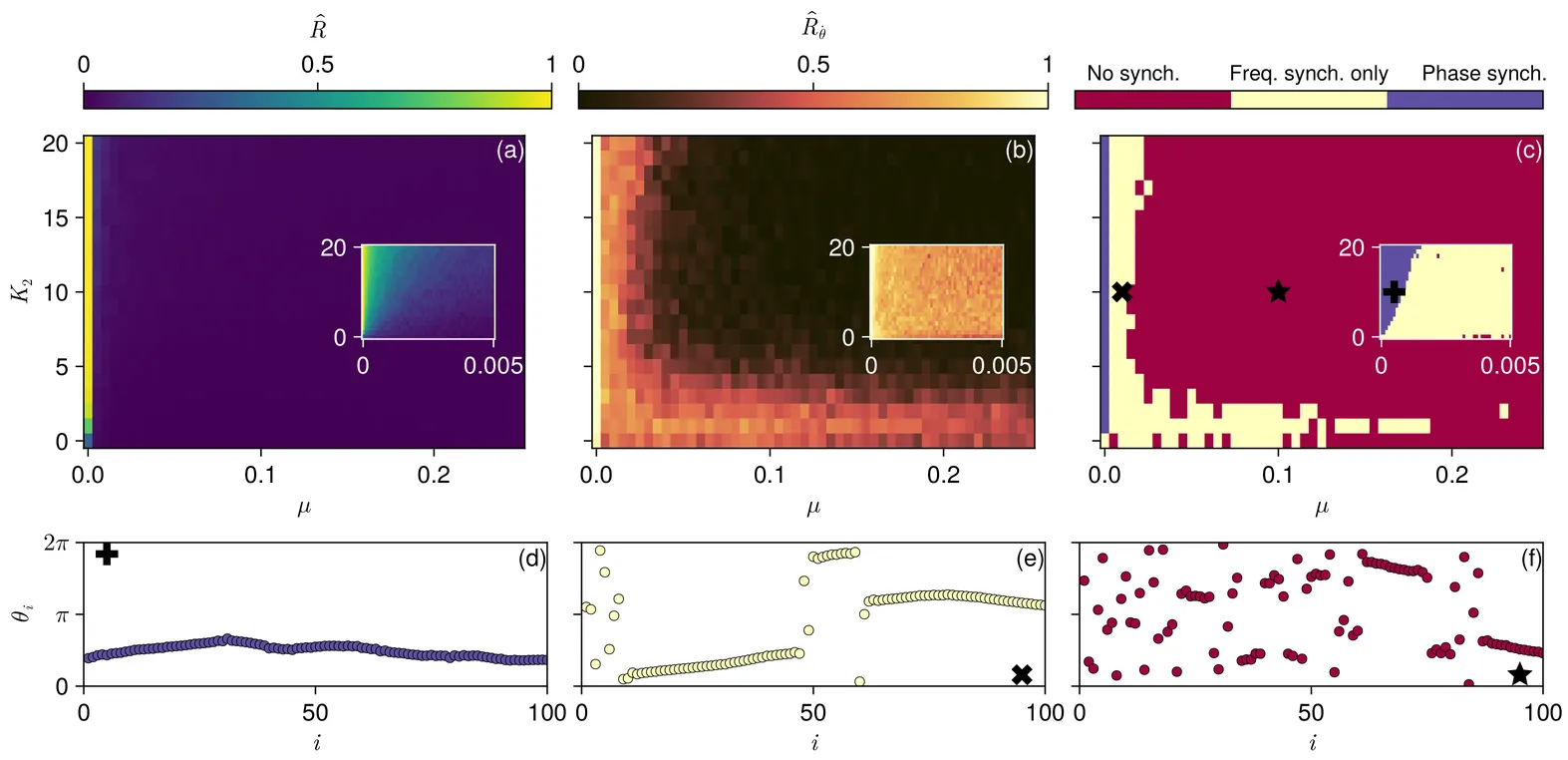
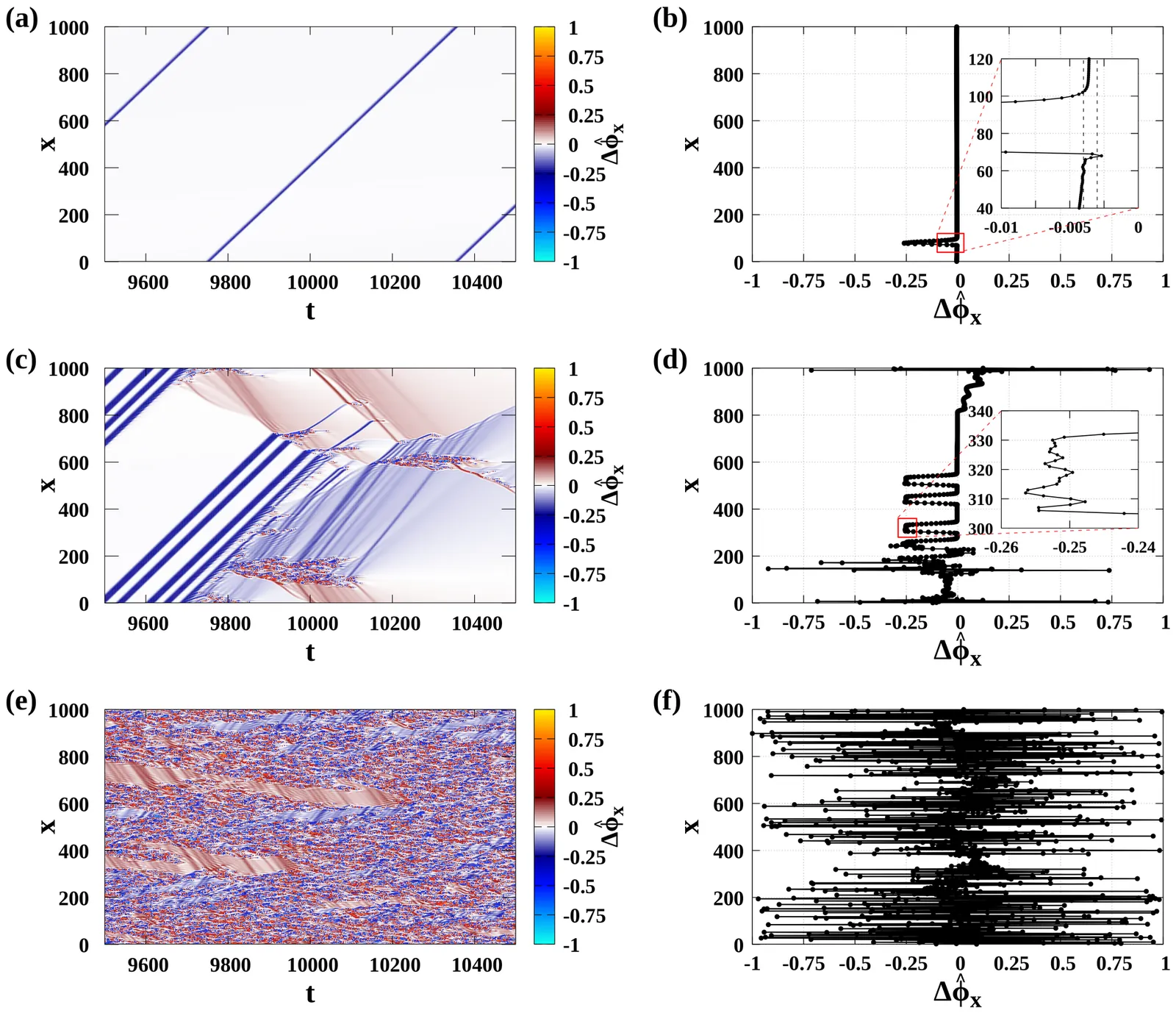
We investigate the transition from synchronized to chimera states in a ring of non-locally coupled phase oscillators. Our focus is on the intermediate defect states, where solitary waves in the phase gradient profile travel at a constant speed. These traveling defects serve as a dynamical precursor for the nucleation of chimera clusters. The fraction of samples exhibiting defect states increases with the phase delay $α$ and peaks at $α_{c}$, where the system crosses over to asynchronous states filled with chimera clusters. While the traveling speed, number, and width of these defects increase with $α$, the total spatial extent of the defects remains robust against the system size $N$. These results shed new light on the emergence of chimera states in frustrated coupled oscillators.
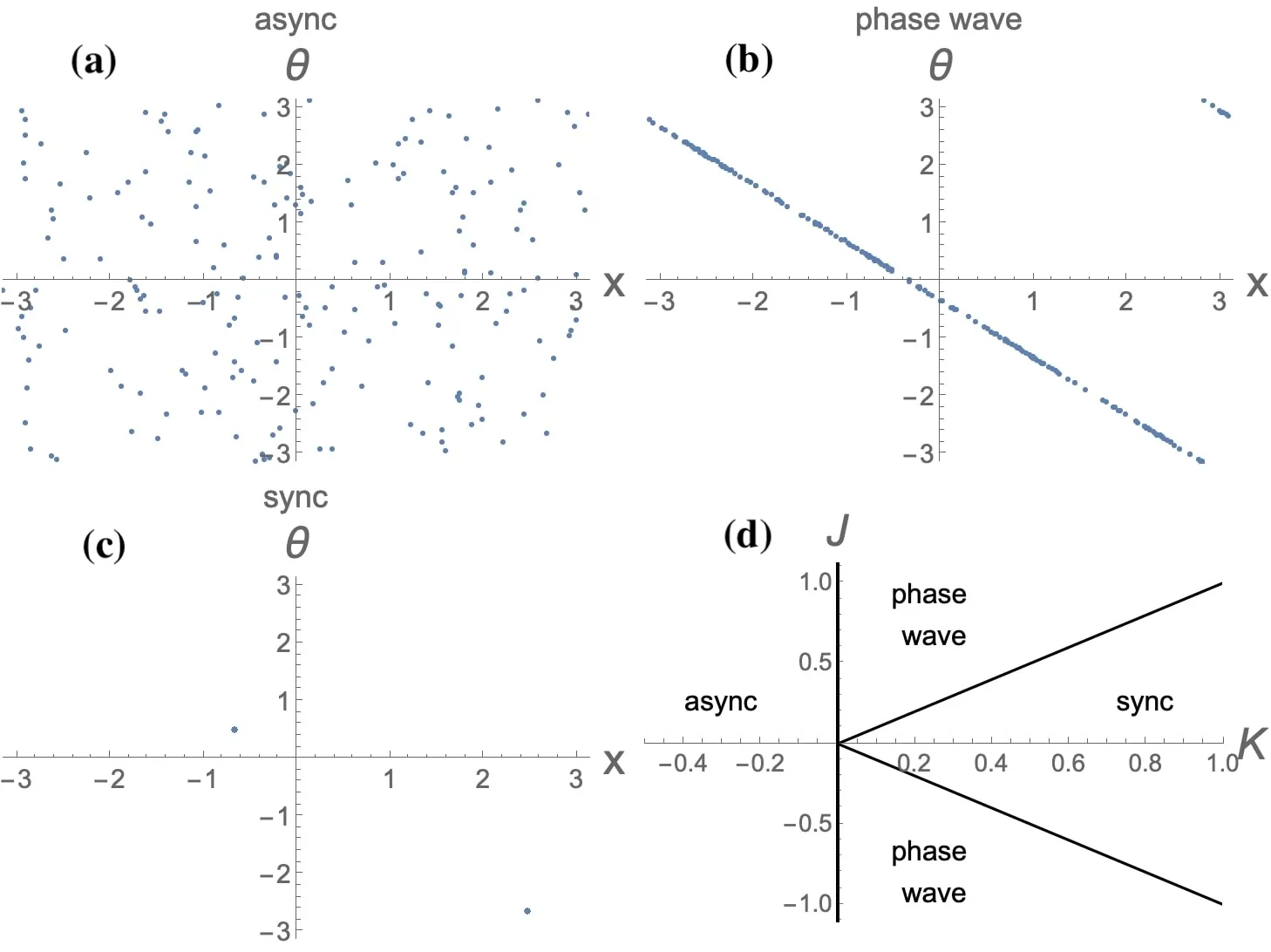
We study the 1d swarmalator model augmented with time delayed coupling. Along with the familiar sync, async, and phase wave states, we find a family of unsteady states where the order parameters are time periodic, sometimes with clean oscillations, sometimes with irregular vacillations. The unsteady states are born in two ways: via a Hopf bifurcation from the phase wave, and a zero eigenvalue bifurcation from the async state. We find both of these boundary curves analytically. A surprising result is that stabilities of the async and sync states are independent of the delay τ; they depend only on the coupling strength.
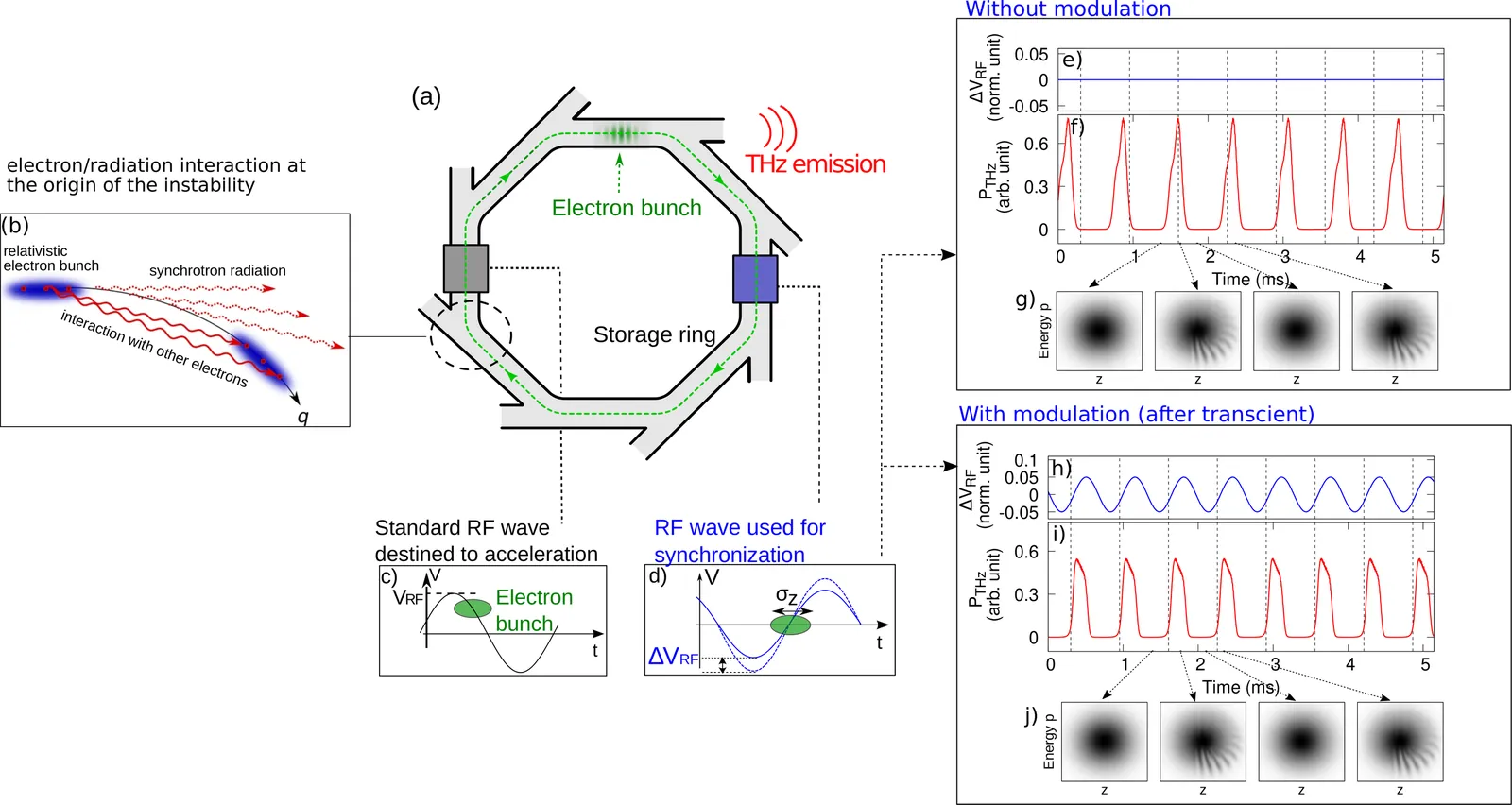
Synchronization is a fundamental phenomenon in dynamical systems, occurring in a wide range of contexts such as mechanical, chemical, biological, and social systems. In this work, we explore a novel manifestation of synchronization in accelerator-based light sources, specifically in storage rings where relativistic electron bunches circulate and emit synchrotron radiation, used for user experiments. In such systems, a systematic spatio-temporal instability arises when the bunch contains a large number of electrons. This instability is characterized by the spontaneous formation of microstructures within the bunch, which appear with a bursting behavior. We demonstrate that these bursting events can be synchronized with an external sinusoidal signal by modulating the electric field in a radiofrequency (RF) cavity. This external modulation induces typical synchronization features such as Arnold tongues at fundamental, harmonic, and subharmonic frequencies of the natural bursting rate, as well as phase-slip phenomena near the synchronization threshold. The synchronization mechanism is analyzed using numerical simulations based on the Vlasov-Fokker-Planck equation, and a proof-of-principle experiment is conducted at the SOLEIL synchrotron facility.
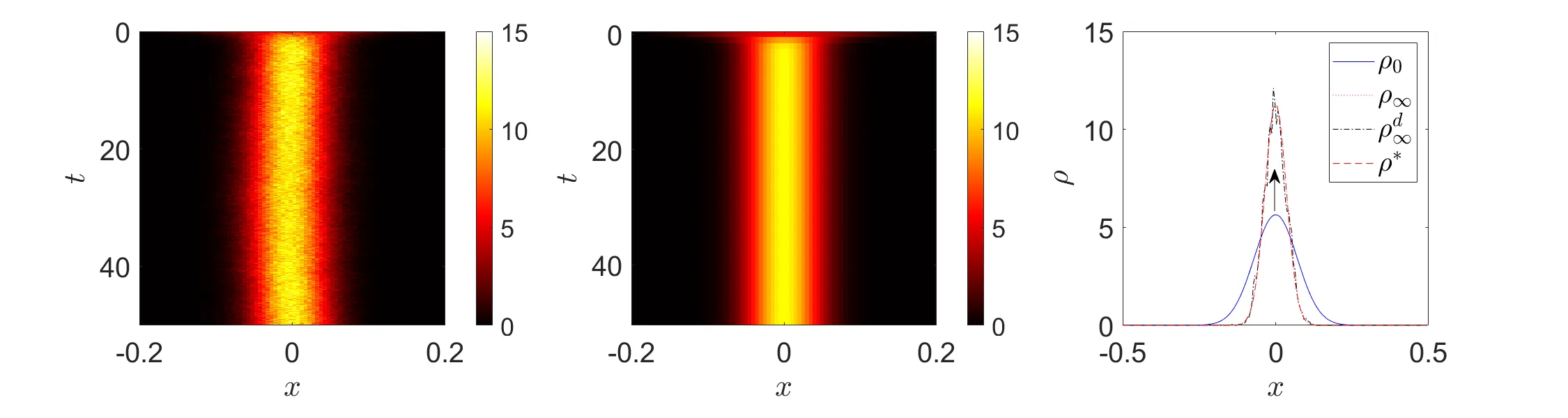
Interacting particle systems provide a fundamental framework for modeling collective behavior in biological, social, and physical systems. In many applications, stochastic perturbations are essential for capturing environmental variability and individual uncertainty, yet their impact on long-term dynamics and equilibrium structure remains incompletely understood, particularly in the presence of nonlocal interactions. We investigate a stochastic interacting particle system governed by potential-driven interactions and its continuum density formulation in the large-population limit. We introduce an energy functional and show that the macroscopic density evolution has a gradient-flow structure in the Wasserstein-2 space. The associated variational framework yields equilibrium states through constrained energy minimization and illustrates how noise regulates the density and mitigates singular concentration. We demonstrate the connection between microscopic and macroscopic descriptions through numerical examples in one and two dimensions. Within the variational framework, we compute energy minimizers and perform a linear stability analysis. The numerical results show that the stable minimizers agree with the long-time dynamics of the macroscopic density model.
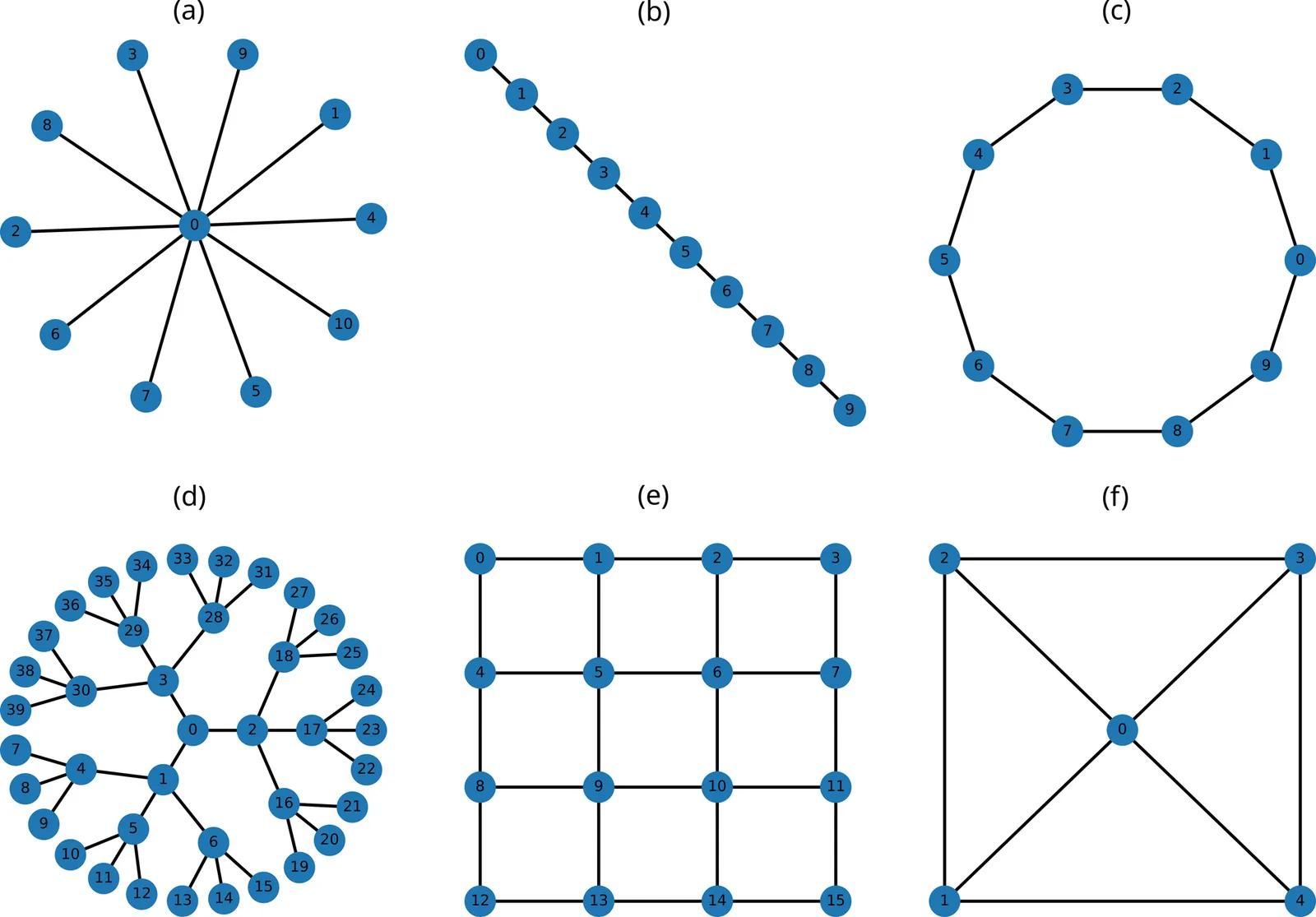
Self-avoiding random walks on graphs can be seen as walkers interacting with their own past history. This letter considers a complementary class of dynamics: Mutual future avoiding random walks (MFARWs), where stochastically driven walkers are avoiding each others planned future trajectories. Such systems arise naturally in conceptual models of shared mobility. We show that periodic behavior emerges spontaneously in such MFARWs, and that periodic and unstructured behavior coexist, providing a first example of Chimera style behavior of non-oscillatory paths on networks. Further, we analytically describe and predict the onset of structure. We find that the phase transition from unstructured to periodic behavior is driven by a novel mechanism of self-amplifying coupling to the periodic components of the stochastic drivers of the system. In the context of shared mobility applications, these Chimera states imply a regime of naturally stable co-existence between flexible and line-based public transport.
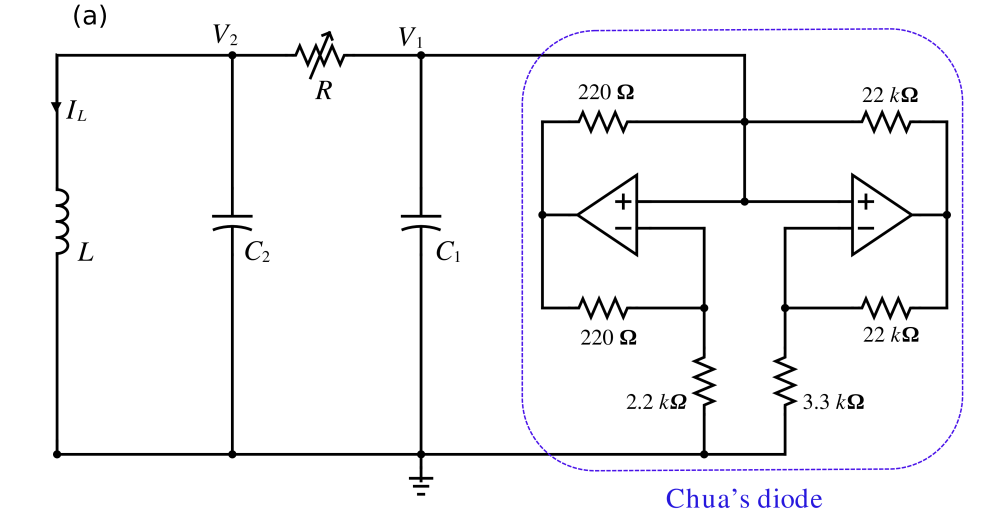
We study the response of Chua's circuit driven by a chaotic signal of variable time-scale. We observe that when the frequency of the drive is significantly lower than that of the response and the driving strength is above a threshold, the Chua's circuit exhibits multiple stable attractors. The features of the attractors change as the driving strength ε increases, for instance the attractors are double-scroll at low ε and are single-scroll when ε is high. We also investigate generalized synchronization(GS) between the drive and the response systems by employing the auxiliary system approach. When the drive is much slower than the response, we observe different scenarios of remote synchronization(RS) between response and auxiliary units. In addition to complete synchrony between response and auxiliary systems indicating GS between drive and response, we notice that the response and auxiliary units can be lag synchronized and can also have correlated trajectories indicating novel forms of RS. The slow drive can induce multistability between these RS states which disappears as the frequency of drive increases and become equivalent to the response Chua's ciruit.
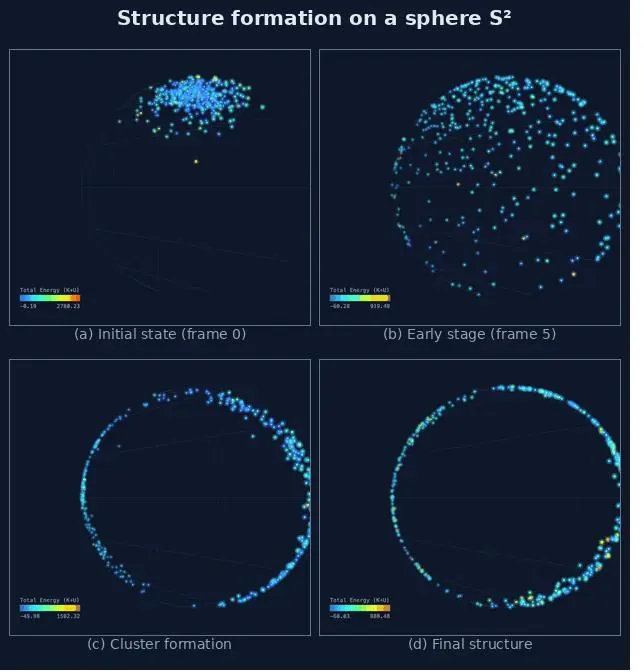
We study Langevin dynamics of $N$ Brownian particles on two-dimensional Riemannian manifolds, interacting through pairwise potentials linear in geodesic distance with quenched random couplings. These \emph{frustrated Brownian particles} experience competing demands of random attractive and repulsive interactions while confined to curved surfaces. We consider three geometries: the sphere $S^2$, torus $T^2$, and bounded cylinder. Our central finding is disorder-induced dimension reduction with spontaneous rotational symmetry breaking: order emerges from two sources of randomness (thermal noise and quenched disorder), with manifold topology determining the character of emerging structures. Glassy relaxation drives particles from 2D distributions to quasi-1D structures: bands on $S^2$, rings on $T^2$, and localized clusters on the cylinder. Unlike conventional symmetry breaking, the symmetry-breaking direction is not frozen but evolves slowly via thermal noise. On the sphere, the structure normal precesses diffusively on the Goldstone manifold with correlation time $τ_c \approx 18$, a classical realization of type-A dissipative Nambu-Goldstone dynamics. The model requires no thermodynamic gradients, no fine-tuning, and no slow external input. We discuss connections to spin glass theory, quantum field theory, astrophysical structure formation, and self-organizing systems. The model admits a large-$N$ limit yielding statistical field theory on Riemannian surfaces, while remaining experimentally realizable in colloidal and soft matter systems.
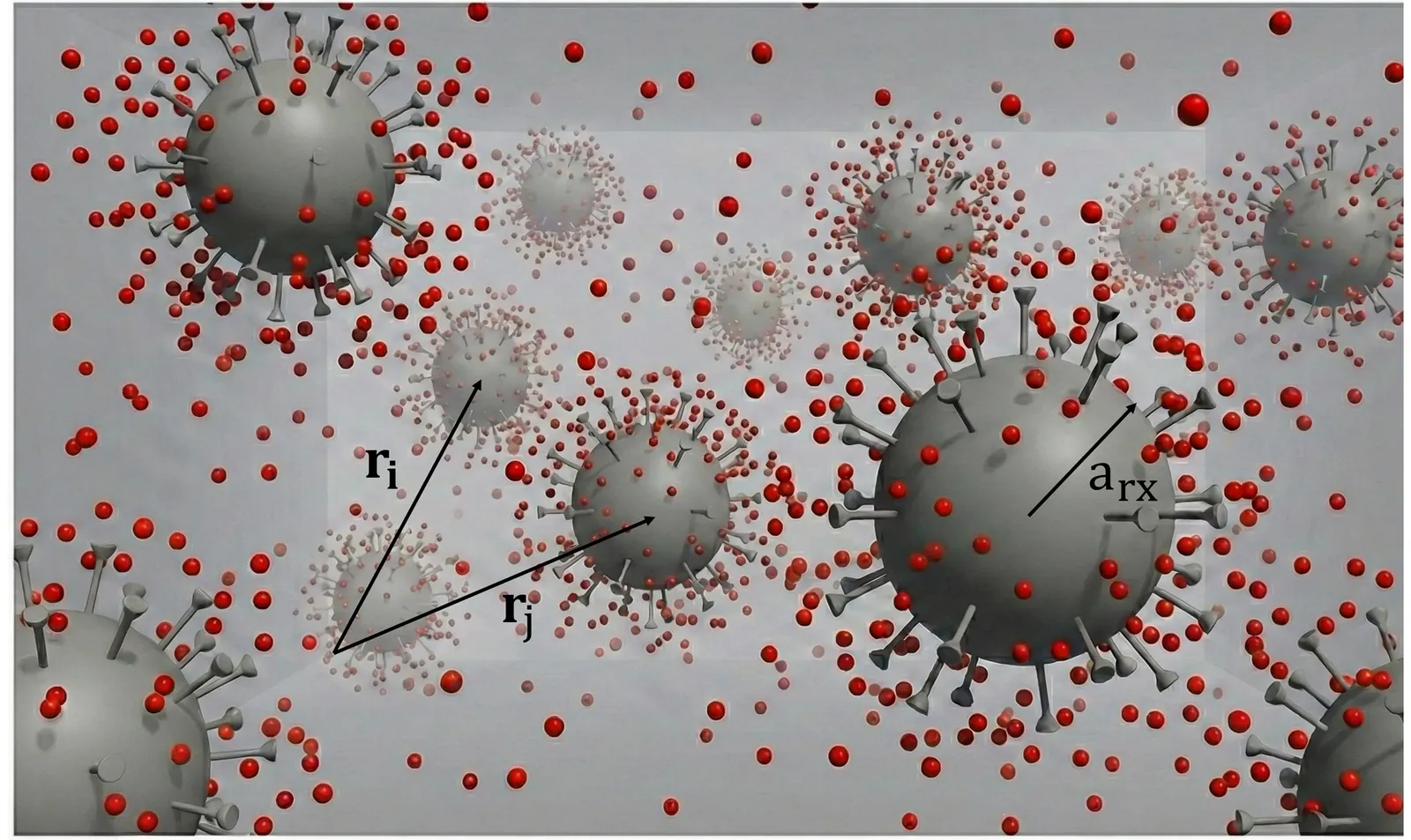
Molecular Communication (MC) is a pivotal enabler for the Internet of Bio-Nano Things (IoBNT). However, current research often relies on super-capable individual agents with complex transceiver architectures that defy the energy and processing constraints of realistic nanomachines. This paper proposes a paradigm shift towards collective intelligence, inspired by the cortical networks of the biological brain. We introduce a decentralized network architecture where simple nanomachines interact via a diffusive medium using a threshold-based firing mechanism modeled by Greenberg-Hastings (GH) cellular automata. We derive fixed-point equations for steady-state populations via mean-field analysis and validate them against stochastic simulations. We demonstrate that the network undergoes a second-order phase transition at a specific activation threshold. Crucially, we show that both pairwise and collective mutual information peak exactly at this critical transition point, confirming that the system maximizes information propagation and processing capacity at the edge of chaos.
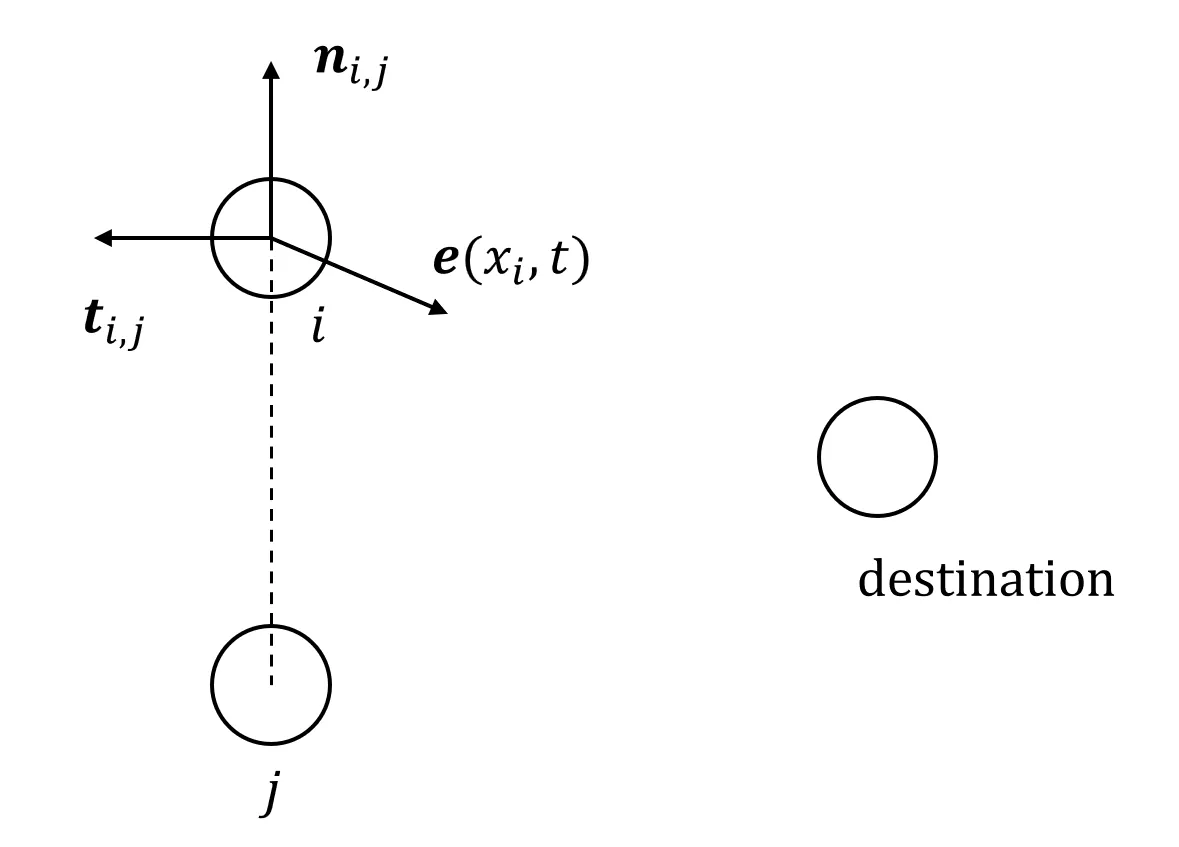
The pedestrian flow is one of the most complex systems, involving large populations of interacting agents. Models at microscopic and macroscopic scales offer different advantages for studying related problems. In general, microscopic models can describe interaction forces at the individual level. Macroscopic models, on the other hand, provide analytical insights into global interactions and long-term overall dynamics, along with efficient numerical simulations and predictions. However, the relationship between models at different scales has rarely been explored. In this study, based on the original microscopic social force model with a reactive optimal route choice strategy, we first derive kinetic equations at the mesoscopic level. By varying the interaction force in different scenarios, we then derive several continuum models at the macroscopic level. Finally, numerical examples are given to evaluate the behaviors of the social force model and our continuum models.
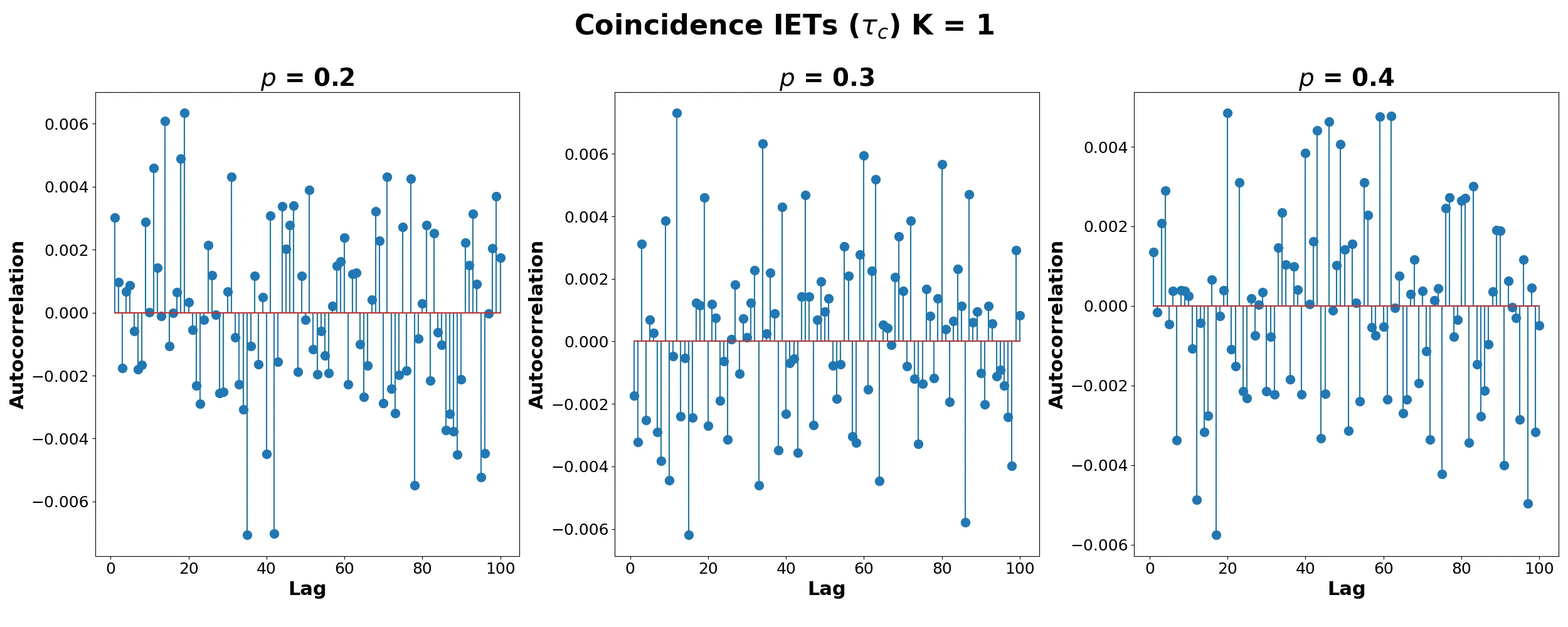
Dense Associative Memory (DAM) models generalize the classical Hopfield model by incorporating n-body or exponential interactions that greatly enhance storage capacity. While the criticality of DAM models has been largely investigated, mainly within a statistical equilibrium picture, little attention has been devoted to the temporal self-organizing behavior induced by learning. In this work, we investigate the behavior of a stochastic exponential DAM (SEDAM) model through the lens of Temporal Complexity (TC), a framework that characterizes complex systems by intermittent transition events between order and disorder and by scale-free temporal statistics. Transition events associated with birth-death of neural avalanche structures are exploited for the TC analyses and compared with analogous transition events based on coincidence structures. We systematically explore how TC indicators depend on control parameters, i.e., noise intensity and memory load. Our results reveal that the SEDAM model exhibits regimes of complex intermittency characterized by nontrivial temporal correlations and scale-free behavior, indicating the spontaneous emergence of self-organizing dynamics. These regimes emerge in small intervals of noise intensity values, which, in agreement with the extended criticality concept, never shrink to a single critical point. Further, the noise intensity range needed to reach the critical region, where self-organizing behavior emerges, slightly decreases as the memory load increases. This study highlights the relevance of TC as a complementary framework for understanding learning and information processing in artificial and biological neural systems, revealing the link between the memory load and the self-organizing capacity of the network.
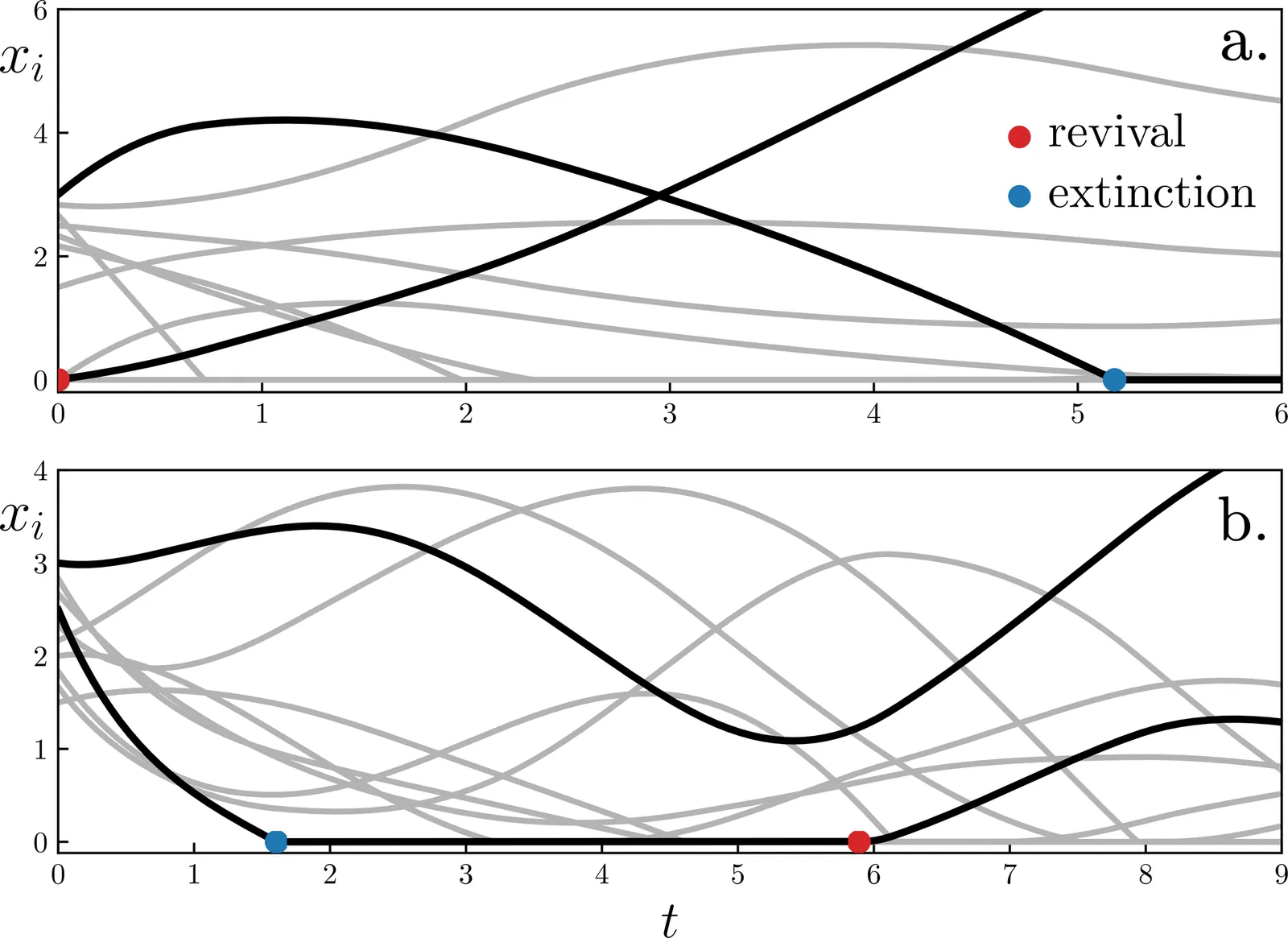
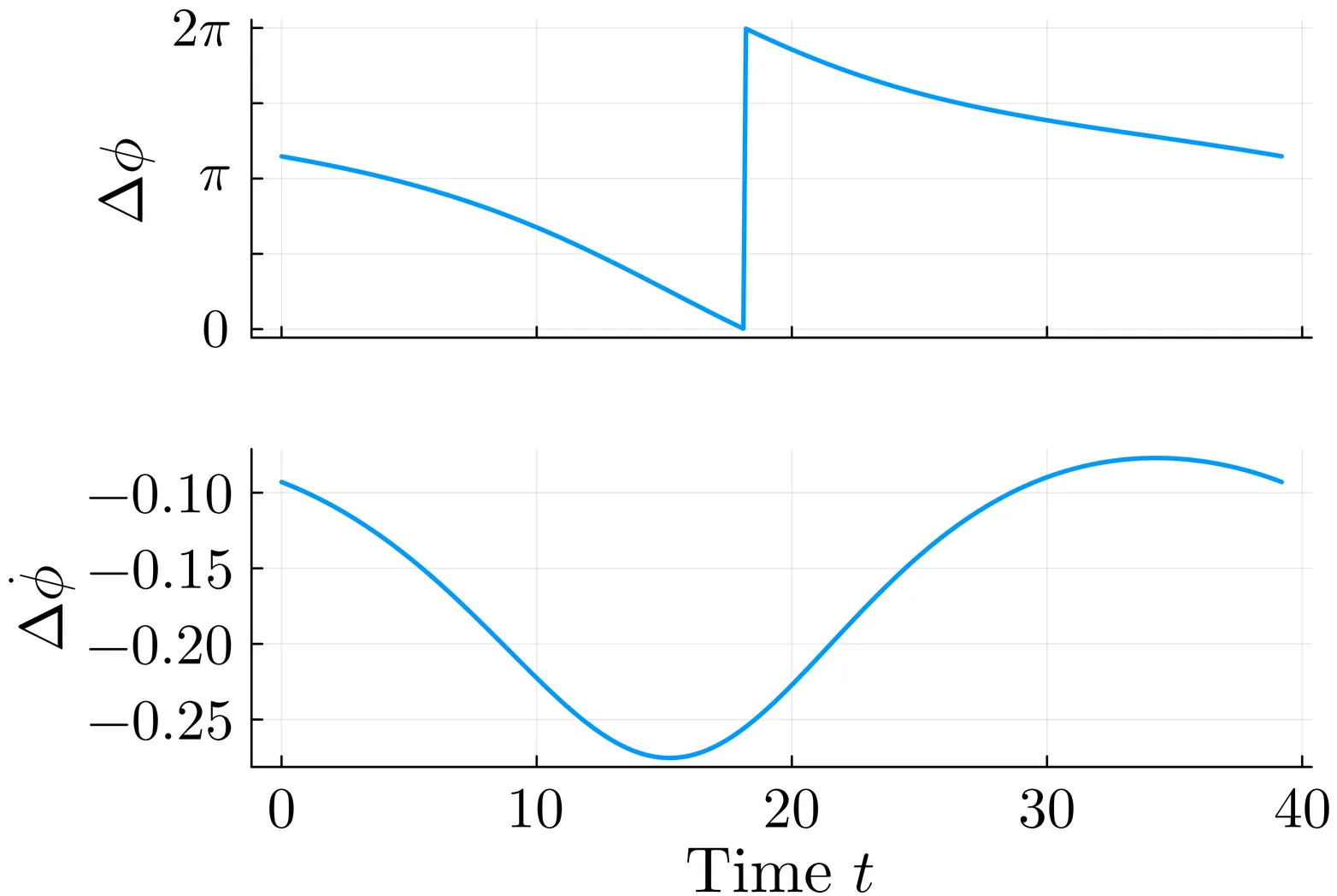
We investigate the origin of frequency clusters - states where multiple groups of oscillators with distinct mean frequencies coexist. We use the Kuramoto model with inertia, where identical oscillators are globally coupled. First, we study the creation of two frequency clusters in the thermodynamic limit. Via numerical bifurcation analysis, we confirm that two frequency clusters are created by homoclinic bifurcations. Both clusters can lose their phase-synchrony in transcritical or period-doubling bifurcations. Furthermore, we investigate the creation of three frequency clusters in a system of seven oscillators. Here, the frequency clusters are destabilized by a longitudinal and a transversal period-doubling bifurcation, and the frequency clusters are also created by homoclinic bifurcations. We find that the emergence of three or more frequency clusters via a homoclinic bifurcation implies the creation of a triplet locked state, where the frequency differences exhibit a rational relation. Besides the creation of frequency clusters via a homoclinic bifurcation, we state that Hopf bifurcations cannot create frequency clusters in phase oscillators, and frequency clusters can only be created by global bifurcations.
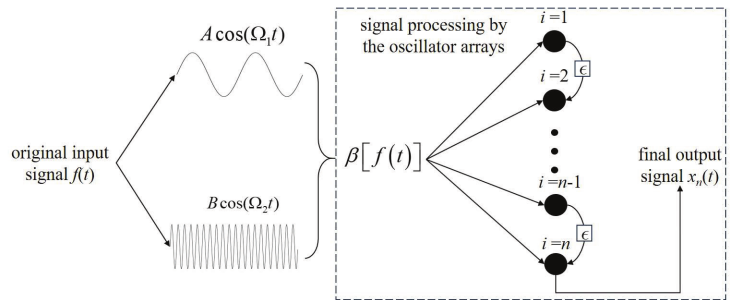
This work presents a new coupled array of frequency-adaptive Duffing oscillators. Based on learning rules, the natural frequency of each oscillator changes with the external excitation to achieve the frequency-adaptive capability in the response. The frequency range of vibrational resonance in the response is greatly extended through the frequency-adaptive learning rule. Moreover, the theoretical condition for vibrational resonance is derived and its validity is verified numerically. The coupled self-learning Duffing oscillators can also perform signal denoising in strong noise environment, and its performance in signal denoising has been verified through processing the simulated signal and the wireless radio frequency signal under two scenarios. The superiority of vibrational resonance to the conventional denosing methods such as wavelet transform and Kalman filter has also been illustrated by experimental radio frequency signal processing. The combination of broadband frequency adaptability and strong noise-reduction capability suggests that these oscillators hold considerable potential for engineering applications.
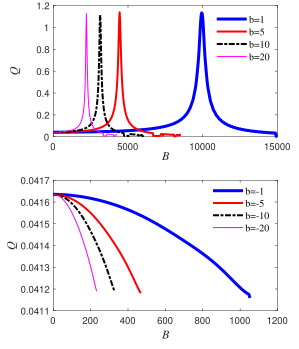
Vibrational resonance focuses on the resonance behavior of a nonlinear system when it is subjected to both a weak low-frequency characteristic signal and a high-frequency auxiliary signal. A traditional Duffing system has a fixed natural frequency and lacks adaptability to the excitation frequency, resulting in vibrational resonance occurring only in a lower frequency range, which affects the application of vibrational resonance. We propose a frequency-adaptive learning Duffing system to overcome the above problem through a learning rule of the natural frequency. The optimal vibrational resonance performance is demonstrated by examining the influence of auxiliary signal parameters, nonlinear stiffness coefficient and the learning rule on the response. The appearance of vibrational resonance is verified by numerical simulation, approximated theoretical predication and circuit simulation. In addition, the advantages of the proposed frequency-adaptive learning rule are highlighted in vibrational resonance performance by comparing with that of two other commonly used alternatives called Hebbian learning rules. The proposed learning rule makes the system more stable and have a stronger resonance degree. The results provide a useful reference for optimizing nonlinear system response and also for processing a weak characteristic signal through nonlinear resonance methods. These achievements provide a groundbreaking foundation for future applied studies especially in the field of weak and complex signal processing.
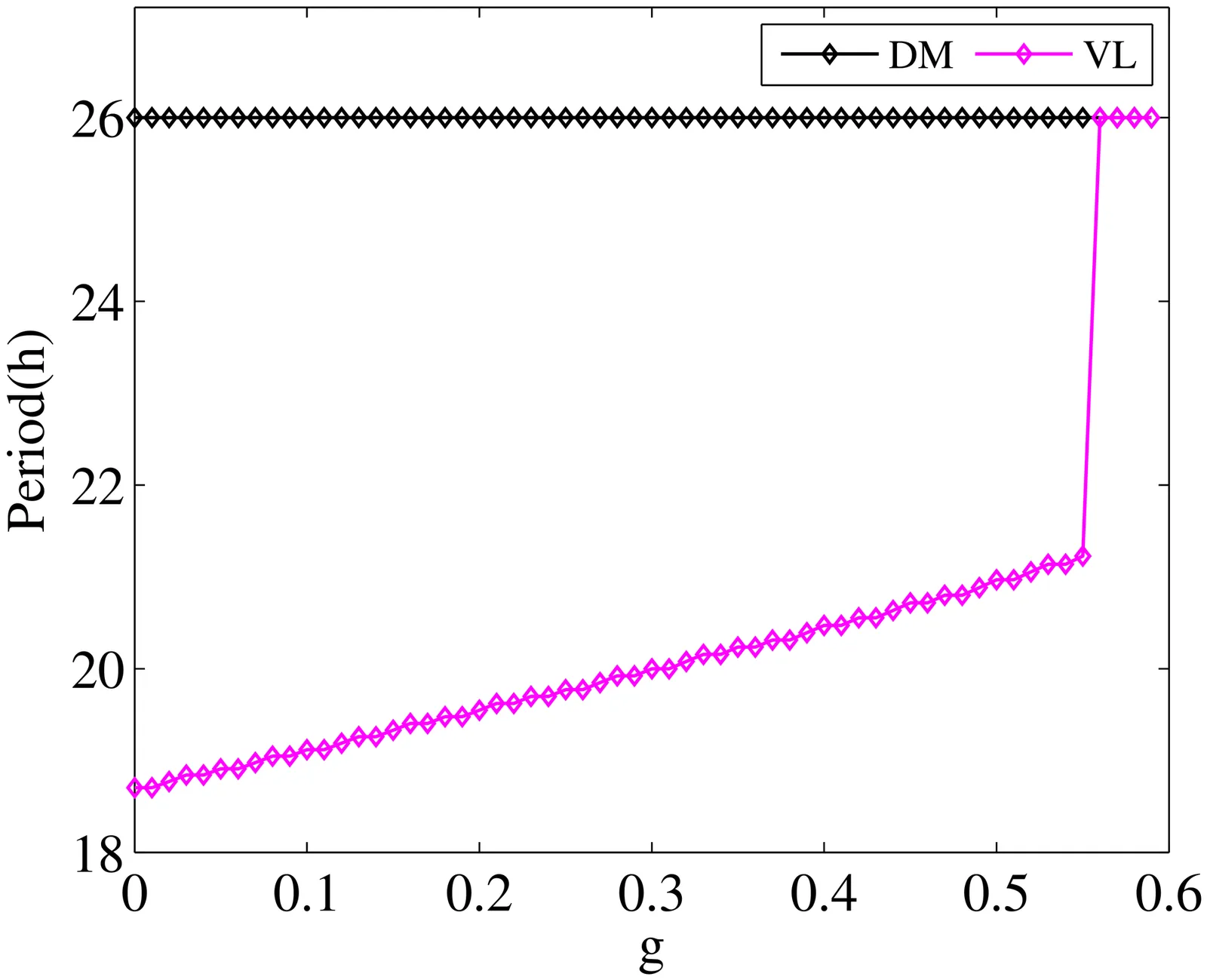
The synchronization of biological activity with the alternation of day and night (circadian rhythm) is performed in the brain by a group of neurons, constituting the suprachiasmatic nucleus (SCN). The SCN is divided into two subgroups of oscillating cells: the ventro-lateral (VL) neurons, which are exposed to light (photic signal) and the dorso-medial (DM) neurons which are coupled to the VL cells. When the coupling between these neurons is strong enough, the system synchronizes with the photic period. Upon increasing the cell coupling, the entrainment of the DM cells has been recently shown to occur via a very sharp (jumping) transition when the period of the photic input is larger than the intrinsic period of the cells. Here, we characterize this transition with a simple realistic model. We show that two bifurcations possibly lead to the disappearance of the endogenous mode. Using a mean field model, we show that the jumping transition results from a supercritical Hopf-like bifurcation. This finding implies that both the period and strength of the stimulating photic signal, and the relative fraction of cells in the VL and DM compartments are crucial in determining the synchronization of the system.
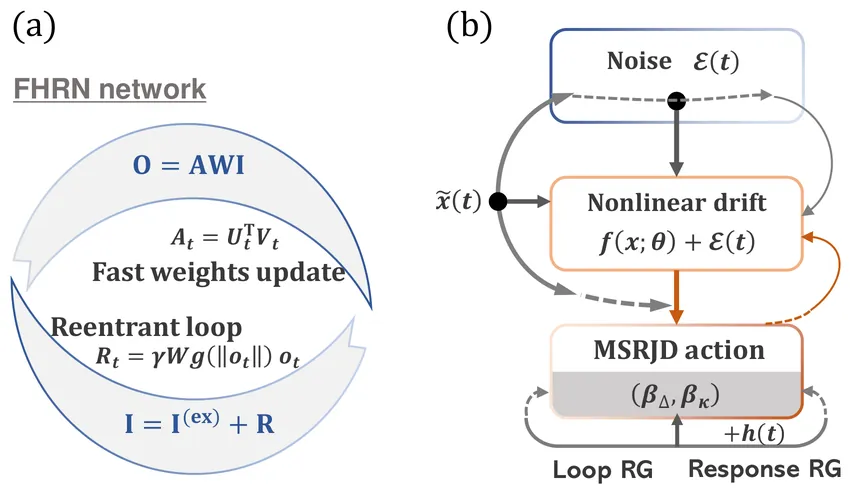
The reflective homeostatic dynamics provides a minimal mechanism for self-organized criticality in neural systems. Starting from a reduced stochastic description, we demonstrate within the MSRJD field-theoretic framework that fluctuation effects do not destabilize the critical manifold. Instead, loop corrections are dynamically regularized by homeostatic curvature, yielding a protected mean-field critical surface that remains marginally stable under coarse-graining. Beyond robustness, we show that response-driven structural adaptation generates intrinsic parameter flows that attract the system toward this surface without external fine tuning. Together, these results unify loop renormalization and adaptive response in a single framework and establish a concrete route to autonomous criticality in reentrant neural dynamics.
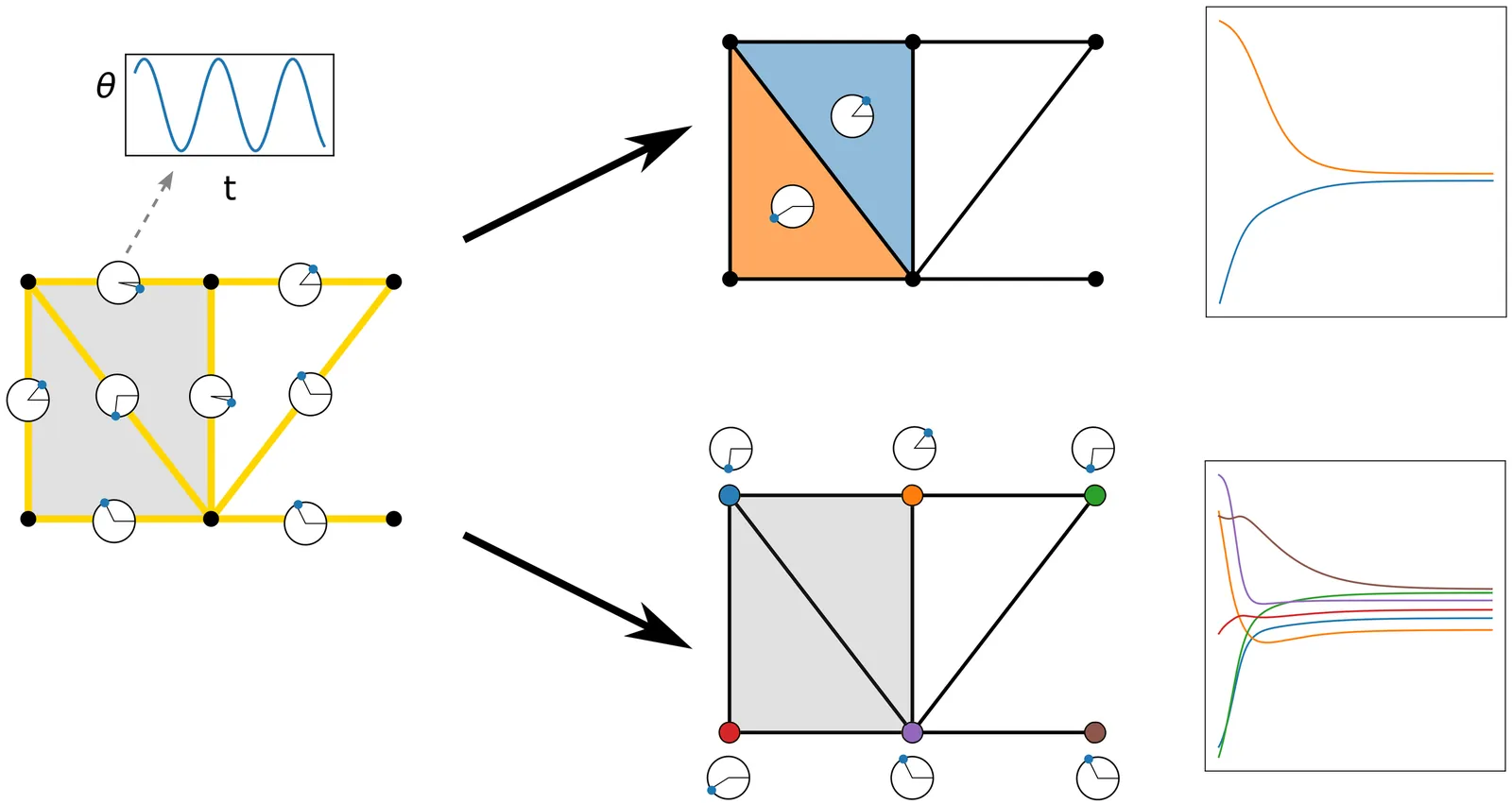
Despite growing interest in synchronization dynamics over "higher-order" network models, optimization theory for such systems is limited. Here, we study a family of Kuramoto models inspired by algebraic topology in which oscillators are coupled over simplicial complexes (SCs) using their associated Hodge Laplacian matrices. We optimize such systems by extending the synchrony alignment function -- an optimization framework for synchronizing graph-coupled heterogeneous oscillators. Computational experiments are given to illustrate how this approach can effectively solve a variety of combinatorial problems including the joint optimization of projected synchronization dynamics onto lower- and upper-dimensional simplices within SCs. We also investigate the role of SC homology and develop bifurcation theory to characterize the extent to which optimal solutions are contained within (or spread across) the three Hodge subspaces. Our work extends optimization theory to the setting of higher-order networks, provides practical algorithms for Hodge-Laplacian-related dynamics including (but not limited to) Kuramoto oscillators, and paves the way for an emerging field that interfaces algebraic topology, combinatorial optimization, and dynamical systems.