Digital signal processing, filtering, and spectral analysis
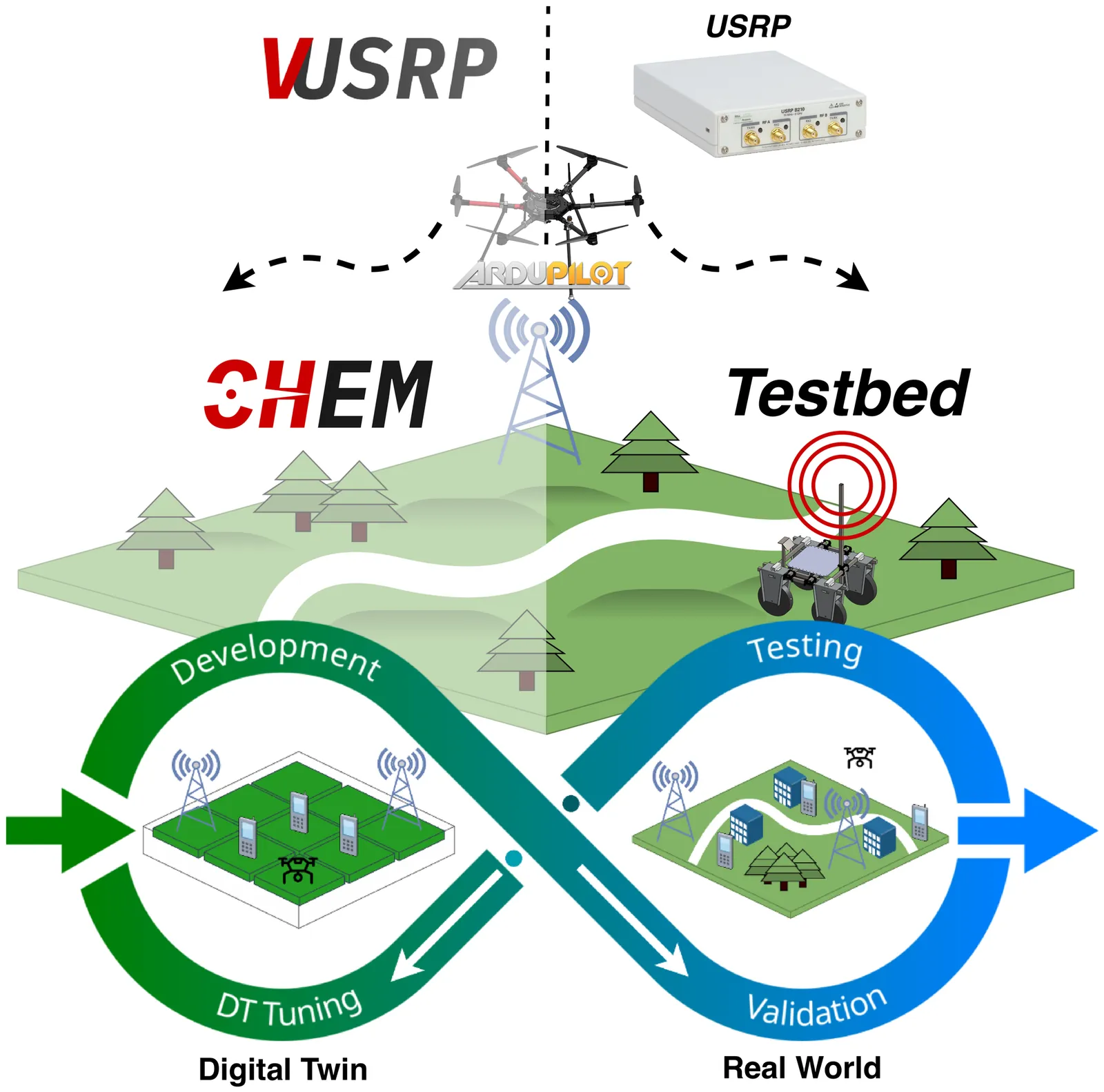
Digital twins are becoming an important tool for designing, developing, testing, and optimizing next-generation wireless communication systems. Over the past decade, system softwarization has become a reality, and wireless communication systems are no exception. Software-Defined Radios (SDRs), in general, and Universal Software Radio Peripherals (USRPs), in particular, are often used for prototyping and testing advanced wireless systems. Unfortunately, there is currently no end-to-end, software-based, general-purpose testing environment for SDR-based systems: developers often rely on benchtop setups or even small testbeds, but those are costly and cumbersome to build. At the other end of the spectrum, simulations often rely on simplified channel/radio models and typically do not execute full-stack production code, which can increase development effort and reduce fidelity. In this paper, we propose ACHEM (A Channel Emulator), the first software-based, end-to-end wireless channel emulation environment and toolset for communication systems based on SDRs, specifically USRPs. With the proposed emulator and toolkit, any USRP-based system can be fully emulated at the I/Q level in a pure digital environment without requiring specialized hardware (e.g., vehicles, USRPs, FPGAs, or GPUs). The proposed emulator supports multiple transmitters and receivers, MIMO communications, multiple frequencies, heterogeneous sampling rates, real-time node mobility through vehicle emulation, antenna radiation patterns, and various channel models. ACHEM facilitates wireless digital twin development and deployment. ACHEM is validated with several popular open-source USRP-based wireless communication applications, including GNU Radio, srsRAN 4G/5G, and OpenAirInterface.
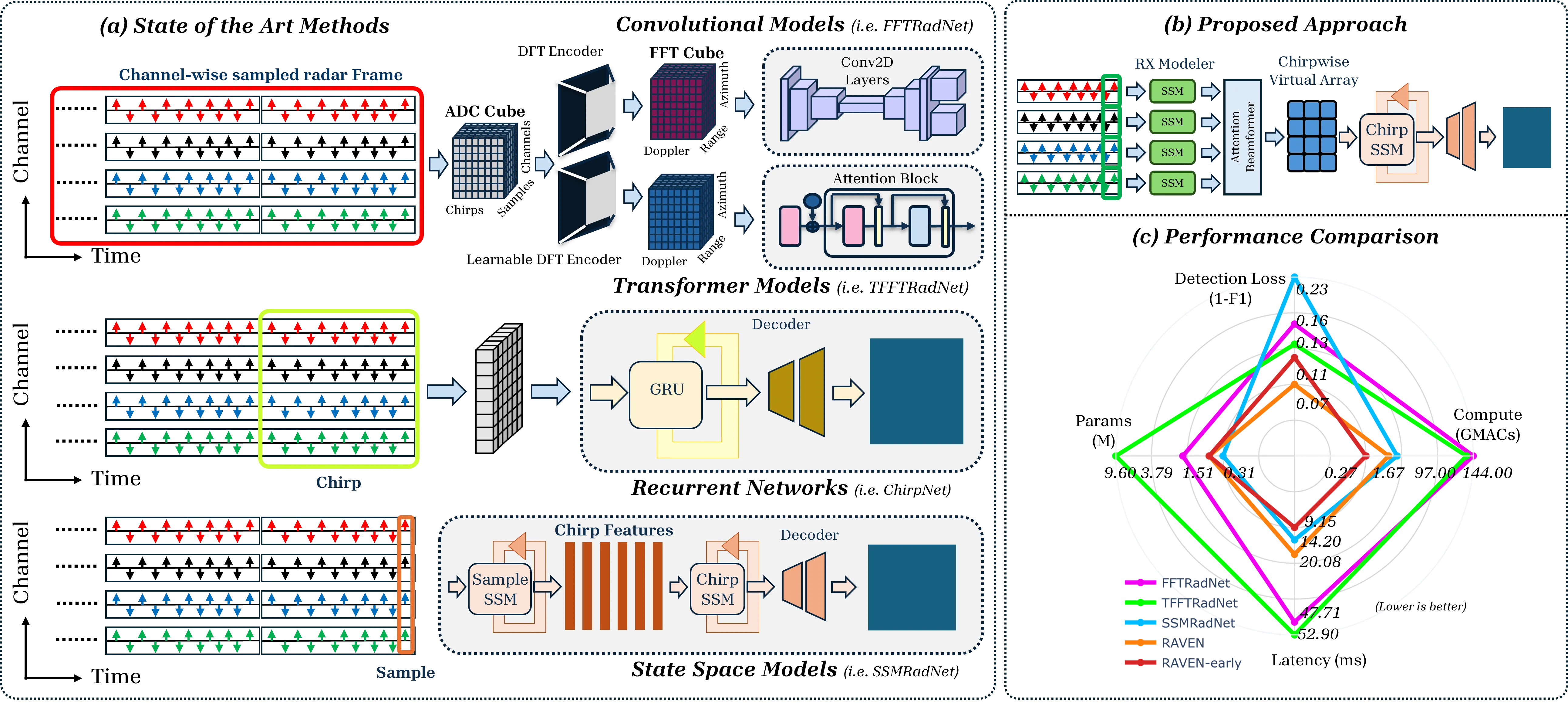
This paper presents RAVEN, a computationally efficient deep learning architecture for FMCW radar perception. The method processes raw ADC data in a chirp-wise streaming manner, preserves MIMO structure through independent receiver state-space encoders, and uses a learnable cross-antenna mixing module to recover compact virtual-array features. It also introduces an early-exit mechanism so the model can make decisions using only a subset of chirps when the latent state has stabilized. Across automotive radar benchmarks, the approach reports strong object detection and BEV free-space segmentation performance while substantially reducing computation and end-to-end latency compared with conventional frame-based radar pipelines.
The integration of cellular communication with Unmanned Aerial Vehicles (UAVs) extends the range of command and control and payload communications of autonomous UAV applications. Accurate modeling of this air-to-ground wireless environment aids UAV mission planning. Models built on and insights obtained from real-life experiments intricately capture the variations in air-to-ground link quality with UAV position, offering more fidelity for simulations and system design than those that rely on generic theoretical models designed for ground scenarios or ray-tracing simulations. In this work, we conduct aerial flights at the Aerial Experimentation and Research Platform for Advanced Wireless (AERPAW) Lake Wheeler testbed to study the variation in key performance indicators (KPIs) of a private 4G/5G cellular base station (BS) with the UAV's altitude, distance from the BS, elevation, and azimuth relative to the BS. Variations in 4G and 5G physical layer KPIs and application layer throughput are logged and analyzed, using two Android smartphones: a Keysight Nemo device, with enhanced KPI access, through a rooted operating system, and a standard smartphone running a custom application that utilizes open-source Android APIs. The observed signal strength measurements are compared to theoretical predictions from free space path loss models that incorporate the BS antenna radiation patterns. Mathematical model parameters for polynomial curve approximations are derived to fit the observed data. Light machine learning approaches, namely random forests, gradient boosting regressors and neural networks, are used to model KPI behaviour as a function of UAV position relative to the BS. The insights and models generated from real-life experiments in this study can serve as valuable tools in the design, simulation and deployment of cellular communication-based UAV systems.
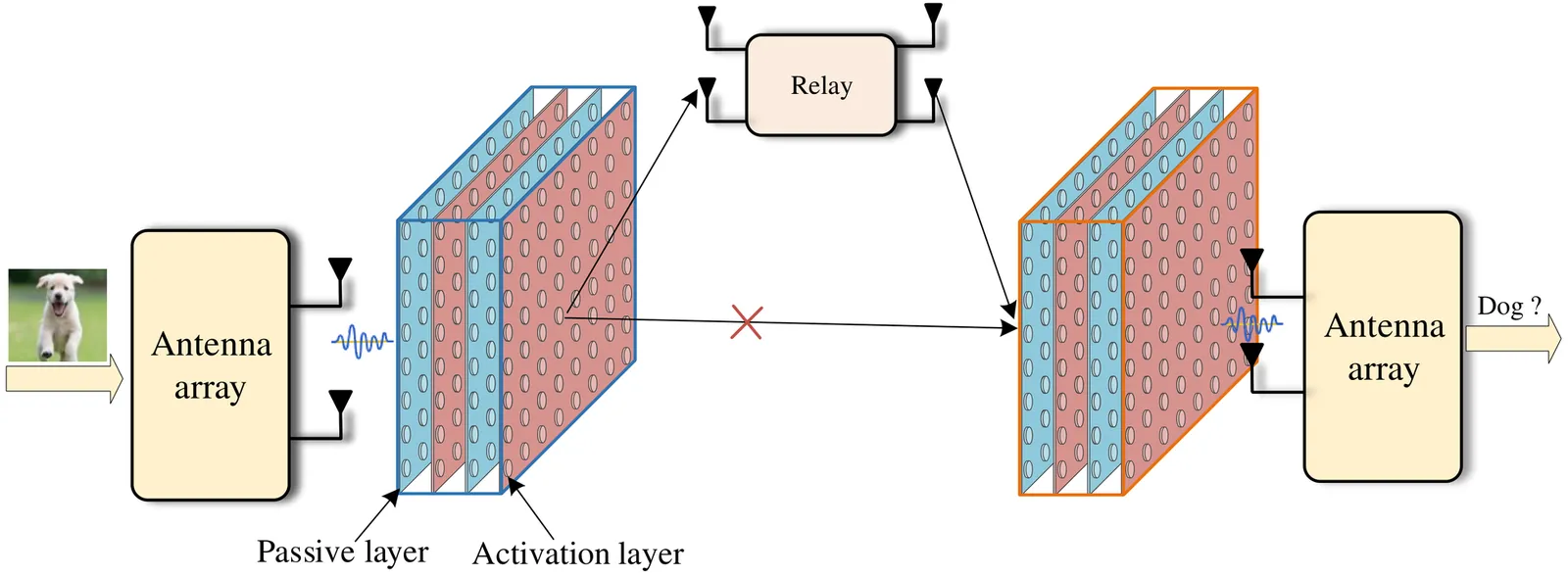
Wireless physical neural networks (WPNNs) have emerged as a promising paradigm for performing neural computation directly in the physical layer of wireless systems, offering low latency and high energy efficiency. However, most existing WPNN implementations primarily rely on linear physical transformations, which fundamentally limits their expressiveness. In this work, we propose a relay-assisted WPNN architecture based on activation-integrated stacked intelligent metasurfaces (AI-SIMs), where each passive metasurface layer enabling linear wave manipulation is cascaded with an activation metasurface layer that realizes nonlinear processing in the analog domain. By deliberately structuring multi-hop wireless propagation, the relay amplification matrix and the metasurface phase-shift matrices jointly act as trainable network weights, while hardware-implemented activation functions provide essential nonlinearity. Simulation results demonstrate that the proposed architecture achieves high classification accuracy, and that incorporating hardware-based activation functions significantly improves representational capability and performance compared with purely linear physical implementations.
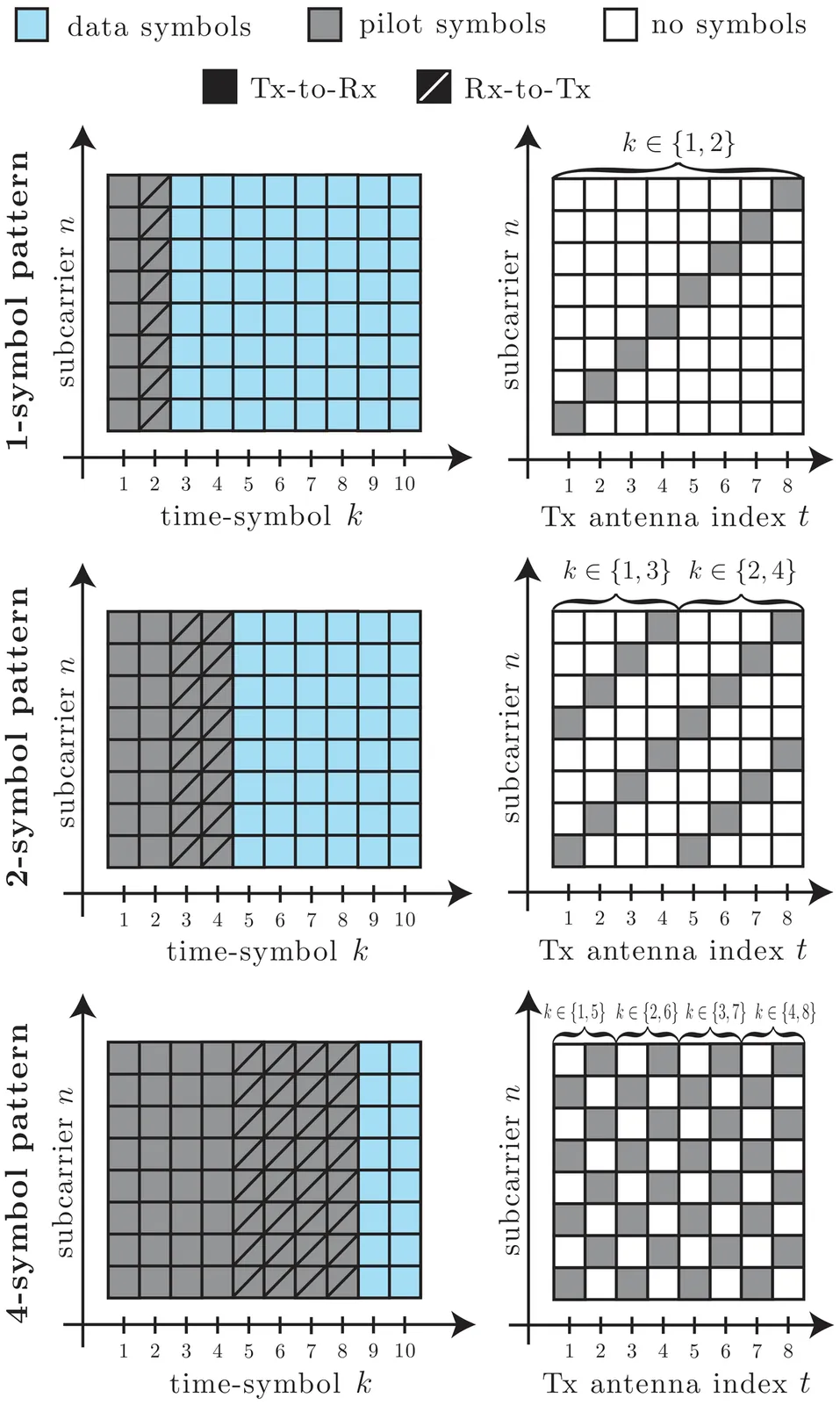
To support the high data rates for latency-critical applications, future wireless systems will employ fully digital beamforming multiple-input multiple-output (MIMO) architectures at millimeter wave (mmWave) frequencies. Moreover, mmWave MIMO deployments will coexist with conventional sub-6 GHz MIMO systems, creating opportunities to exploit out-of-band sub-6 GHz information to enhance channel estimation at mmWave frequencies. In this work, we analyze the pilot-aided channel estimation performance of mmWave MIMO systems under various pilot configurations in both static and dynamic environments. We evaluate the system performance in terms of spectral efficiency (SE) for line-of-sight and non-line-of-sight propagation conditions. Simulation results show that incorporating out-of-band sub-6 GHz information yields notable SE gains in both static and dynamic scenarios.
Tomographic synthetic aperture radar (TomoSAR) enables three-dimensional imaging by resolving targets along the elevation dimension, which is essential for environment reconstruction and infrastructure monitoring. A critical challenge in TomoSAR is the severe multipath propagation that causes ghost targets, range offsets, and elevation ambiguities. To address this, this paper proposes an enhanced Newtonized orthogonal matching pursuit (NOMP) algorithm to extract the delay, Doppler, and complex amplitude parameters of each propagation path, effectively separating line-of-sight (LoS) and multipath components prior to TomoSAR processing. Additionally, a height fusion strategy combining TomoSAR estimates with LoS-ground reflection delay-based inversion improves elevation accuracy. Simulation results demonstrate that the proposed method achieves improved positioning and elevation accuracy while effectively suppressing multipath-induced artifacts.
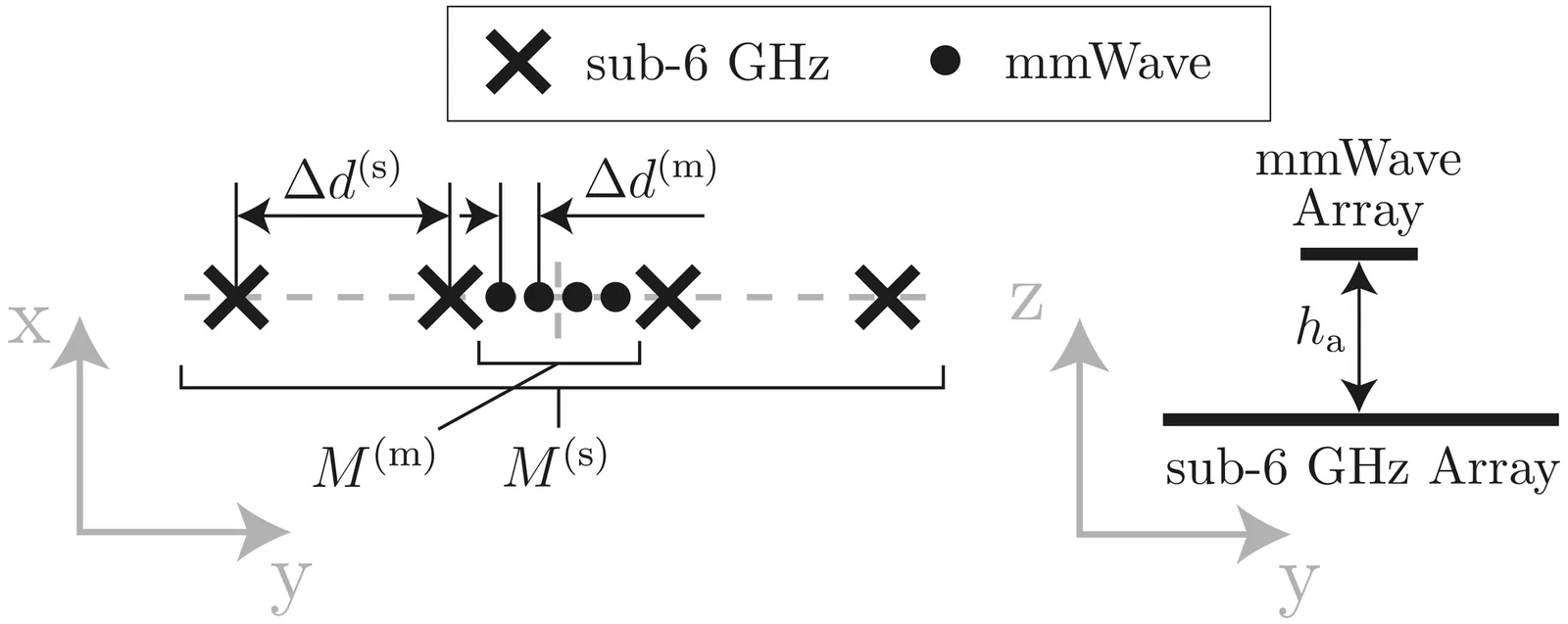
Future wireless communication systems will integrate both sub-6 GHz and millimeter wave (mmWave) frequency bands within multi-antenna architectures to meet the increasing demand for high data rates. In such multi-band systems, reliable information obtained from the sub-6 GHz band can be exploited to support communication at mmWave frequencies. To ensure that both systems experience similar multi-path propagation effects, the sub-6GHz and mmWave antenna arrays have to be colocated and precisely aligned. However, such a configuration may adversely alter the radiation characteristics of the arrays, potentially degrading their performance. In this paper, we investigate the impact of positioning a mmWave antenna structure in front of a sub-6 GHz antenna structure. Through both simulations and measurements, we evaluate how the presence of the mmWave structure affects the radiation pattern of the sub-6 GHz one. The results demonstrate that the influence of the mmWave structure on the sub-6 GHz performance is minor, indicating that co-located configurations are feasible with negligible degradation.
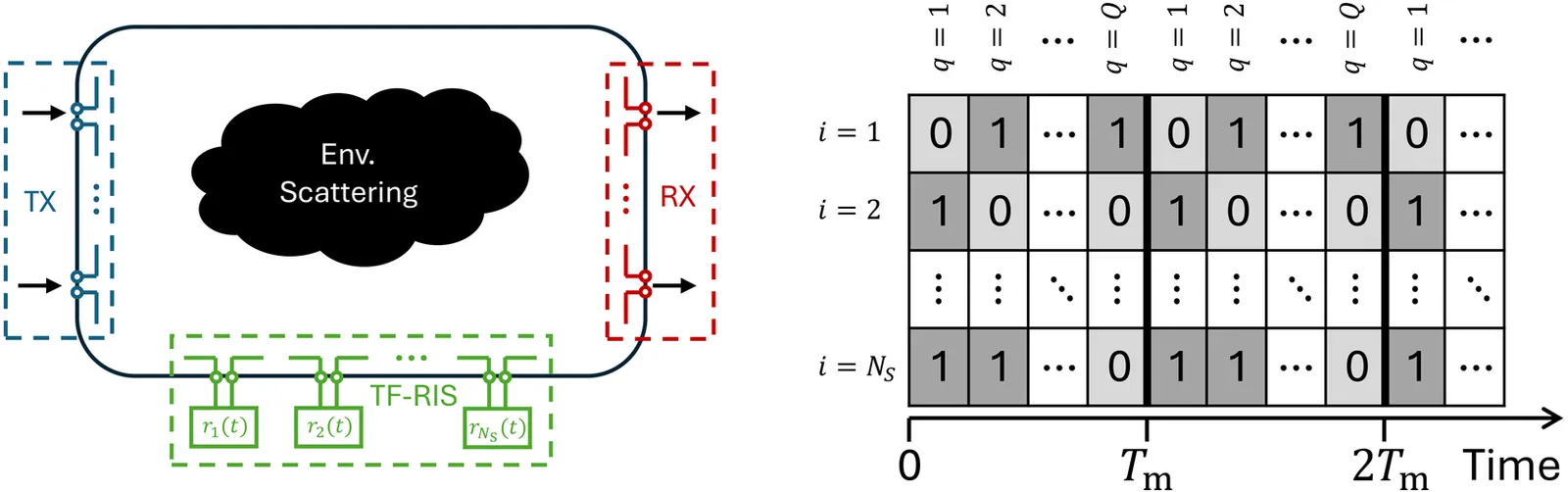
This Letter studies the optimization of a wireless communications system empowered by a periodically time-modulated reconfigurable intelligent surface, coined time-Floquet RIS (TF-RIS), in the presence of mutual coupling (MC) among the RIS elements. In contrast to a conventional RIS whose elements may be reconfigured between signaling intervals, a TF-RIS periodically modulates its elements within a signaling interval, thereby inducing frequency conversion. Periodic time modulation is particularly attractive for harmonic backscatter communications to avoid self-jamming. Based on time-Floquet multiport network theory, we formulate an MC-aware optimization problem for binary-amplitude-shift-keying (BASK) harmonic backscatter communications with practical 1-bit-programmable TF-RIS elements. We propose a general discrete-optimization algorithm and evaluate its performance based on realistic model parameters. We systematically examine the performance dependence on the time resolution of the periodic modulation and the number of retained harmonics. Benchmarking against an MC-unaware approach reveals the importance of MC awareness for the more challenging optimization problem of simultaneous desired-harmonic-channel-gain maximization and undesired-harmonic-channel-gain minimization.
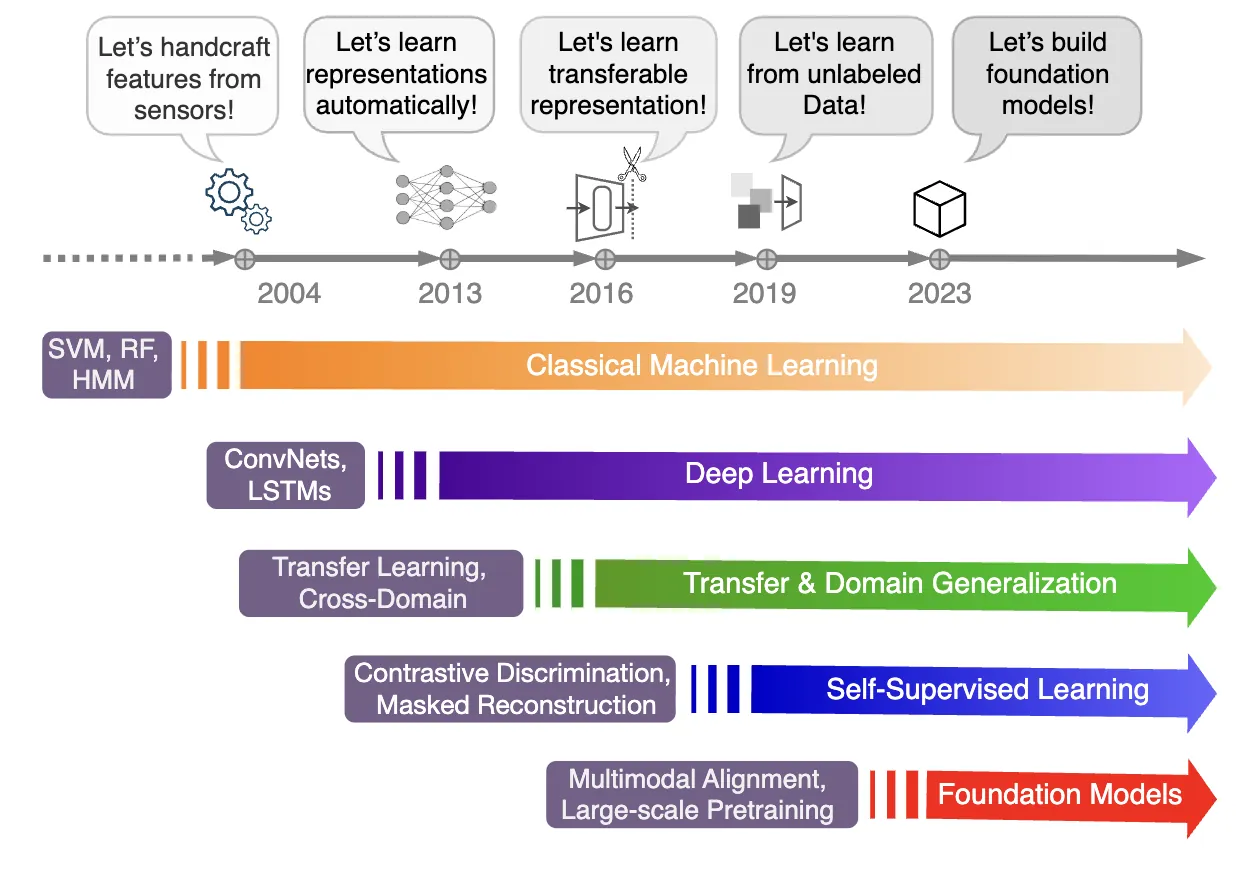
Sensor-based Human Activity Recognition (HAR) underpins many ubiquitous and wearable computing applications, yet current models remain limited by scarce labels, sensor heterogeneity, and weak generalization across users, devices, and contexts. Foundation models, which are generally pretrained at scale using self-supervised and multimodal learning, offer a unifying paradigm to address these challenges by learning reusable, adaptable representations for activity understanding. This survey synthesizes emerging foundation models for sensor-based HAR. We first clarify foundational concepts, definitions, and evaluation criteria, then organize existing work using a lifecycle-oriented taxonomy spanning input design, pretraining, adaptation, and utilization. Rather than enumerating individual models, we analyze recurring design patterns and trade-offs across nine technical axes, including modality scope, tokenization, architectures, learning paradigms, adaptation mechanisms, and deployment settings. From this synthesis, we identify three dominant development trajectories: (1) HAR-specific foundation models trained from scratch on large sensor corpora, (2) adaptation of general time-series or multimodal foundation models to sensor-based HAR, and (3) integration of large language models for reasoning, annotation, and human-AI interaction. We conclude by highlighting open challenges in data curation, multimodal alignment, personalization, privacy, and responsible deployment, and outline directions toward general-purpose, interpretable, and human-centered foundation models for activity understanding. A complete, continuously updated index of papers and models is available in our companion repository: https://github.com/zhaxidele/Foundation-Models-Defining-A-New-Era-In-Human-Activity-Recognition.
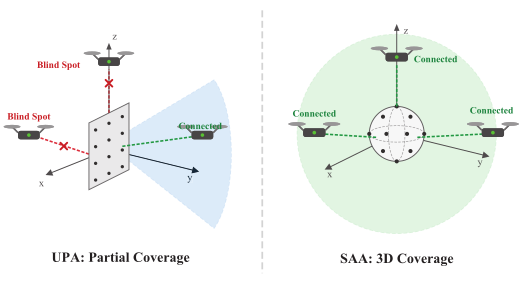
With the development of 6G technologies, traditional uniform linear arrays (ULAs) and uniform planar arrays (UPAs) can hardly meet the demands of three-dimensional (3D) full-space coverage and high angular resolution. Spherical antenna arrays (SAAs), with elements uniformly distributed on a spherical surface, provide an effective solution. This article analyzes the issues of traditional arrays, summarizes the advantages and typical structures of SAAs, discusses their potential application scenarios, and verifies their superiority over UPAs via a case study. Finally, key technical challenges and corresponding research directions of SAAs are identified, providing a reference for their research and application in future wireless communications.
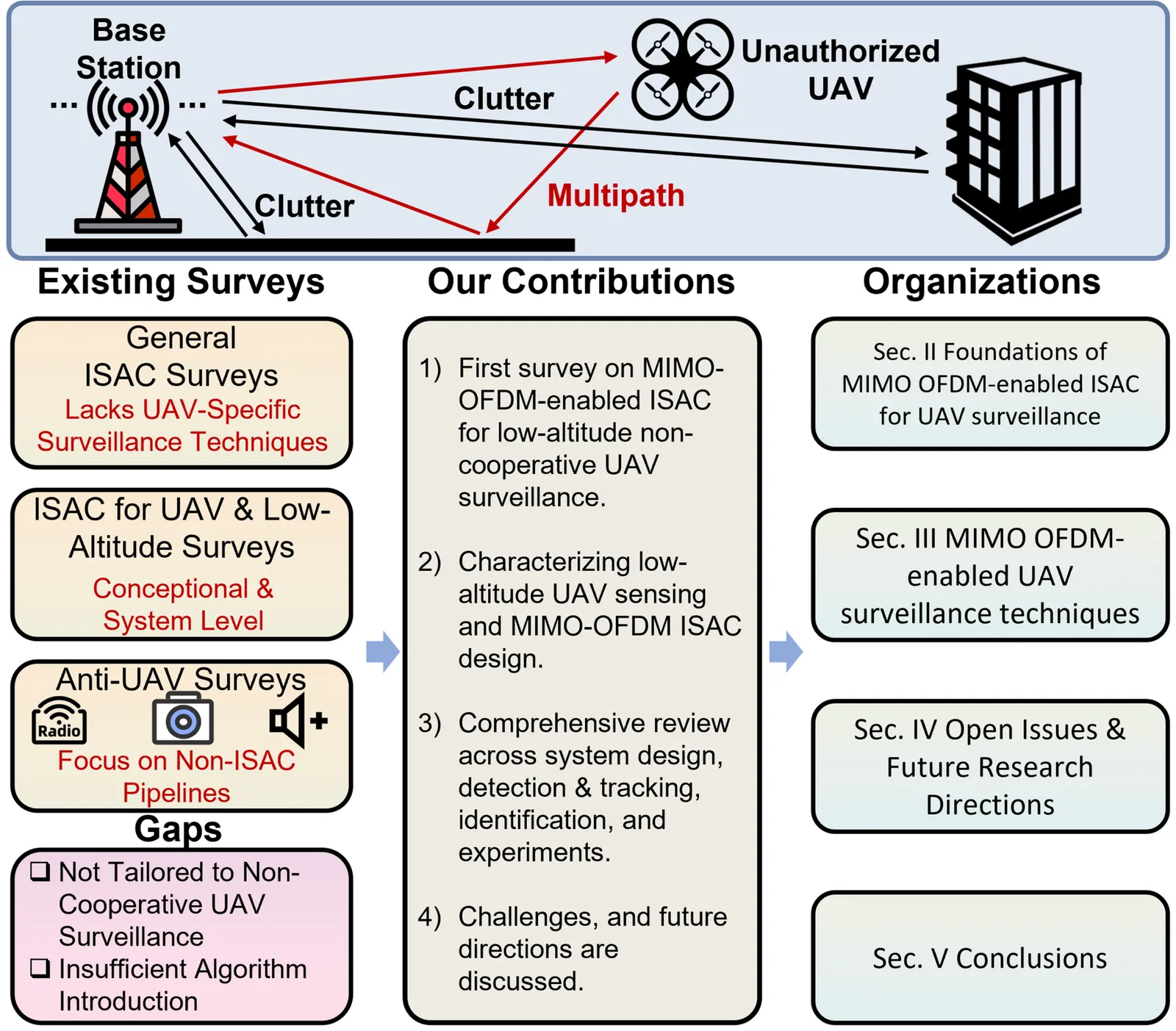
The widespread use of unmanned aerial vehicles (UAVs) in low-altitude airspace has raised significant safety and security concerns, motivating the development of reliable non-cooperative UAV surveillance technologies. Integrated sensing and communication (ISAC), enabled by multiple-input multiple-output (MIMO) architectures and orthogonal frequency-division multiplexing (OFDM) waveforms, has emerged as a promising paradigm for leveraging cellular infrastructure to support large-scale sensing without additional hardware deployment. This paper presents the first comprehensive survey dedicated to MIMO OFDM-enabled ISAC for low-altitude non-cooperative UAV surveillance, where the targeted UAVs do not intentionally assist the monitoring system through dedicated signaling or prior coordinate sharing. We first analyze the unique propagation characteristics of low-altitude UAV sensing, including severe clutter, rapid channel variations, and mixed near/far-field effects, and discuss corresponding waveform design principles. We then systematically review existing MIMO OFDM-enabled UAV surveillance techniques along four key dimensions: ISAC system modeling and network optimization, UAV detection and tracking algorithms under single and networked base station (BS) architectures, UAV identification techniques based on micro-Doppler and learning-based approaches, and experimental validations and practical field trials. Subsequently, we summarize open challenges such as sensing under severe clutter and multipath, data scarcity for identification, cooperative multi-BS fusion, and real-world deployment constraints. Finally, we outline promising future research directions toward 5G-Advanced (5G-A) and 6G-enabled low-altitude surveillance systems.
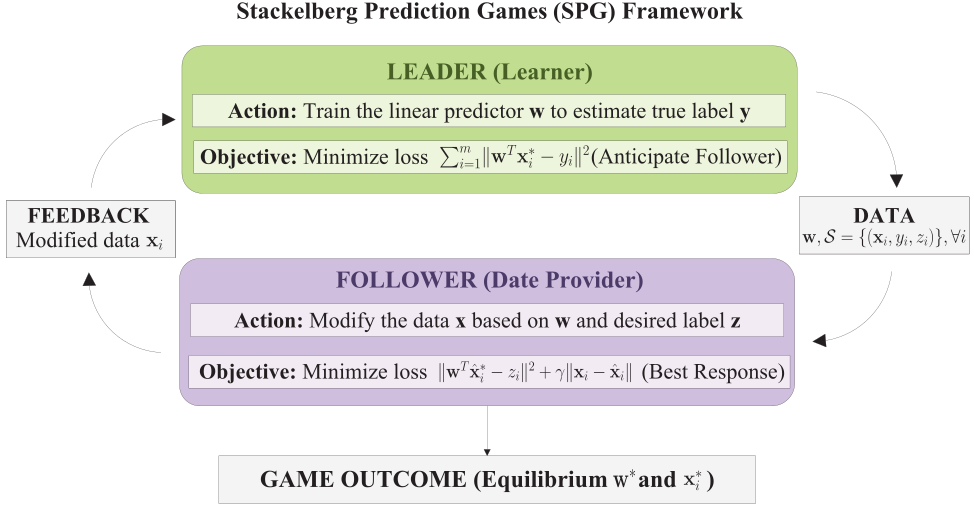
Stackelberg prediction games (SPGs) model strategic data manipulation in adversarial learning via a leader--follower interaction between a learner and a self-interested data provider, leading to challenging bilevel optimization problems. Focusing on the least-squares setting (SPG-LS), recent work shows that the bilevel program admits an equivalent spherically constrained least-squares (SCLS) reformulation, which avoids costly conic programming and enables scalable algorithms. In this paper, we develop a simple and efficient alternating direction method of multiplier (ADMM) based solver for the SCLS problem. By introducing a consensus splitting that separates the quadratic objective from the spherical constraint, we obtain an augmented Lagrangian formulation with closed-form updates: the primal quadratic step reduces to solving a fixed shifted linear system, the constraint step is a projection onto the unit sphere, and the dual step is a lightweight scaled ascent. The resulting method has low per-iteration complexity and allows pre-factorization of the constant system matrix for substantial speedups. Experiments demonstrate that the proposed ADMM approach achieves competitive solution quality with significantly improved computational efficiency compared with existing global solvers for SCLS, particularly in sparse and high-dimensional regimes.
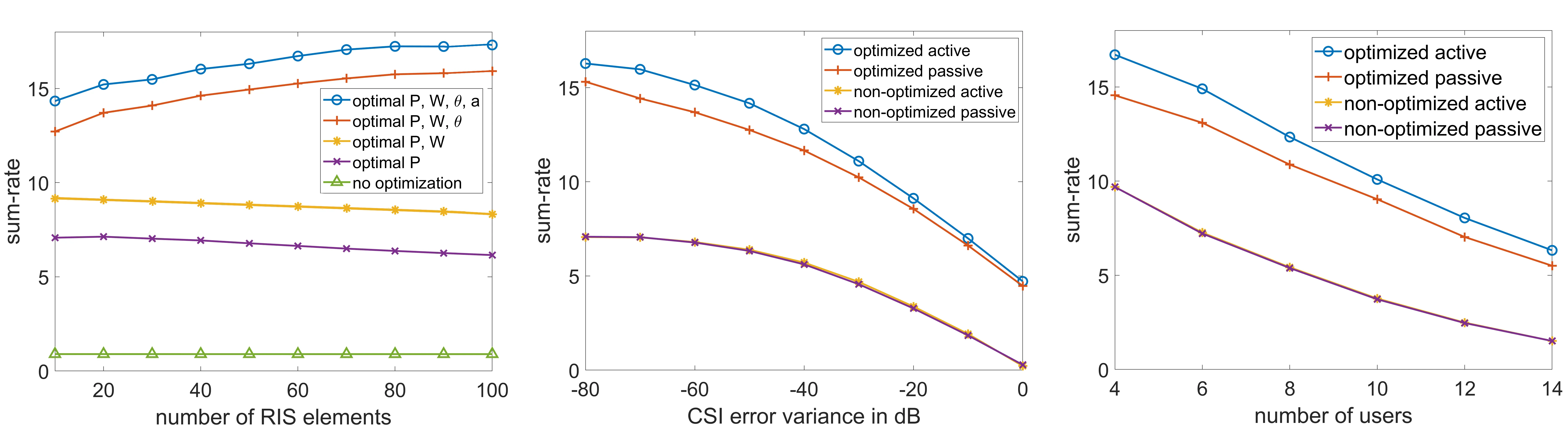
In this paper, the problem of maximizing the sum-rate is addressed for a multi-user uplink scenario that is assisted by an active reconfigurable intelligent surface (RIS). The maximization is achieved by optimizing the beamforming at the base station, the users' transmit power, active RIS elements phase shifts, and active gains in presence of imperfect channel state information (CSI). The non-convex maximization problem is decomposed into sub-problems and solved via iterative approaches including the Lagrangian method, the projected gradient descent, multi-variate Taylor expansion and fractional programming. Numerical results show that the active RIS is more sensitive to CSI imperfections than passive one at high error variances.
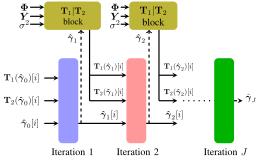
Sparse Bayesian Learning is one of the most popular sparse signal recovery methods, and various algorithms exist under the SBL paradigm. However, given a performance metric and a sparse recovery problem, it is difficult to know a-priori the best algorithm to choose. This difficulty is in part due to a lack of a unified framework to derive SBL algorithms. We address this issue by first showing that the most popular SBL algorithms can be derived using the majorization-minimization (MM) principle, providing hitherto unknown convergence guarantees to this class of SBL methods. Moreover, we show that the two most popular SBL update rules not only fall under the MM framework but are both valid descent steps for a common majorizer, revealing a deeper analytical compatibility between these algorithms. Using this insight and properties from MM theory we expand the class of SBL algorithms, and address finding the best SBL algorithm via data within the MM framework. Second, we go beyond the MM framework by introducing the powerful modeling capabilities of deep learning to further expand the class of SBL algorithms, aiming to learn a superior SBL update rule from data. We propose a novel deep learning architecture that can outperform the classical MM based ones across different sparse recovery problems. Our architecture's complexity does not scale with the measurement matrix dimension, hence providing a unique opportunity to test generalization capability across different matrices. For parameterized dictionaries, this invariance allows us to train and test the model across different parameter ranges. We also showcase our model's ability to learn a functional mapping by its zero-shot performance on unseen measurement matrices. Finally, we test our model's performance across different numbers of snapshots, signal-to-noise ratios, and sparsity levels.
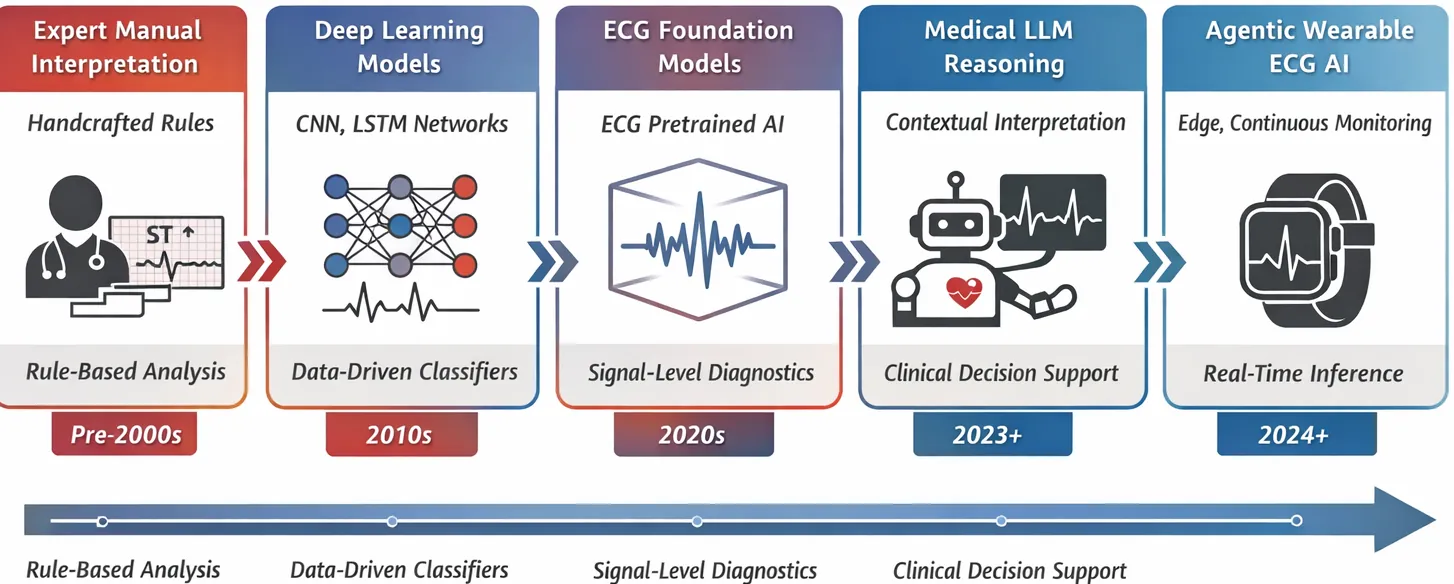
Electrocardiogram (ECG) foundation models represent a paradigm shift from task-specific pipelines to generalizable architectures pre-trained on large-scale unlabeled waveform data. This survey presents a unified and deployment-aware review of foundation models and medical large language models (LLMs) for ECG intelligence in cardiovascular disease (CVD) diagnosis, monitoring, and clinical decision support. The central thesis of this survey paper is that next-generation cardiovascular AI systems will be inherently agentic, requiring the synergistic integration of two complementary model classes: (i) ECG foundation models that act as signal-level interpreters, learning rich electrophysiological representations via self-supervised and multimodal pretraining, and (ii) medical LLMs, trained on biomedical text corpora, that function as knowledge-based reasoning backbones for contextual inference, guideline alignment, and clinical decision support. Thus, the survey systematically reviews existing pool of generalist medical LLMs, as well as ECG foundation models that utilize techniques such as self-supervised learning, multimodal ECG-language alignment, vision transformer architectures, and possess capabilities such as zero-shot classification, automated report generation, and longitudinal risk modeling. Recognizing the constraints of consumer-grade wearable edge devices, we further examine model optimization techniques such as quantization, pruning, knowledge distillation, as well as the role of small language models in enabling low-latency, energy-efficient, and privacy-preserving ECG intelligence on edge platforms such as smartwatches. Finally, we outline future directions in multimodal ECG foundation models, agent-driven monitoring, and explainable, secure edge intelligence, with particular emphasis on real-time, on-device cardiovascular analytics in consumer electronics ecosystems.
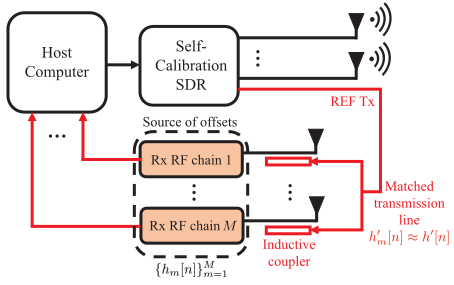
Null forming is increasingly essential in modern wireless systems for spectrum-sharing, anti-jamming, and covert communications in contested and congested environments. Achieving deep nulls, however, is far more demanding than conventional beam steering: nulls are intrinsically narrow, and even small phase, timing, or gain mismatches across RF chains can significantly degrade suppression. This work develops and validates a self-calibrating SDR architecture tailored for high-fidelity null forming using a compact reference transmitter directionally coupled to the antenna feeds. We demonstrate the effectiveness of the approach through simulation and experimental measurements on an SDR platform operating from 3.0 to 3.5GHz, a band of growing importance for Department of Defense spectrum-sharing initiatives.
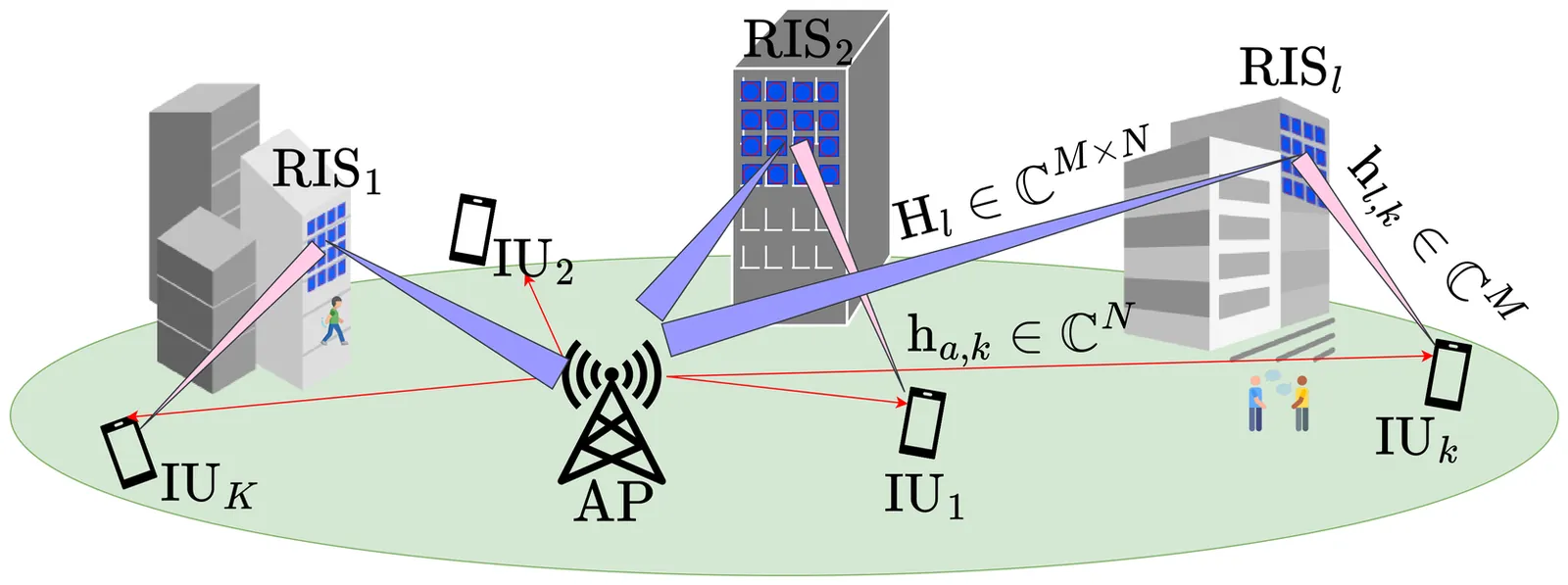
In sixth-generation (6G) networks, the deployment of large numbers of Internet of Things (IoT) users (IU) necessitates efficient resource utilization and reliable connectivity, making resource allocation a critical factor. Specifically, the upper mid-band (FR3) spectrum has emerged as a promising candidate for 6G systems due to its favorable balance between bandwidth availability and coverage. However, translating these spectral advantages into performance gains in dense IoT environments requires intelligent management of interference and propagation impairments. In this paper, we propose a reconfigurable intelligent surface (RIS)-assisted IoT network operating in the FR3 band to enhance coverage and improve signal quality. Furthermore, we formulate a joint power allocation and IU-RIS association problem to maximize the achievable sum rate under practical channel conditions and power constraints. The resulting problem is nonconvex and combinatorial due to interference coupling and binary association variables. To address this challenge, we develop a multiphase resource allocation framework that integrates a successive convex approximation (SCA)-based power allocation scheme combined with a matching-theory-based user association algorithm. Simulation results demonstrate that the proposed scheme significantly outperforms conventional greedy and random search schemes in terms of sum-rate enhancement.
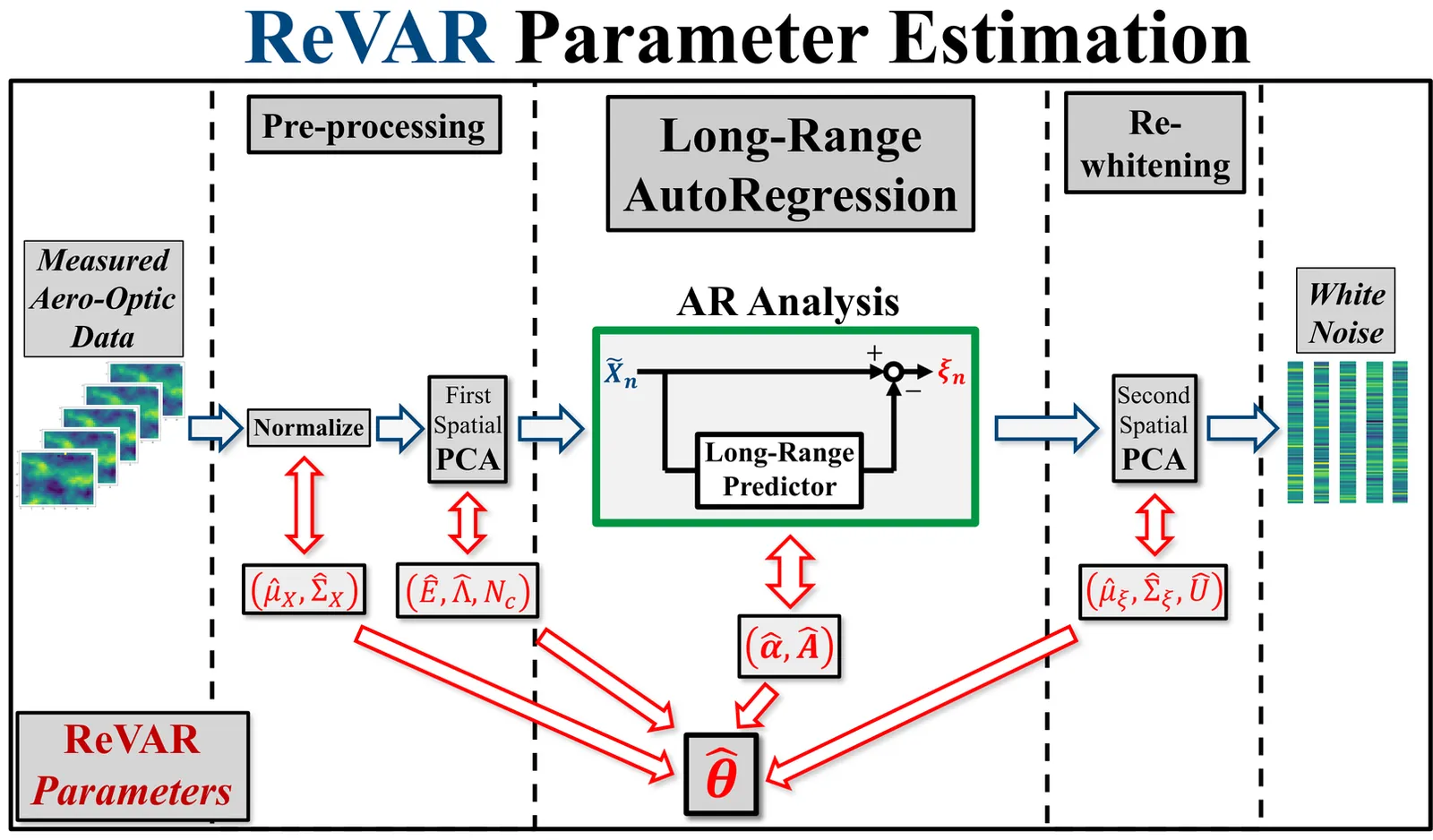
The propagation of light through a turbulent flow field around an aircraft results in optical distortions commonly known as aero-optic effects. The development of methods to mitigate these effects requires large amounts of realistic aero-optic data. However, methods for obtaining this data, including experiment, computational fluid dynamics, and simple phase screen algorithms (e.g., boiling flow), each have significant drawbacks such as high cost, high computation, limited quantity, and/or inaccurate statistics. More recently, data-driven algorithms have been proposed that are computationally efficient and can synthesize aero-optic data to match the statistics of measured data, but these approaches still have drawbacks including limited quality, inaccurate statistics, and the use of complicated algorithms. In this paper, we introduce ReVAR (Re-whitened Vector AutoRegression), a data-driven algorithm for generating synthetic aero-optic data that matches the statistics of measured data. A key contribution in this algorithm is Long-Range AutoRegression, a linear predictive model that combines a standard autoregression with a set of low-pass filters of the data to fit both short-range and long-range temporal statistics. ReVAR uses Long-Range AR together with a spatial re-whitening step to convert measured aero-optic data to temporally and spatially un-correlated white noise. ReVAR can then generate synthetic aero-optic data by reversing this process using white noise input. Using two measured turbulent boundary layer data sets, we demonstrate that ReVAR better matches the measured data's temporal power spectrum and other key metrics than do two conventional phase screen generation methods and an existing single time-lag autoregressive model.
Orthogonal time frequency space (OTFS) modulation offers superior robustness to high-mobility channels compared to conventional orthogonal frequency-division multiplexing (OFDM) waveforms. However, its explicit delay-Doppler (DD) domain representation incurs substantial signal processing complexity, especially with increased DD domain grid sizes. To address this challenge, we present a scalable, real-time Zak-OTFS receiver architecture on GPUs through hardware--algorithm co-design that exploits DD-domain channel sparsity. Our design leverages compact matrix operations for key processing stages, a branchless iterative equalizer, and a structured sparse channel matrix of the DD domain channel matrix to significantly reduce computational and memory overhead. These optimizations enable low-latency processing that consistently meets the 99.9-th percentile real-time processing deadline. The proposed system achieves up to 906.52 Mbps throughput with a DD grid size of (16384,32) using 16QAM modulation over 245.76 MHz bandwidth. Extensive evaluations under a Vehicular-A channel model demonstrate strong scalability and robust performance across CPU (Intel Xeon) and multiple GPU platforms (NVIDIA Jetson Orin, RTX 6000 Ada, A100, and H200), highlighting the effectiveness of compute-aware Zak-OTFS receiver design for next-generation (NextG) high-mobility communication systems.
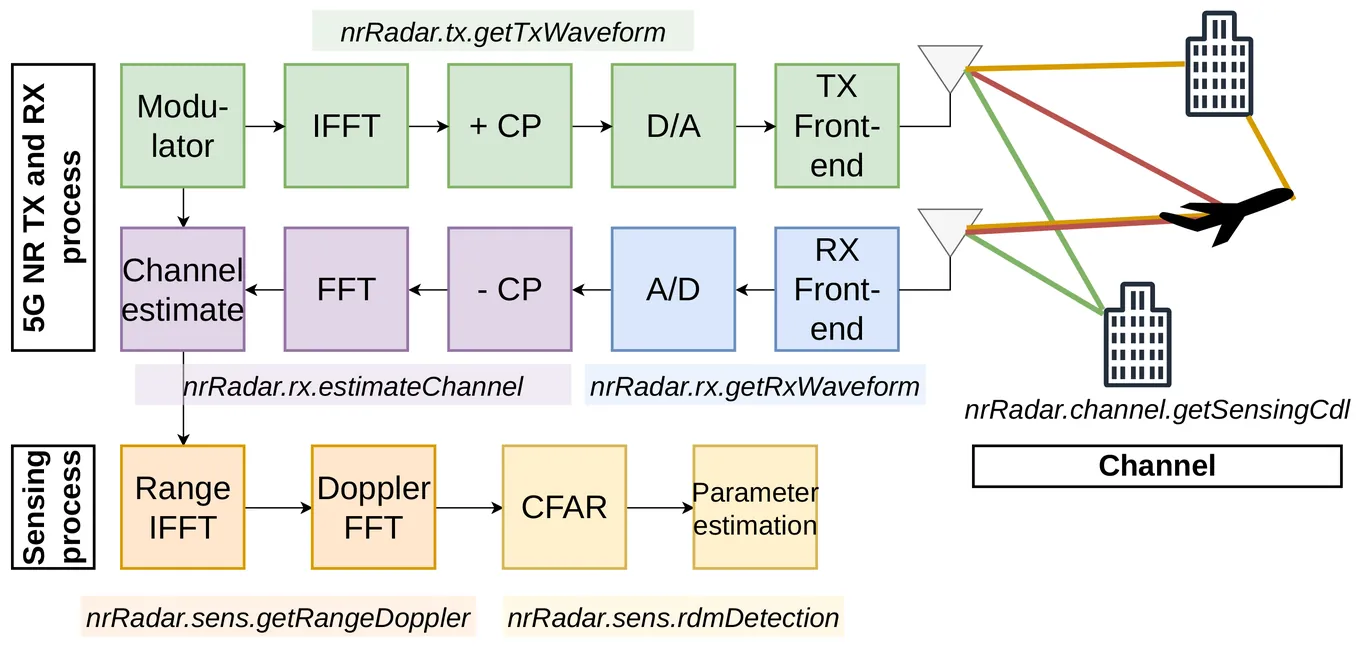
3GPP Release 19 has initiated the standardization of integrated sensing and communications (ISAC), including a channel model for monostatic sensing, evaluation scenarios, and performance assessment methodologies. These common assumptions provide an important basis for ISAC evaluation, but reproducible end-to-end studies still require a transparent sensing implementation. This paper evaluates 5G New Radio (NR) base station (gNB)-based monostatic sensing for the Unmanned Aerial Vehicle (UAV) use case using a 5G NR downlink Cyclic Prefix-Orthogonal Frequency Division Multiplexing (CP-OFDM) waveform and positioning reference signals (PRS), following 3GPP Urban Macro-Aerial Vehicle (UMa-AV) scenario assumptions. We present an end-to-end processing chain for multi-target detection and 3D localization, achieving more than 70% detection probability with less than 5% false alarm rate, in the considered scenario. For correctly detected targets, localization errors are on the order of a few meters, with a 90th-percentile error of 4m and 6m in the vertical and horizontal directions, respectively. To support reproducible baseline studies and further research, we release the simulator 5GNRad, which reproduces our evaluation