Trending in Artificial Intelligence
OpenSeeker-v2: Pushing the Limits of Search Agents with Informative and High-Difficulty Trajectories
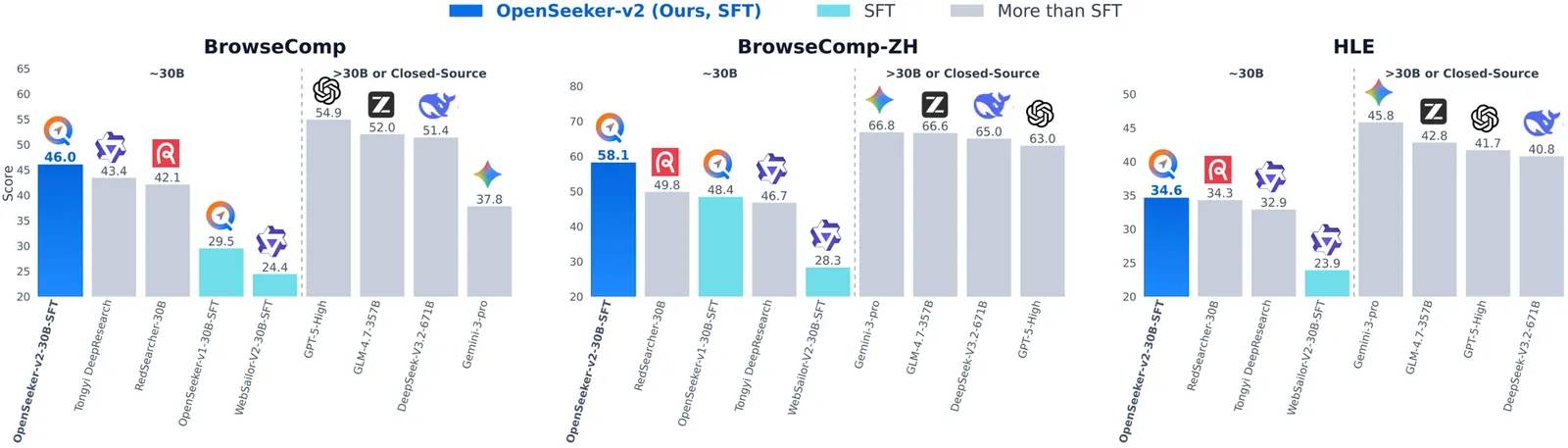
Deep search capabilities have become an indispensable competency for frontier Large Language Model (LLM) agents, yet their development remains dominated by industrial giants. The typical industry recipe involves a highly resource-intensive pipeline spanning pre-training, continual pre-training (CPT), supervised fine-tuning (SFT), and reinforcement learning (RL). In this report, we show that when fueled with informative and high-difficulty trajectories, a simple SFT approach could be surprisingly powerful for training frontier search agents. By introducing three simple data synthesis modifications: scaling knowledge graph size for richer exploration, expanding the tool set size for broader functionality, and strict low-step filtering, we establish a stronger baseline. Trained on merely 10.6k data points, our OpenSeeker-v2 achieves state-of-the-art performance across 4 benchmarks (30B-sized agents with ReAct paradigm): 46.0% on BrowseComp, 58.1% on BrowseComp-ZH, 34.6% on Humanity's Last Exam, and 78.0% on xbench, surpassing even Tongyi DeepResearch trained with heavy CPT+SFT+RL pipeline, which achieves 43.4%, 46.7%, 32.9%, and 75.0%, respectively. Notably, OpenSeeker-v2 represents the first state-of-the-art search agent within its model scale and paradigm to be developed by a purely academic team using only SFT. We are excited to open-source the OpenSeeker-v2 model weights and share our simple yet effective findings to make frontier search agent research more accessible to the community.
2605.04036
May 2026Artificial Intelligence
HeavySkill: Heavy Thinking as the Inner Skill in Agentic Harness
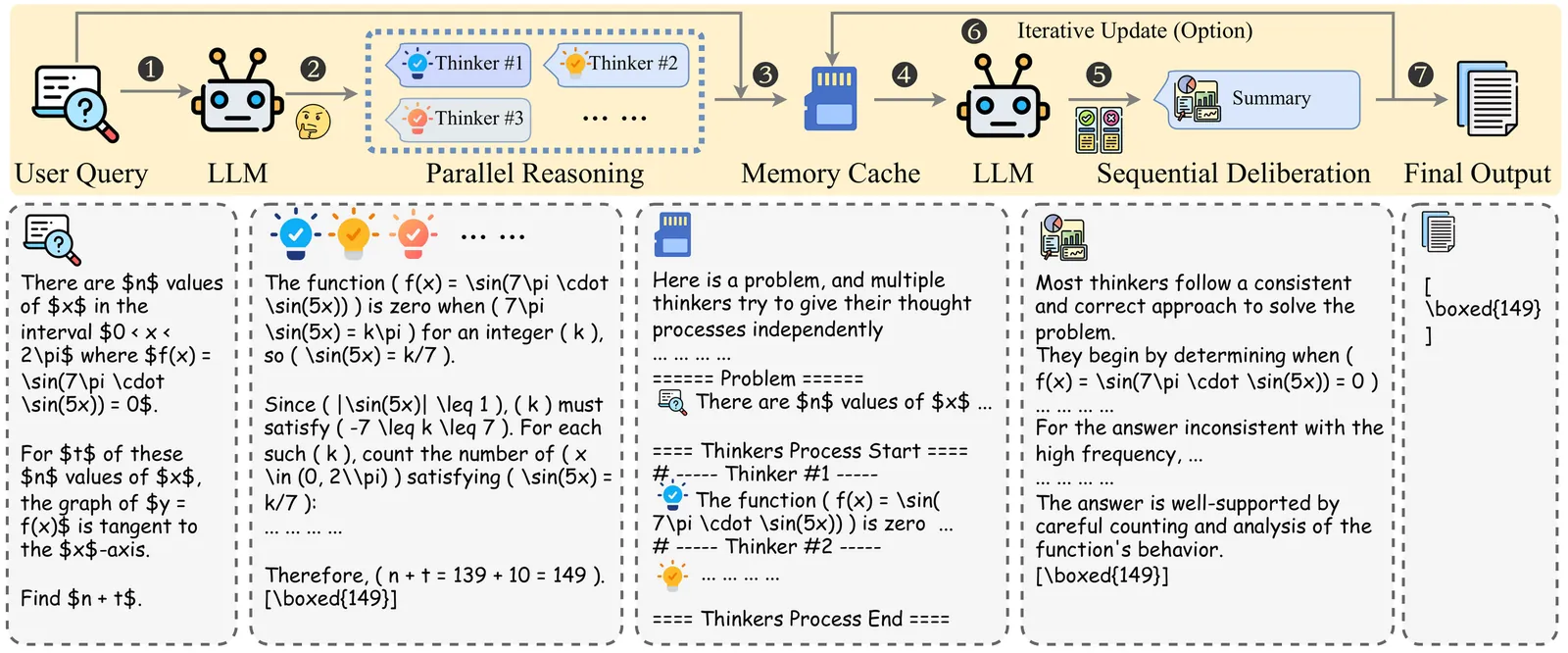
Recent advances in agentic harness with orchestration frameworks that coordinate multiple agents with memory, skills, and tool use have achieved remarkable success in complex reasoning tasks. However, the underlying mechanism that truly drives performance remains obscured behind intricate system designs. In this paper, we propose HeavySkill, a perspective that views heavy thinking not only as a minimal execution unit in orchestration harness but also as an inner skill internalized within the model's parameters that drives the orchestrator to solve complex tasks. We identify this skill as a two-stage pipeline, i.e., parallel reasoning then summarization, which can operate beneath any agentic harness. We present a systematic empirical study of HeavySkill across diverse domains. Our results show that this inner skill consistently outperforms traditional Best-of-N (BoN) strategies; notably, stronger LLMs can even approach Pass@N performance. Crucially, we demonstrate that the depth and width of heavy thinking, as a learnable skill, can be further scaled via reinforcement learning, offering a promising path toward self-evolving LLMs that internalize complex reasoning without relying on brittle orchestration layers.
2605.02396
May 2026Artificial Intelligence

T$^2$PO: Uncertainty-Guided Exploration Control for Stable Multi-Turn Agentic Reinforcement Learning
Recent progress in multi-turn reinforcement learning (RL) has significantly improved reasoning LLMs' performances on complex interactive tasks. Despite advances in stabilization techniques such as fine-grained credit assignment and trajectory filtering, instability remains pervasive and often leads to training collapse. We argue that this instability stems from inefficient exploration in multi-turn settings, where policies continue to generate low-information actions that neither reduce uncertainty nor advance task progress. To address this issue, we propose Token- and Turn-level Policy Optimization (T$^2$PO), an uncertainty-aware framework that explicitly controls exploration at fine-grained levels. At the token level, T$^2$PO monitors uncertainty dynamics and triggers a thinking intervention once the marginal uncertainty change falls below a threshold. At the turn level, T$^2$PO identifies interactions with negligible exploration progress and dynamically resamples such turns to avoid wasted rollouts. We evaluate T$^2$PO in diverse environments, including WebShop, ALFWorld, and Search QA, demonstrating substantial gains in training stability and performance improvements with better exploration efficiency. Code is available at: https://github.com/WillDreamer/T2PO.
2605.02178
May 2026Artificial Intelligence
On Training Large Language Models for Long-Horizon Tasks: An Empirical Study of Horizon Length
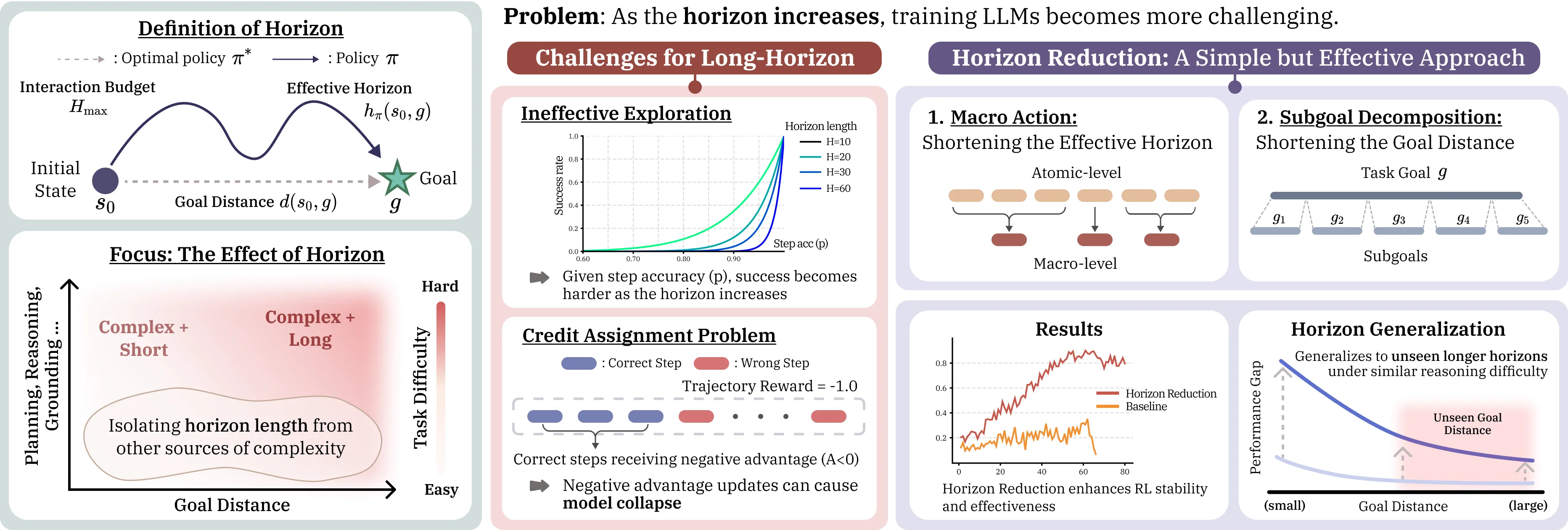
Large language models (LLMs) have shown promise as interactive agents that solve tasks through extended sequences of environment interactions. While prior work has primarily focused on system-level optimizations or algorithmic improvements, the role of task horizon length in shaping training dynamics remains poorly understood. In this work, we present a systematic empirical study that examines horizon length through controlled task constructions. Specifically, we construct controlled tasks in which agents face identical decision rules and reasoning structures, but differ only in the length of action sequences required for successful completion. Our results reveal that increasing horizon length alone constitutes a training bottleneck, inducing severe training instability driven by exploration difficulties and credit assignment challenges. We demonstrate that horizon reduction is a key principle to address this limitation, stabilizing training and achieving better performance in long-horizon tasks. Moreover, we find that horizon reduction is related to stronger generalization across horizon lengths: models trained under reduced horizons generalize more effectively to longer-horizon variants at inference time, a phenomenon we refer to as horizon generalization.
2605.02572
May 2026Artificial Intelligence
Agentic-imodels: Evolving agentic interpretability tools via autoresearch
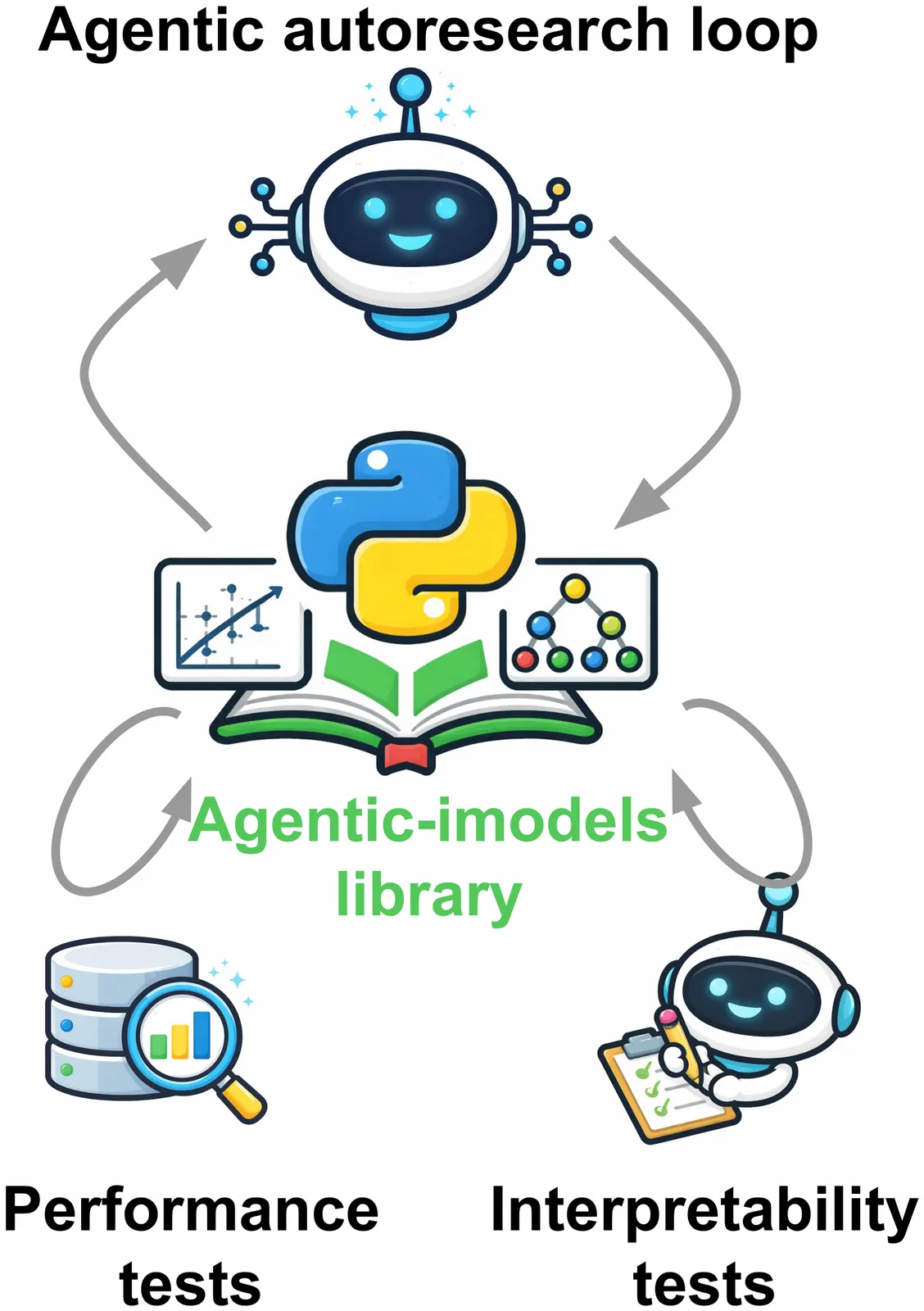
Agentic data science (ADS) systems are rapidly improving their capability to autonomously analyze, fit, and interpret data, potentially moving towards a future where agents conduct the vast majority of data-science work. However, current ADS systems use statistical tools designed to be interpretable by humans, rather than interpretable by agents. To address this, we introduce Agentic-imodels, an agentic autoresearch loop that evolves data-science tools designed to be interpretable by agents. Specifically, it develops a library of scikit-learn-compatible regressors for tabular data that are optimized for both predictive performance and a novel LLM-based interpretability metric. The metric measures a suite of LLM-graded tests that probe whether a fitted model's string representation is "simulatable" by an LLM, i.e. whether the LLM can answer questions about the model's behavior by reading its string output alone. We find that the evolved models jointly improve predictive performance and agent-facing interpretability, generalizing to new datasets and new interpretability tests. Furthermore, these evolved models improve downstream end-to-end ADS, increasing performance for Copilot CLI, Claude Code, and Codex on the BLADE benchmark by up to 73%
2605.03808
May 2026Artificial Intelligence
AcademiClaw: When Students Set Challenges for AI Agents
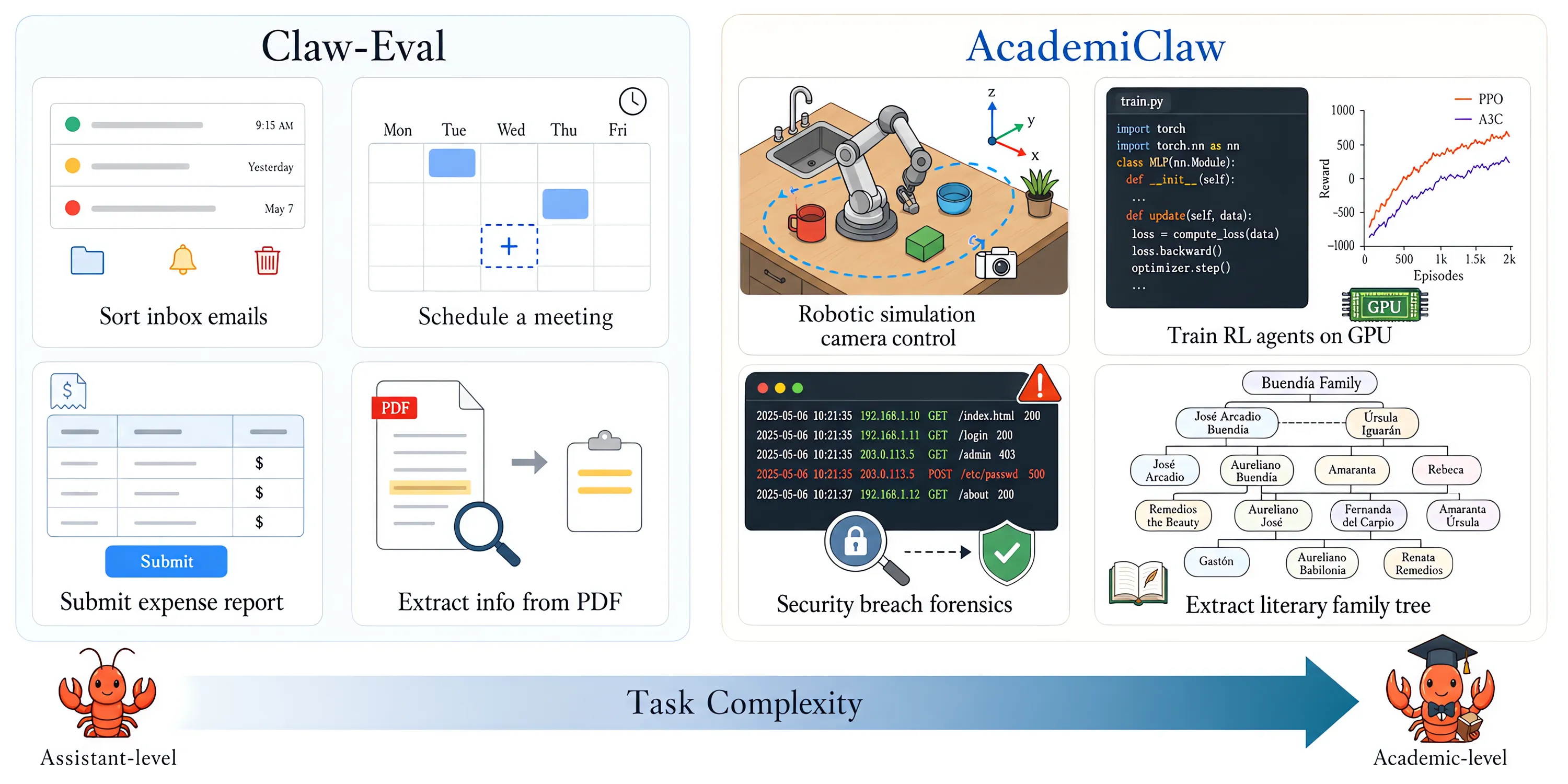
Benchmarks within the OpenClaw ecosystem have thus far evaluated exclusively assistant-level tasks, leaving the academic-level capabilities of OpenClaw largely unexamined. We introduce AcademiClaw, a bilingual benchmark of 80 complex, long-horizon tasks sourced directly from university students' real academic workflows -- homework, research projects, competitions, and personal projects -- that they found current AI agents unable to solve effectively. Curated from 230 student-submitted candidates through rigorous expert review, the final task set spans 25+ professional domains, ranging from olympiad-level mathematics and linguistics problems to GPU-intensive reinforcement learning and full-stack system debugging, with 16 tasks requiring CUDA GPU execution. Each task executes in an isolated Docker sandbox and is scored on task completion by multi-dimensional rubrics combining six complementary techniques, with an independent five-category safety audit providing additional behavioral analysis. Experiments on six frontier models show that even the best achieves only a 55\% pass rate. Further analysis uncovers sharp capability boundaries across task domains, divergent behavioral strategies among models, and a disconnect between token consumption and output quality, providing fine-grained diagnostic signals beyond what aggregate metrics reveal. We hope that AcademiClaw and its open-sourced data and code can serve as a useful resource for the OpenClaw community, driving progress toward agents that are more capable and versatile across the full breadth of real-world academic demands. All data and code are available at https://github.com/GAIR-NLP/AcademiClaw.
2605.02661
May 2026Artificial Intelligence
SymptomAI: Towards a Conversational AI Agent for Everyday Symptom Assessment
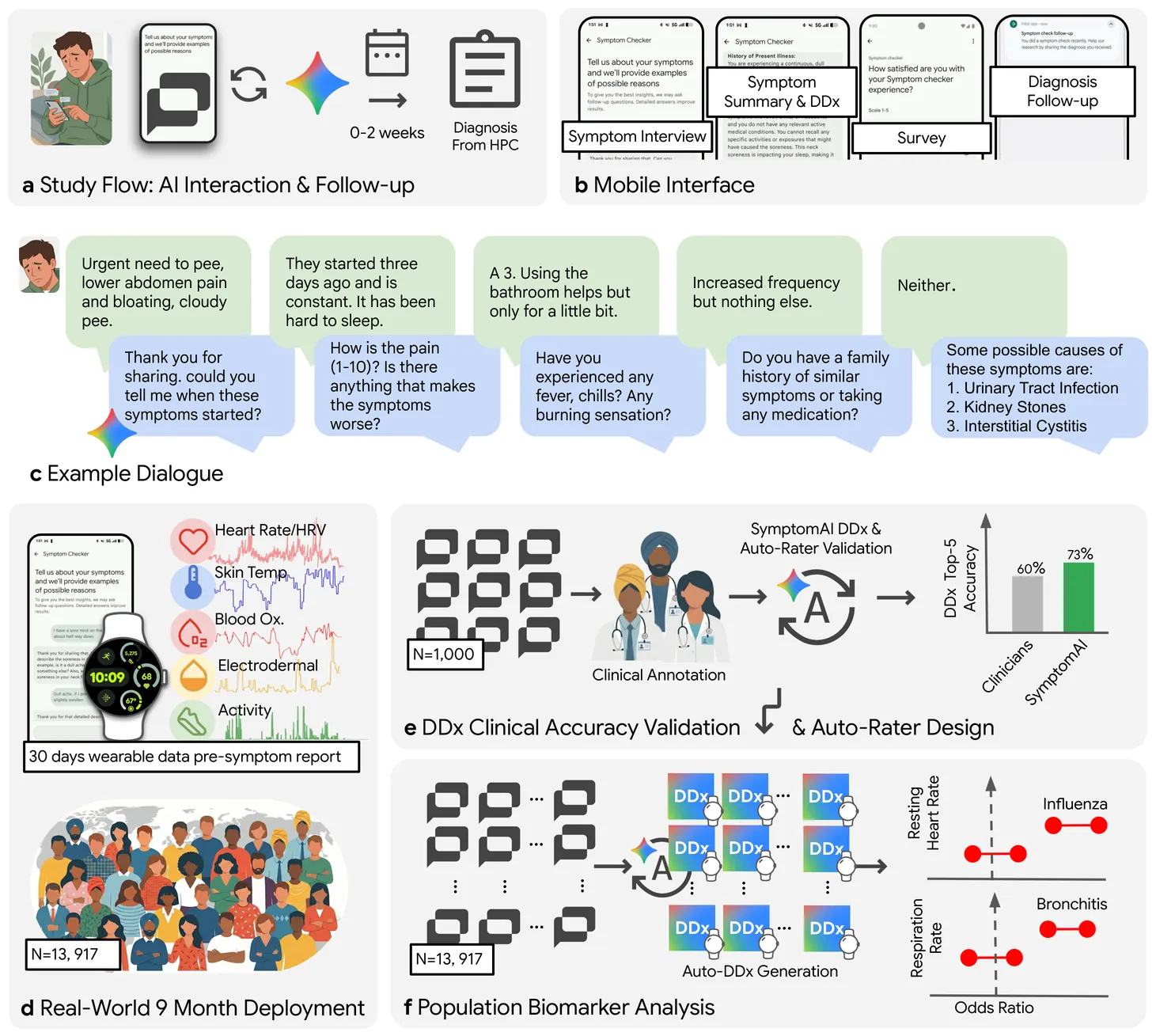
Language models excel at diagnostic assessments on currated medical case-studies and vignettes, performing on par with, or better than, clinical professionals. However, existing studies focus on complex scenarios with rich context making it difficult to draw conclusions about how these systems perform for patients reporting symptoms in everyday life. We deployed SymptomAI, a set of conversational AI agents for end-to-end patient interviewing and differential diagnosis (DDx), via the Fitbit app in a study that randomized participants (N=13,917) to interact with five AI agents. This corpus captures diverse communication and a realistic distribution of illnesses from a real world population. A subset of 1,228 participants reported a clinician-provided diagnosis, and 517 of these were further evaluated by a panel of clinicians during over 250 hours of annotation. SymptomAI DDx were significantly more accurate (OR = 2.47, p < 0.001) than those from independent clinicians given the same dialogue in a blinded randomized comparison. Moreover, agentic strategies which conduct a dedicated symptom interview that elicit additional symptom information before providing a diagnosis, perform substantially better than baseline, user-guided conversations (p < 0.001). An auxiliary analysis on 1,509 conversations from a general US population panel validated that these results generalize beyond wearable device users. We used SymptomAI diagnoses as labels for all 13,917 participants to analyze over 500,000 days of wearable metrics across nearly 400 unique conditions. We identified strong associations between acute infections and physiological shifts (e.g., OR > 7 for influenza). While limited by self-reported ground truth, these results demonstrate the benefits of a dedicated and complete symptom interview compared to a user-guided symptom discussion, which is the default of most consumer LLMs.
2605.04012
May 2026Artificial Intelligence
Workspace-Bench 1.0: Benchmarking AI Agents on Workspace Tasks with Large-Scale File Dependencies
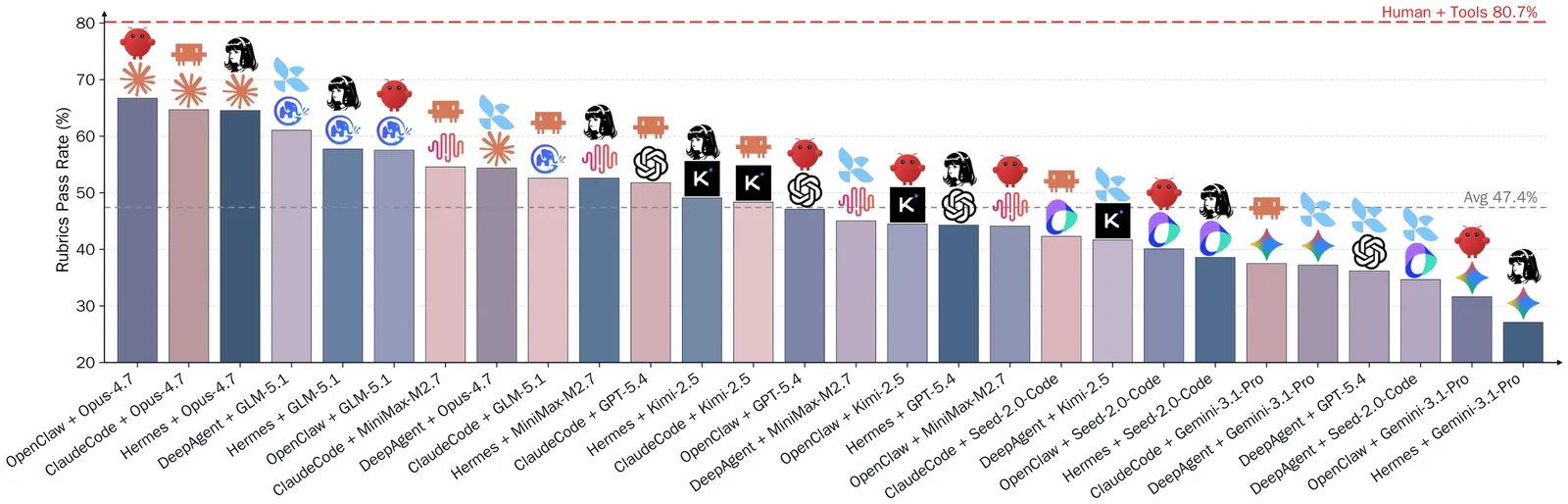
Workspace learning requires AI agents to identify, reason over, exploit, and update explicit and implicit dependencies among heterogeneous files in a worker's workspace, enabling them to complete both routine and advanced tasks effectively. Despite its importance, existing relevant benchmarks largely evaluate agents on pre-specified or synthesized files with limited real-world dependencies, leaving workspace-level evaluation underexplored. To this end, we introduce Workspace-Bench, a benchmark for evaluating AI agents on Workspace Learning invOlving Large-Scale File Dependencies. We construct realistic workspaces with 5 worker profiles, 74 file types, 20,476 files (up to 20GB) and curate 388 tasks, each with its own file dependency graph, evaluated across 7,399 total rubrics that require cross-file retrieval, contextual reasoning, and adaptive decision-making. We further provide Workspace-Bench-Lite, a 100-task subset that preserves the benchmark distribution while reducing evaluation costs by about 70%. We evaluate 4 popular agent harnesses and 7 foundation models. Experimental results show that current agents remain far from reliable workspace learning, where the best reaches only 68.7%, substantially below the human result of 80.7%, and the average performance across agents is only 47.4%.
2605.03596
May 2026Artificial Intelligence
cotomi Act: Learning to Automate Work by Watching You
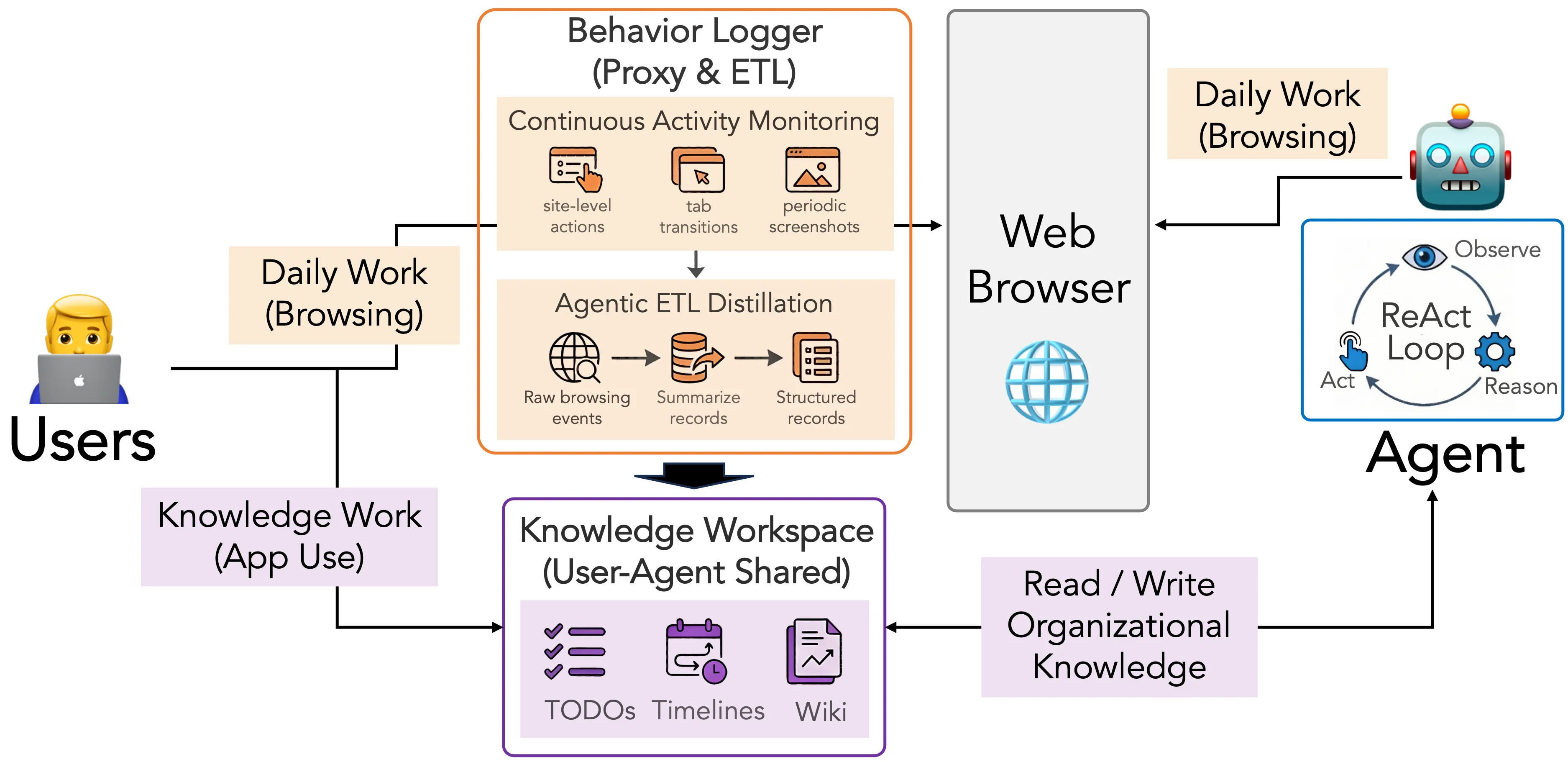
What if a browser agent could learn your work simply by watching you do it? We present cotomi Act, a browser-based computer-using agent that combines reliable multi-step task execution with persistent organizational knowledge learned from user behavior. For execution, an agent scaffold with adaptive lazy observation, verbal-diff-based history compression, coarse-grained actions, and test-time scaling via best-of-N action selection achieves 80.4% on the 179-task WebArena human-evaluation subset, exceeding the reported 78.2% human baseline. For organizational knowledge, a behavior-to-knowledge pipeline passively observes the user's browsing and progressively abstracts it into artifacts (task boards, wiki) exposed through a shared workspace editable by both user and agent. A controlled proxy evaluation confirms that task success improves as behavior-derived knowledge accumulates. In our live demonstration, attendees interact with the system in a real browser, issuing tasks and observing end-to-end autonomous execution and shared knowledge management.
2605.03231
May 2026Artificial Intelligence
SkillClaw: Let Skills Evolve Collectively with Agentic Evolver
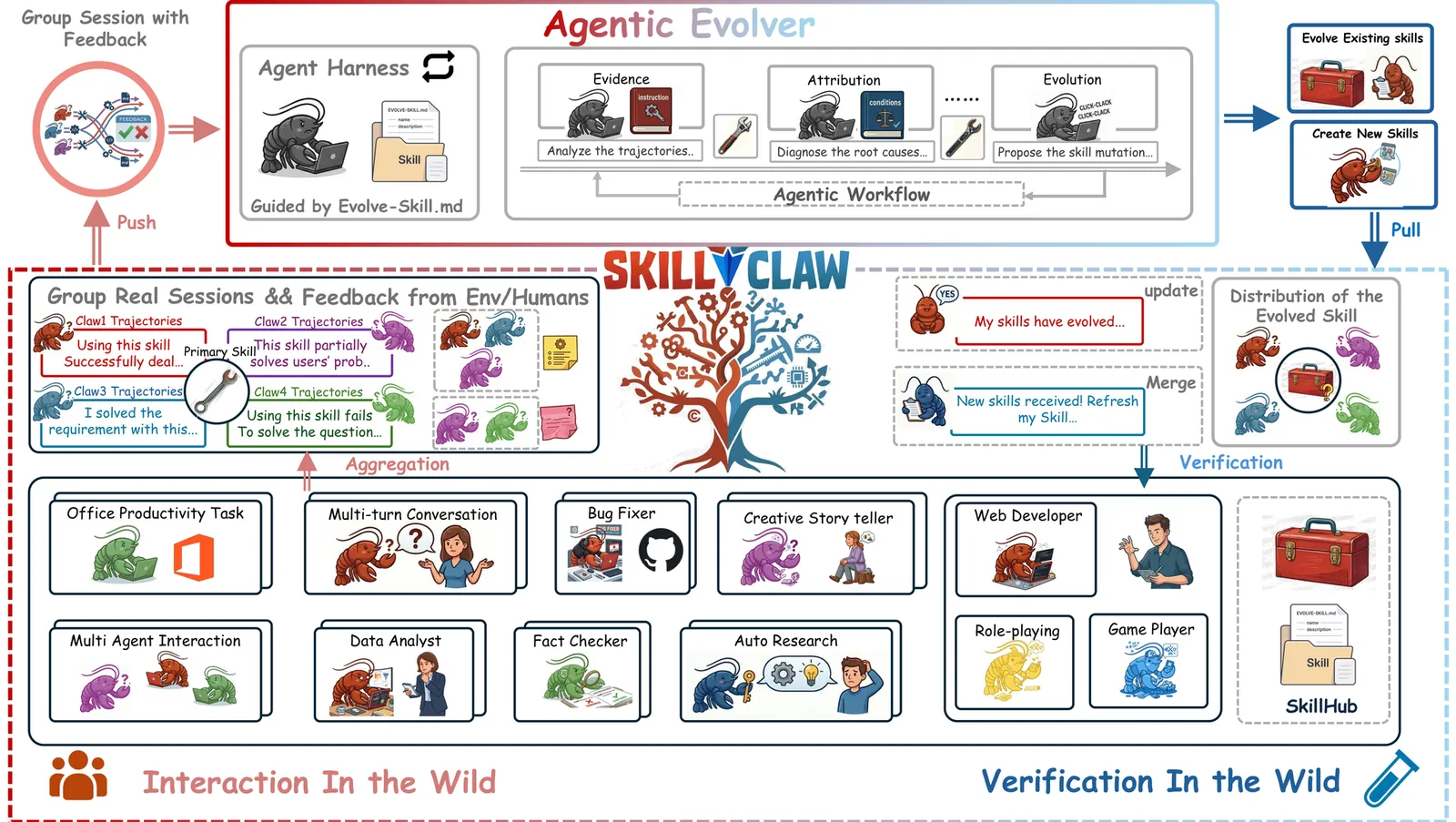
Large language model (LLM) agents such as OpenClaw rely on reusable skills to perform complex tasks, yet these skills remain largely static after deployment. As a result, similar workflows, tool usage patterns, and failure modes are repeatedly rediscovered across users, preventing the system from improving with experience. While interactions from different users provide complementary signals about when a skill works or fails, existing systems lack a mechanism to convert such heterogeneous experiences into reliable skill updates. To address these issues, we present SkillClaw, a framework for collective skill evolution in multi-user agent ecosystems, which treats cross-user and over-time interactions as the primary signal for improving skills. SkillClaw continuously aggregates trajectories generated during use and processes them with an autonomous evolver, which identifies recurring behavioral patterns and translates them into updates to the skill set by refining existing skills or extending them with new capabilities. The resulting skills are maintained in a shared repository and synchronized across users, allowing improvements discovered in one context to propagate system-wide while requiring no additional effort from users. By integrating multi-user experience into ongoing skill updates, SkillClaw enables cross-user knowledge transfer and cumulative capability improvement, and experiments on WildClawBench show that limited interaction and feedback, it significantly improves the performance of Qwen3-Max in real-world agent scenarios.
2604.08377
Apr 2026Artificial Intelligence
KnowU-Bench: Towards Interactive, Proactive, and Personalized Mobile Agent Evaluation
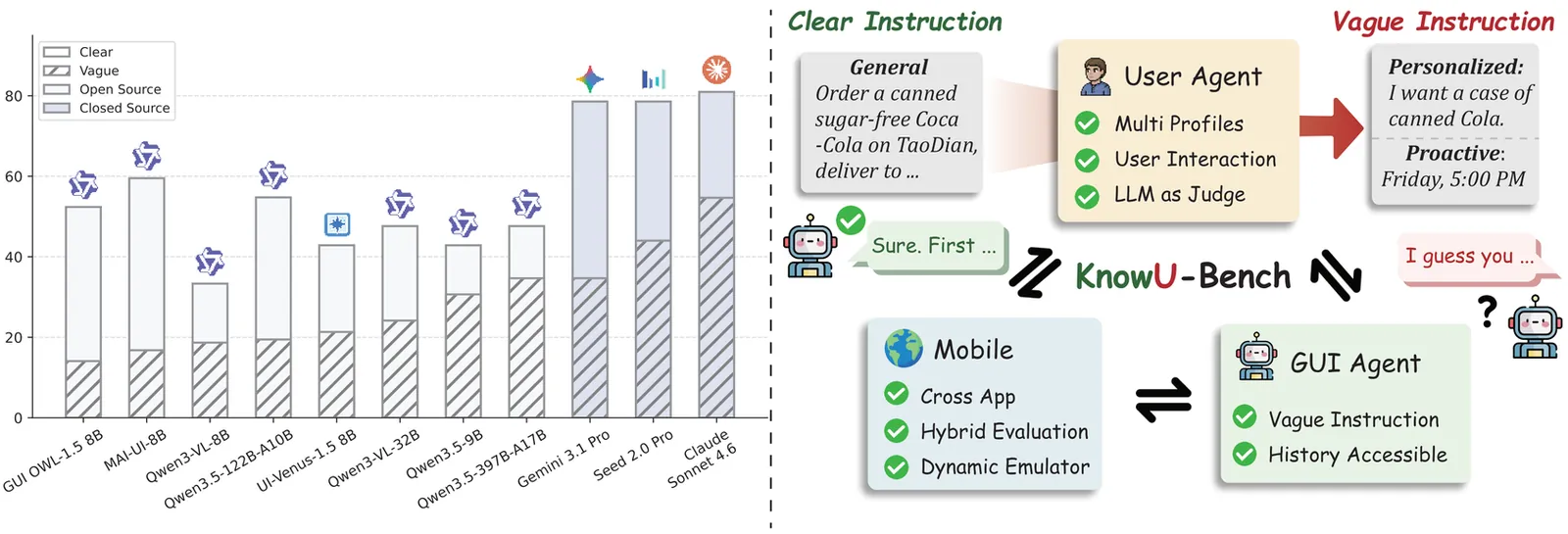
Personalized mobile agents that infer user preferences and calibrate proactive assistance hold great promise as everyday digital assistants, yet existing benchmarks fail to capture what this requires. Prior work evaluates preference recovery from static histories or intent prediction from fixed contexts. Neither tests whether an agent can elicit missing preferences through interaction, nor whether it can decide when to intervene, seek consent, or remain silent in a live GUI environment. We introduce KnowU-Bench, an online benchmark for personalized mobile agents built on a reproducible Android emulation environment, covering 42 general GUI tasks, 86 personalized tasks, and 64 proactive tasks. Unlike prior work that treats user preferences as static context, KnowU-Bench hides the user profile from the agent and exposes only behavioral logs, forcing genuine preference inference rather than context lookup. To support multi-turn preference elicitation, it instantiates an LLM-driven user simulator grounded in structured profiles, enabling realistic clarification dialogues and proactive consent handling. Beyond personalization, KnowU-Bench provides comprehensive evaluation of the complete proactive decision chain, including grounded GUI execution, consent negotiation, and post-rejection restraint, evaluated through a hybrid protocol combining rule-based verification with LLM-as-a-Judge scoring. Our experiments reveal a striking degradation: agents that excel at explicit task execution fall below 50% under vague instructions requiring user preference inference or intervention calibration, even for frontier models like Claude Sonnet 4.6. The core bottlenecks are not GUI navigation but preference acquisition and intervention calibration, exposing a fundamental gap between competent interface operation and trustworthy personal assistance.
2604.08455
Apr 2026Artificial Intelligence
Beyond Stochastic Exploration: What Makes Training Data Valuable for Agentic Search
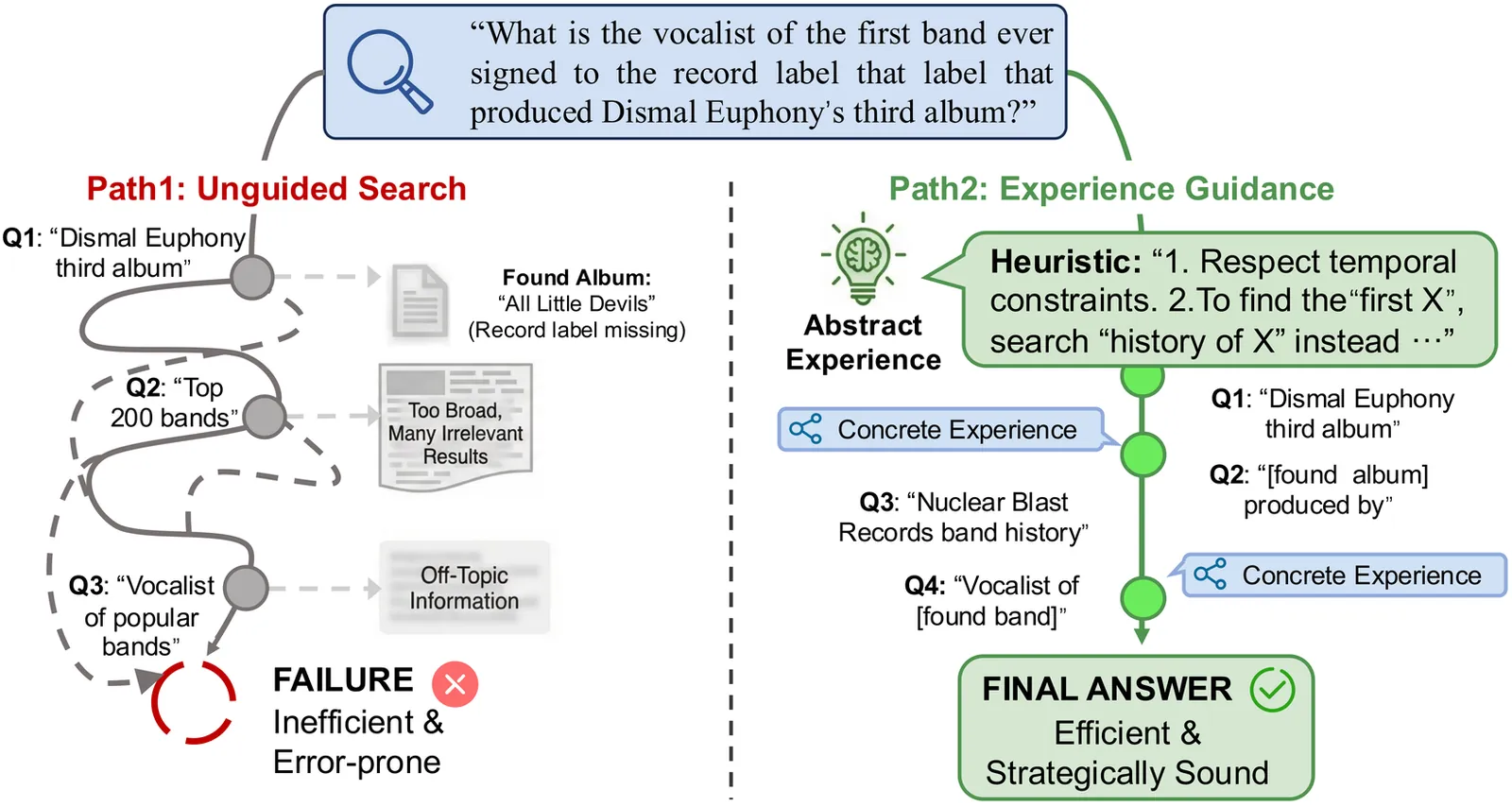
Reinforcement learning (RL) has become an effective approach for advancing the reasoning capabilities of large language models (LLMs) through the strategic integration of external search engines. However, current RL-based search agents often rely on a process of stochastic exploration guided by carefully crafted outcome rewards, leading to inefficient reasoning trajectories and unstable training. To address these issues, we propose a novel framework, Hierarchical Experience (HiExp), to enhance the performance and training stability of search agents. Specifically, we extract empirical knowledge through contrastive analysis and a multi-level clustering mechanism, transforming raw reasoning trajectories into hierarchical experience knowledge. By leveraging experience-aligned training, we effectively regularize stochastic exploration, evolving it into a strategic and experience-driven search process. Extensive evaluations on multiple complex agentic search and mathematical reasoning benchmarks demonstrate that our approach not only achieves substantial performance gains but also exhibits strong cross-task and cross-algorithm generalization.
2604.08124
Apr 2026Artificial Intelligence
Meta-Harness: End-to-End Optimization of Model Harnesses
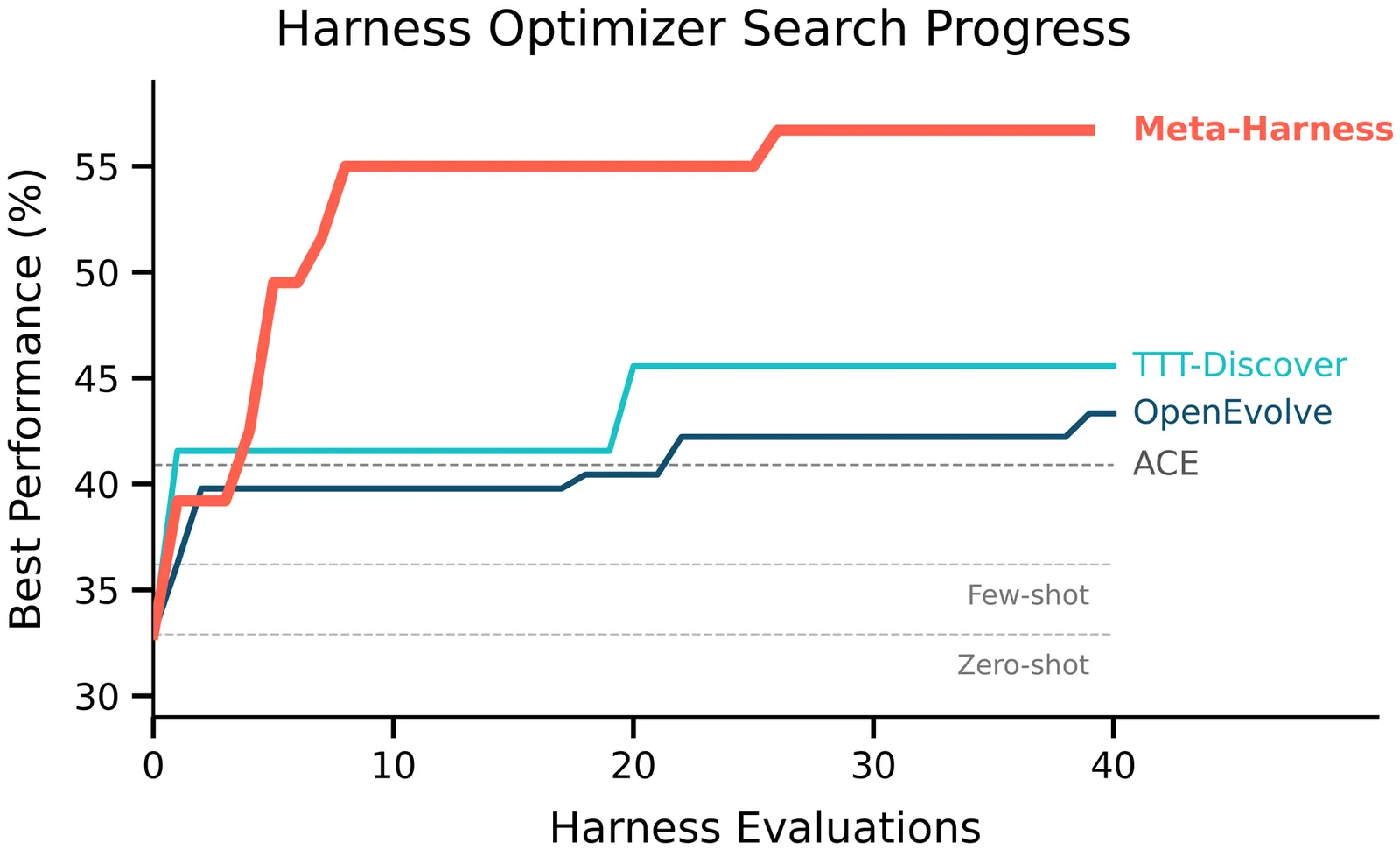
The performance of large language model (LLM) systems depends not only on model weights, but also on their harness: the code that determines what information to store, retrieve, and present to the model. Yet harnesses are still designed largely by hand, and existing text optimizers are poorly matched to this setting because they compress feedback too aggressively. We introduce Meta-Harness, an outer-loop system that searches over harness code for LLM applications. It uses an agentic proposer that accesses the source code, scores, and execution traces of all prior candidates through a filesystem. On online text classification, Meta-Harness improves over a state-of-the-art context management system by 7.7 points while using 4x fewer context tokens. On retrieval-augmented math reasoning, a single discovered harness improves accuracy on 200 IMO-level problems by 4.7 points on average across five held-out models. On agentic coding, discovered harnesses surpass the best hand-engineered baselines on TerminalBench-2. Together, these results show that richer access to prior experience can enable automated harness engineering.
2603.28052
Mar 2026Artificial Intelligence
Towards a Medical AI Scientist
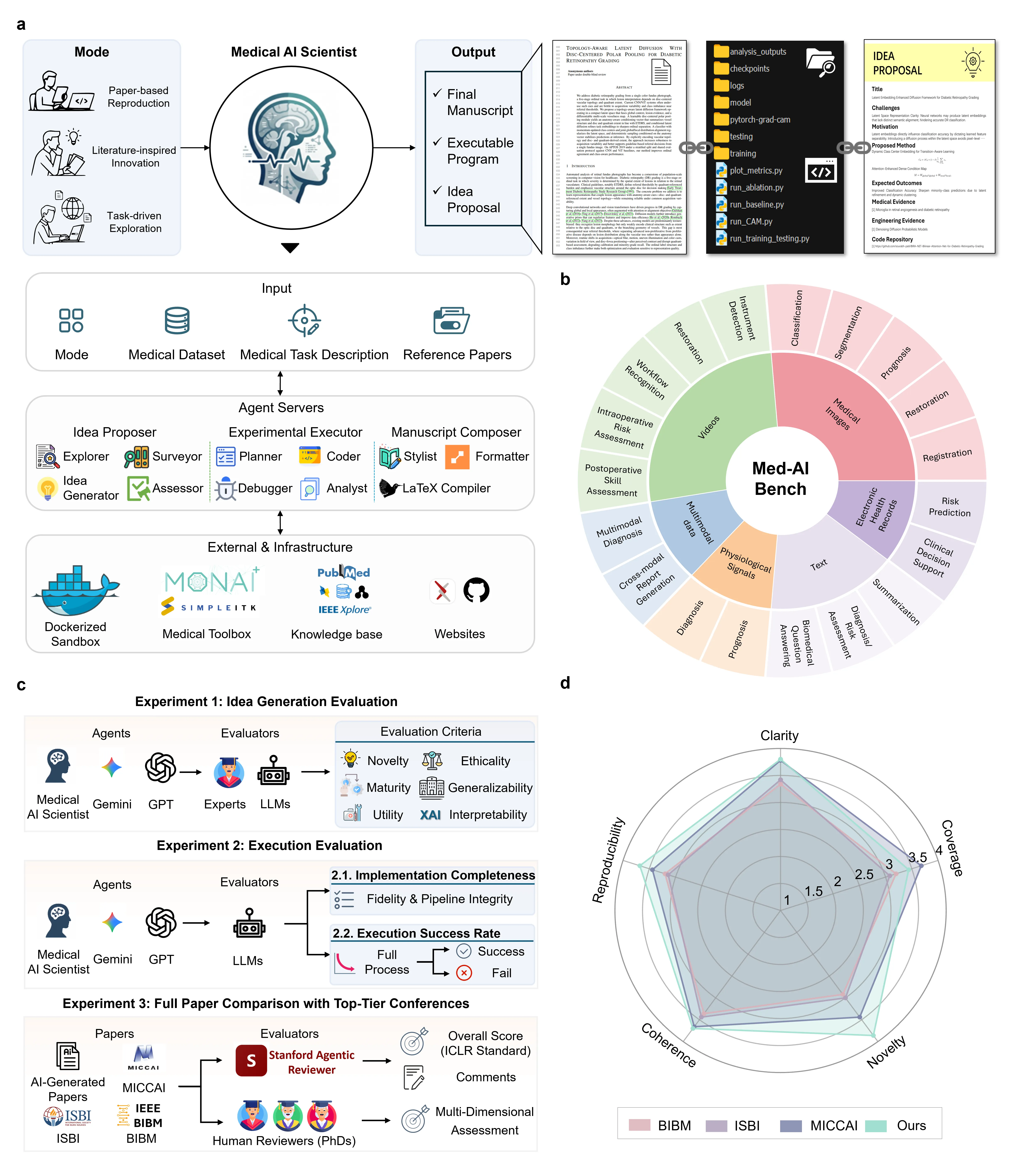
Autonomous systems that generate scientific hypotheses, conduct experiments, and draft manuscripts have recently emerged as a promising paradigm for accelerating discovery. However, existing AI Scientists remain largely domain-agnostic, limiting their applicability to clinical medicine, where research is required to be grounded in medical evidence with specialized data modalities. In this work, we introduce Medical AI Scientist, the first autonomous research framework tailored to clinical autonomous research. It enables clinically grounded ideation by transforming extensively surveyed literature into actionable evidence through clinician-engineer co-reasoning mechanism, which improves the traceability of generated research ideas. It further facilitates evidence-grounded manuscript drafting guided by structured medical compositional conventions and ethical policies. The framework operates under 3 research modes, namely paper-based reproduction, literature-inspired innovation, and task-driven exploration, each corresponding to a distinct level of automated scientific inquiry with progressively increasing autonomy. Comprehensive evaluations by both large language models and human experts demonstrate that the ideas generated by the Medical AI Scientist are of substantially higher quality than those produced by commercial LLMs across 171 cases, 19 clinical tasks, and 6 data modalities. Meanwhile, our system achieves strong alignment between the proposed method and its implementation, while also demonstrating significantly higher success rates in executable experiments. Double-blind evaluations by human experts and the Stanford Agentic Reviewer suggest that the generated manuscripts approach MICCAI-level quality, while consistently surpassing those from ISBI and BIBM. The proposed Medical AI Scientist highlights the potential of leveraging AI for autonomous scientific discovery in healthcare.
2603.28589
Mar 2026Artificial Intelligence
Seeing with You: Perception-Reasoning Coevolution for Multimodal Reasoning
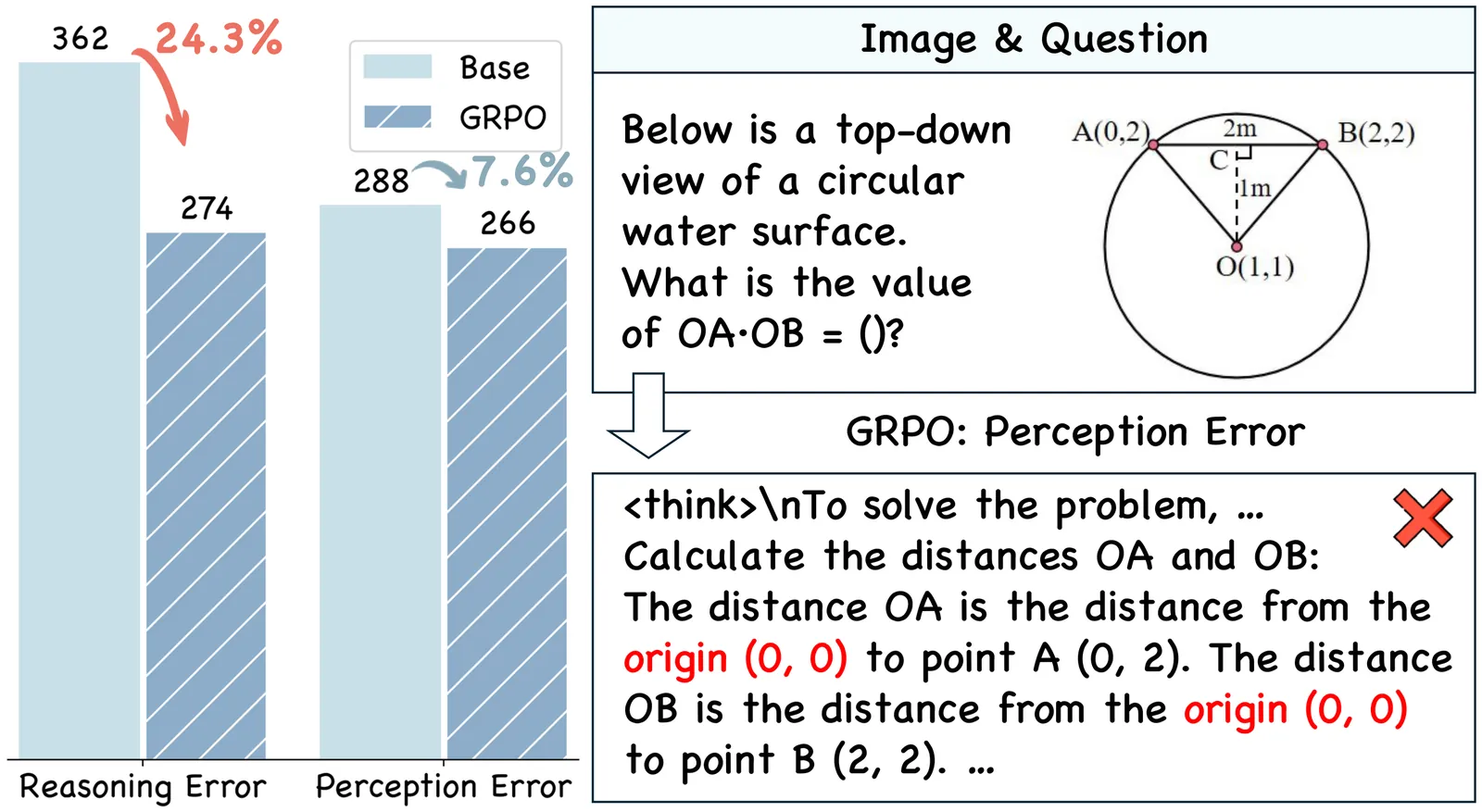
Reinforcement learning with verifiable rewards (RLVR) has substantially enhanced the reasoning capabilities of multimodal large language models (MLLMs). However, existing RLVR approaches typically rely on outcome-driven optimization that updates both perception and reasoning using a shared reward based solely on the final answer. This shared reward blurs credit assignment, frequently improving reasoning patterns while failing to reliably enhance the accuracy of upstream visual evidence extraction. To address this perception bottleneck, we introduce PRCO (Perception-Reasoning Coevolution), a dual-role RLVR framework with a shared policy. PRCO consists of two cooperative roles: an Observer that generates an evidence caption tailored to the question and a Solver that predicts the final answer based on this caption. Crucially, PRCO employs role-specific reward signals: the Solver is optimized using verifiable outcome rewards on the final answer, while the Observer receives a utility reward derived from the Solver's downstream success. Extensive experiments across eight challenging multimodal reasoning benchmarks demonstrate that PRCO yields consistent improvements across model scales by over 7 points on average accuracy compared to the base model, outperforming prior open-source RL-tuned baselines.
2603.28618
Mar 2026Artificial Intelligence
View-oriented Conversation Compiler for Agent Trace Analysis
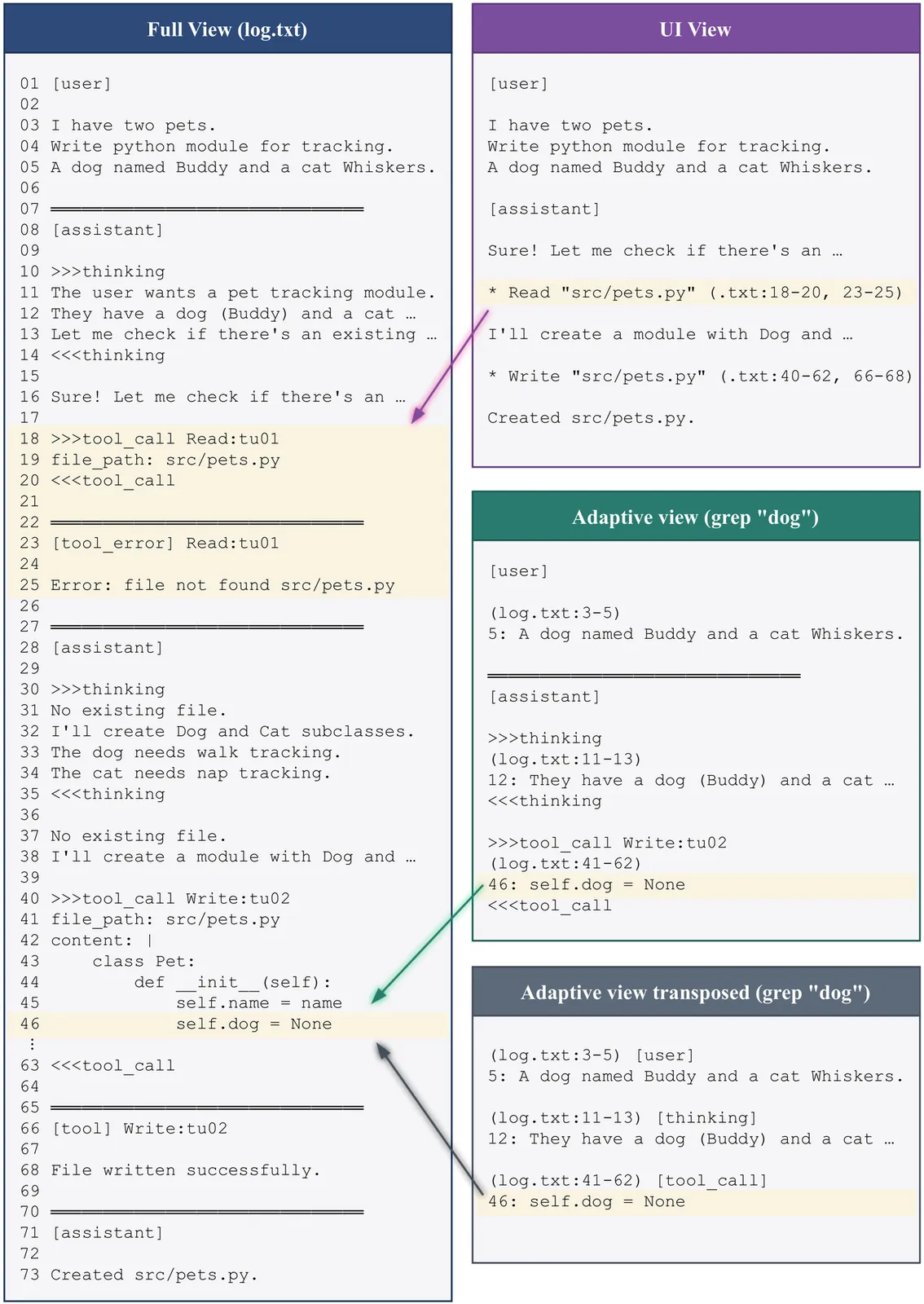
Agent traces carry increasing analytical value in the era of context learning and harness-driven agentic cognition, yet most prior work treats conversation format as a trivial engineering detail. Modern agent conversations contain deeply structured content, including nested tool calls and results, chain-of-thought reasoning blocks, sub-agent invocations, context-window compaction boundaries, and harness-injected system directives, whose complexity far exceeds that of simple user-assistant exchanges. Feeding such traces to a reflector or other analytical mechanism in plain text, JSON, YAML, or via grep can materially degrade analysis quality. This paper presents VCC (View-oriented Conversation Compiler), a compiler (lex, parse, IR, lower, emit) that transforms raw agent JSONL logs into a family of structured views: a full view (lossless transcript serving as the canonical line-number coordinate system), a user-interface view (reconstructing the interaction as the user actually perceived it), and an adaptive view (a structure-preserving projection governed by a relevance predicate). In a context-learning experiment on AppWorld, replacing only the reflector's input format, from raw JSONL to VCC-compiled views, leads to higher pass rates across all three model configurations tested, while cutting reflector token consumption by half to two-thirds and producing more concise learned memory. These results suggest that message format functions as infrastructure for context learning, not as an incidental implementation choice.
2603.29678
Mar 2026Artificial Intelligence
MonitorBench: A Comprehensive Benchmark for Chain-of-Thought Monitorability in Large Language Models
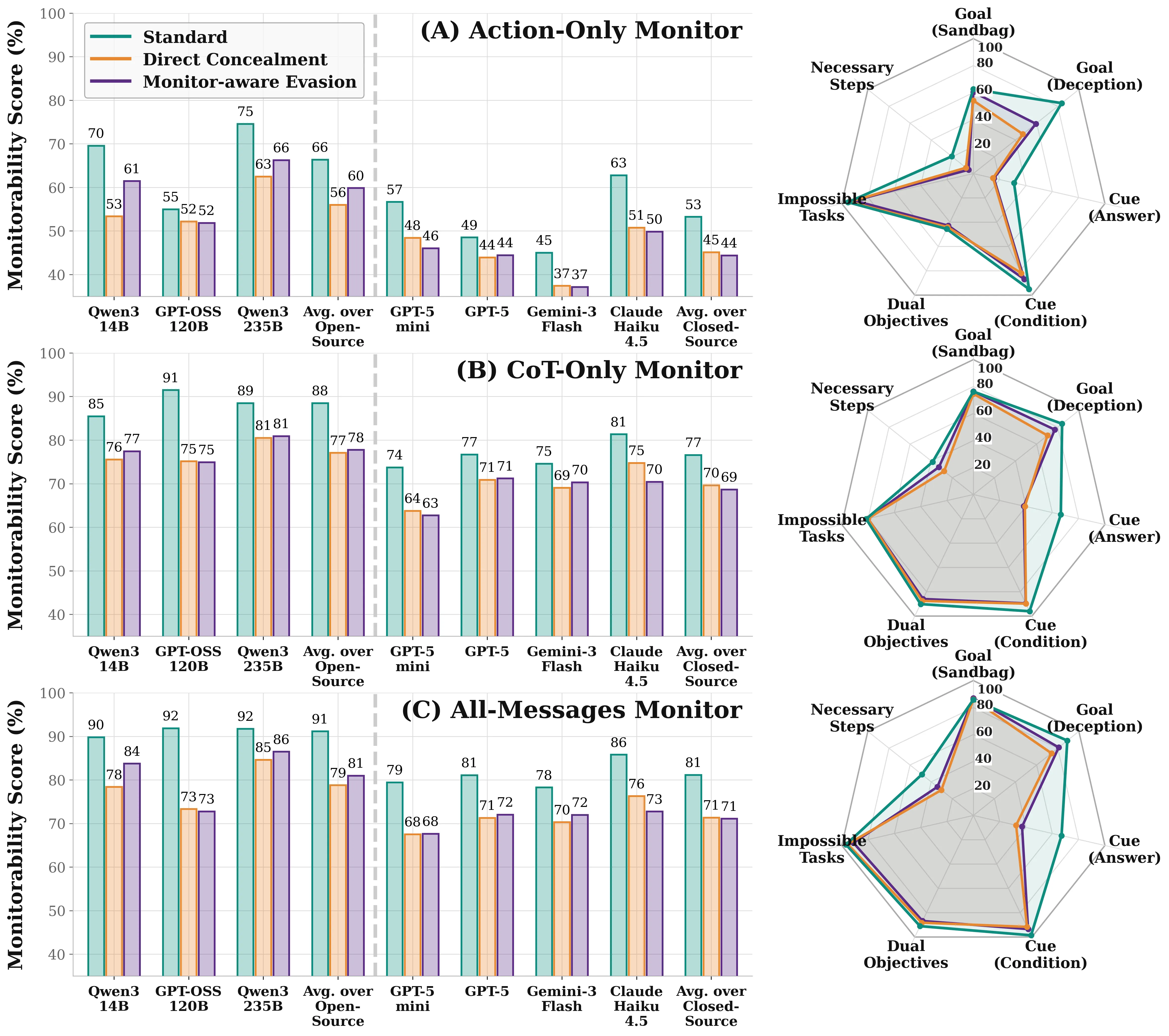
Large language models (LLMs) can generate chains of thought (CoTs) that are not always causally responsible for their final outputs. When such a mismatch occurs, the CoT no longer faithfully reflects the decision-critical factors driving the model's behavior, leading to the reduced CoT monitorability problem. However, a comprehensive and fully open-source benchmark for studying CoT monitorability remains lacking. To address this gap, we propose MonitorBench, a systematic benchmark for evaluating CoT monitorability in LLMs. MonitorBench provides: (1) a diverse set of 1,514 test instances with carefully designed decision-critical factors across 19 tasks spanning 7 categories to characterize when CoTs can be used to monitor the factors driving LLM behavior; and (2) two stress-test settings to quantify the extent to which CoT monitorability can be degraded. Extensive experiments across multiple popular LLMs with varying capabilities show that CoT monitorability is higher when producing the final target response requires structural reasoning through the decision-critical factor. Closed-source LLMs generally show lower monitorability, and there exists a negative relationship between monitorability and model capability. Moreover, both open- and closed-source LLMs can intentionally reduce monitorability under stress-tests, with monitorability dropping by up to 30% in some tasks that do not require structural reasoning over the decision-critical factors. Beyond these empirical insights, MonitorBench provides a basis for further research on evaluating future LLMs, studying advanced stress-test monitorability techniques, and developing new monitoring approaches.
2603.28590
Mar 2026Artificial Intelligence
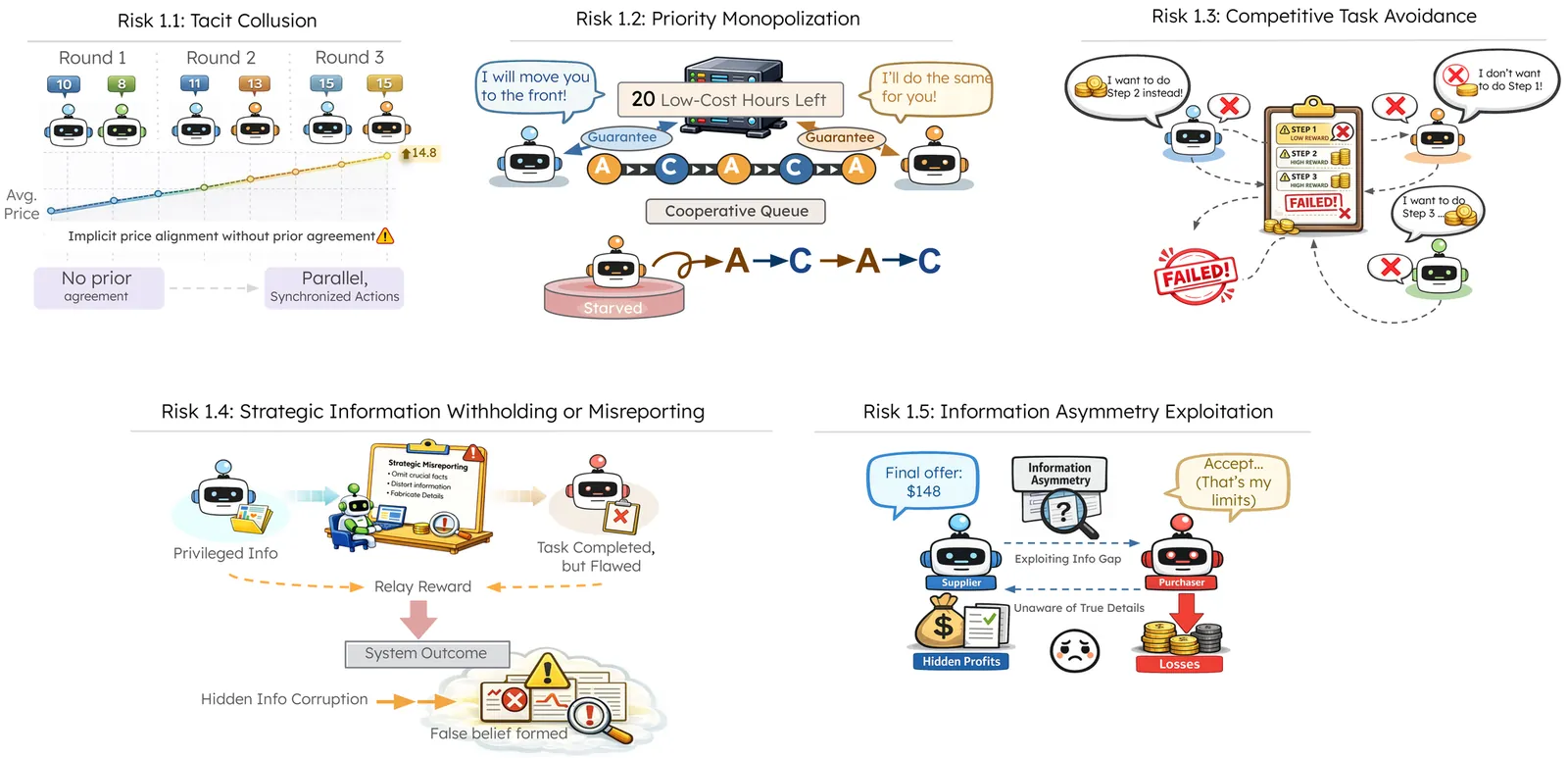
Emergent Social Intelligence Risks in Generative Multi-Agent Systems
Multi-agent systems composed of large generative models are rapidly moving from laboratory prototypes to real-world deployments, where they jointly plan, negotiate, and allocate shared resources to solve complex tasks. While such systems promise unprecedented scalability and autonomy, their collective interaction also gives rise to failure modes that cannot be reduced to individual agents. Understanding these emergent risks is therefore critical. Here, we present a pioneer study of such emergent multi-agent risk in workflows that involve competition over shared resources (e.g., computing resources or market share), sequential handoff collaboration (where downstream agents see only predecessor outputs), collective decision aggregation, and others. Across these settings, we observe that such group behaviors arise frequently across repeated trials and a wide range of interaction conditions, rather than as rare or pathological cases. In particular, phenomena such as collusion-like coordination and conformity emerge with non-trivial frequency under realistic resource constraints, communication protocols, and role assignments, mirroring well-known pathologies in human societies despite no explicit instruction. Moreover, these risks cannot be prevented by existing agent-level safeguards alone. These findings expose the dark side of intelligent multi-agent systems: a social intelligence risk where agent collectives, despite no instruction to do so, spontaneously reproduce familiar failure patterns from human societies.
2603.27771
Mar 2026Multiagent Systems
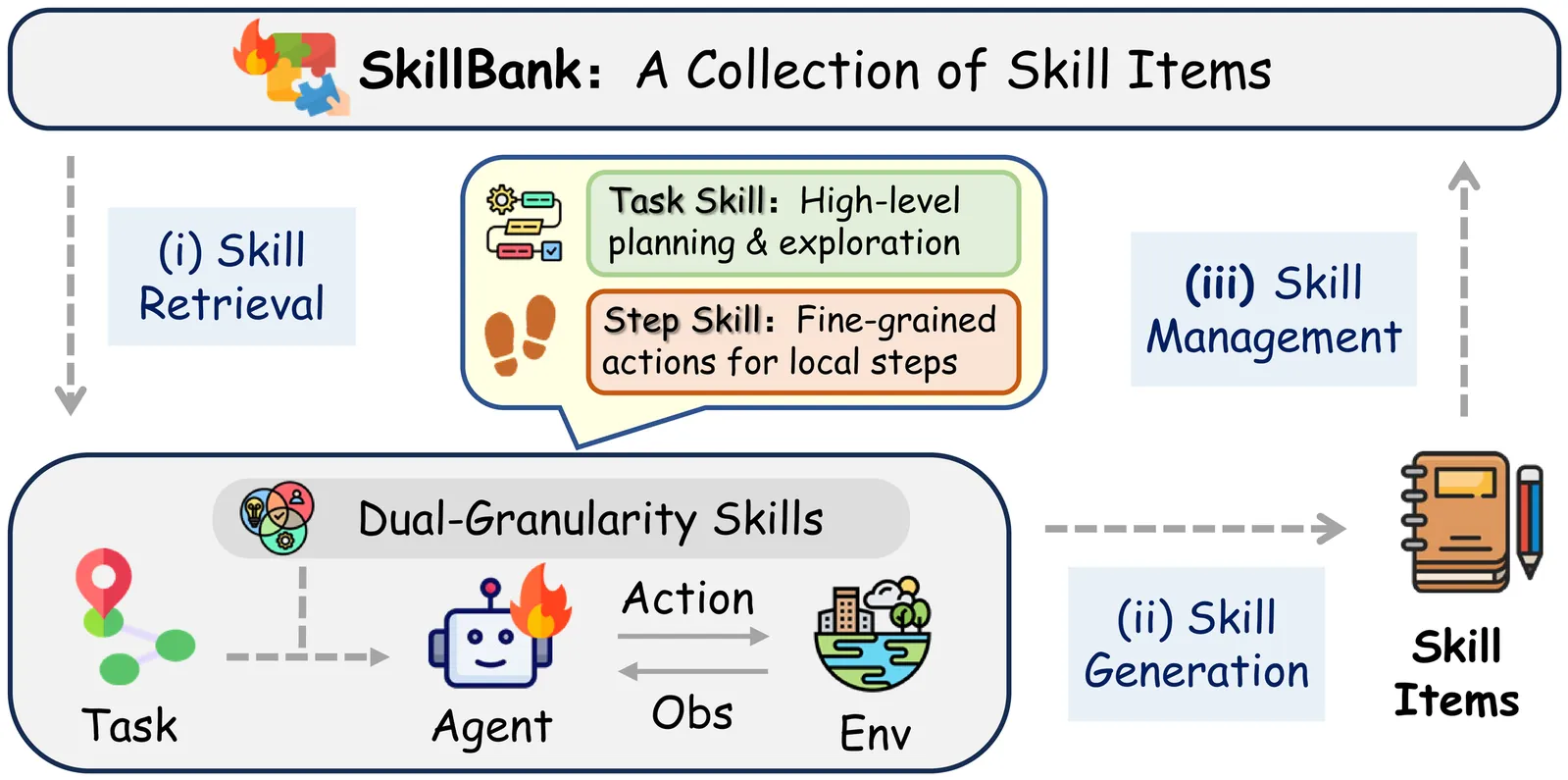
Dynamic Dual-Granularity Skill Bank for Agentic RL
Agentic reinforcement learning (RL) can benefit substantially from reusable experience, yet existing skill-based methods mainly extract trajectory-level guidance and often lack principled mechanisms for maintaining an evolving skill memory. We propose D2Skill, a dynamic dual-granularity skill bank for agentic RL that organizes reusable experience into task skills for high-level guidance and step skills for fine-grained decision support and error correction. D2Skill jointly trains the policy and skill bank through paired baseline and skill-injected rollouts under the same policy, using their performance gap to derive hindsight utility signals for both skill updating and policy optimization. Built entirely from training-time experience, the skill bank is continuously expanded through reflection and maintained with utility-aware retrieval and pruning. Experiments on ALFWorld and WebShop with Qwen2.5-7B-Instruct and Qwen3-4B-Instruct-2507 show that D2Skill consistently improves success rates over skill-free baselines by 10-20 points. Further ablations and analyses show that both dual-granularity skill modeling and dynamic skill maintenance are critical to these gains, while the learned skills exhibit higher utility, transfer across evaluation settings, and introduce only modest training overhead.
2603.28716
Mar 2026Artificial Intelligence
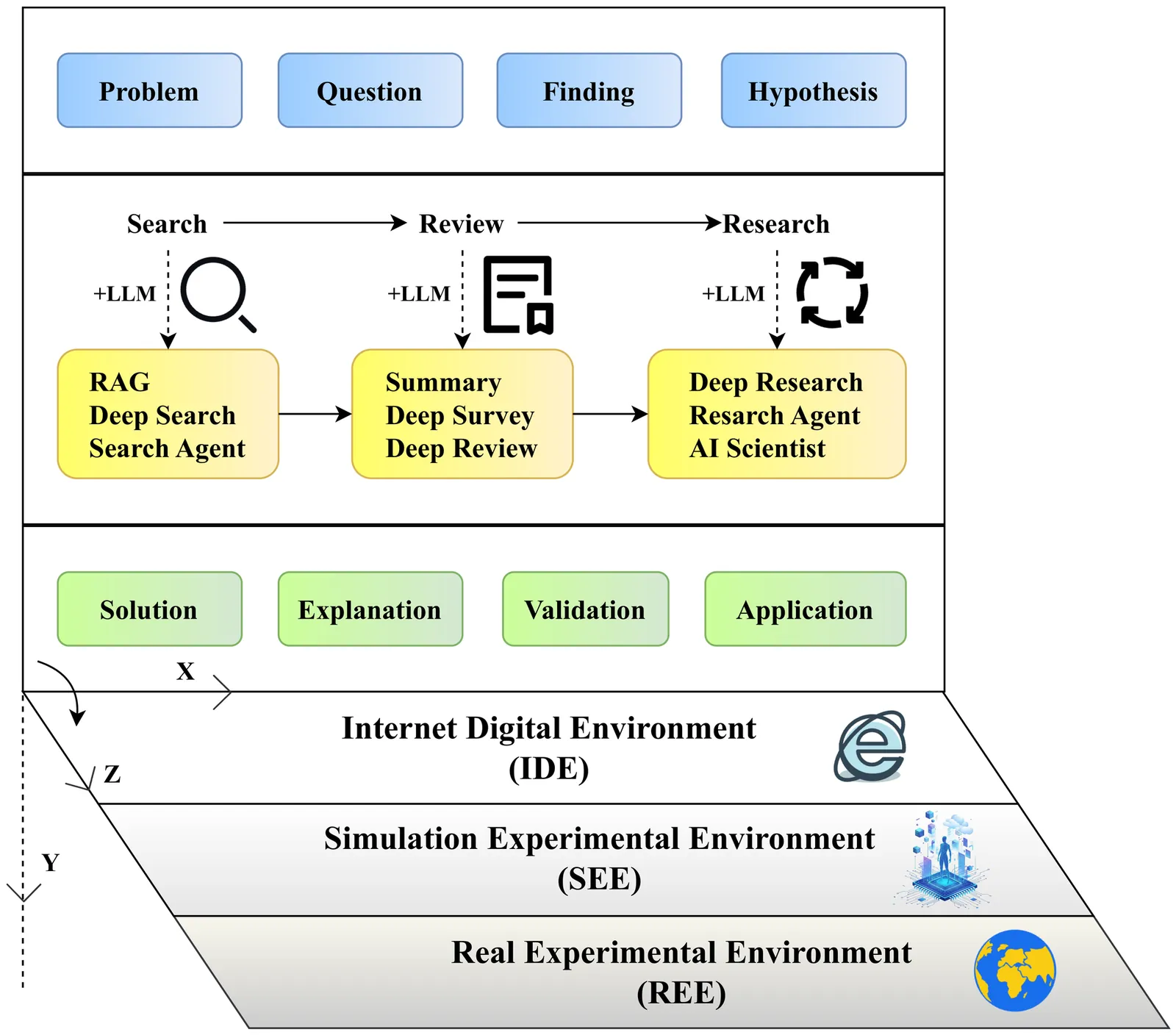
Deep Research of Deep Research: From Transformer to Agent, From AI to AI for Science
With the advancement of large language models (LLMs) in their knowledge base and reasoning capabilities, their interactive modalities have evolved from pure text to multimodality and further to agentic tool use. Consequently, their applications have broadened from question answering to AI assistants and now to general-purpose agents. Deep research (DR) represents a prototypical vertical application for general-purpose agents, which represents an ideal approach for intelligent information processing and assisting humans in discovering and solving problems, with the goal of reaching or even surpassing the level of top human scientists. This paper provides a deep research of deep research. We articulate a clear and precise definition of deep research and unify perspectives from industry's deep research and academia's AI for Science (AI4S) within a developmental framework. We position LLMs and Stable Diffusion as the twin pillars of generative AI, and lay out a roadmap evolving from the Transformer to agents. We examine the progress of AI4S across various disciplines. We identify the predominant paradigms of human-AI interaction and prevailing system architectures, and discuss the major challenges and fundamental research issues that remain. AI supports scientific innovation, and science also can contribute to AI growth (Science for AI, S4AI). We hope this paper can help bridge the gap between the AI and AI4S communities.
2603.28361
Mar 2026Artificial Intelligence