Numerical methods, scientific computing, and computational mathematics
We extend earlier international efforts to optimise hexahedral-based spectral element methods on GPUs and vectorised CPUs to mixed element meshes additionally involving prismatic, pyramidic, and tetrahedral shapes using tensorial expansions. We demonstrate that common finite element operators (such as the mass and Helmholtz matrices) benefit from alternative implementation strategies depending on the element shape, choice of polynomial order, and system architecture in order to achieve optimal performance. In addition, we introduce a new approach/interpretation to efficiently evaluate more complex operations involving inner products with the derivative of the expansions as part of the integrand such as the stiffness matrix. This approach seeks to maximise operations using the collocation properties of the nodal tensorial expansion associated with classical quadrature rules. Our GPU performance tests demonstrate that the throughput of the Helmholtz operator on tetrahedral elements is at most 2.5 times slower than on hexahedral elements, despite tetrahedra having a factor of six greater floating-point operations.
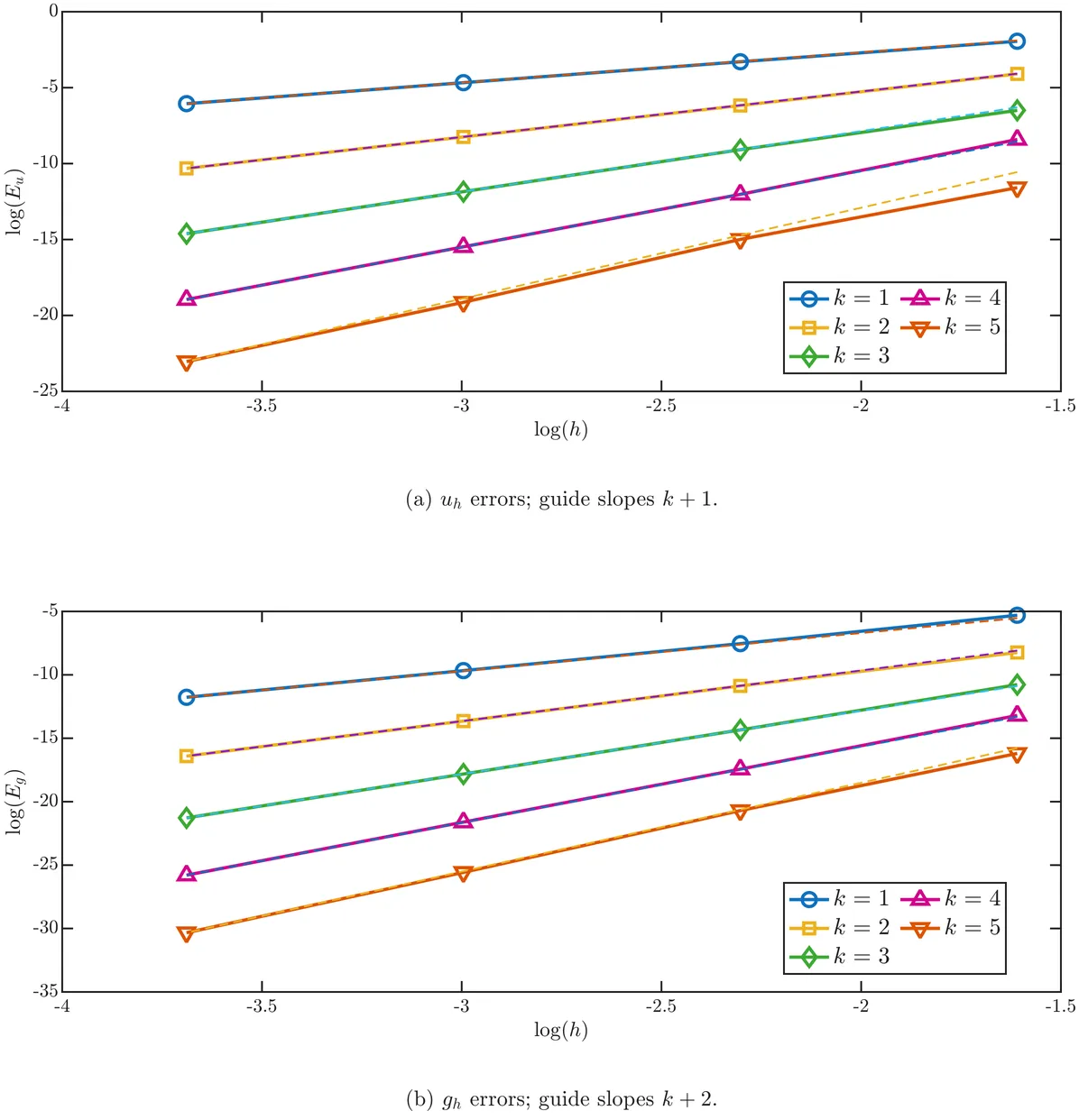
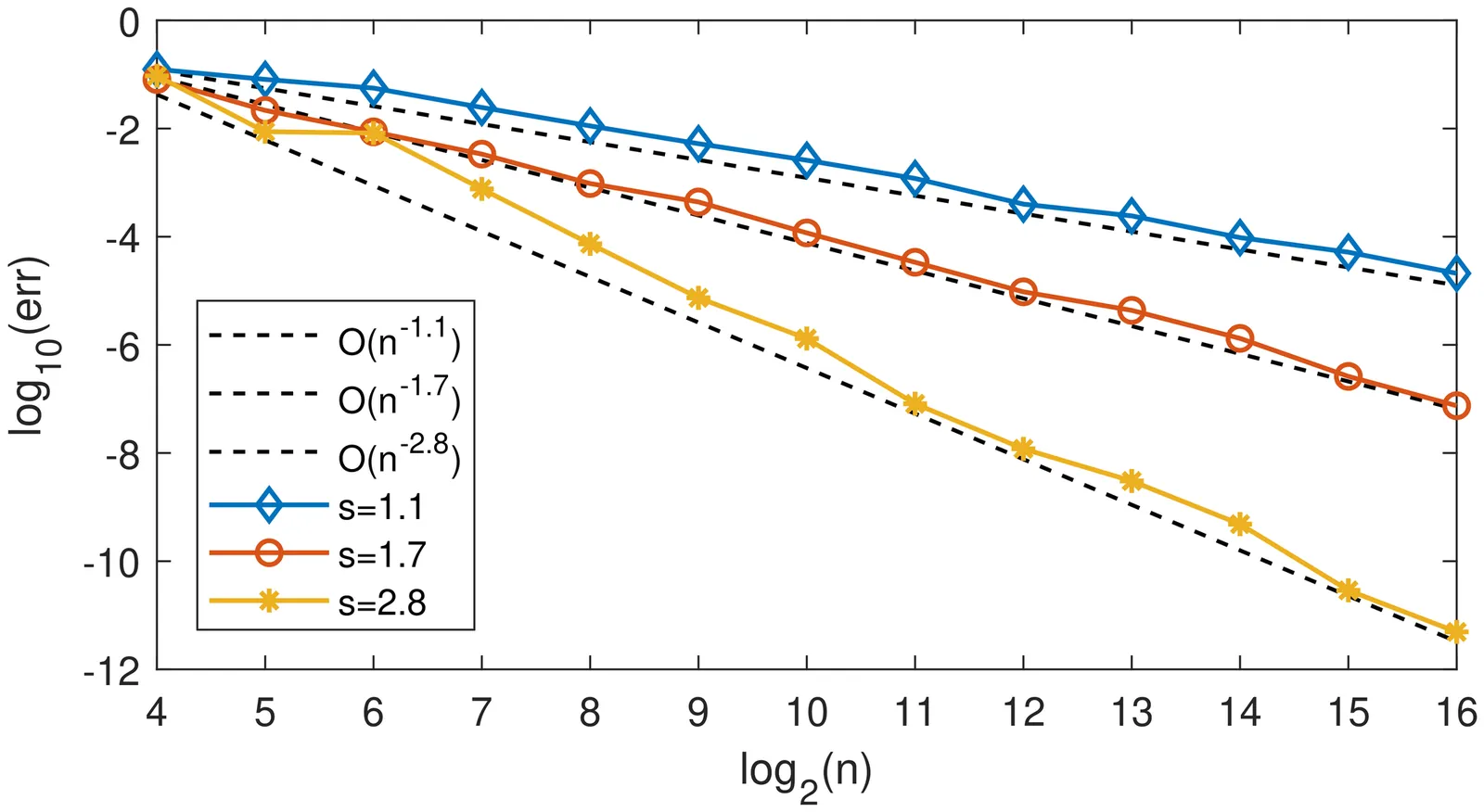
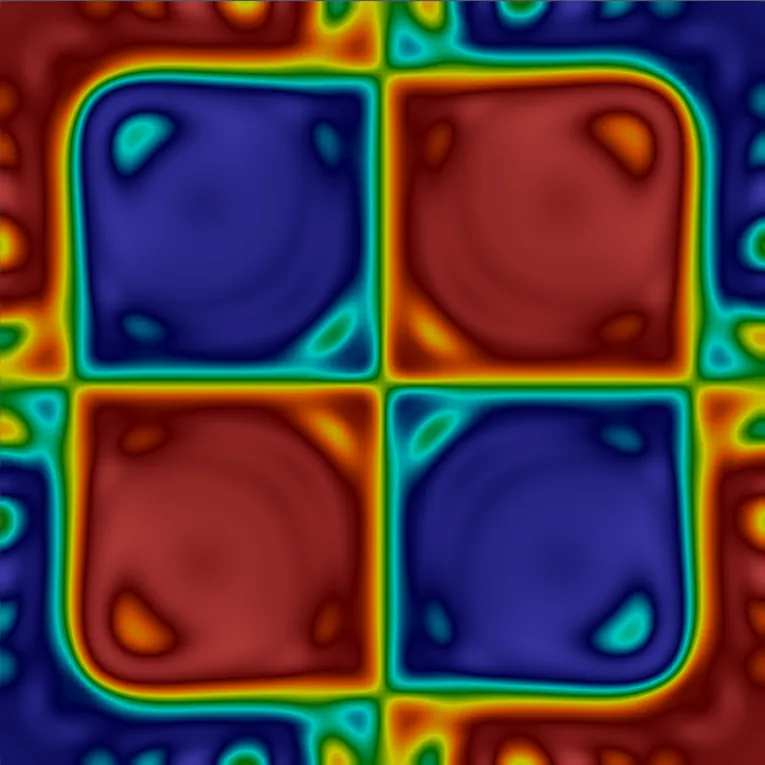
We propose and analyze a hybridized discontinuous Galerkin (HDG) method for the spherically symmetric Einstein--scalar system in Bondi gauge. After rewriting the model as a local first-order PDE--ODE system by introducing suitable scaled variables, we construct a semidiscrete scheme in which the element unknowns are computed locally and the coupling is carried by traces on the mesh skeleton. In the present radial setting, these traces can be eliminated recursively, so that only the main evolution variable is advanced in time, while the metric variables are recovered from discrete constraint relations. We prove local semidiscrete well-posedness, derive a global \(L^2\)--stability estimate, establish an optimal order \(L^2\) error bound for the main evolution variable for polynomial degree \(k\ge 1\), and obtain reconstruction error estimates for the metric variables and the associated mass functional. Numerical experiments verify the predicted spatial convergence rate and illustrate qualitative features of the Einstein--scalar dynamics, including large-data collapse profiles and smooth-pulse evolution.
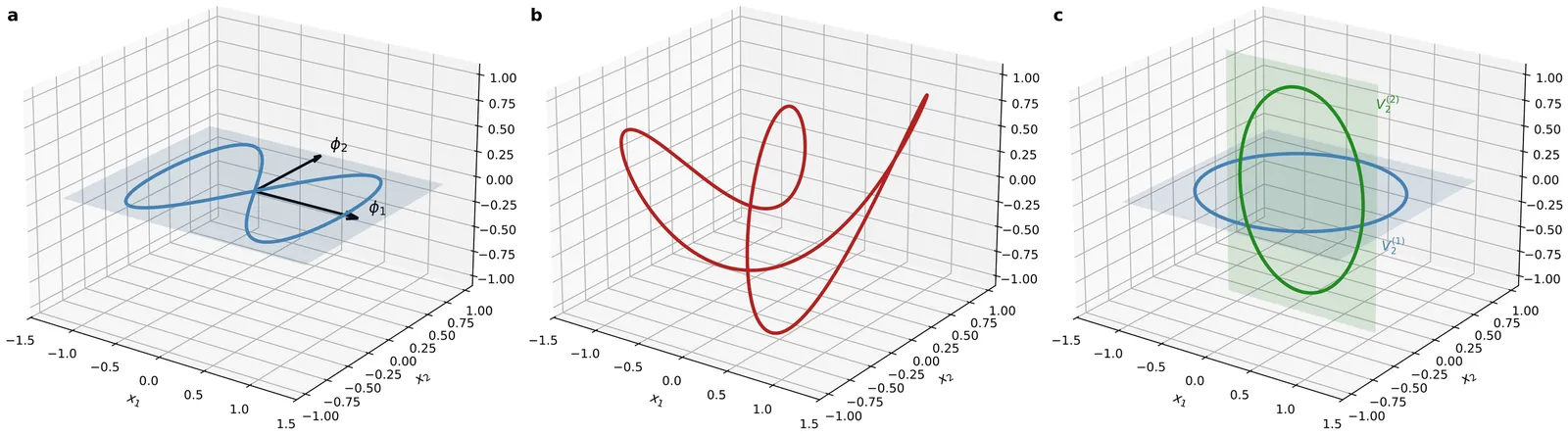
In this paper, we exploit the concept of Kolmogorov $n$-widths to establish optimality benchmarks for reduced-order methods used in phononic, acoustic, and photonic band structure calculations. The Bloch-transformed operators are entire holomorphic functions of the wave vector~$\kk$, and by Kato's analytic perturbation theory the eigenpairs inherit this holomorphy wherever the spectral gap is positive. The Kolmogorov $n$-width of the solution manifold therefore decays exponentially, at a rate controlled by the minimum spectral gap between the band of interest and its neighbors. For clusters of bands, we show that working with spectral projectors rather than individual eigenvectors renders all internal crossings -- avoided, symmetry-enforced, or conical -- irrelevant: only the gap separating the cluster from the remaining spectrum matters. These results provide a sharp lower bound on the error of any linear reduction method, against which existing approaches can be measured. Numerical experiments on one- and two-dimensional problems confirm the predicted exponential decay and demonstrate that a greedy algorithm achieves near-optimal convergence. It also provides a principled justification for the choice of basis vectors in highly successful reduced-order models like RBME.
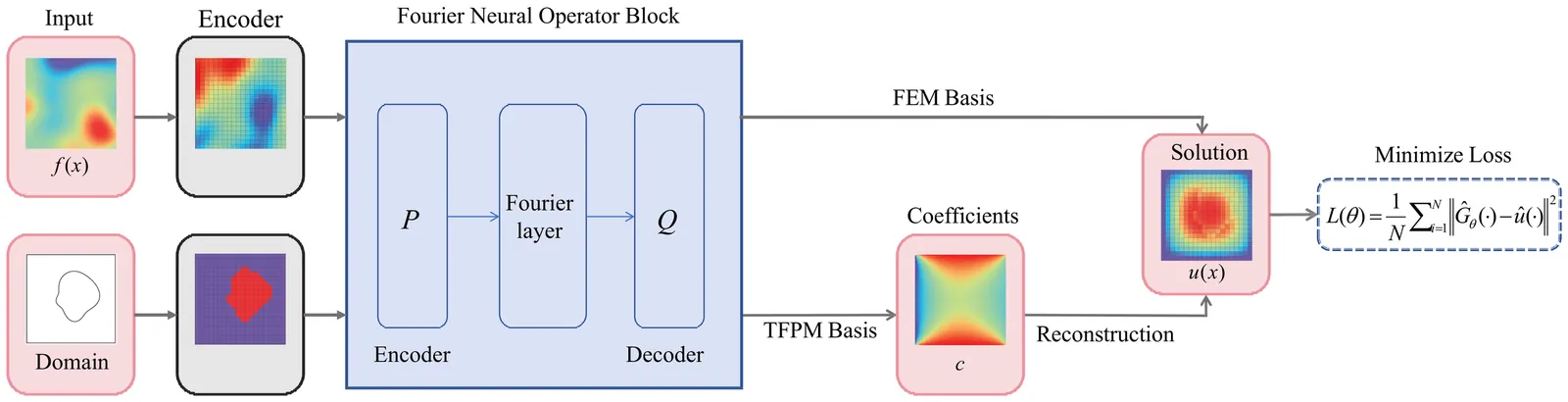
Solving Partial Differential Equation (PDE) interface problems on varying domains is a critical task in design and optimization, yet it remains computationally prohibitive for traditional solvers. Although operator learning has shown promise on fixed geometries, its potential for geometry-dependent interface problems has been largely unexplored. To bridge this gap, we propose an extension-based neural operator framework applicable to general linear interface problems. A key innovation of our method is the integration of the Tailored Finite Point Method (TFPM) with our base network, which reduces memory consumption and effectively alleviates the curse of dimensionality. On the theoretical front, we establish the continuity of the Helmholtz operator with respect to domain perturbations and provide rigorous error estimates for the proposed encodings. Comprehensive numerical experiments demonstrate that our framework achieves state-of-the-art accuracy and robustness. Consequently, this work provides a powerful, data-efficient tool for varying-domain simulations, offering new possibilities for real-time shape optimization.
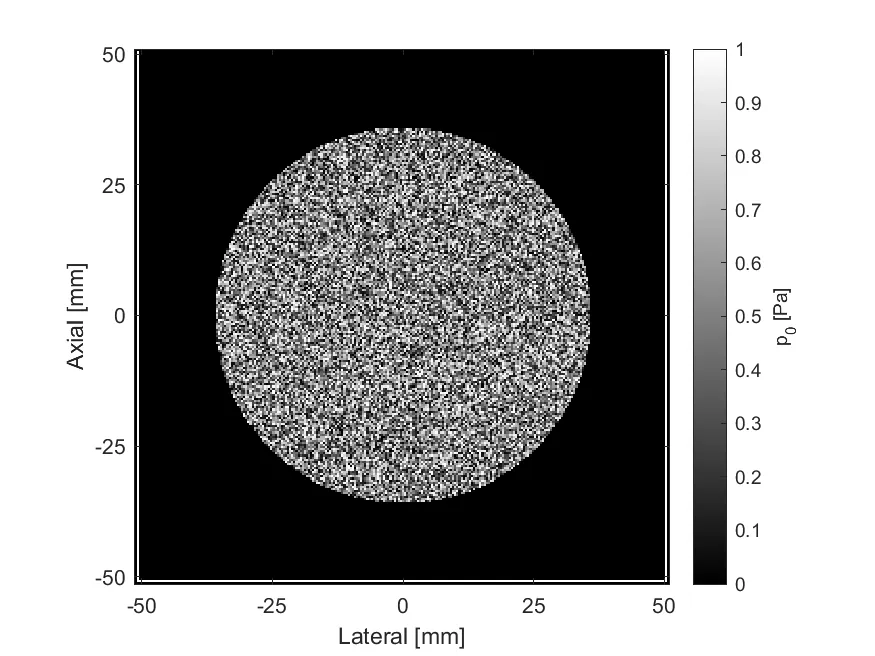
We extend the forward-adjoint operator framework derived in our previous study to photoacoustic tomography (PAT). In that earlier work, the acoustic forward operator included a reception operator that maps, at each time step, the pressure wavefield in free space onto the boundary (receiver surface). It was shown that this reception operator serves as a left-inverse of an emission operator that maps the pressure restricted to the boundary (emitter surface) onto free space, perfectly complying with the reciprocity law of physics. In this study, we define the full PAT forward operator as a composite mapping composed of an acoustic forward operator equipped with a scaled variant of the previously proposed reception operator, and an operator describing the photoacoustic source. Singularities arising both in the reception step (due to the boundary restriction) and in the photoacoustic source (due to its instantaneous nature) are regularized using regularized Dirac delta distributions. The resulting PAT forward-adjoint operator pair satisfies an inner-product relation, which we verify through numerical experiments on a discretized domain. The effectiveness of the proposed operator pair is further demonstrated using an iterative minimization framework that yields both qualitatively and quantitatively accurate reconstructions of an initial pressure distribution from the corresponding Dirichlet-type boundary data.
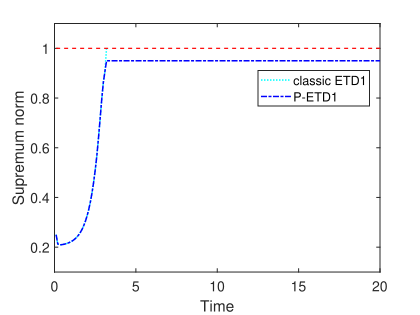
It is well known that the exponential time differencing (ETD) method has been successfully applied to the classic Cahn-Hilliard equation with double well potential. However, this numerical method can not be extended to the Cahn-Hilliard equation with Flory-Huggins potential directly due to the fact that the the numerical solution may go beyond the physical interval which leads the non-physical solution. In this paper, we develop and analyze first- and second-order numerical schemes for the nonlocal Cahn-Hilliard equation with the classic Flory-Huggins energy potential. In more detail, the ETD method is firstly used to obtain the prediction solution, and then this prediction solution is corrected by the projection method to avoid non-physical solution. The proposed method is shown to preserve bound and mass conservation in discrete settings. In addition, error estimates for the numerical solution are rigorously obtained for both schemes. Extensive numerical tests and comparisons are conducted to demonstrate the performance of the proposed schemes.
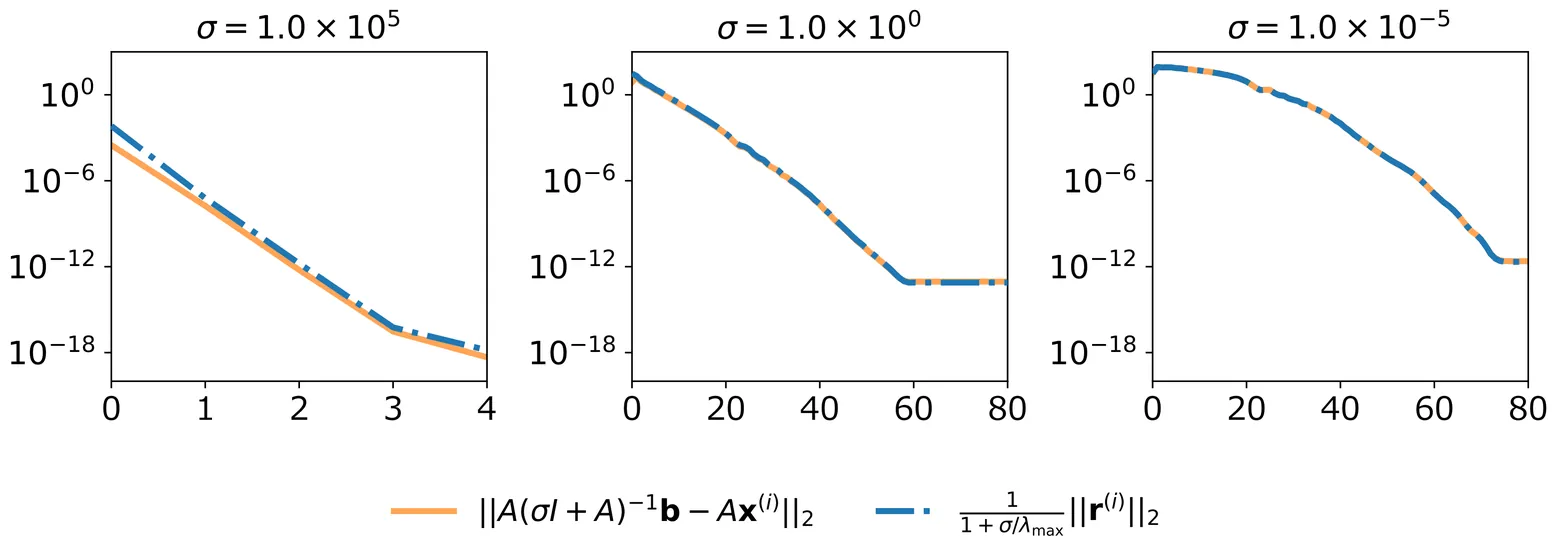
This study considers quadrature-based algorithms to compute $A^α\boldsymbol{b}$, the action of a real power of a Hermitian positive-definite matrix $A$ on a vector $ \boldsymbol{b}$. In these algorithms, the computation of an integral representation of $A^α \boldsymbol{b}$ is reduced to solving several tens or hundreds of shifted linear systems. Current approaches usually analyze the quadrature discretization error, but rarely take into account the additional error introduced by solving these shifted linear systems with iterative solvers. Here, we bound this error with the residual of the approximated solution of these linear systems. This allows the derivation of a stopping criterion for iterative solvers to keep the error of $A^α\boldsymbol{b}$ below a prescribed error tolerance. Numerical results demonstrate that the proposed criterion enables the computation of $A^α\boldsymbol{b}$ within prescribed tolerance limits.
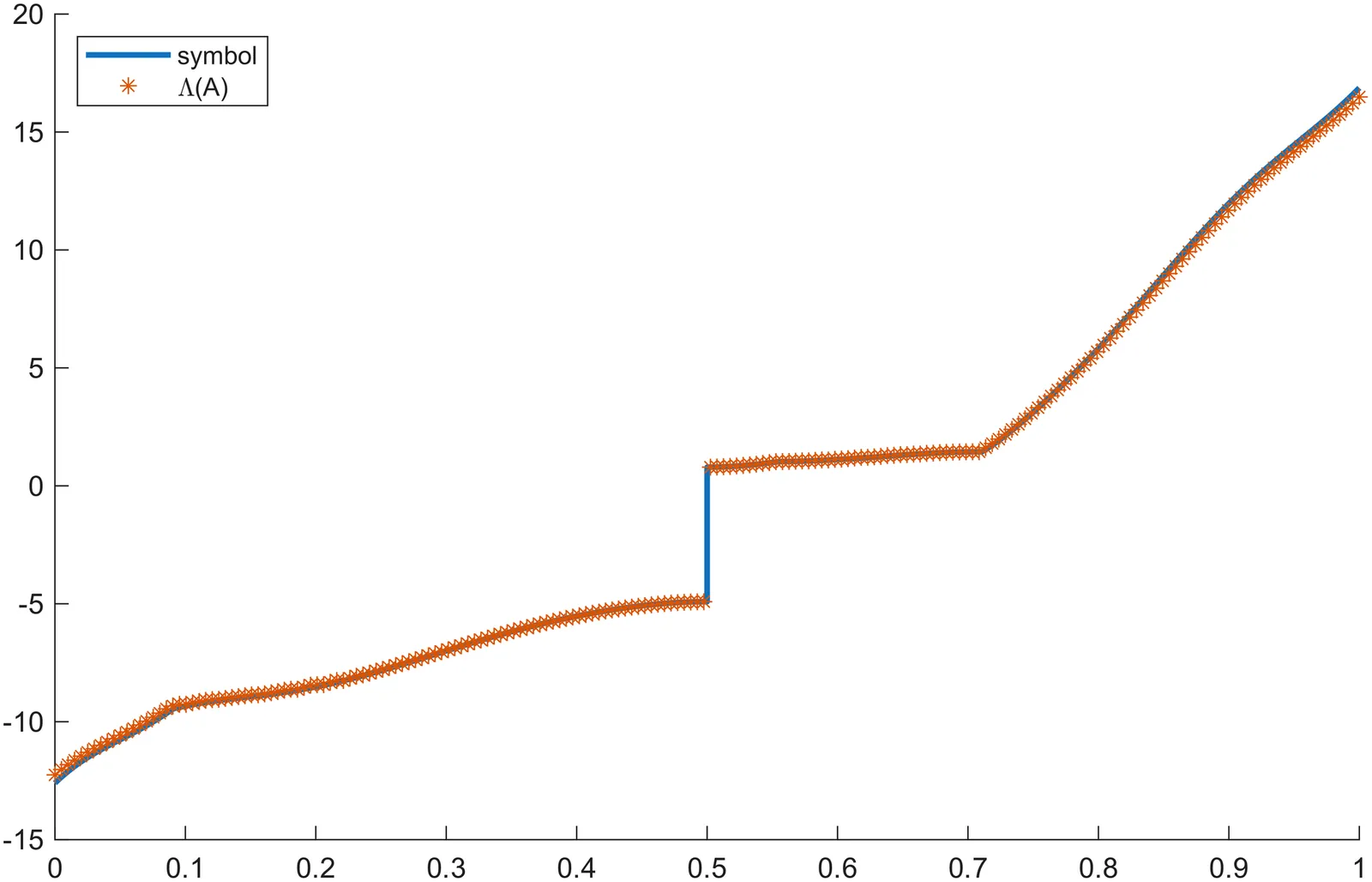
In the present paper, we are concerned with the study of the spectral distribution of matrix-sequences showing a non-Hermitian block structure with Toeplitz blocks. We use the notion of geometric mean of matrices and the theory of Generalized Locally Toeplitz (GLT) sequences to perform our analysis and produce some numerical tests and visualizations to confirm our theoretical derivations.
The VEM approximation of eigenvalue problems usually involves the appropriate tuning of stabilization parameters, unless self-stabilizing or stabilization-free VEM are used. In this paper we prove that for elliptic self-adjoint eigenvalue problems the stabilization of the mass matrix is not necessary when lower order standard VEM spaces are adopted. Numerical evidence shows that also for higher order schemes the same result is true on various mesh sequences.
In this paper, we discuss a novel higher-order stabilization-free virtual element method for general second-order elliptic eigenvalue problems. Optimal a priori error estimates are derived for both the approximate eigenspace and eigenvalues. Numerical experiments are conducted on regular convex polygonal meshes, convex-concave polygonal meshes, and concave polygonal meshes. The numerical results validate the effectiveness of the proposed method.
This paper investigates the numerical approximation of integrals for functions in fractional Gaussian Sobolev spaces $W^s_{p}(\mathbb{R}^d,γ)$ with dominating mixed smoothness defined via kernel related to the fractional Ornstein-Uhlenbeck operator. Building upon quadrature rules for fractional Sobolev spaces on the unit cube $[-\tfrac{1}{2}, \tfrac{1}{2}]^d$, we construct quadrature schemes on $\mathbb{R}^d$ that achieve the same rate of convergence. As a consequence, we establish the optimal asymptotic order of the integration error in the regime $1 < p < \infty$ and $s > \frac{1}{p}$. Furthermore, we show that the fractional Gaussian Sobolev spaces $W^s_{2}(\mathbb{R}^d,γ)$ coincide with Hermite spaces $\mathcal{H}^s(\mathbb{R}^d,γ)$ characterized by the weighted $\ell_2$-summability of their Fourier-Hermite coefficients. From this, we derive the optimal asymptotic order of the integration error for functions in these spaces for all $s > \frac{1}{2}$. We also establish the corresponding optimal asymptotic order for functions in fractional Sobolev spaces $W^s_{p,G}(\mathbb{R}^d,γ)$ defined via the Gagliardo seminorm.
In this paper, we propose a regularized auxiliary variable (RAV) approach and construct accurate and robust time-discrete schemes for a large class of gradient flows. By introducing an auxiliary variable $r=0$ and constructing an auxiliary equation that naturally fits into the energy relation, the numerical solution $r^{n+1}$ of the auxiliary variable is corrected at each time step to preserve consistency with the original system. The developed RAV scheme satisfies unconditional energy stability with respect to the original variables, and in certain cases the original energy law can be directly recovered. Furthermore, we obtain a uniform bound on the norm of the numerical solution, which allows us to establish the optimal error estimate in $L^\infty(0,T;H^2)$ for the second-order scheme without any restriction on the time step. We present ample numerical results, including comparisons with the scalar auxiliary variable (SAV) approach, to demonstrate the accuracy and effectiveness of the proposed RAV approach.
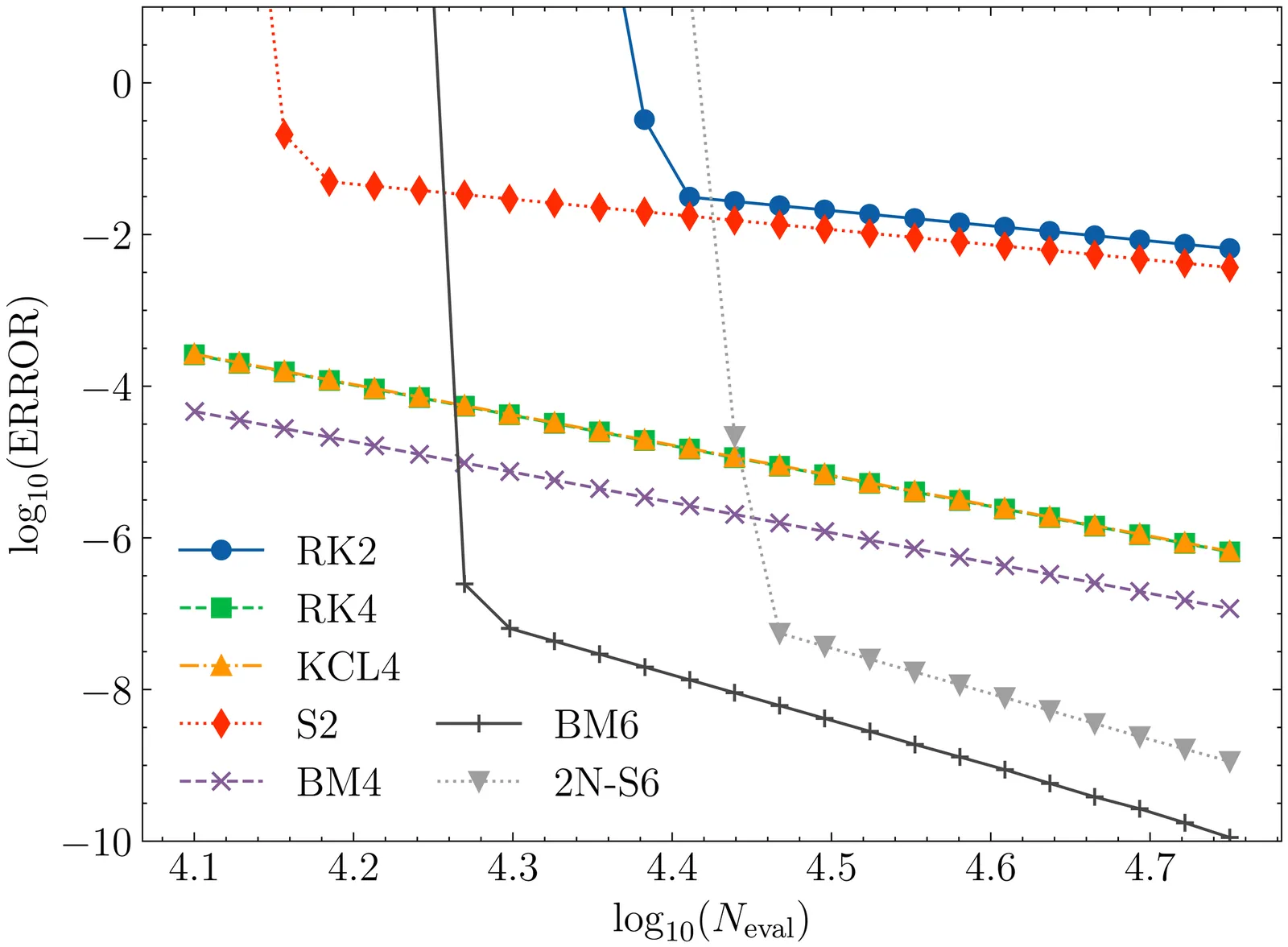
Low-storage explicit Runge-Kutta schemes are particularly popular for the numerical integration of time-dependent partial differential equations based on the method-of-lines due to their efficiency and their reduced memory requirements. We show that D-splitting methods, splitting methods on the extended phase space, can be used as high performance 2N-storage embedded explicit RK methods without a third storage register. They are pseudo-geometric methods preserving some of the qualitative properties of the exact solution up to a higher order than the order of the method. Some of their properties are analysed, to build new tailored methods, and are tested on numerical examples.
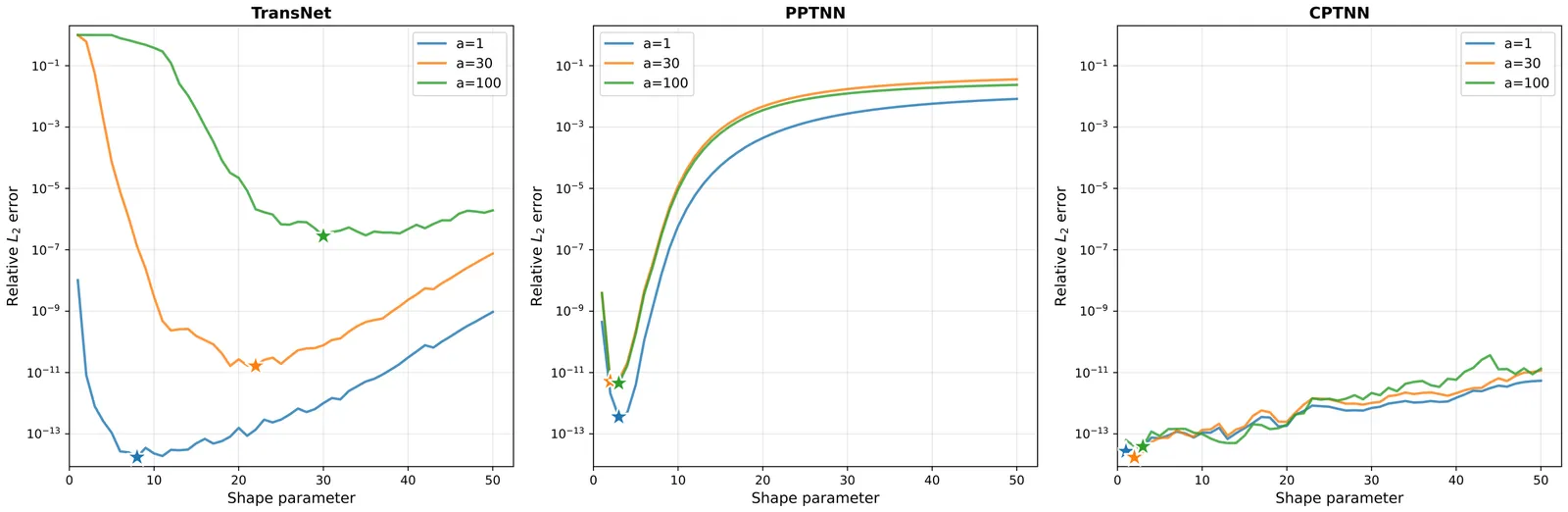
Neural network based methods have emerged as a promising paradigm for scientific computing, yet they face critical bottlenecks in high frequency function approximation and partial differential equation (PDE) solving.
Entropy stable discontinuous Galerkin (DG) methods display improved robustness for problems with shocks, turbulence, and under-resolved features by enforcing an entropy inequality. Such methods have traditionally relied on entropy conservative (EC) fluxes that are computationally expensive to evaluate. An alternative approach for enforcing an entropy inequality is through a minimally dissipative ``entropy correction" artificial viscosity. We review how to construct such an artificial viscosity formulation and extend this approach to multiple types of viscosity (e.g., viscosity and thermal diffusivity). We determine simple analytical expressions for optimal viscosity parameters. We compare this to the case of a single monolithic viscosity parameter for different 1D and 2D problems, and show that the proposed method allows users to more precisely target specific physical phenomena while retaining robustness for general problem settings.
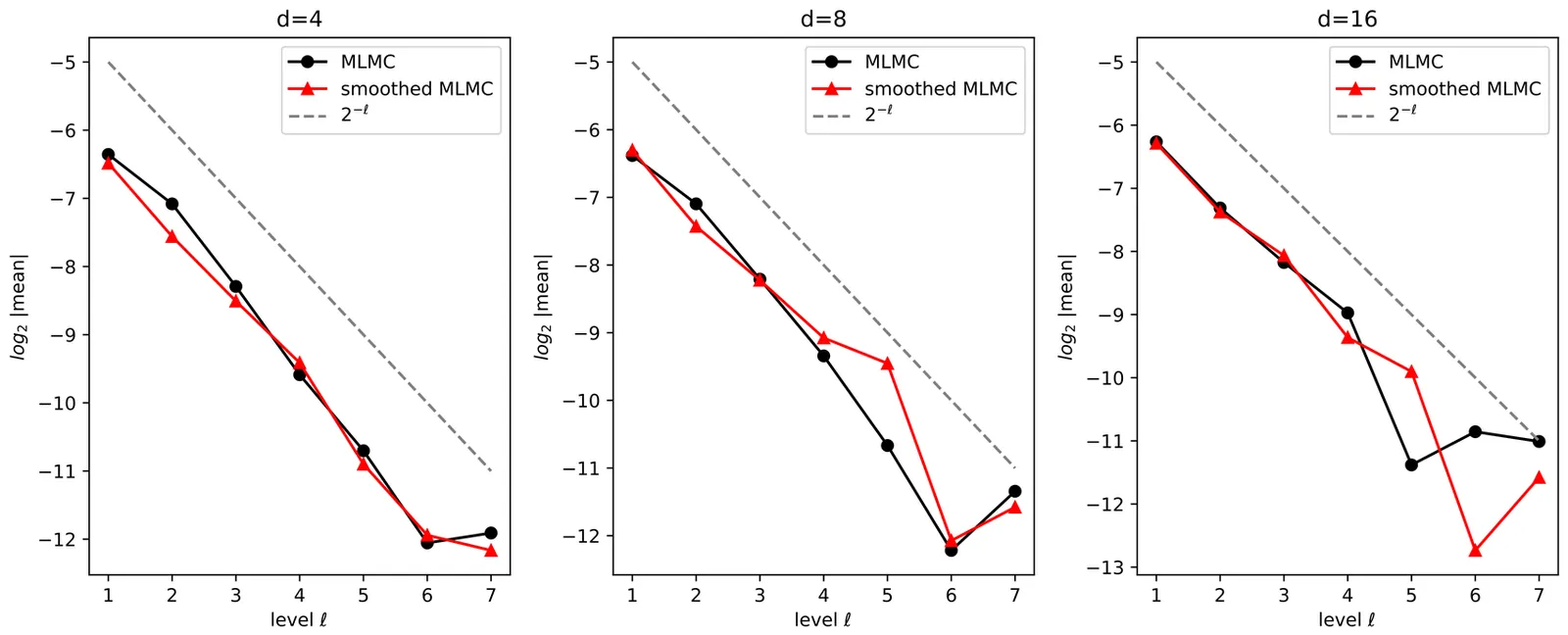
Nested Monte Carlo is widely used for risk estimation, but its efficiency is limited by the discontinuity of the indicator function and high computational cost. This paper proposes a nested Multilevel Monte Carlo (MLMC) method combined with preintegration for efficient risk estimation. We first use preintegration to integrate out one outer random variable, which effectively handles the discontinuity of the indicator function, then we construct the MLMC estimator with preintegration to reduce the computational cost. Our theoretical analysis proves that the strong convergence rate of the MLMC combined with preintegration reaches -1, compared with -1/2 for the standard MLMC. Consequently, we obtain a nearly optimal computational complexity. Besides, our method can also handle the high-kurtosis phenomenon caused by indicator functions. Numerical experiments verify that the smoothed MLMC with preintegration outperforms the standard MLMC and the optimal computational cost can be attained. Combining our method with quasi-Monte Carlo further improves its performance in high dimensions. Keywords: Nested simulation, Multilevel Monte Carlo, Risk estimation, Preintegration
This work presents a space-time isogeometric analysis of biharmonic wave problem, in contrast to the more common application of space-time methods to second order wave equations. We first establish the unique solvability of the continuous space-time variational formulation. In order to obtain $H^2$- conforming discretization of the biharmonic wave equation, we consider globally smooth B-spline functions having continuity higher than $C^0$. We prove that the resulting space-time discrete formulation is stable under a Courant-Friedrichs-Lewy (CFL) condition. Furthermore, we propose a stabilized formulation, achieved by adding a non-consistent penalty term, which yields unconditional stability. Exploiting the tensor product structure, an efficient direct solver is also provided for solving the linear system arising from the discrete formulation. A few numerical experiments are presented to demonstrate the stability and convergence properties of the proposed scheme as well as the efficiency of the proposed solver.
We propose a family of high-order local discontinuous Galerkin (LDG) methods, built on a parametric representation and coupled with a semi-implicit backward Euler time discretization, for isotropic and anisotropic curve-shortening flows. The spatial LDG formulation introduces auxiliary variables and carefully designed numerical fluxes which inherit the underlying variational structure. We prove the unconditional energy dissipation for the semi-discrete scheme, and establish the well-posedness for the fully discrete scheme under mild assumptions. For $P^k$ approximations, the LDG method achieves high-order spatial convergence; extensive numerical experiments confirm optimal $(k+1)$-order accuracy when the surface energy is isotropic or weakly anisotropic. Compared to classical parametric finite element methods (PFEM), the proposed LDG schemes do not need to rely on good mesh distributions or auxiliary symmetrized surface energy matrices for strongly anisotropic surface energy cases, and remain numerically stable on severely degraded meshes that typically cause PFEMs failure. This intrinsic stability enables effective capture of complex geometric evolution and sharp corner singularities produced by strong anisotropy. The approach thus provides a flexible and reliable framework for the numerical simulation of a broader class of geometric flows.
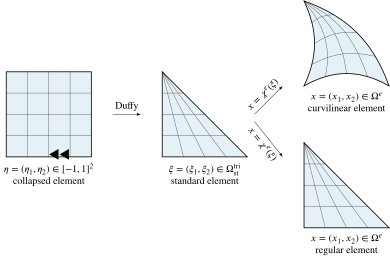
We develop a triangular formulation of the hierarchical Poincaré-Steklov (HPS) method for elliptic partial differential equations on surfaces, allowing high-order discretizations on unstructured meshes and complex geometries. Classical HPS formulations rely on high-order quadrilateral meshes and tensor-product spectral discretizations, which enable efficient algorithms but restrict applicability to structured geometries. To overcome this restriction, we introduce a triangle-based hierarchical Poincaré-Steklov scheme (THPS) built on orthogonal Dubiner polynomial bases. As in the classical HPS framework, local solution operators and Dirichlet-to-Neumann maps are constructed and merged hierarchically, yielding a fast direct solver with $O(N \log N)$ complexity for repeated solves on meshes with $N$ elements. The reuse of precomputed operators makes the method particularly effective for implicit time-stepping of surface PDEs. Numerical experiments demonstrate that the proposed method retains spectral accuracy and achieves high-order convergence for a range of static and time-dependent test problems.
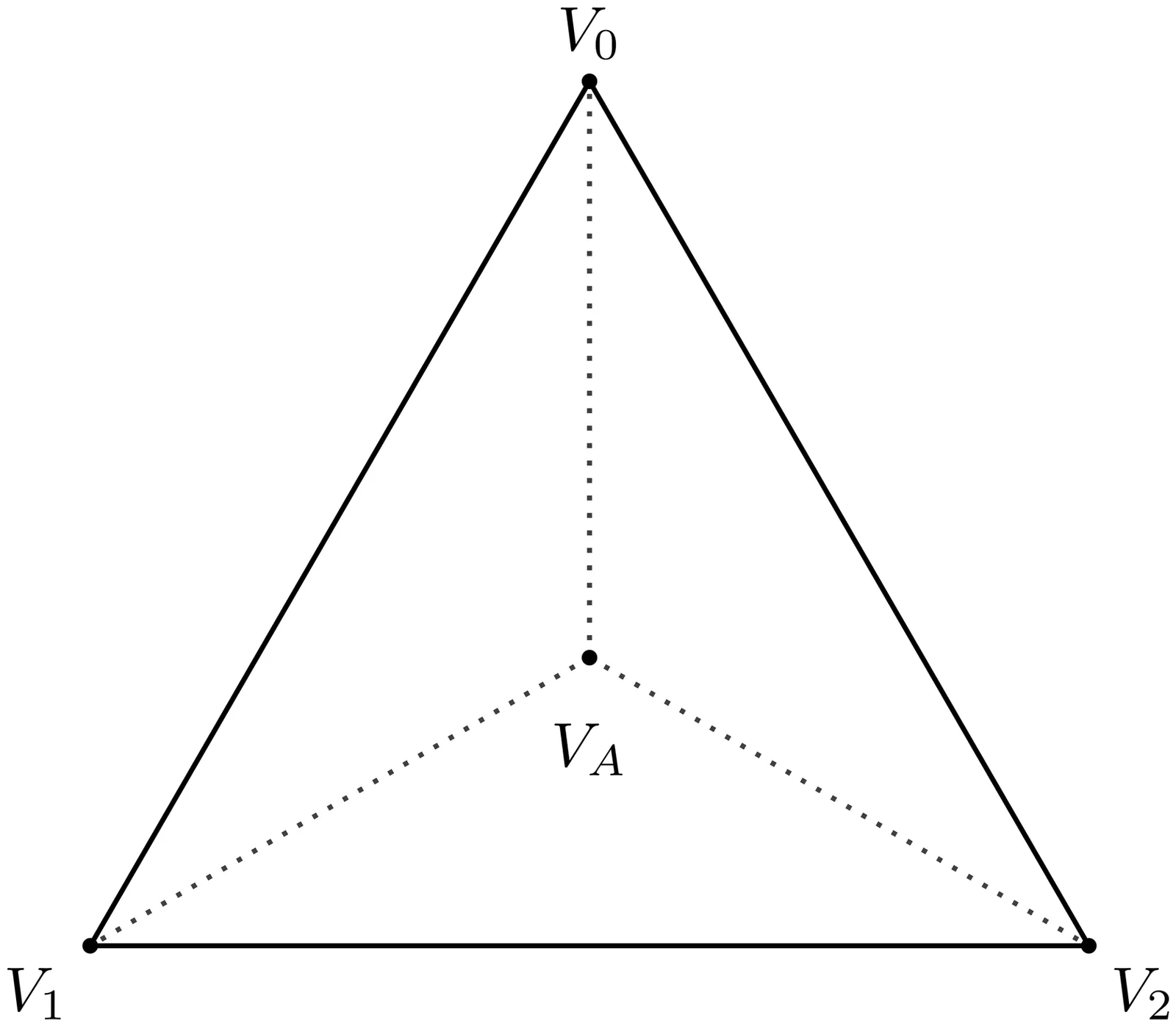
Constructing $C^r$ conforming finite element spaces in any dimension is a long-standing problem. For general triangulations, this problem was recently addressed by Hu-Lin-Wu (2024), under certain conditions on supersmoothness and polynomial degree. In this paper, a first unified construction on the Alfeld split in any dimension is given, where the supersmoothness conditions and the polynomial degree requirement are relaxed.